


Up To 30% Off Full-Price Items
Shop now
Up To 50% Off Winter Sale
Shop now
Ski & Snowboard Gear On Sale
Shop up to 40% off
Goal Zero Hike & Camp
13 results

Goal Zero
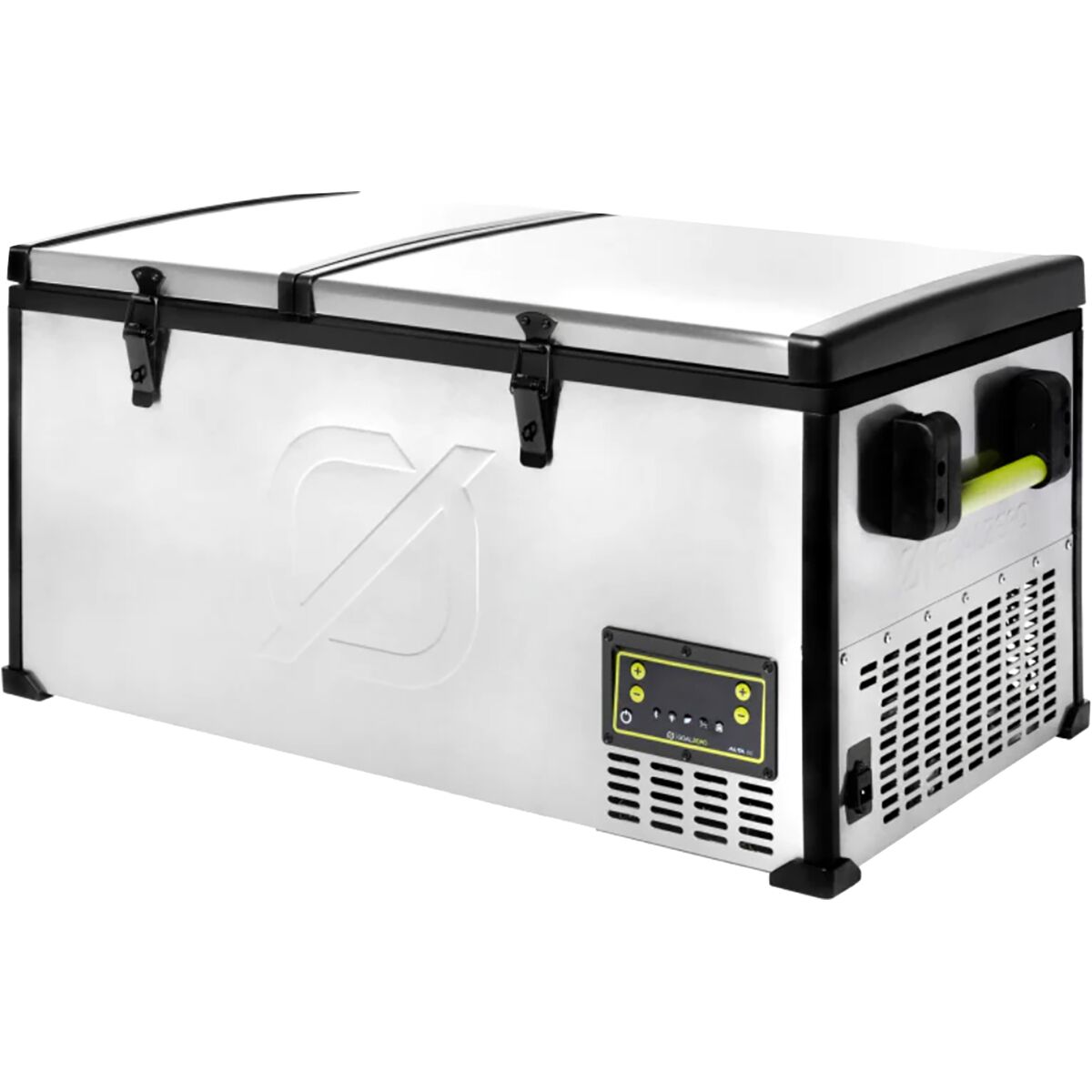
Alta 80 Portable Fridge
1 color
Discount Applies In Cart | Ends 11/16
(22)


Goal Zero
Venture 35 Solar Kit With Nomad 10
1 color
Discount Applies In Cart | Ends 11/16
(10)

Goal Zero
Boulder 100 Briefcase
1 color
Discount Applies In Cart | Ends 11/16
(27)

Goal Zero
Alta 50 Portable Fridge
1 color
Discount Applies In Cart | Ends 11/16
(18)

Goal Zero
Lighthouse Micro Flash
1 color
Discount Applies In Cart | Ends 11/16
(54)

Goal Zero
Lighthouse Mini V2
1 color
Discount Applies In Cart | Ends 11/16
(36)

Goal Zero
Light-A-Life 350
1 color
Discount Applies In Cart | Ends 11/16
(47)

Goal Zero
Crush Light Chroma
1 color
Discount Applies In Cart | Ends 11/16
(26)

Goal Zero
Flip 36 Recharger
1 color
Discount Applies In Cart | Ends 11/16
(26)

Goal Zero
Lighthouse Micro Charge
1 color
Discount Applies In Cart | Ends 11/16
(25)

Goal Zero
Crush Light
1 color
Discount Applies In Cart | Ends 11/16
(36)

Goal Zero
Sherpa 100 PD (4th Gen)
1 color
Discount Applies In Cart | Ends 11/16
(29)

Goal Zero
Venture Jump Power Bank
1 color
Discount Applies In Cart | Ends 11/16
(33)
Related Categories
Frequently Asked Questions
What makes Goal Zero gear particularly well-suited for hiking, backpacking, and camping?
Goal Zero combines ultra-light, hangable solar panels like the Nomad series with rugged enclosures and monocrystalline laminate cells to maximize watt-per-weight for trail use, plus compact power banks (Venture) and scalable Yeti power stations for camp. Features such as kickstands, clip-on hang points, Flip Power Bank docks, and user-replaceable batteries make the ecosystem modular and durable across day hikes to extended off-grid trips.How do I choose between the Nomad 5 and Nomad 10 for day hikes and packable charging?
Choose the Nomad 5 (about 5W) if absolute weight and packability are your priority for topping off phones or headlamps on short outings; the Nomad 10 provides faster charging and better performance for tablets or when you need to recharge a power bank mid-hike. Consider how many devices you carry and whether you plan to clip the panel to your pack (Nomad panels are designed for that use) versus deploying it at camp.How does the Venture 35 power bank compare to a small Yeti station like the Yeti 200X for campsite use?
The Venture 35 is a lightweight, grab-and-go power bank optimized for charging phones, cameras, and small USB devices on the move, while a Yeti 200X is a compact power station that offers higher capacity and multiple output types (USB, 12V, and AC) for powering larger campsite loads. If you need quiet, AC-capable power for a small fridge, lights, or a blender at camp, a Yeti-style station is the better choice; for ultralight day trips and backup phone power, a Venture is ideal.Which Goal Zero solar and station pairings are recommended to run a 12V fridge and charge devices for a multi-day trip?
For multi-day fridge use, pair a mid-to-large Yeti power station (models scale from around 168Wh up to the 6000X) with portable solar input from Nomad panels or Briefcase Solar Panels; match the panel’s solar input to the station’s solar input spec and use higher-watt Nomad or briefcase configurations to maintain charge. For lighter setups, combine a Nomad 10 with a Venture 35 or Ranger 300 for extended device charging, but always calculate your fridge’s continuous watt draw against station watt‑hours before committing.How durable and weather-resistant are Goal Zero Nomad panels and Yeti power stations for backcountry use?
Nomad panels use laminated monocrystalline cells in rugged enclosures with reinforced corners, kickstands, and mounting points for hanging on packs, making them resilient to trail use and variable weather; Yeti stations are built with tough housings and optional Yeti Protection Cases for added impact and moisture protection. Many accessories and design choices—like briefcase panels for protected carry and user-replaceable batteries in select units—prioritize field serviceability and longevity without adding unnecessary bulk.