


Fall Sale
Shop up to 40% off
Ski & Snowboard Gear On Sale
Shop up to 40% off
Spend $200, Get $30 Cash Back
Summit+ only | Shop kids'
100% Bike
37 results

100%
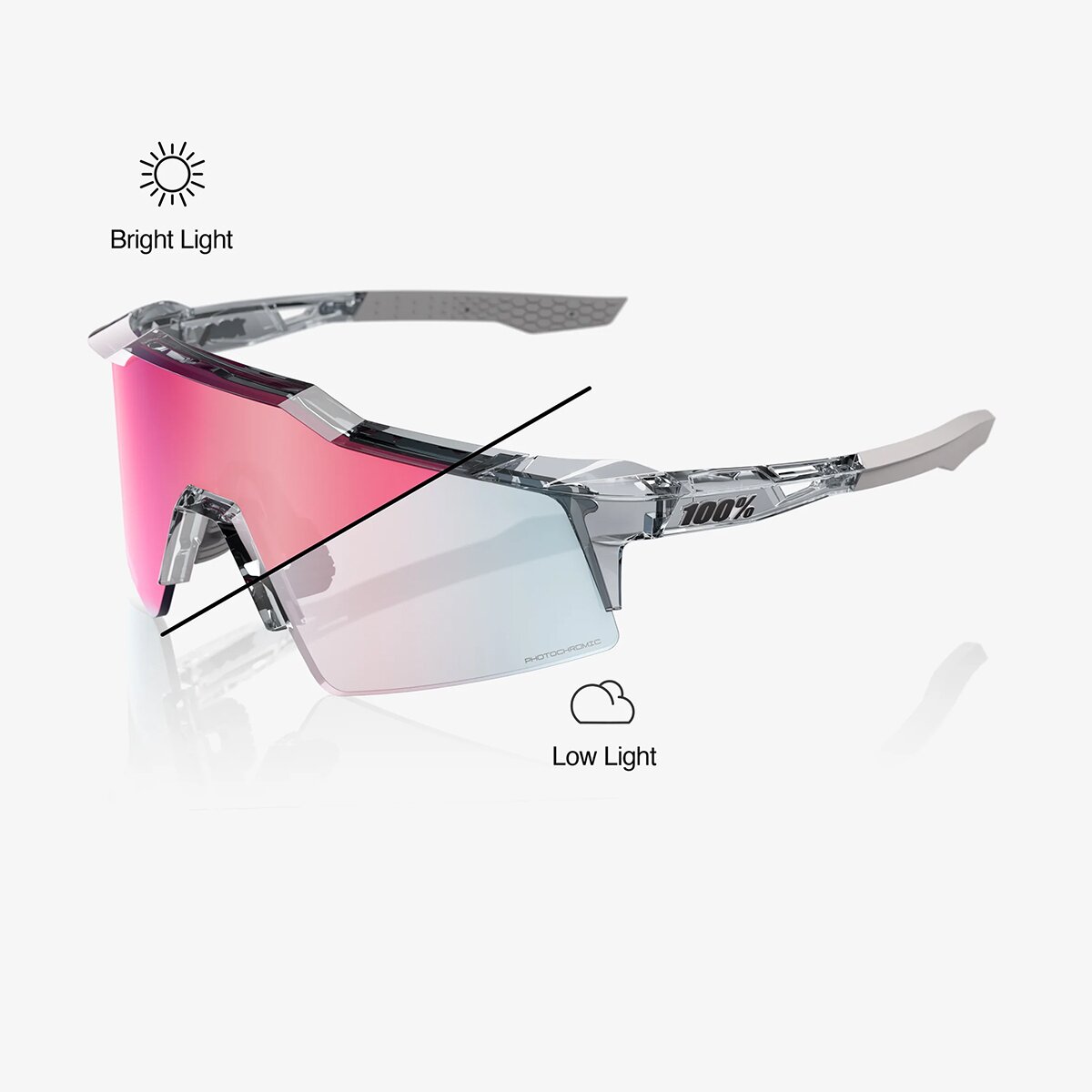
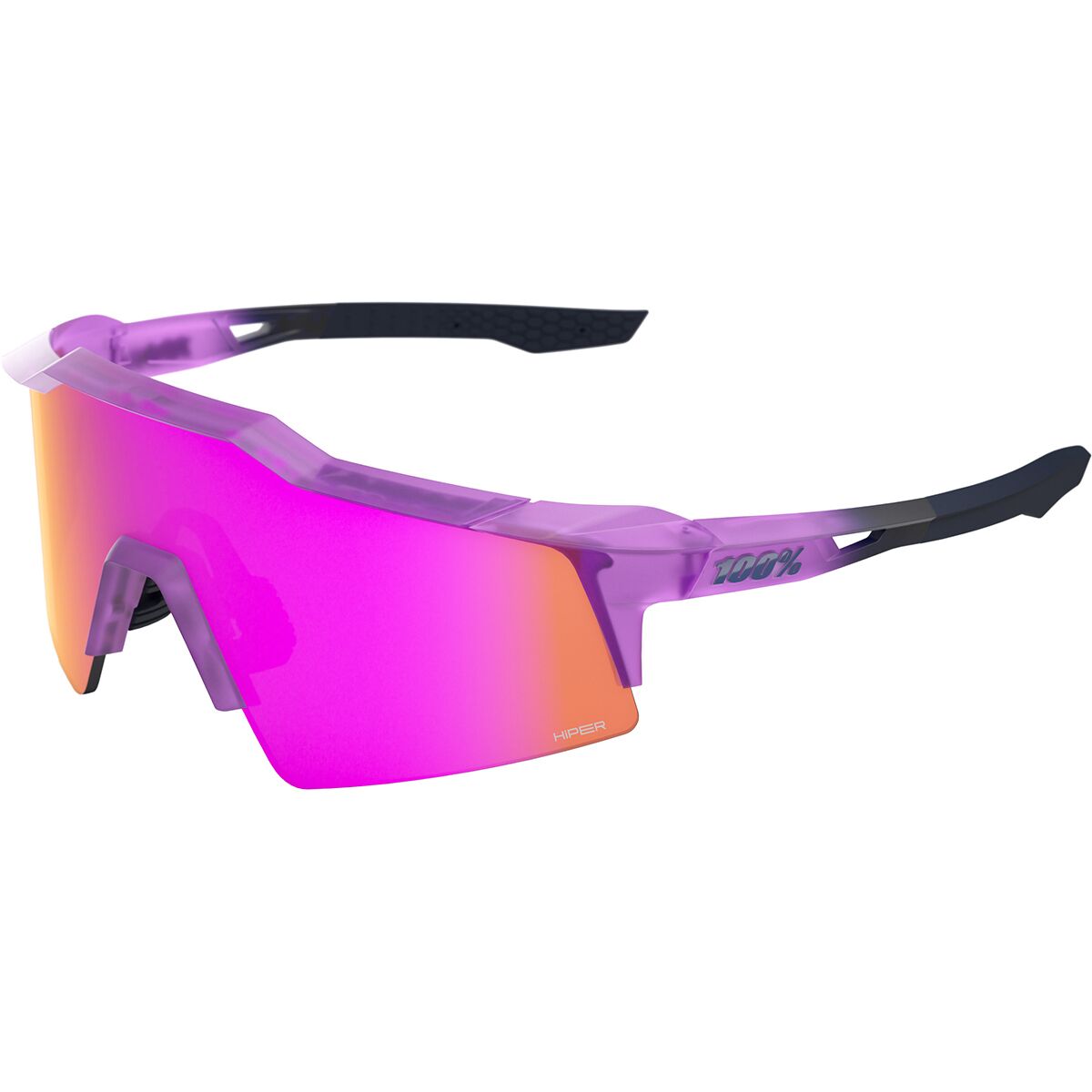
Speedcraft SL Sunglasses
3 colors
$149.00 - $159.95

100%
Airmatic2 Gloves
4 colors
$44.95

100%
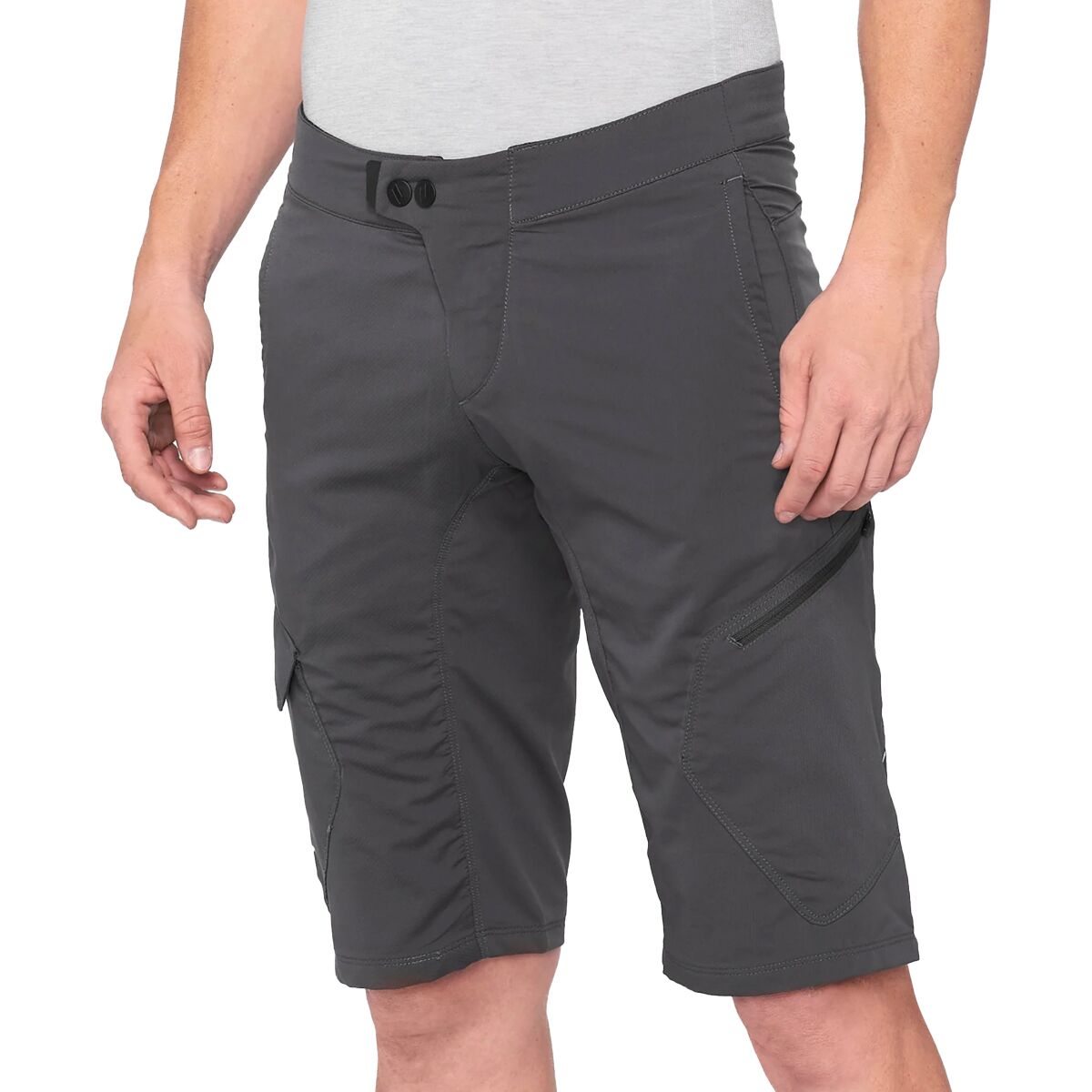
Celium Short - Men's
1 color
Current price: $59.08 - $69.50 Original price: $139.00
Up to 57% off
Bike Sale | Ends 10/31

100%
Hypercraft SQ Sunglasses
1 color
$159.95
(3)

100%
ACCURI 2 Enduro Goggle
5 colors
$59.95
(1)

100%
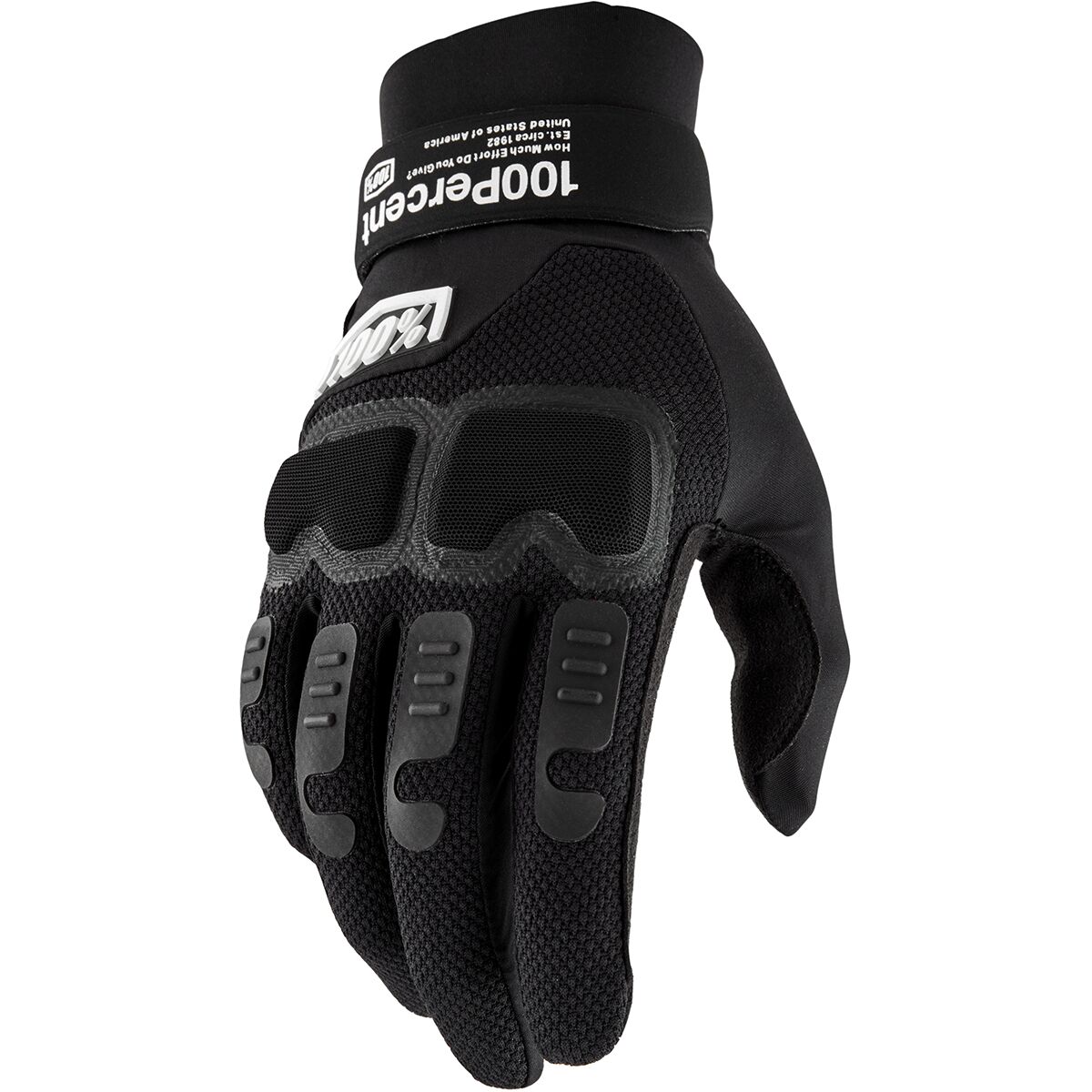
Langdale Glove - Men's
4 colors
$49.95
(1)

100%
Speedcraft XS Sunglasses
5 colors
$83.30 - $179.95
Up to 30% off
Bike Sale | Ends 10/31
(1)

+8
100%
ACCURI 2 Goggles
12 colors
$49.95 - $180.00
(25)

100%
Sling MX Gloves - Men's
1 color
$44.95
(5)

100%
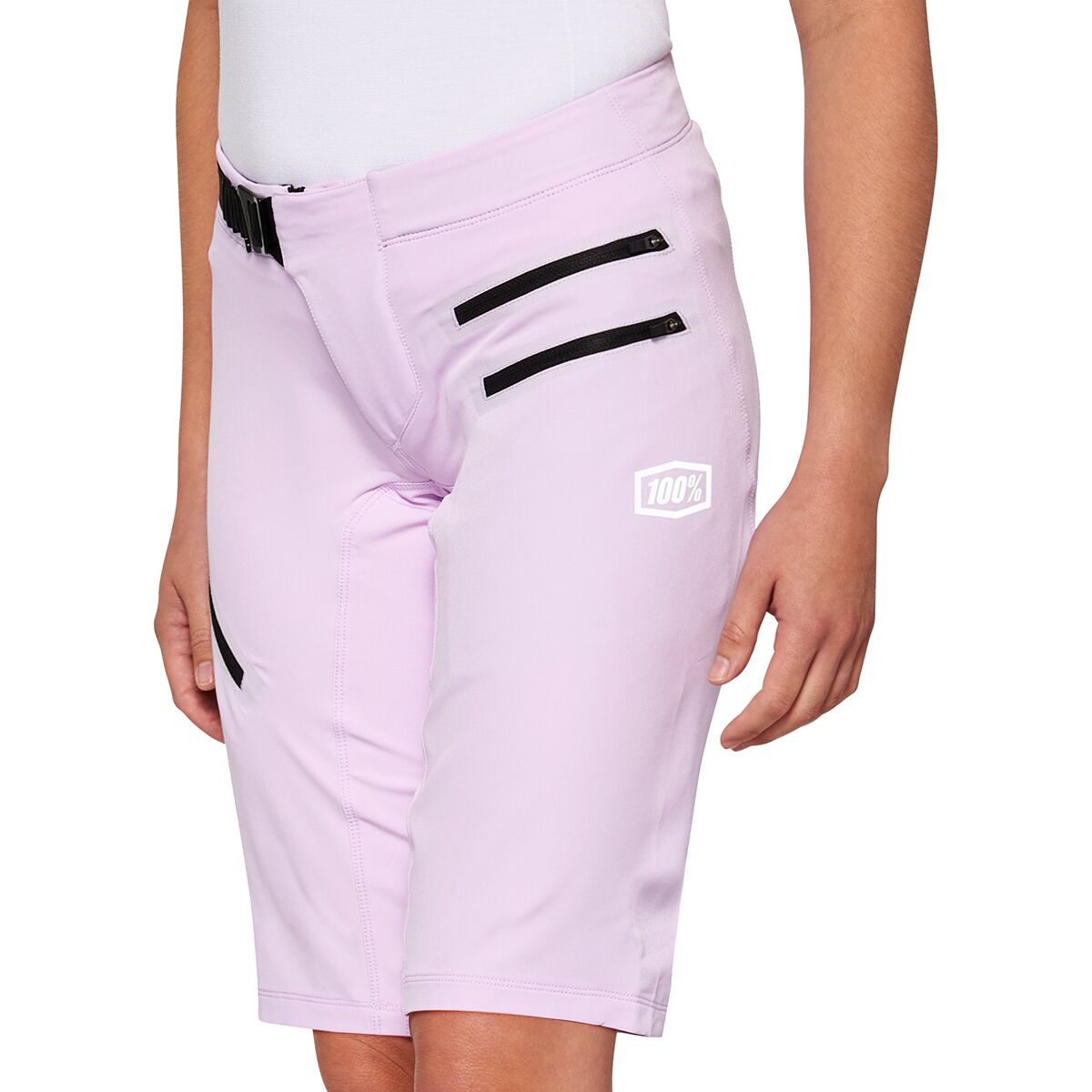
Ridecamp Short - Women's
1 color
Current price: $34.16 Original price: $69.00
50% off
Bike Sale | Ends 10/31


100%
Ridecamp Glove - Men's
4 colors
$29.95
(13)

100%
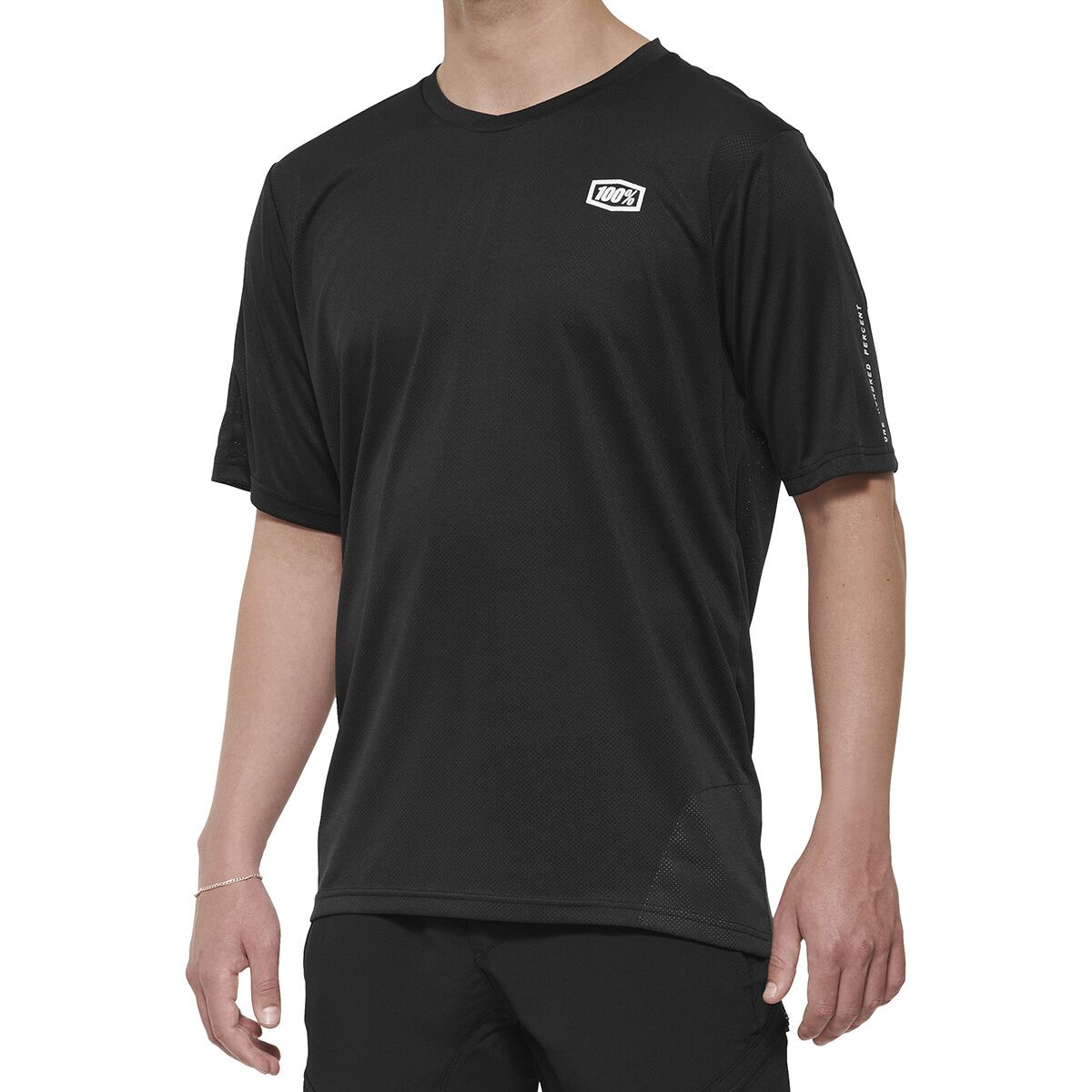
Airmatic Short-Sleeve Jersey - Men's
1 color
Current price: $20.52 Original price: $54.00
62% off
Bike Sale | Ends 10/31

100%
R-Core Glove - Men's
1 color
Current price: $14.60 Original price: $36.50
60% off
Bike Sale | Ends 10/31
(1)

100%
iTrack Glove - Men's
2 colors
$34.95

100%
Ridefit Glove - Men's
4 colors
$39.95

100%
Ridecamp Short-Sleeve Jersey - Men's
1 color
$39.00

100%
Ridecamp Short - Men's
2 colors
$69.00

100%
R-Core X DH Long-Sleeve Jersey - Men's
1 color
$79.00

100%
Cognito Smart Shock Glove - Men's
3 colors
$44.95

+3
100%
Armatic Goggle
7 colors
$89.95 - $180.00

100%
Airmatic Short-Sleeve Jersey - Men's
3 colors
$49.00

100%
Airmatic Short - Men's
1 color
$99.00

100%
Airmatic Long-Sleeve Jersey - Men's
1 color
$59.00

100%
Korbin Sunglasses
5 colors
$179.00 - $209.00

100%
Slendale Sunglasses
1 color
$119.95
(2)

100%
Aerocraft Sunglasses
2 colors
$189.00 - $209.00

100%
R-Core X DH Pant - Men's
1 color
$149.00

100%
Armega Hiper Goggles
2 colors
$129.95 - $180.00
(18)

100%
Westcraft Sunglasses
1 color
$119.00

+2
100%
Speedcraft Sunglasses
6 colors
$149.00 - $189.95

100%
S2 Sunglasses
1 color
$149.95
(1)

100%
Norvik Sunglasses
2 colors
$119.95 - $139.00

100%
HyperCraft Sunglasses
5 colors
$149.95 - $169.00
(1)

100%
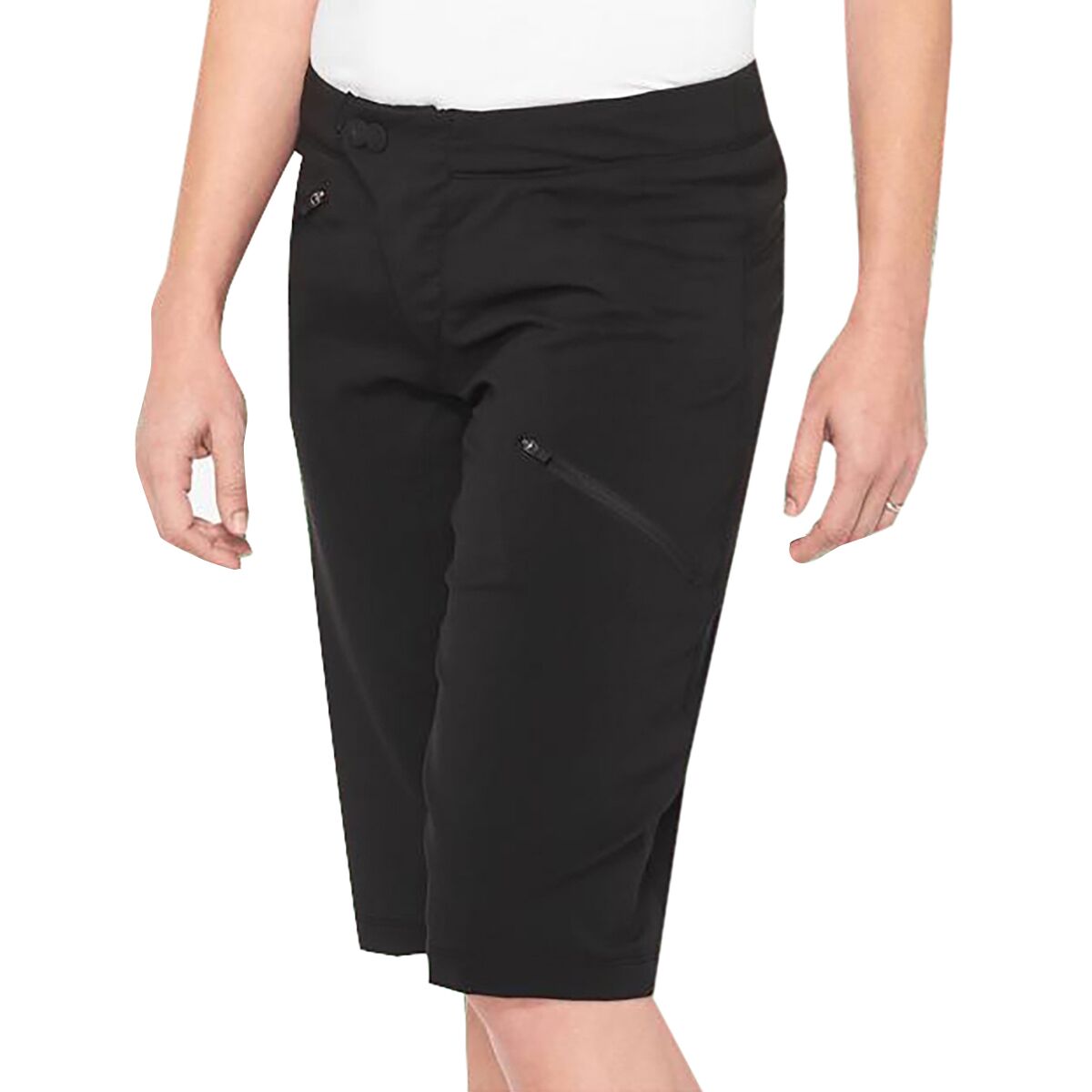
RideCamp Short with Liner - Women's
1 color
$99.00

100%
ACCURI 2 Sand Goggle
3 colors
$59.95
(5)

100%
Armega Goggles
5 colors
$109.95 - $119.95
(26)

100%
Ridecamp Youth Glove - Kids'
2 colors
$29.95
Related Categories


Frequently Asked Questions
How do I choose between mountain, road, and gravel bikes for my riding?
Match the bike type to the terrain and priorities: road bikes (e.g., carbon endurance frames or Shimano 105/Ultegra-equipped models) prioritize speed and efficiency on pavement, gravel bikes (like the Specialized Diverge or Cannondale Topstone with Shimano GRX) balance comfort and tire clearance for mixed surfaces, and mountain bikes (hardtail or full‑suspension trail bikes such as the Trek Fuel EX or Specialized Stumpjumper) focus on traction, suspension, and durability off‑road. Consider typical ride length, expected surface (singletrack vs. packed dirt vs. pavement), and how aggressive you want your position to be. If you plan mixed surfaces and bikepacking, prioritize tire clearance and mounting points; if you race on pavement, prioritize lightweight frames and aero fit.How should I size a bike and choose the right wheel size?
Start with the brand’s size chart (height, inseam, reach/stack) and confirm with standover clearance and a test ride to check comfort in your intended position; road/gravel frames require more precise reach/stack fit than most mountain bikes. For wheel size: 29" wheels roll over obstacles and suit taller riders and XC/trail bikes, while 27.5" wheels accelerate quicker and can be more playful on tight, technical trails; gravel bikes often offer 700c or 650b options depending on tire width preference. Always measure reach, saddle setback, and handlebar width to avoid a cramped or over‑stretched cockpit.How does a hardtail compare to a full‑suspension mountain bike?
Hardtails (front suspension only) are lighter, simpler, and often more efficient for cross‑country climbs and smoother trails, making models like the Trek Procaliber or many alloy trail hardtails popular for beginners and racers. Full‑suspension bikes provide more traction, control, and comfort on rough, technical descents and longer rides, with travel and frame kinematics tuned for disciplines from trail to enduro (examples include the Specialized Stumpjumper or bikes with 120–160mm travel). Choose a hardtail if you prioritize low maintenance and climbing efficiency, and a full‑suspension if you’ll ride rough, rocky, or steep terrain frequently.Which drivetrain, brake, and tire specs should I prioritize for trail and enduro riding?
For trail and enduro, prioritize a modern 1x drivetrain (SRAM NX/GX/XX1 or Shimano SLX/XT/XTR) for a wide gear range and simpler shifting, paired with a robust cassette for low climbing gears. Use hydraulic disc brakes with larger rotors (typically 180–203mm front, 160–180mm rear) for consistent stopping power under load, and spec tubeless setups with tires in the 2.3–2.6" range (or mixed 29"/27.5"+ configurations) for puncture resistance and traction. Also check fork and shock models (e.g., RockShox Pike/Fox 36, Fox Float/DPX2) and service intervals when comparing builds.What features matter most when choosing a gravel or adventure bike for mixed terrain and bikepacking?
Look for generous tire clearance (700x40–45mm or ability to run 650b with wider rubber), multiple frame and fork mounting points for racks and bottles, thru‑axles, and reliable hydraulic disc brakes for wet conditions. A gravel‑specific groupset like Shimano GRX or wide‑range 1x drivetrains offer lower gearing for climbs, while a relaxed geometry with stable handling and flared drop bars improves control on loose surfaces. Durable wheelsets and the ability to run tubeless setups are key for comfort and fewer flats on long, remote rides.