


20% Off Full-Price Items
Ends 11/1
Ski & Snowboard Gear On Sale
Shop up to 40% off
Spend $200, Get $30 Cash Back
Summit+ only | Shop kids'
Carhartt
84 results

Carhartt
Bartlett Jacket - Men's
5 colors
(1583)

Carhartt
J140 Loose Firm Duck Ins Flannel-Lined Active Jacket - Men's
3 colors
(228)

Carhartt
Duck Detroit Jacket - Men's
2 colors
(765)

Carhartt
Midweight Full-Zip Hooded Sweatshirt - Men's
4 colors
(810)

+3
Carhartt
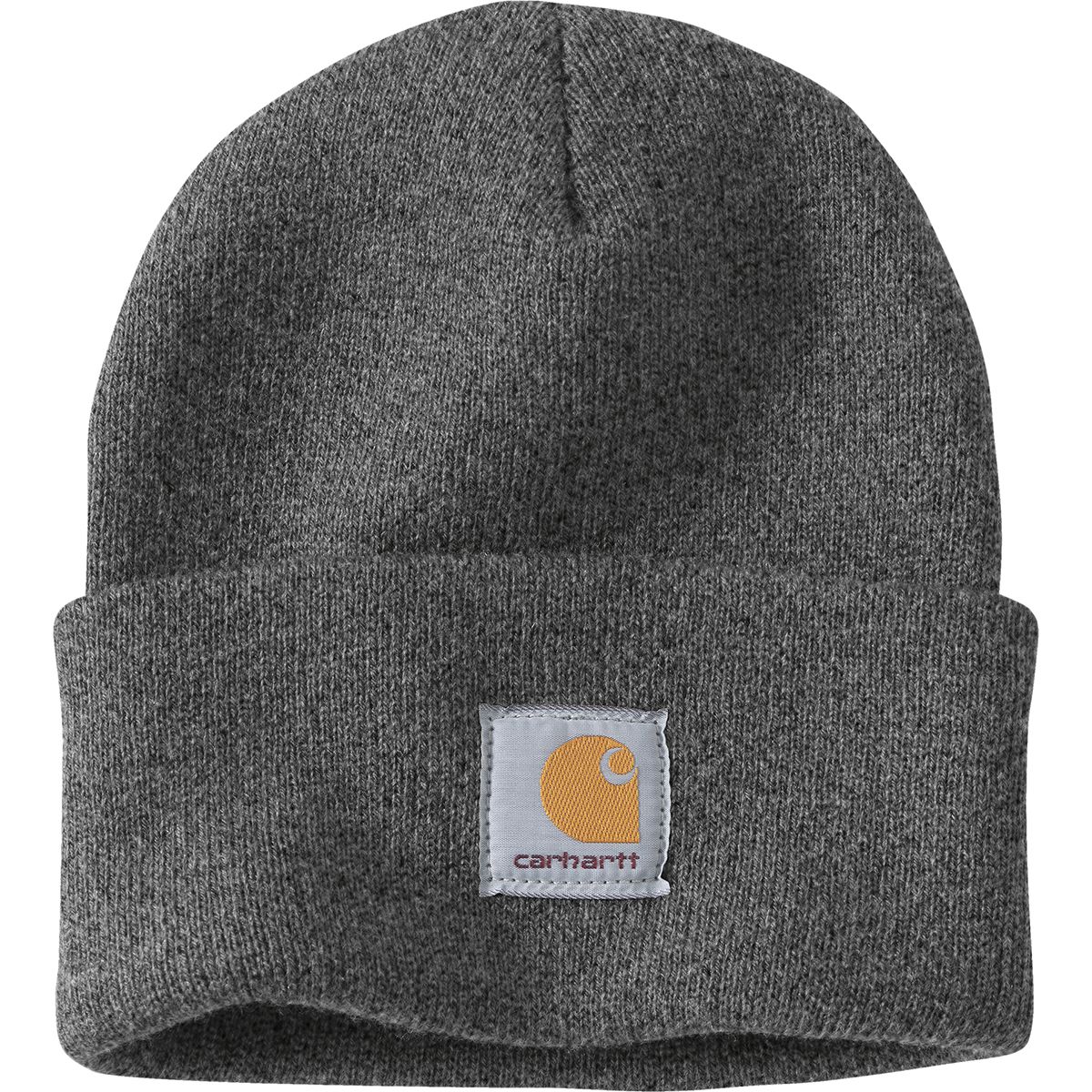
Knit Cuffed Beanie
7 colors
(2123)

Carhartt
Rain Defender Paxton Full-Zip Hooded Sweatshirt - Men's
3 colors
(853)

+4
Carhartt
Workwear Loose Fit Pocket Short-Sleeve T-Shirt - Men's
8 colors
(4177)

Carhartt
Sherpa-Lined Mock-Neck Vest - Men's
3 colors
(757)

Carhartt
Rugged Flex Relaxed Fit Canvas Fleece Shirt Jacket - Men's
2 colors
(117)

Carhartt
Relaxed Straight Rugged Flex Duck Dungaree - Men's
5 colors
(292)

Carhartt
Relaxed Fit MW Garment Dyed FT Graphic Sweatshirt - Men's
3 colors
(53)

Carhartt
OJ392 Washed Duck Sherpa Lined Hooded Jacket - Men's
2 colors
(807)

Carhartt
Gilliam Insulated Jacket - Men's
3 colors
(574)

Carhartt
Relaxed Straight Rigby Dungaree - Men's
4 colors
(1321)

Carhartt
Relaxed Fit Flannel Sherpa-Lined Shirt Jacket - Men's
1 color
(29)

Carhartt
Steel Braddock Jacket - Men's
1 color

+2
Carhartt
Workwear Pocket Long-Sleeve T-Shirt - Men's
6 colors
(1628)

Carhartt
Denim Detroit Jacket - Men's
1 color

Carhartt
R01 Duck Bib Overall Pant - Men's
4 colors
(1187)

Carhartt
Gilliam Active Jac - Men's
4 colors
(77)

Carhartt
Rain Defender Paxton Hooded Mock-Zip Sweatshirt - Men's
4 colors
(1659)

Carhartt
Midweight Pullover Hooded Sweatshirt - Men's
5 colors
(1002)

Carhartt
Watch Cap Graphic Beanie
2 colors

Carhartt
RelaxedFit MW 1/2-Zip Pocket Sweater Fleece Pullover - Men's
4 colors
(34)

Carhartt
Rain Defender Loose Fit MW Insulated Vest - Men's
2 colors
(56)

Carhartt
Gilliam Vest - Men's
4 colors
(486)

Carhartt
Storm Defender Loose Fit Lightweight Jacket - Men's
2 colors
(20)

Carhartt
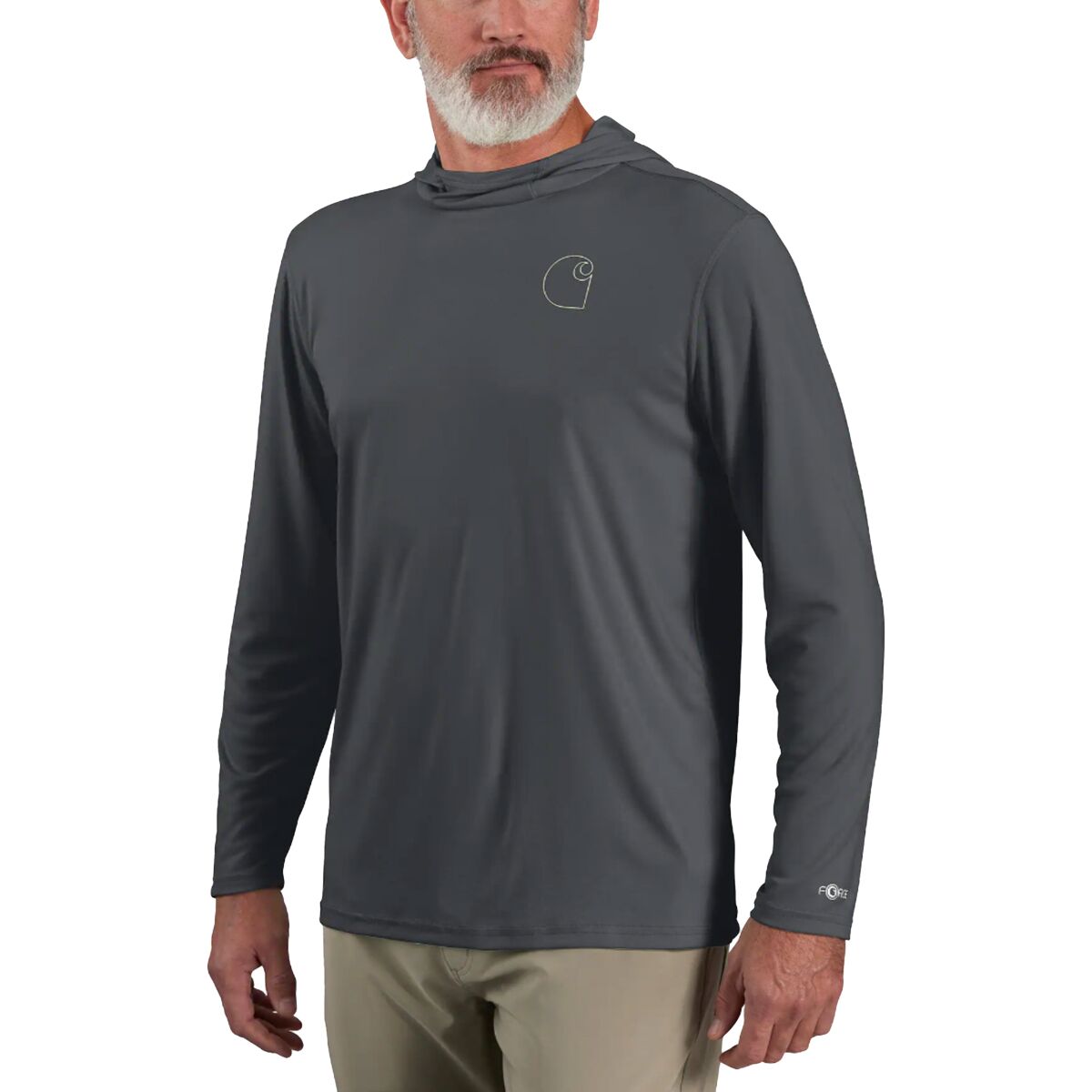
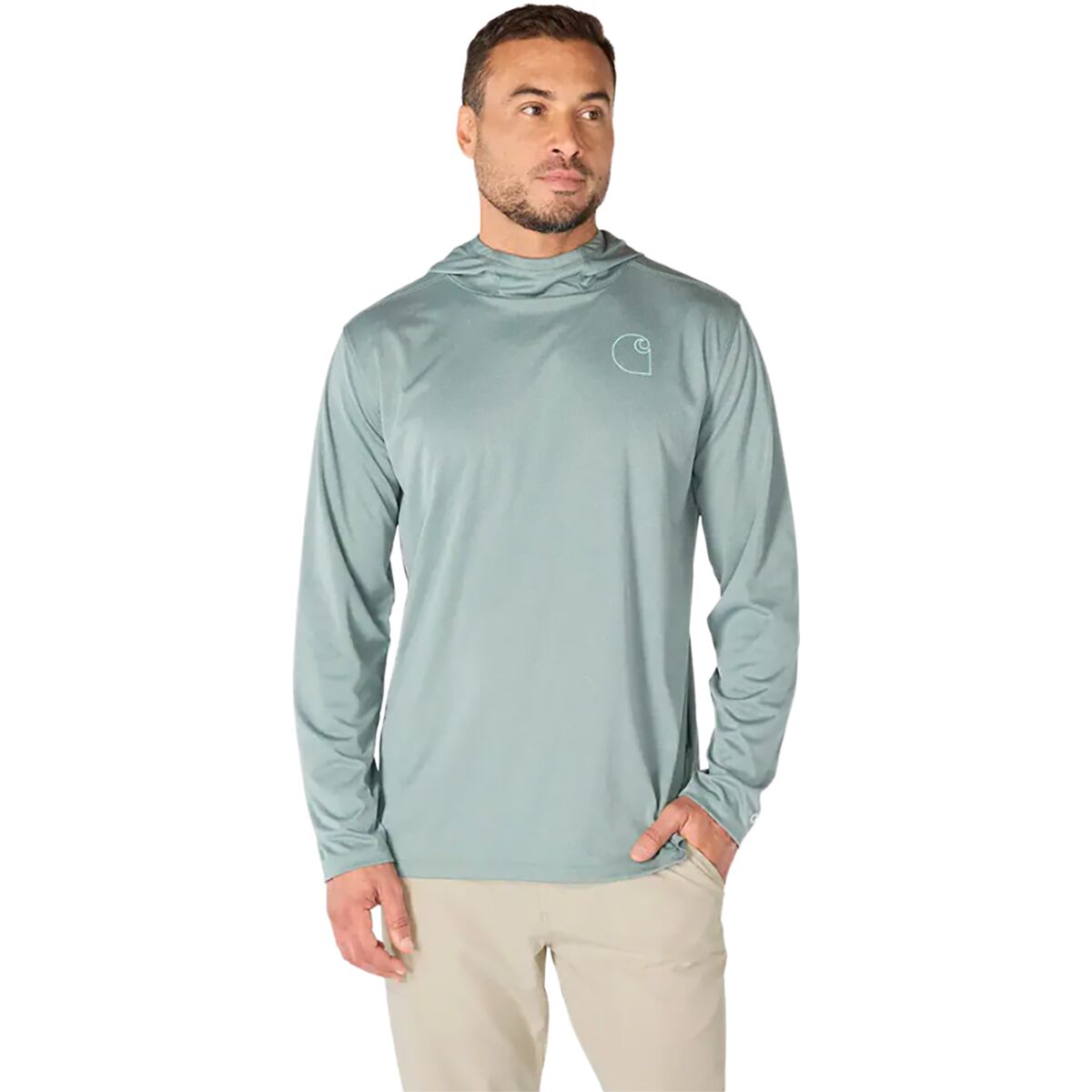
Force Sun Defender Relaxed Fit LW LS Shirt - Men's
2 colors
(13)

Carhartt
Knit Waffle Beanie
3 colors
(5)

Carhartt
Knit Rubber Patch Beanie
2 colors
(19)


+5
Carhartt
Midweight Signature Sleeve Hooded Sweatshirt - Men's
9 colors
(2200)

Carhartt
Relaxed Rugged Flex Duck Double-Front Dungaree - Men's
4 colors
(319)

Carhartt
Hamilton Relaxed Long-Sleeve Plaid Shirt - Men's
2 colors

Carhartt
Relaxed Straight Rigby Pant - Men's
3 colors
(526)

Carhartt
Hubbard Plaid Shirt Jacket - Men's
3 colors

Carhartt
Rugged Flex Relaxed LW Stretch Insulated Jacket - Men's
2 colors
(9)

Carhartt
Relaxed Straight Rugged Flex Jean - Men's
2 colors
(517)

Carhartt
Loose Fit Firm Duck Insulated Bib Overall - Men's
3 colors
(43)

Carhartt
Relaxed Tapered Force Ripstop Cargo Pant - Men's
3 colors

Carhartt
Rain Defender Paxton Heavyweight Pullover Hoodie - Men's
2 colors
(2217)

Carhartt
Montana Bozeman Relaxed Short-Sleeve Plaid Shirt - Men's
2 colors

Carhartt
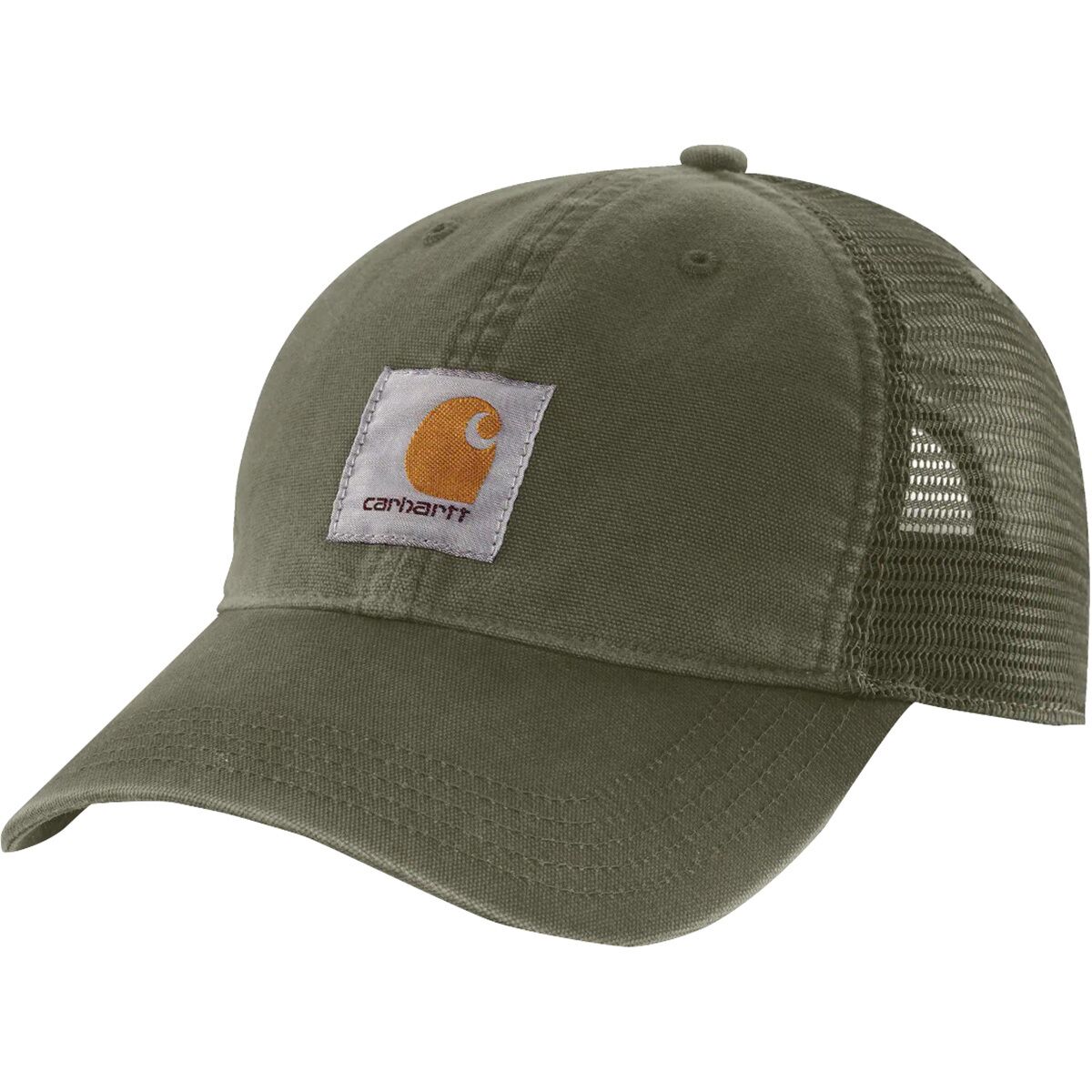
Rugged Flex Twill Mesh-Back Logo Patch Cap
2 colors
Hat Bundle | Buy 3 & Save 20%
(17)
Related Categories



Frequently Asked Questions
What materials and construction features make Carhartt gear hold up on heavy-duty jobs?
Carhartt builds durability with 12‑oz Classic Cotton Duck canvas on Firm Duck jackets and trousers, triple‑stitched seams, and Cordura® nylon reinforcements (commonly 1.75‑oz in high‑wear areas like pockets and knees). Many shells use water‑repellent coatings on nylon and undergo factory testing for snag, abrasion, and bursting strength to stand up to trades, ranching, and construction work.How do Carhartt Force® and Force Sun Defender™ garments perform for long, hot, sunny shifts?
Force® uses FastDry moisture‑wicking and StainBreaker odor‑fighting finishes to move sweat and dry quickly, and many Force pieces offer UPF ~25 for basic sun protection. Force Sun Defender™ combines that performance with UPF 50+ sun protection and ultralight constructions (e.g., ~4‑oz hoodies), making them a better choice for extended sun exposure.Should I pick Original Fit or Relaxed Fit, and how should I size Carhartt for layering?
Original Fit is roomier to accommodate bulkier layering like insulated liners or heavy duck shirts, while Relaxed Fit is closer to the body and often includes stretch features like Rugged Flex® for improved mobility during squatting and reaching. For cotton duck items expect initial stiffness and a break‑in period; consult the product‑specific size chart and choose based on how much insulation or movement room you need.How does a Classic Cotton Duck (Firm Duck) jacket compare to Rugged Flex® or Cordura‑reinforced Extremes pieces?
A Firm Duck jacket emphasizes abrasion and snag resistance with heavyweight 12‑oz canvas and a more traditional, break‑in feel, whereas Rugged Flex® versions trade some stiffness for mechanical stretch to improve range of motion on the job. Extremes or Cordura‑reinforced styles add lightweight nylon reinforcements in high‑wear zones for extra abrasion resistance, making them preferable where repeated contact or crawl‑work would prematurely wear plain duck.When should I choose FR Carhartt or Base Force base layers for cold or hazardous work?
Choose FR Carhartt apparel when you face arc‑flash or flash‑fire hazards—FR lines are designed to meet NFPA 70E and NFPA 2112 safety standards and are intended for electrically or thermally risky environments. Use Base Force base layers and Carhartt’s warmth‑rated system when working in cold conditions: pick the warmth level and layer strategy based on the job’s temperature range and activity level to balance insulation and moisture control.