


Up To 20% Off Full-Price Items
Shop now
EXTRA 20% Off Clearance
Shop now | Ends 11/9
Get An EXTRA $50 Cash Back*
Summit+ exclusive
Orvis Fishing
67 results

Orvis
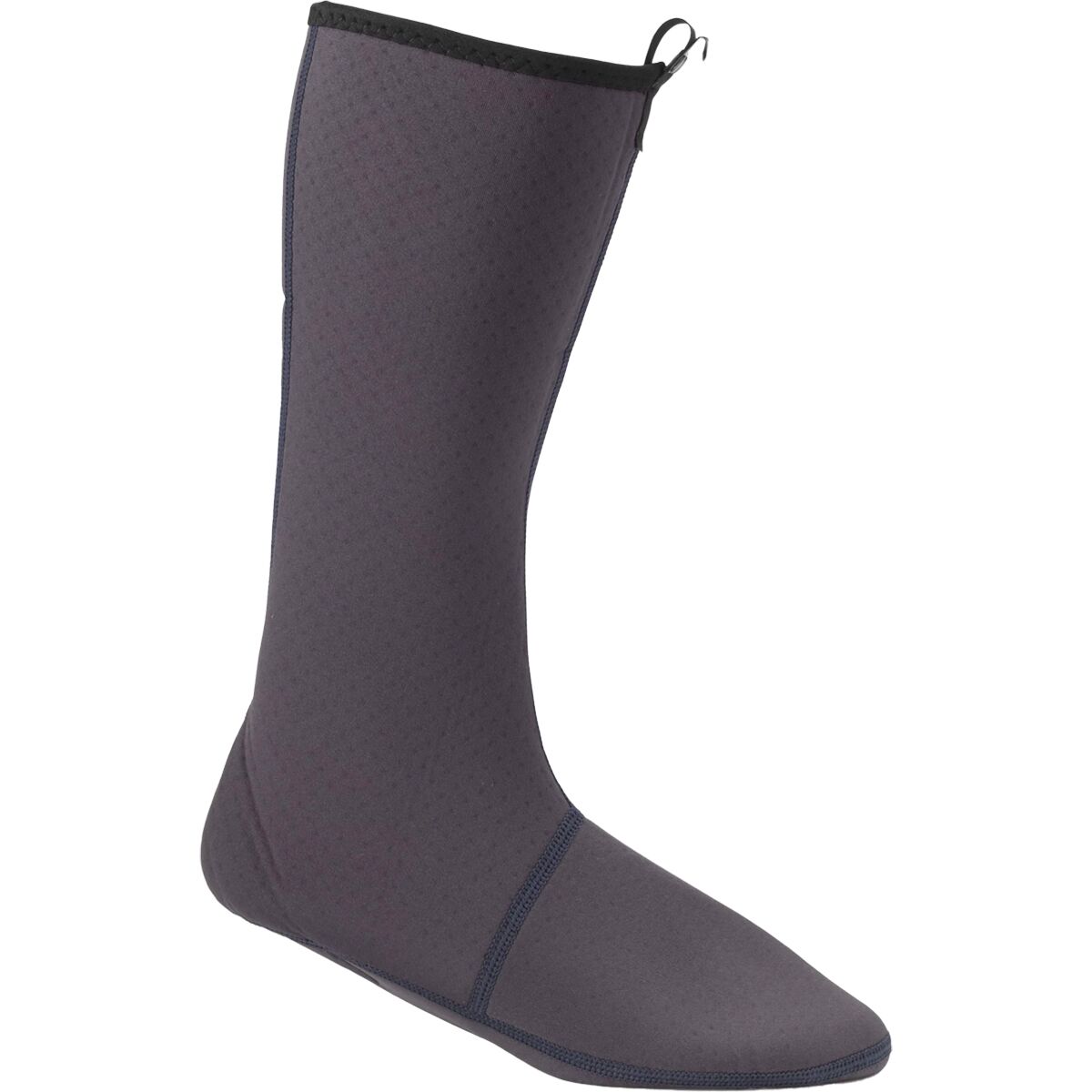
Neoprene 3mm Guard Sock
1 color
Discount Applies In Cart | Ends 11/16

Orvis
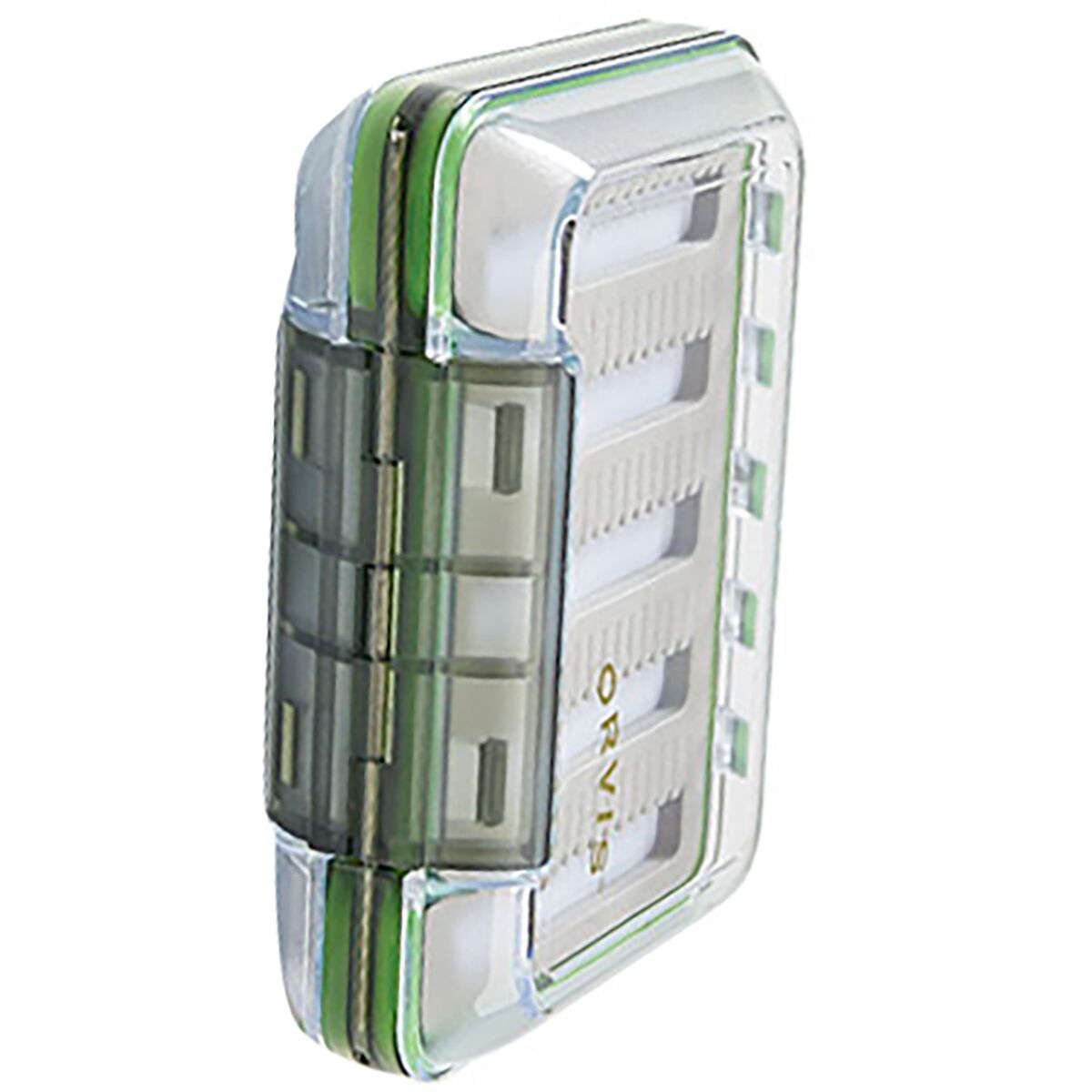
Double Sided Fly Box
1 color
Discount Applies In Cart | Ends 11/16

Orvis
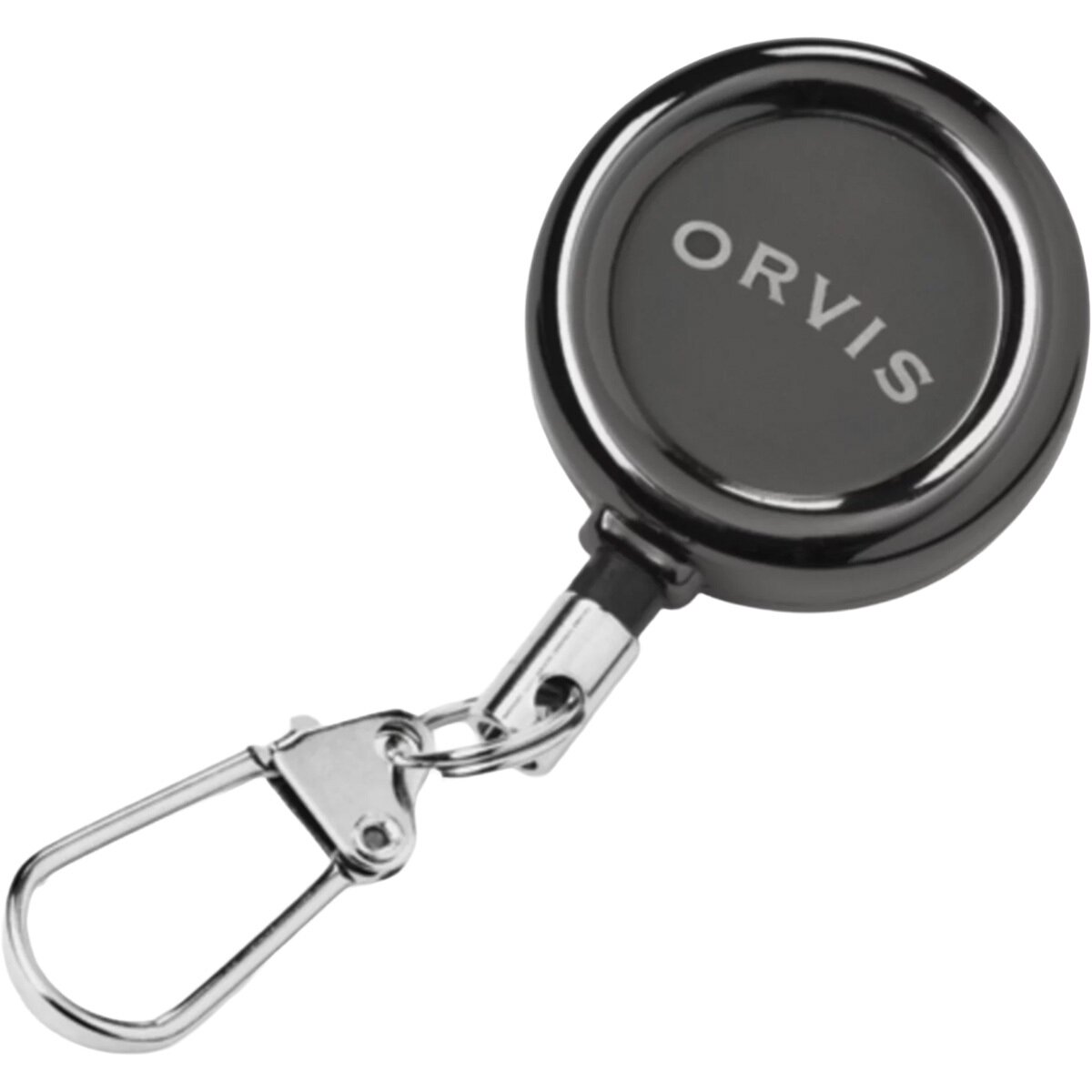
Flow Zinger
1 color
Discount Applies In Cart | Ends 11/16

Orvis
Pro Waterproof Sling Pack
1 color
Discount Applies In Cart | Ends 11/16
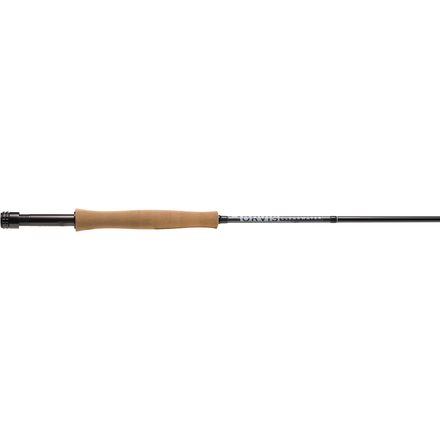
Orvis
Clearwater 906 Fly Rod - 4 Piece
1 color
Discount Applies In Cart | Ends 11/16

Orvis
Orvis Sunglove
1 color
Discount Applies In Cart | Ends 11/16

Orvis
Bug Out 25L Backpack
2 colors
Discount Applies In Cart | Ends 11/16

Orvis
River Essentials Kit
1 color
Discount Applies In Cart | Ends 11/16

Orvis
Chest/Hip Pack
1 color
Discount Applies In Cart | Ends 11/16

Orvis
Zinger
1 color
Discount Applies In Cart | Ends 11/16

Orvis
Orvis Split Shot Assorted
1 color
Discount Applies In Cart | Ends 11/16

Orvis
Leader Straightener
1 color
Discount Applies In Cart | Ends 11/16

Orvis
Neoprene 0.5mm Wading Sock
1 color
Discount Applies In Cart | Ends 11/16
(2)

Orvis
Stream Thermometer
1 color
Discount Applies In Cart | Ends 11/16

Orvis
Loaded Vest/Pack Components
1 color
Discount Applies In Cart | Ends 11/16

Orvis
Pro Approach Shoe
1 color
Discount Applies In Cart | Ends 11/16
(1)

Orvis
Ultralight Jacket - Women's
1 color
Discount Applies In Cart | Ends 11/16
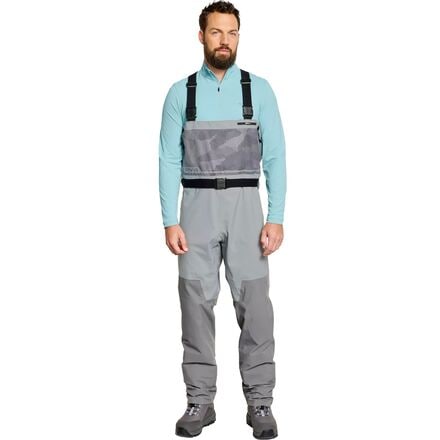
Orvis
Pro LT Wader - Men's
1 color
Discount Applies In Cart | Ends 11/16
(1)

Orvis
Pro Waterproof Hip Pack
1 color
Discount Applies In Cart | Ends 11/16

Orvis
Pro Hybrid Wading Boot
1 color
Discount Applies In Cart | Ends 11/16

Orvis
Pro Zipper Wader - Men's
1 color
Discount Applies In Cart | Ends 11/16
(1)

Orvis
Loaded Lanyard
1 color
Discount Applies In Cart | Ends 11/16

Orvis
Flow Nipper
1 color
Discount Applies In Cart | Ends 11/16

Orvis
Orvis Lanyard
1 color
Discount Applies In Cart | Ends 11/16

Orvis
Clearwater Boot - Women's
1 color
Discount Applies In Cart | Ends 11/16
Related Categories
Frequently Asked Questions
How do I choose between the Orvis Superfine Carbon, Recon, and Helios rods for trout fishing?
The Superfine Carbon is a soft-touch, slow/soft-action blank best suited to light 4-weights and delicate dry‑fly presentations where forgiveness and feel matter. Recon brings Helios-derived carbon technology at a more affordable price point with many mid‑flex options for all‑purpose accuracy. Helios is Orvis’s premium line (Helios F, D, and D Saltwater variants) offering higher recovery and power for longer casts and turning over larger flies.What rod weight and length should I use for dry flies, nymphing, and streamer work on trout streams?
Match rod weight to the flies and water: 4‑weight rods excel for dry‑fly work and finesse nymphing, while 5–6 weights handle larger streamers and faster currents. Length matters too—9' rods are more maneuverable in tight, pocket water, whereas 10' rods give extra reach and superior mending for larger runs and downstream presentations. Choose length/weight to balance reach, line control, and how much casting room the water affords.How does rod action (tip‑flex, mid‑flex, slow/soft) change casting and fish control with Orvis rods?
Tip‑flex (faster action) bends primarily in the tip for quicker recovery, tighter loops, and more punch at distance but can feel less forgiving on delicate presentations. Mid‑flex strikes a balance—it loads through the mid‑blank for comfortable accuracy and is common among Orvis 5‑weights. Slow/soft actions like the Superfine Carbon bend into the butt, giving smooth, forgiving casts that help protect light tippets and make precise short‑range presentations easier.Which fly lines pair best with Orvis rods for floating dries, indicator nymphing, and streamer fishing?
Always match the line weight to the rod weight first; a 4wt rod should use a 4wt line for correct loading. Use floating weight‑forward lines for dry‑fly fishing and general mending, switch to a sink‑tip or full‑sinking line for deep nymphs or streamer work depending on desired depth, and select taper (short belly vs long belly) based on whether you need quick turnover for accuracy or long distance and wind penetration. Adjust density and taper to suit current, presentation, and fly size.Should I choose a 9' or 10' Orvis trout rod based on my height, water, and skill level?
Pick a 10' rod if you fish larger runs, need extra mending ability, or want more reach for downstream or tight‑line nymphing; taller anglers often find the extra length advantageous. Opt for a 9' rod for tight, brushy streams, short accurate casts, or if you prefer easier line management—beginners often find shorter rods more forgiving in confined water. Use Orvis’s rod selector or test casts to match length to your casting comfort and the typical waters you fish.