


Fall Sale
Shop up to 40% off
Ski & Snowboard Gear On Sale
Shop up to 40% off
Spend $200, Get $30 Cash Back
Summit+ only | Shop kids'
100% Travel
11 results

100%
Speedcraft SL Sunglasses
3 colors
$149.00 - $159.95

100%
Hypercraft SQ Sunglasses
1 color
$159.95
(3)

100%
Speedcraft XS Sunglasses
5 colors
$83.30 - $179.95
Up to 30% off
Bike Sale | Ends 10/31
(1)

100%
Korbin Sunglasses
5 colors
$179.00 - $209.00

100%
Slendale Sunglasses
1 color
$119.95
(2)

100%
Aerocraft Sunglasses
2 colors
$189.00 - $209.00

100%
Westcraft Sunglasses
1 color
$119.00

+2
100%
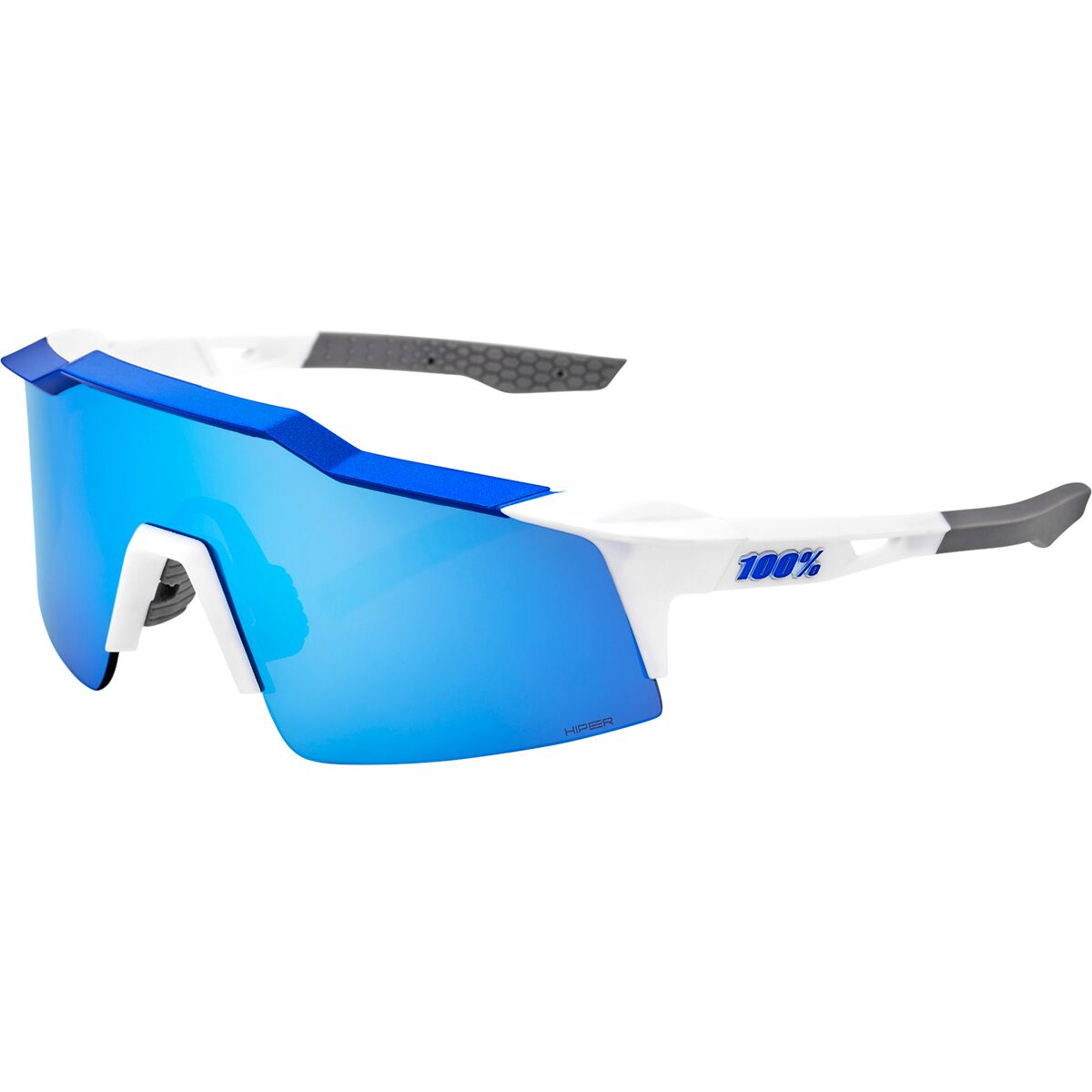
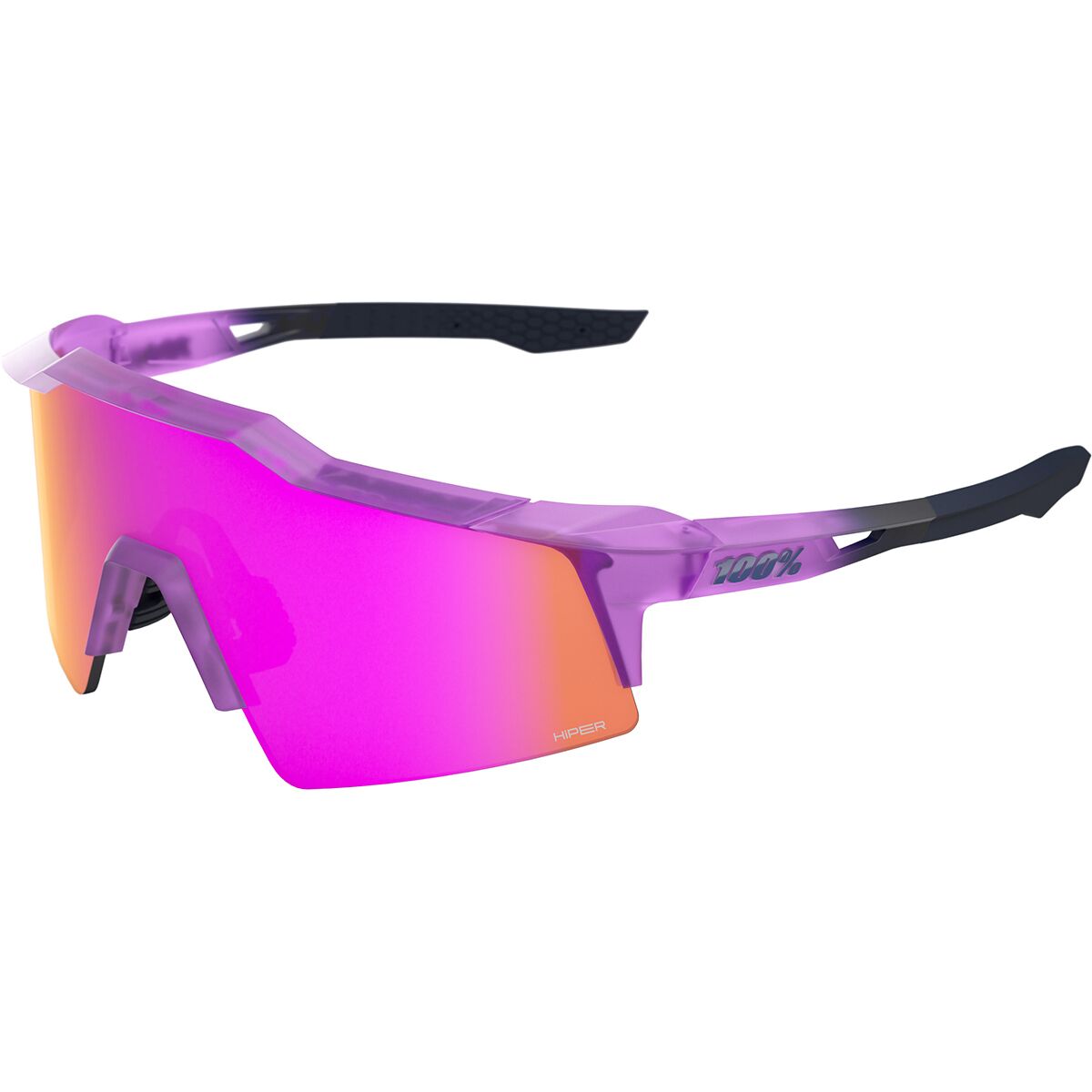
Speedcraft Sunglasses
6 colors
$149.00 - $189.95

100%
S2 Sunglasses
1 color
$149.95
(1)

100%
Norvik Sunglasses
2 colors
$119.95 - $139.00

100%
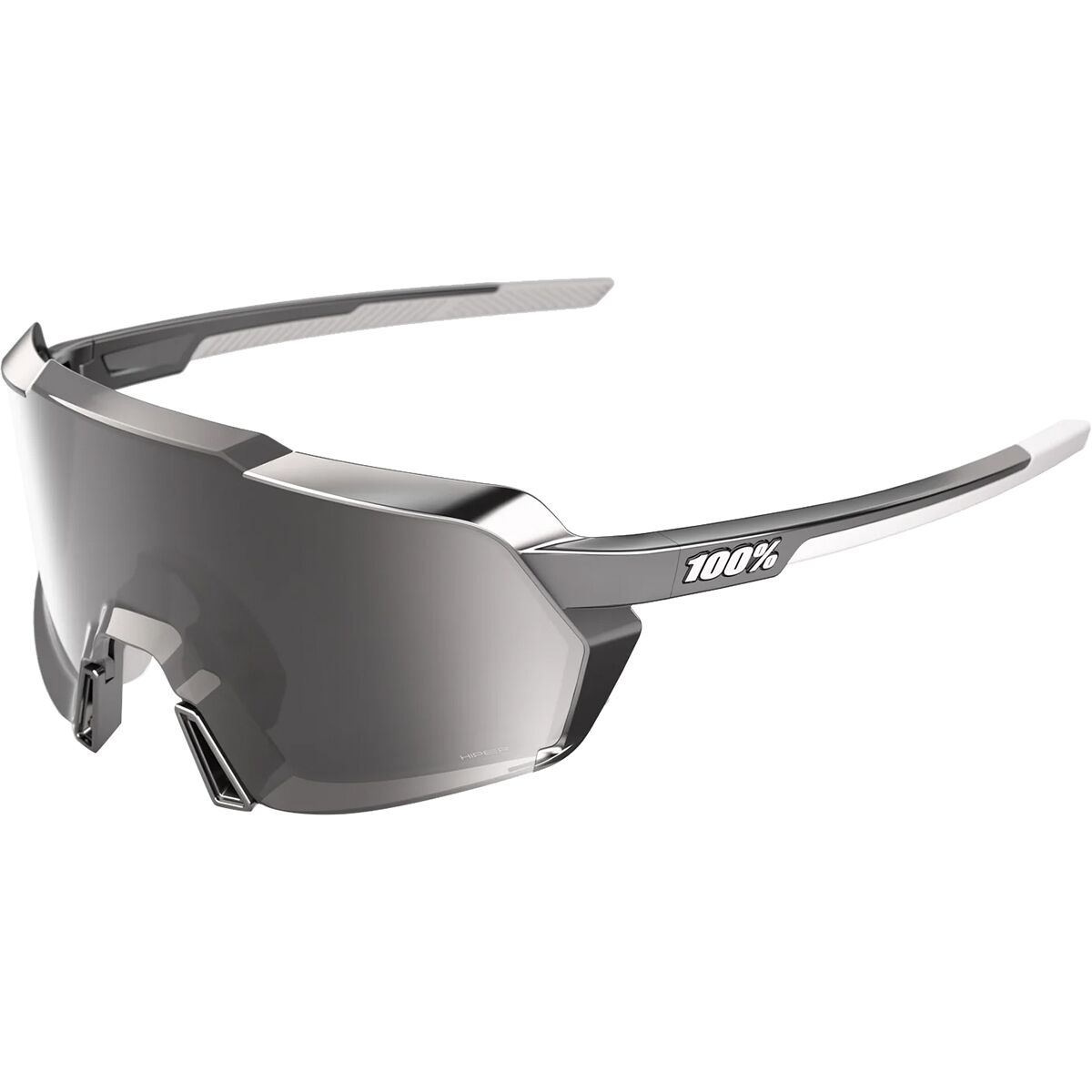
HyperCraft Sunglasses
5 colors
$149.95 - $169.00
(1)
Related Categories




Frequently Asked Questions
How do I choose between hard-shell and soft-sided luggage for adventure travel?
Hard-shell cases (polycarbonate, ABS or aluminum) offer superior impact protection for fragile gear and shed water better, while soft-sided bags (Cordura, ballistic nylon, high-denier ripstop) give more packing flexibility, external pockets, and lighter weight. Pick hard-shell if you carry cameras, laptops, or delicate kit and expect rough handling; choose soft-sided if you need to compress into tight spaces, carry extra layers, or want exterior organization. Consider hybrids (hard-panel backs with soft fronts) if you need both protection and expandability.What wheel and handle features matter most for trips that mix airports and rough streets?
For airports prioritize 360° spinners with polyurethane wheels and sealed bearings for smooth maneuvering, while inline-skate wheels with metal bearings and double-screw attachments outperform spinners on cobblestones and overland terrain. Look for replaceable wheels and a sturdy telescoping handle with a two-post design and multiple lock heights to avoid wobble and improve comfort. Also check top/side grab handles with reinforced stitching for easy lifting into cars or roof racks.How do I size a duffel or suitcase for multi-day backcountry-to-city travel?
Start by matching capacity to trip length and transport mode—carry-on sizes for short air trips, 40–70+ liters or a checked spinner/duffel for multi-week or gear-heavy travel—and confirm airline carry limits when flying. Prefer expandable sections, clamshell openings, internal compression straps, and removable dividers to adapt between adventure kit and city clothes; models like a carry-on spinner or a Maxpedition Unterduffel-style duffel demonstrate those trade-offs. Finally, weigh empty weight against packed capacity to avoid exceeding limits and to keep shoulder or wheeled comfort manageable.How does a polycarbonate carry-on spinner compare to a 1,000D Cordura soft-sided duffel for adventure travel?
A polycarbonate carry-on spinner offers rigid impact protection, cleanability, and consistent wheel performance in airports, but it can scratch and lacks external pockets and compression. A 1,000D Cordura duffel is highly abrasion-resistant, compressible, and usually has more pockets and lash points for overland use, though it relies on chassis and wheel design for rolling durability. Choose the polycarbonate spinner when protecting fragile gear and prioritizing smooth rolling, and the Cordura duffel when you need flexibility, packability, and rugged fabric abrasion resistance.Which construction details most affect long-term durability for frequent travelers?
Prioritize YKK or high-quality self-repairing zippers, reinforced two- or three-stitch handle attachments, and high-denier fabrics (e.g., 1,000D Cordura or ballistic nylon) with durable water-repellent coatings or taped seams for weather resistance. Replaceable wheel systems, sealed bearings, metal-reinforced corner bumpers or aluminum frames, and TSA-approved locks or slash-resistant panels also extend service life under heavy use. Inspect hardware fit and finish—rivets, bar tacks, and zipper tape—to avoid common failure points like handle detachment or zipper separation.