


Fall Sale
Shop up to 40% off
Ski & Snowboard Gear On Sale
Shop up to 40% off
Spend $200, Get $30 Cash Back
Summit+ only | Shop kids'
100% Snowboard
7 results

+7
100%
Snowcraft Goggle
11 colors
$126.00 - $180.00
Up to 30% off
Ski & Snowboard Sale | Ends 10/31


+3
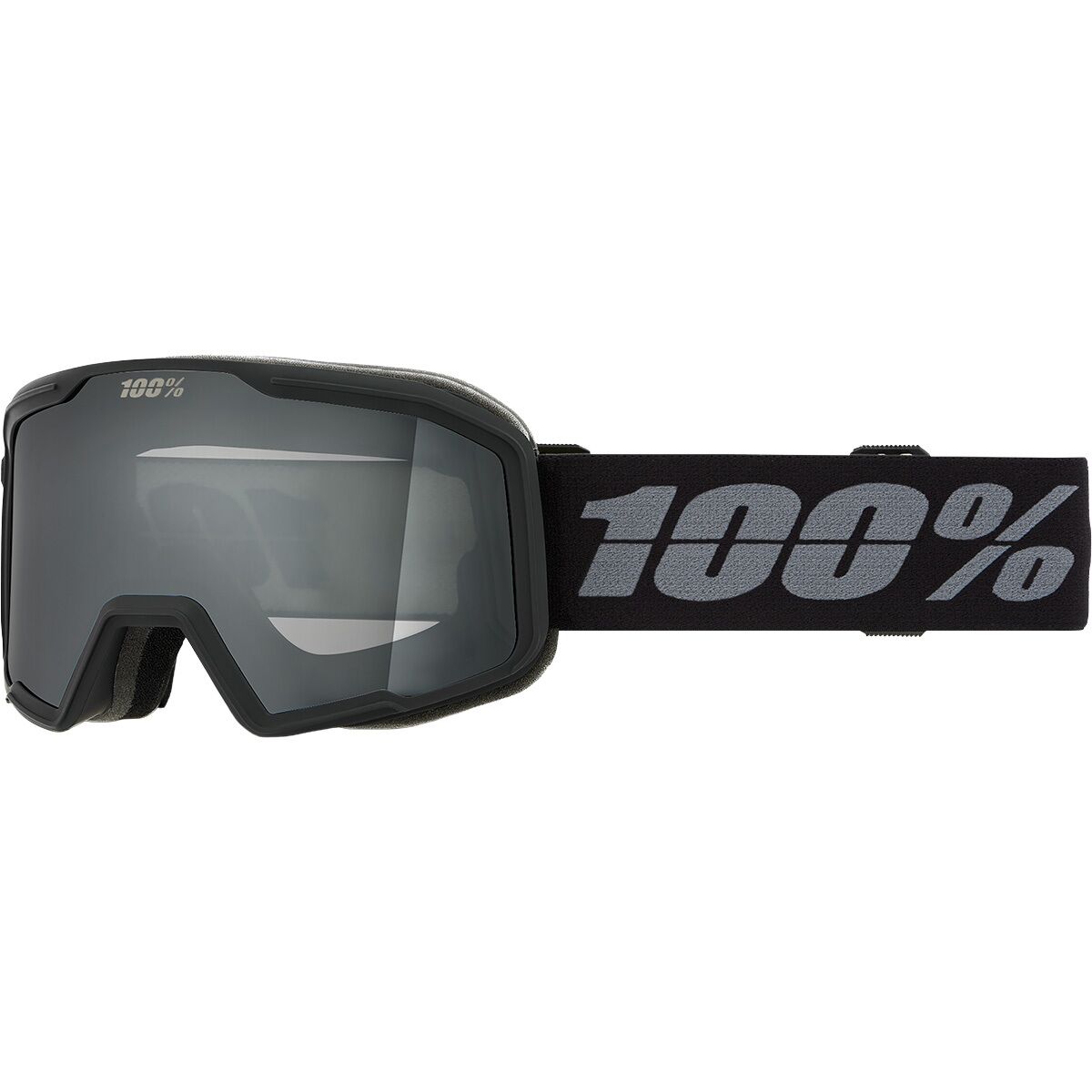
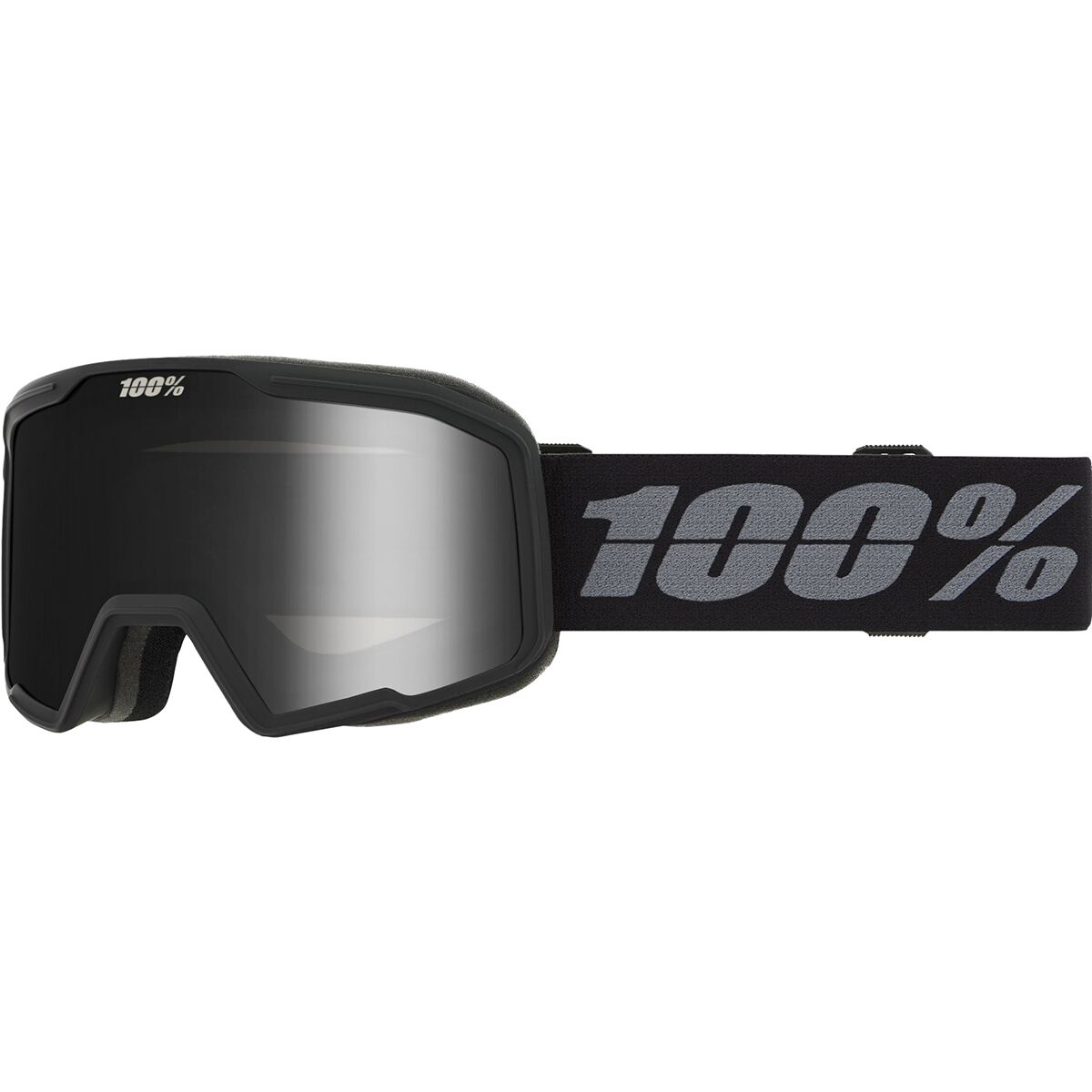
100%
Valnor Goggle
7 colors
$65.00 - $84.95

+3
100%
Snowcraft XL Goggle
7 colors
$117.00 - $180.00
Up to 35% off
Ski & Snowboard Sale | Ends 10/31

100%
Snowcraft XL AF HiPER Goggle
2 colors
Current price: $117.00 Original price: $180.00
35% off
Ski & Snowboard Sale | Ends 10/31

+3
100%
Snowcraft S Goggle
7 colors
$117.00 - $180.00
Up to 35% off
Ski & Snowboard Sale | Ends 10/31
(1)

100%
Snowcraft S AF HiPER Goggle
1 color
Current price: $117.00 Original price: $180.00
35% off
Ski & Snowboard Sale | Ends 10/31

+5
100%
Norg HiPER Goggle
9 colors
$187.50 - $250.00
Up to 25% off
Ski & Snowboard Sale | Ends 10/31
(2)
Related Categories


Frequently Asked Questions
How do camber, rocker, and hybrid profiles change a snowboard's behavior on groomers and in powder?
Camber delivers strong edge hold, pop, and stability on hardpack and high-speed carves, while rocker raises the tip and tail for easier turn initiation and better flotation in powder. Hybrid profiles (for example camber underfoot with rocker at the nose and tail) blend grip and pop with added float, making them versatile for mixed conditions.Which snowboard shapes are best for park tricks versus deep‑powder freeriding?
True twin shapes are the go‑to for park and switch riding because they offer symmetrical flex and identical tip/tail performance, while directional and directional‑twin shapes (and specialized options like swallowtails or volume‑shifted boards) prioritize a longer, larger nose for float and stability in powder. Choose a true twin or slightly softer flex for freestyle; pick a directional board with a setback stance and rocker nose for deep‑snow days.How should I choose snowboard length and waist width based on my height, weight, and boot size?
Length generally scales with rider weight and desired performance: taller/heavier or high‑speed riders usually go longer for stability, while shorter/park‑oriented riders pick shorter lengths for maneuverability. Match waist width to your boot size to avoid toe/heel drag—if your boots overhang the edge noticeably, move to a wide option—and use the manufacturer's size chart plus your typical riding terrain to fine‑tune the length.How does the Burton Custom Flying V compare to the Jones Mountain Twin for all‑mountain riding?
The Burton Custom Flying V uses Burton’s Flying V hybrid profile to combine camber pop with rocker float and is marketed as a versatile all‑mountain freestyle‑friendly board. The Jones Mountain Twin leans more toward a freeride‑informed twin/directional design with emphasis on natural‑terrain performance and a slightly surfier feel; riders who want park play plus reliable powder performance will find the Custom more playful, while those prioritizing backcountry stability may prefer the Mountain Twin.What construction features matter most for icy groomers versus soft, deep snow?
For icy groomers prioritize camber or hybrid camber zones, a stiffer flex, metal edges with traction features (e.g., Traction Tech edge bumps) and a sintered base for faster glide and better edge bite. For deep snow prioritize a rockered or directional nose, setback mounting, wider nose/waist ratios, and 3D/contoured bases or volume‑shifted shapes that increase float and reduce nose dive.