


Up To 30% Off Full-Price Items
Shop now
Up To 50% Off Winter Sale
Shop now
Ski & Snowboard Gear On Sale
Shop up to 40% off
Backcountry Hike & Camp
97 results


Backcountry
BGA Pines Microgrid Ultra-LT Baselayer Balaclava Top - Men's
3 colors
Discount Applies In Cart | Ends 11/16
(3)

Backcountry
BGA Pines Microgrid Ultra-Lt Baselayer 1/4-Zip Top - Men's
4 colors
Discount Applies In Cart | Ends 11/16
(4)

Backcountry
BGA Pines Microgrid Ultra-Lt Baselayer Bottom - Women's
3 colors
Discount Applies In Cart | Ends 11/16
(8)

Backcountry
BGA Pines Microgrid UL Baselayer 1/2-Zip Scuba Top - Men's
2 colors
Winter Sale
(5)

Backcountry
BGA Pines Microgrid Ultra-LT Baselayer Crew Top - Men's
3 colors
Discount Applies In Cart | Ends 11/16
(4)

Backcountry
BGA Slickrock Pant - Men's
5 colors
Winter Sale
(32)

Backcountry
BGA Pines Microgrid Ultra-Lt Baselayer Bottom - Men's
2 colors
Discount Applies In Cart | Ends 11/16
(9)

Backcountry
BGA Waas ALLIED Down Pant - Men's
4 colors
Discount Applies In Cart | Ends 11/16
(14)

Backcountry
BGA Waas ALLIED Down Pant - Women's
2 colors
Discount Applies In Cart | Ends 11/16
(21)

Backcountry
BGA Wasatch Ripstop Everyday Pant - Men's
4 colors
Discount Applies In Cart | Ends 11/16
(4)

Backcountry
BGA Highliner PrimaLoft Air-Perm Fleece Hoodie - Men's
5 colors
Discount Applies In Cart | Ends 11/16
(46)

Backcountry
BGA Tahoe Sun Hoodie - Women's
4 colors
Discount Applies In Cart | Ends 11/16
(94)

+7
Backcountry
BGA x Nalgene Goat Logo 32oz Wide Mouth Sustain Bottle
11 colors
Discount Applies In Cart | Ends 11/16
(3)

Backcountry
BGA Destination Softshell Fleece Pant - Men's
3 colors
Discount Applies In Cart | Ends 11/16
(18)

+2
Backcountry
BGA Wasatch Ripstop Pant - Men's
6 colors
Discount Applies In Cart | Ends 11/16
(27)

Backcountry
BGA Highliner PrimaLoft Air-Perm Fleece Hoodie - Women's
4 colors
Discount Applies In Cart | Ends 11/16
(35)

Backcountry
BGA Runoff 2.5L Rain Parka - Women's
2 colors
Winter Sale
(15)

+4
Backcountry
BGA Tahoe Sun Hoodie - Men's
8 colors
Discount Applies In Cart | Ends 11/16
(85)

Backcountry
BGA Highliner PrimaLoft Air-Perm Fleece 1/4-Zip - Women's
3 colors
Discount Applies In Cart | Ends 11/16
(9)

Backcountry
BGA Wasatch Ripstop Trail Pant - Women's
4 colors
Discount Applies In Cart | Ends 11/16
(28)

Backcountry
BGA Destination Daily Pant - Women's
5 colors
Discount Applies In Cart | Ends 11/16
(12)

Backcountry
BGA Destination Softshell Fleece Pant - Women's
4 colors
Discount Applies In Cart | Ends 11/16
(15)

Backcountry
BGA Destination Crew T-Shirt - Men's
5 colors
Discount Applies In Cart | Ends 11/16
(15)

Backcountry
BGA Destination Long-Sleeve Shirt - Women's
4 colors
Discount Applies In Cart | Ends 11/16
(16)

Backcountry
BGA Peale PrimaLoft Stitchless Baffle Stretch Jacket-Women's
3 colors
Discount Applies In Cart | Ends 11/16
(9)

Backcountry
BGA Waas LT ALLIED Down Vest - Women's
2 colors
Discount Applies In Cart | Ends 11/16

Backcountry
BGA Waas ALLIED Down Hooded Jacket - Women's
3 colors
Discount Applies In Cart | Ends 11/16
(16)

Backcountry
BGA Kanarra 2.5L Rain Pant - Men's
1 color
Winter Sale
(4)

Backcountry
BGA Destination Crew Top - Women's
5 colors
Discount Applies In Cart | Ends 11/16
(32)

Backcountry
BGA Wasatch Ripstop 3.5in Short - Women's
4 colors
Discount Applies In Cart | Ends 11/16
(67)

Backcountry
BGA Destination Softshell Fleece Utility Pant - Men's
1 color
Discount Applies In Cart | Ends 11/16


Backcountry
BGA Wasatch Ripstop Pull-On Short - Men's
3 colors
Discount Applies In Cart | Ends 11/16
(3)

Backcountry
BGA Highliner PrimaLoft Air-Perm Fleece Crew
2 colors
Discount Applies In Cart | Ends 11/16
(3)

+3
Backcountry
BGA Tahoe Sun Long-Sleeve Crew Shirt - Men's
7 colors
Discount Applies In Cart | Ends 11/16
(8)

Backcountry
BGA Highliner PrimaLoft Air-Perm Fleece 1/4-Zip - Men's
4 colors
Discount Applies In Cart | Ends 11/16
(11)

Backcountry
BGA Destination Jogger - Men's
3 colors
Discount Applies In Cart | Ends 11/16
(4)

Backcountry
BGA Wasatch Ripstop Jogger - Men's
2 colors
Winter Sale
(5)

Backcountry
BGA Wolverine Cirque Insulated Pant - Men's
2 colors
Winter Sale
(25)

Backcountry
BGA Wander Sweater Fleece 1/2-Zip - Men's
2 colors
Discount Applies In Cart | Ends 11/16
(7)

Backcountry
BGA Tahoe Sun Short-Sleeve Crew - Men's
5 colors
Discount Applies In Cart | Ends 11/16
(12)

Backcountry
BGA Destination Softshell Fleece Hoodie - Men's
4 colors
Discount Applies In Cart | Ends 11/16
(7)

Backcountry
BGA Wasatch Adventure Run Tank Top - Women's
2 colors
Discount Applies In Cart | Ends 11/16
Related Categories
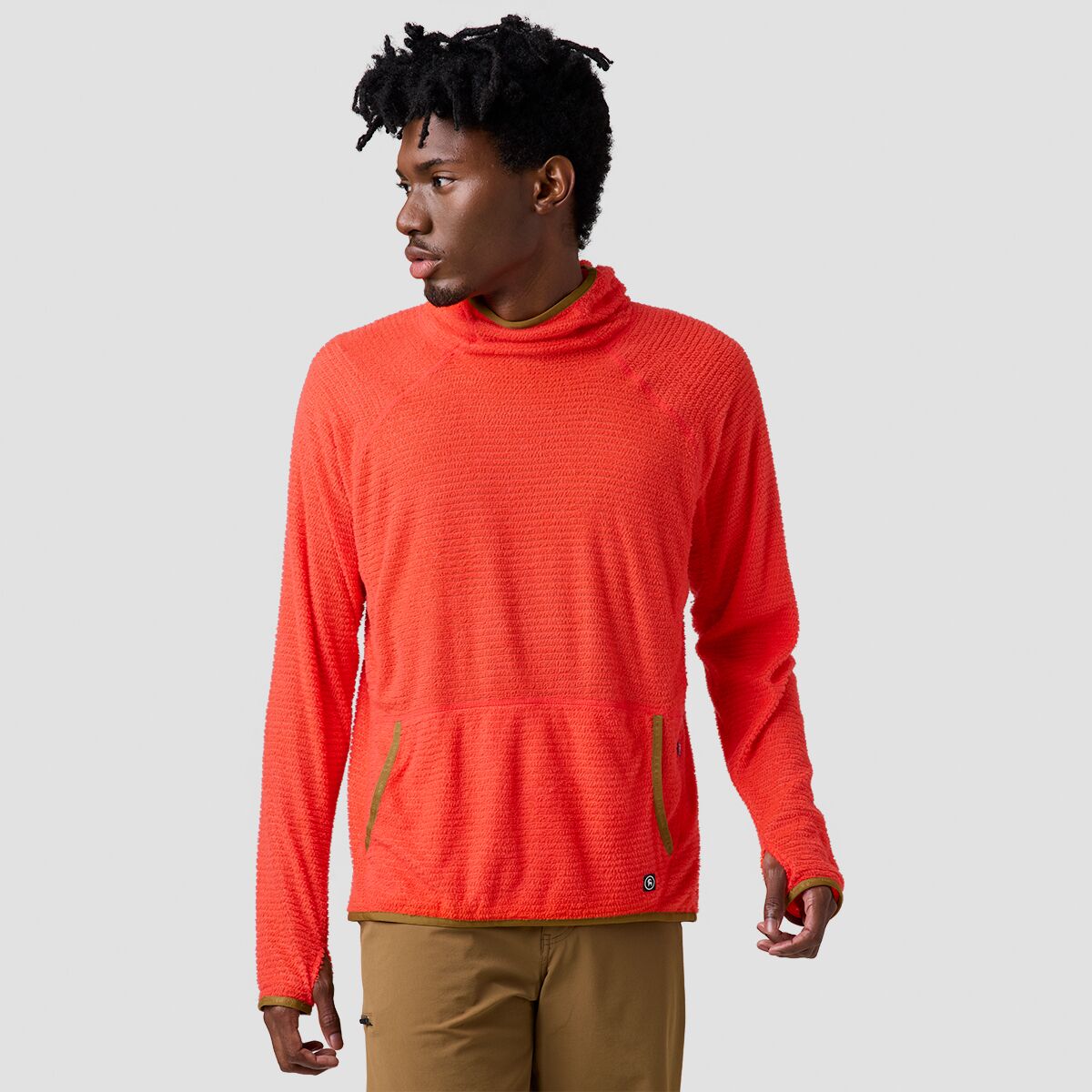 Backcountry Men's Hike & Camp Jackets
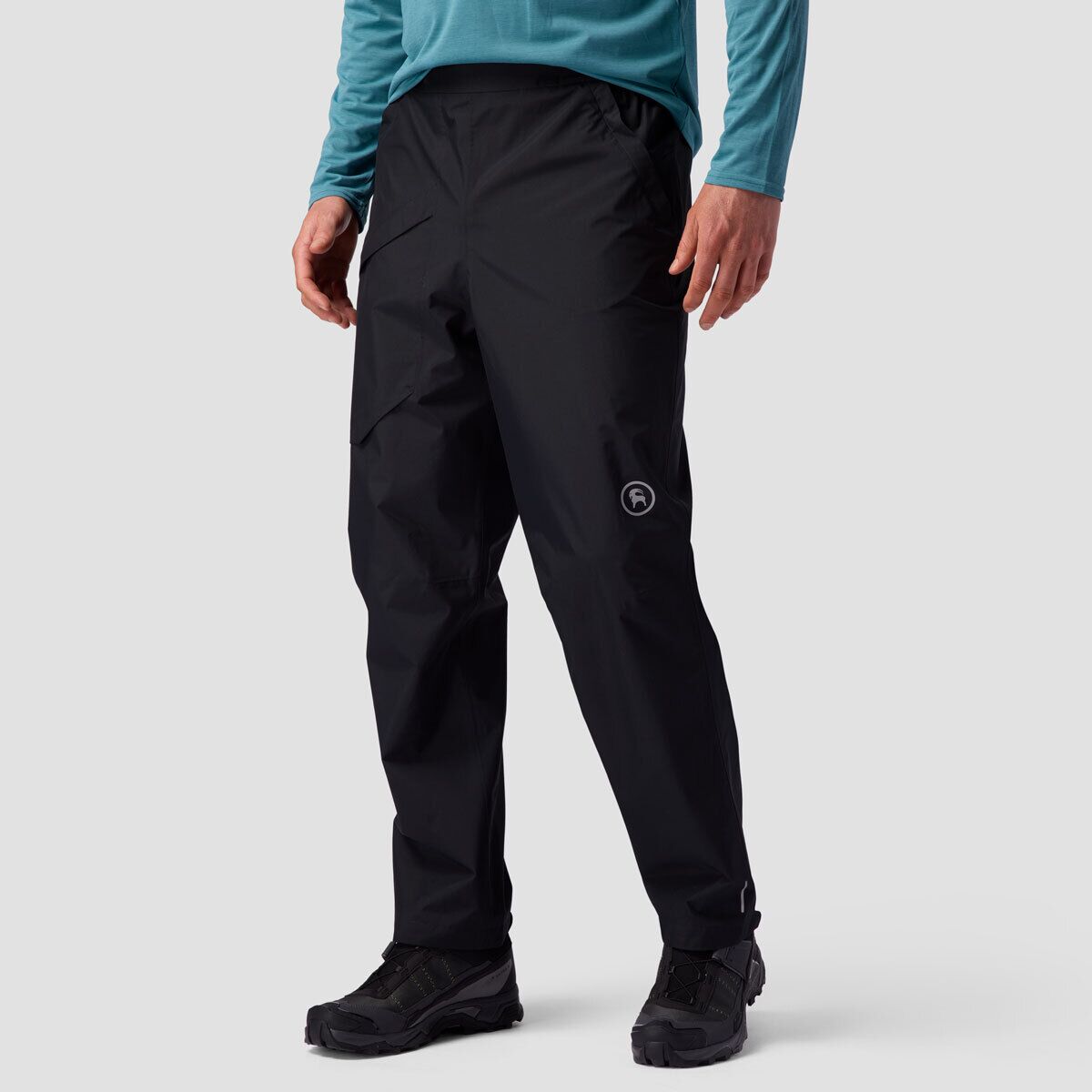 Backcountry Men's Hike & Camp Pants
 Backcountry Men's Hike & Camp Baselayers
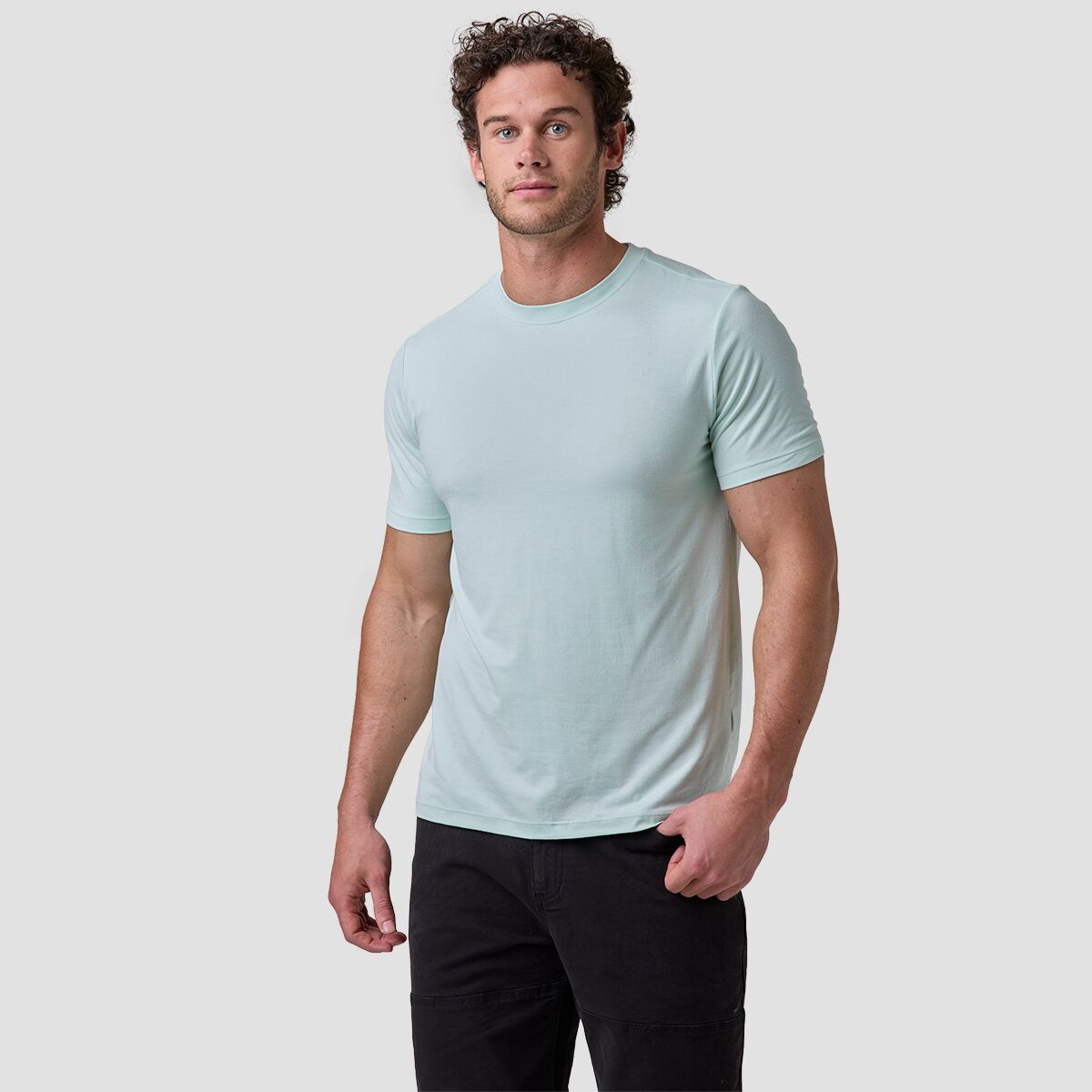 Backcountry Men's Hike & Camp Shirts
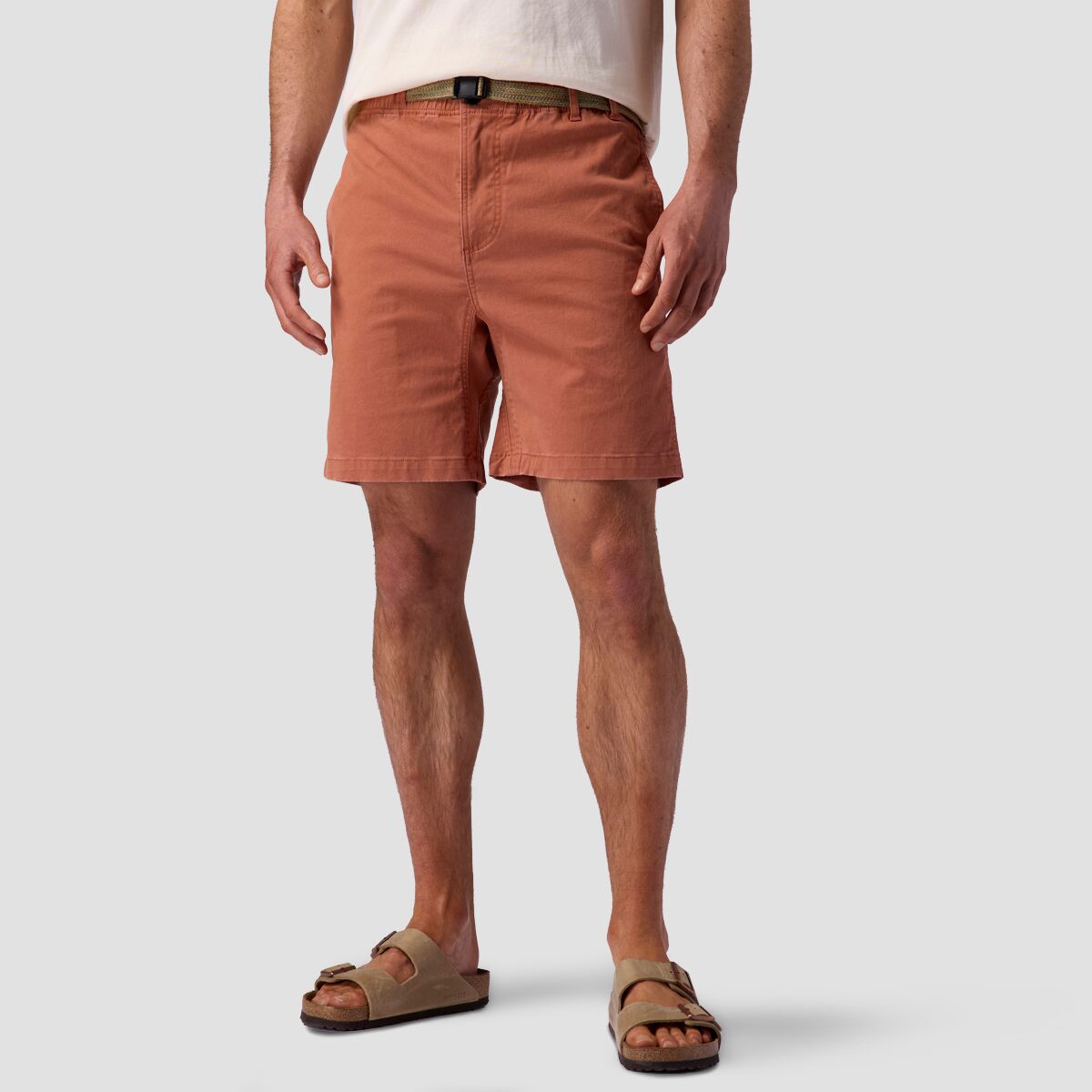 Backcountry Men's Hike & Camp Shorts
 Backcountry Women's Hike & Camp Jackets
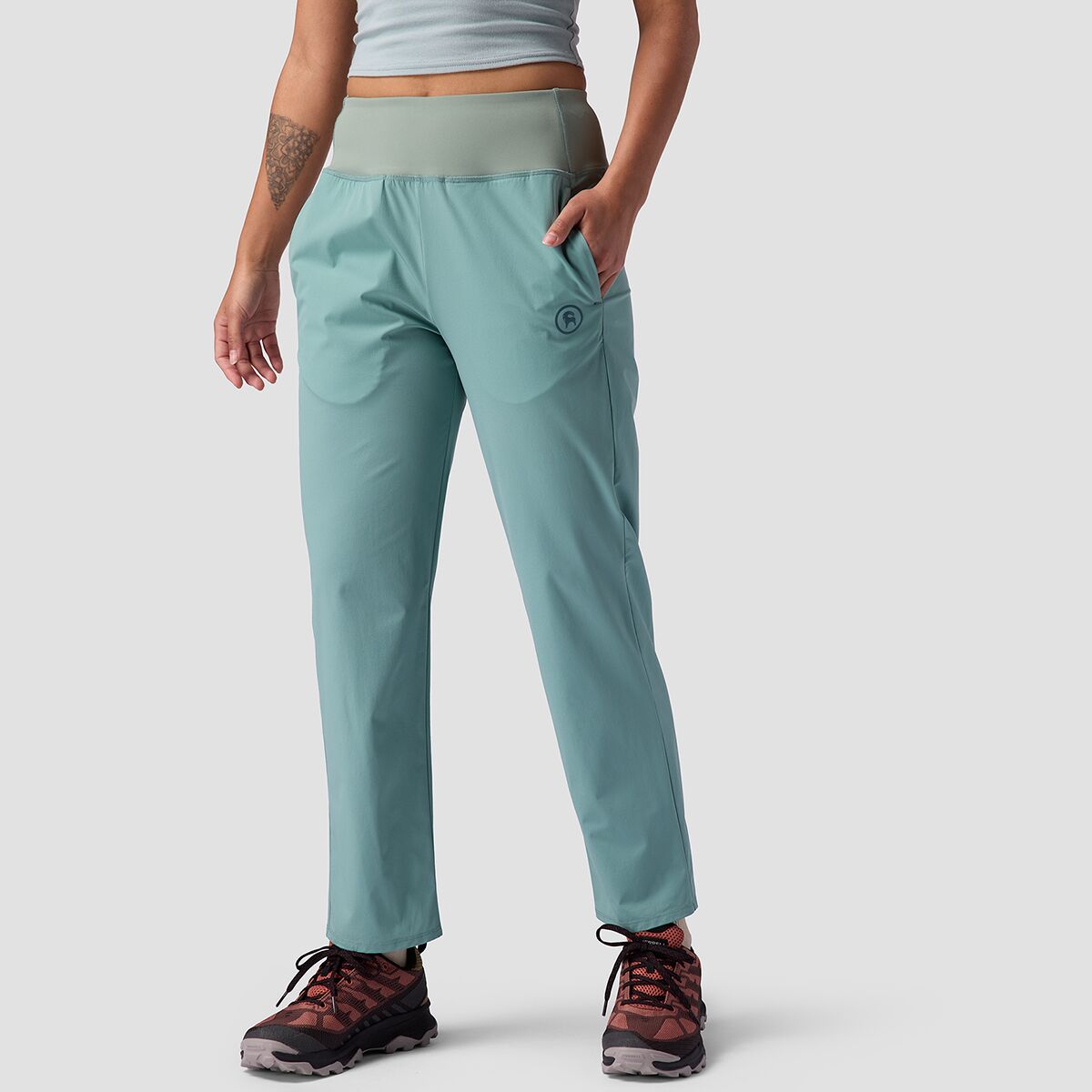 Backcountry Women's Hike & Camp Pants
 Backcountry Women's Hike & Camp Baselayers
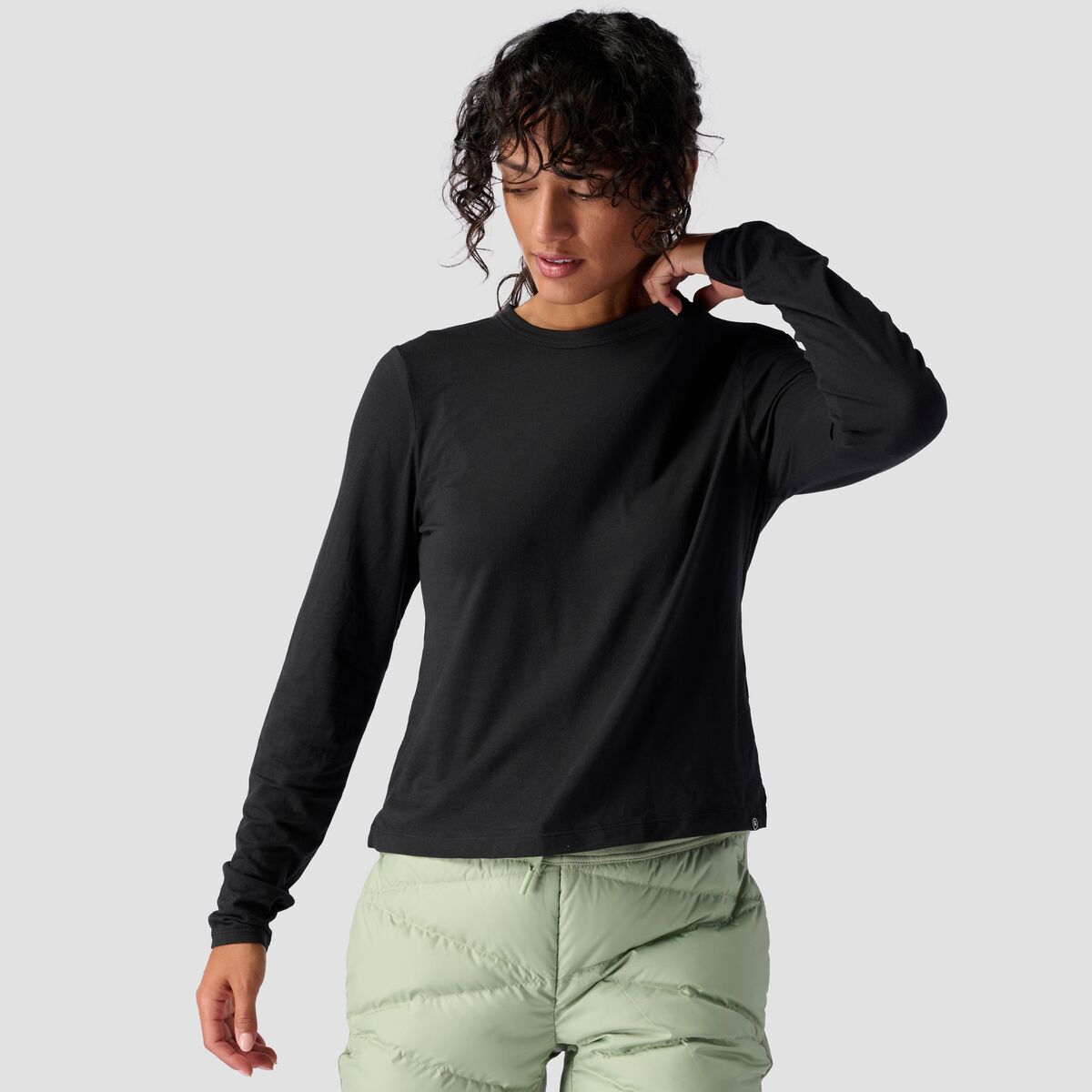 Backcountry Women's Hike & Camp Tops
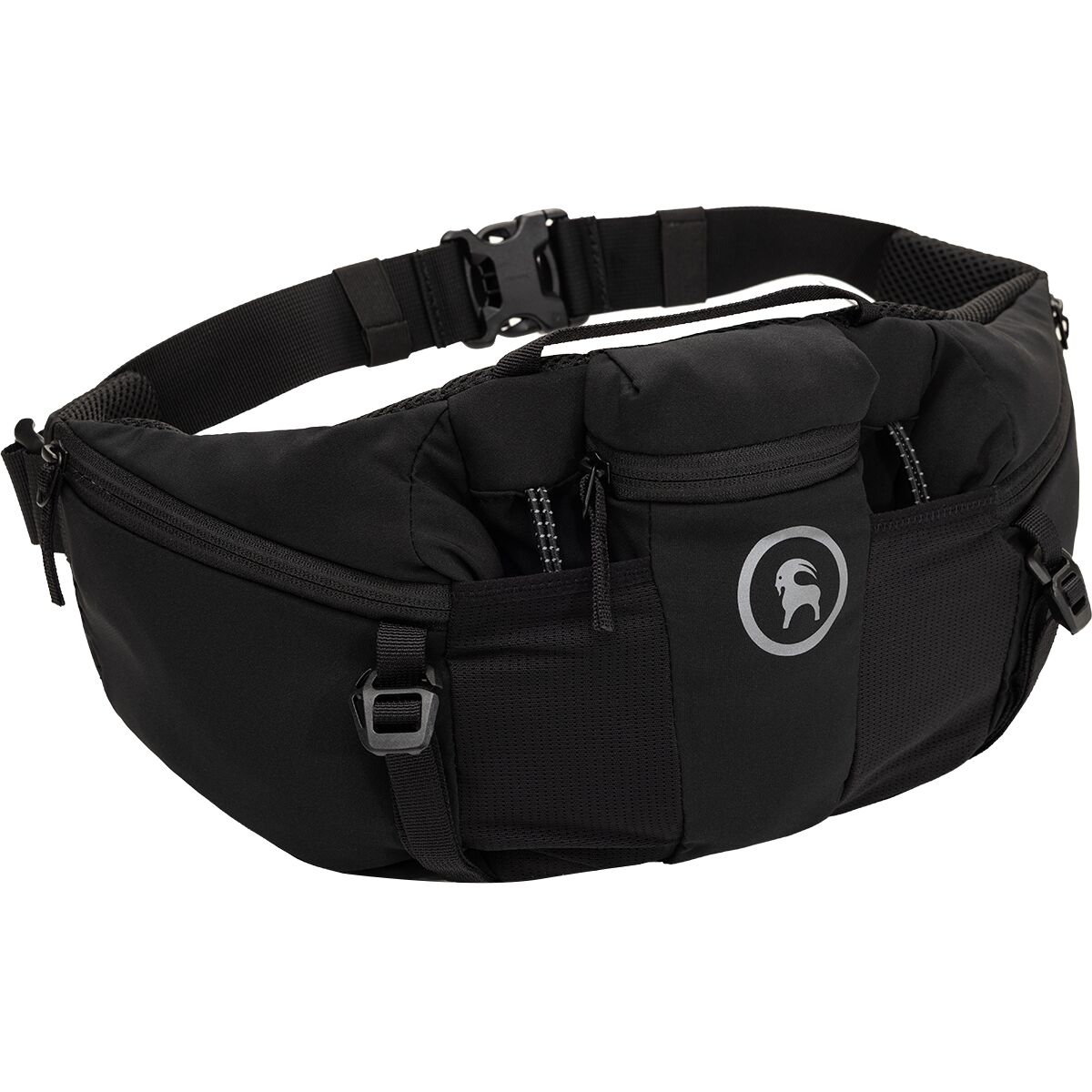 Backcountry Hydration Packs
Frequently Asked Questions
How do I choose between a daypack like the Talon 33 and a multi-day pack for weekend trips?
Choose by capacity and intended load: daypacks (20–35 L) like the Talon 33 are ideal for long day hikes and minimalist overnight setups, while multi-day packs (50–70 L) are designed to carry food, shelter and heavier loads for several nights. Fit the pack with the weight you plan to carry—check torso length, hipbelt comfort and load‑lifting straps—and prioritize features you need like a hydration sleeve, external lash points or a sleeping-bag compartment.What terrain and conditions are Altra Lone Peak 9+ shoes best suited for?
The Lone Peak 9+ is a trail runner with a roomy toe box and a zero‑drop platform, best for fastpacking, technical singletrack and mixed‑terrain hiking where nimble footing matters. They perform well in dry to moderately wet conditions and for lighter loads; for heavy backpacking, icy winter use, or extended wet conditions, consider a stiffer, waterproof boot instead.When should I carry an inReach Mini 3+ instead of relying on a smartphone for navigation and emergency communication?
Carry an inReach Mini 3+ whenever you’ll be outside reliable cellular coverage — it’s a compact satellite communicator that provides two‑way messaging and SOS capabilities independent of cell networks. Pair it with your smartphone for mapping and waypoint management, but treat the inReach as your primary off‑grid safety device.What are the trade-offs between carbon trekking poles like Alpine Carbon and aluminum poles?
Carbon poles such as Alpine Carbon are lighter and dampen vibration, which helps on long approaches and fastpacking, but they can be more brittle if struck sharply or leveraged against rocks. Aluminum poles are heavier but generally more impact‑resistant and easier to field‑repair, so choose carbon for weight savings and aluminum for durability on rugged terrain.How does the Lone Peak 9+ compare to traditional hiking boots for long multi-day backpacking trips?
Compared with traditional hiking boots, the Lone Peak 9+ offers a lighter, more flexible ride, quicker drying and a roomy toe box that reduces hot spots and encourages speed, but it lacks the ankle support, stiffer sole and insulation many hikers prefer for heavy loads or technical scree. For long trips with big packs, rocky talus or winter conditions, a supportive boot is usually the safer choice; for mileage, agility and lower weight on well‑defined trails, the Lone Peak 9+ is a strong option.