


Flash Sale! Up To 70% Off
3 days only | Ends 9/21
Ski & Snowboard Gear On Sale
Shop up to 40% off
Bike Gear & Apparel On Sale
Shop up to 40% off
Green Hiking & Camping Essentials


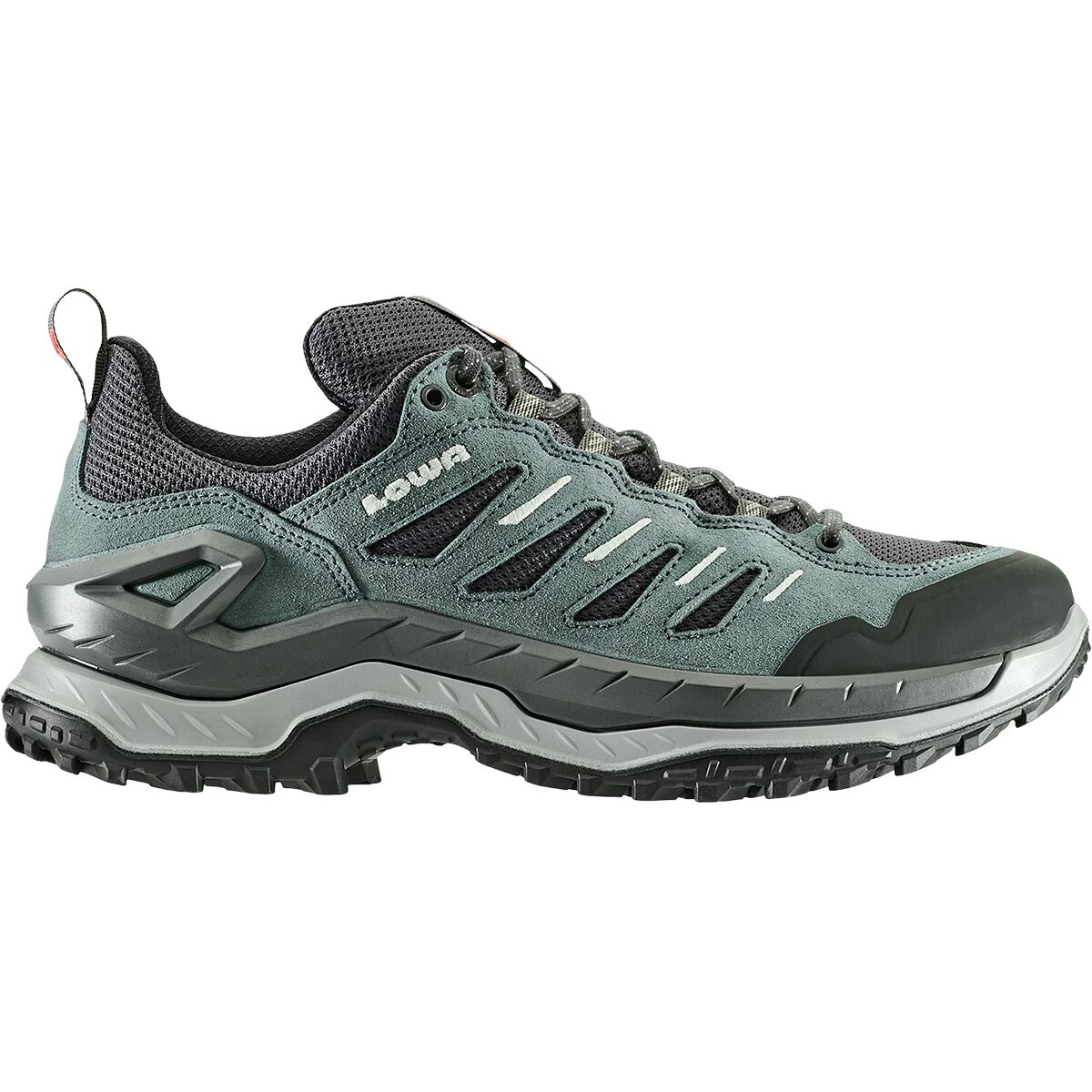
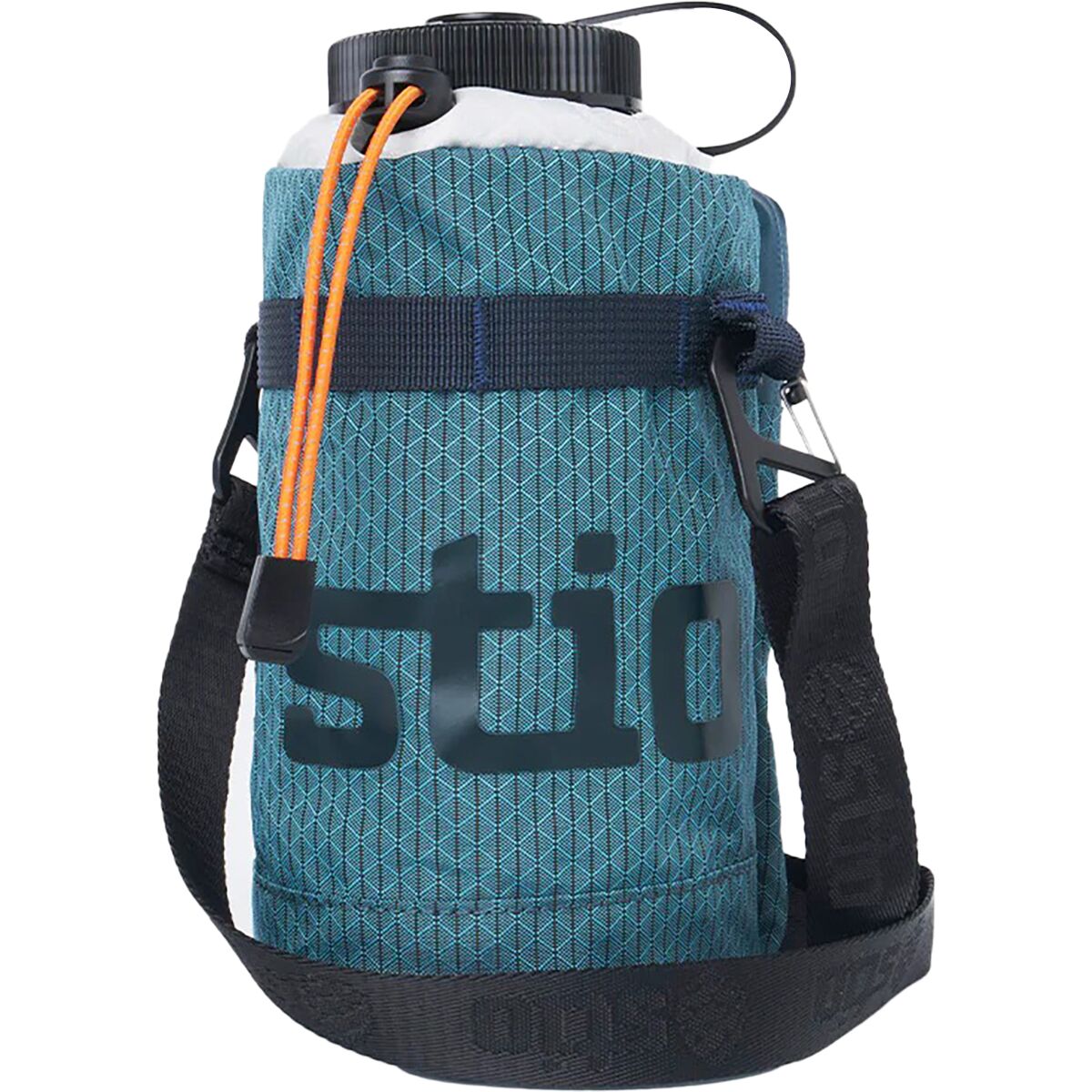
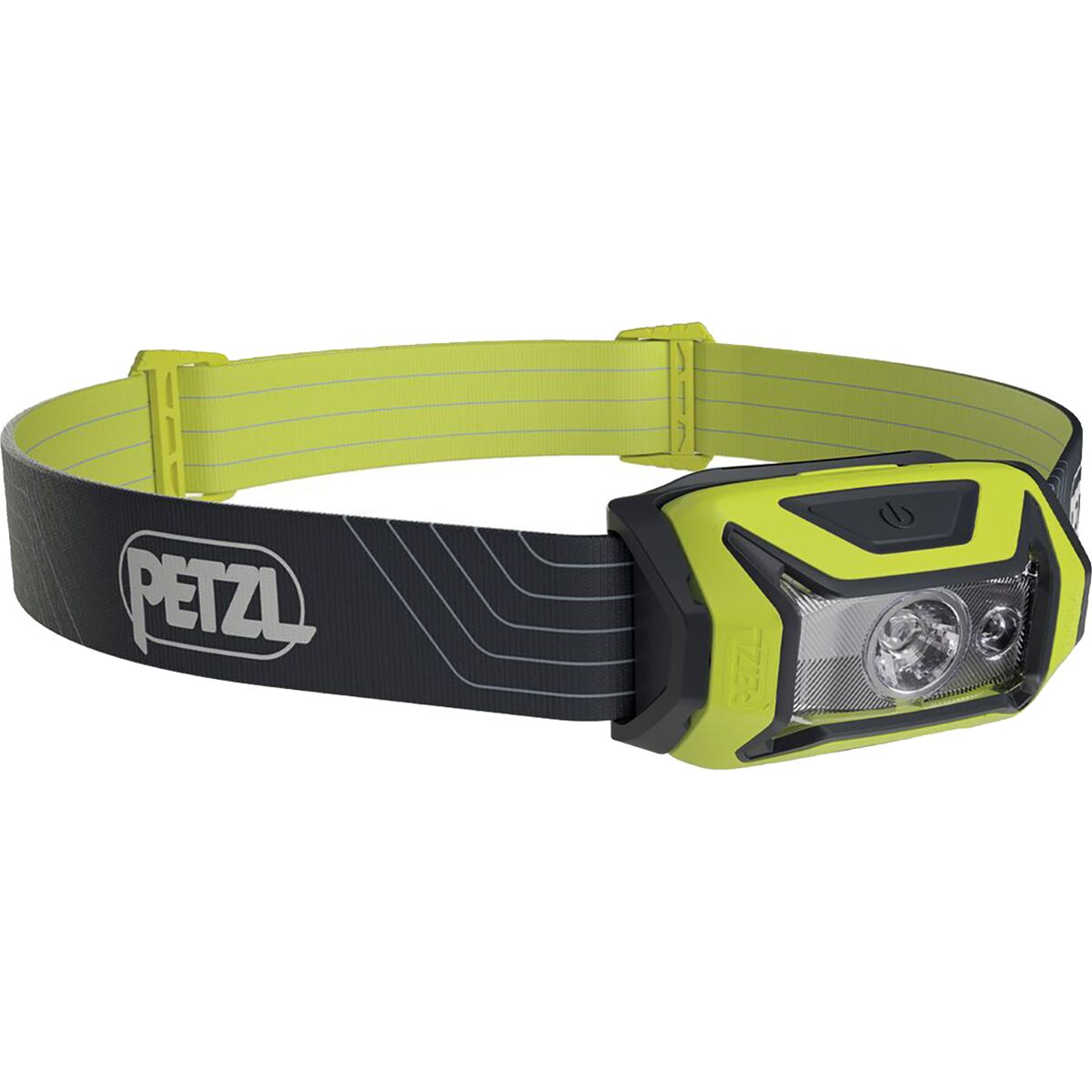

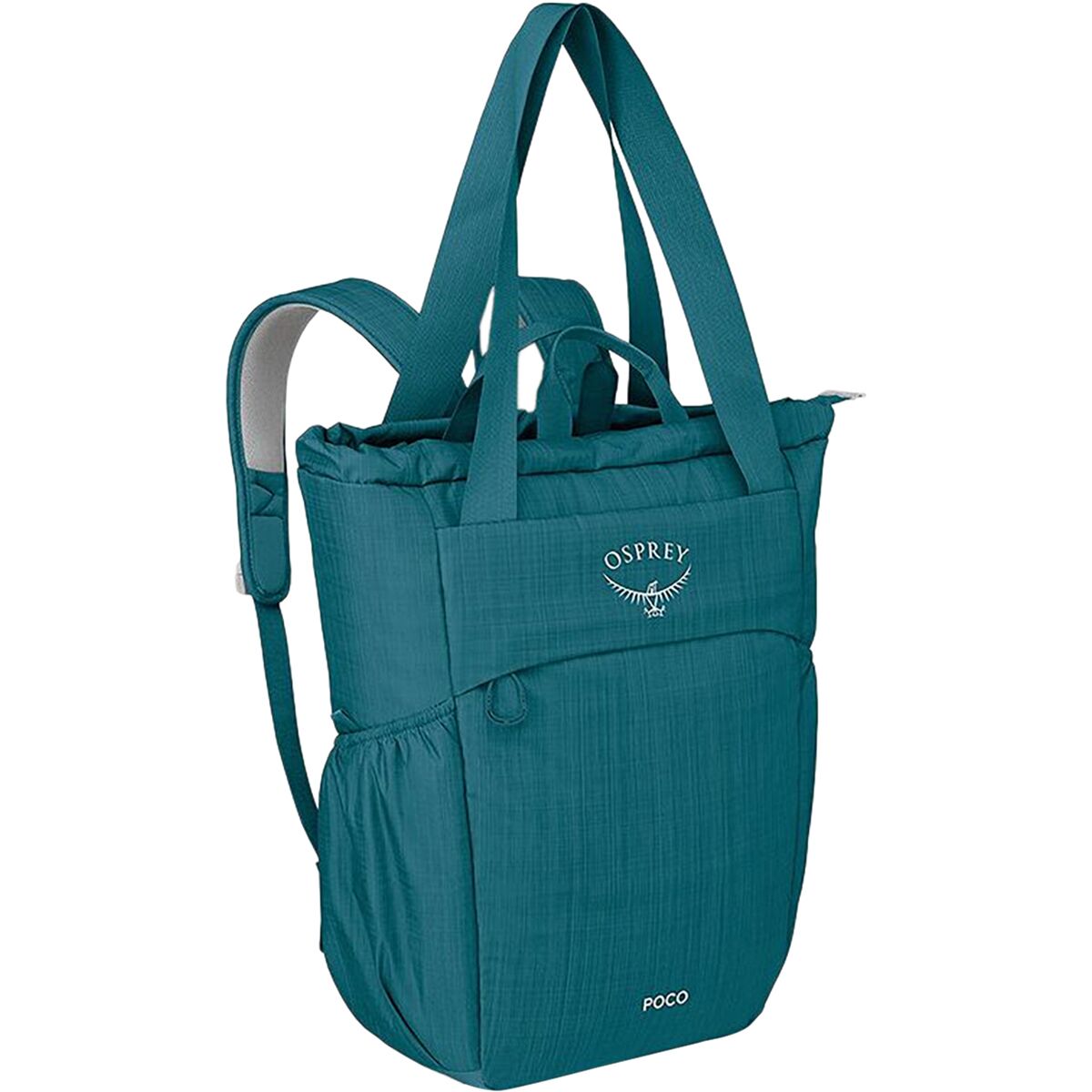




Learn more about Hiking & Camping Essentials
Men
Women
Kids
Footwear
Camp
Bike
Climb
Travel
Ski
Skis & Bindings
Ski Boots
Ski Poles
Helmets & Goggles
Alpine Touring
Travel & Essentials
Men's Ski Clothing
Women's Ski Clothing
Youth Ski Clothing
Snowboard
Boards & Bindings
Splitboarding
Travel & Essentials
Men's Snowboard Clothing
Women's Snowboard Clothing
Youth Snowboard Clothing


Flash Sale! Up To 70% Off
3 days only | Ends 9/21
Ski & Snowboard Gear On Sale
Shop up to 40% off
Bike Gear & Apparel On Sale
Shop up to 40% off
Learn more about Hiking & Camping Essentials
Think about trip length and how much you’ll carry; 40–70L packs usually cover multi-day trips. Match a pack to your torso length (typically 15–22 inches) and a hip belt that can distribute 30–50 lbs comfortably.
For three-season camping aim for a comfort limit in the 20–40°F range, often around 30°F for milder three-season use. Down at 800+ fill power compresses small for backpacking, while synthetic insulation holds up better when conditions are damp.
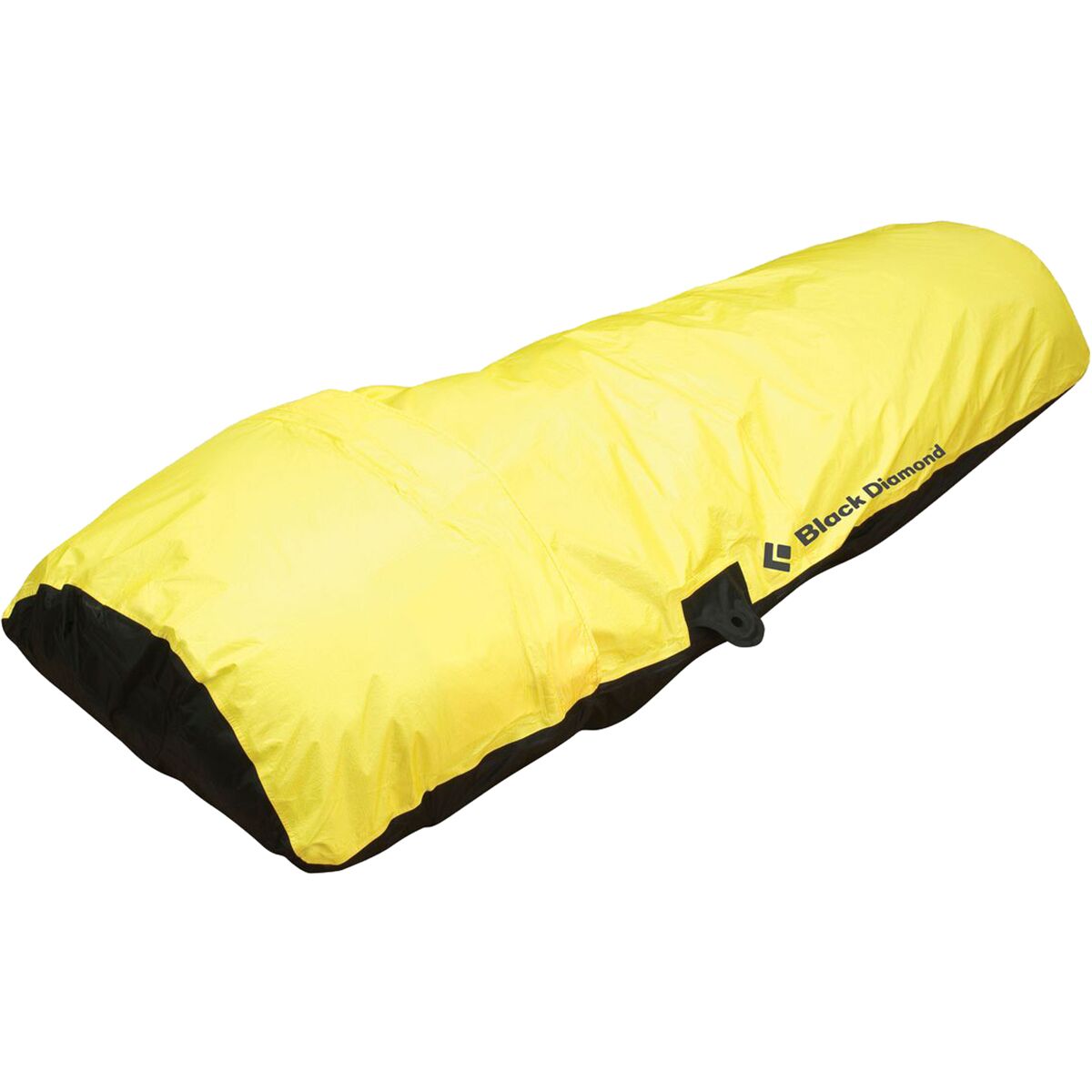
Ultralight tarps and quilts make sense when weather is mild and shaving weight matters, with Big Three setups often saving 5–11 lbs over conventional gear. If you expect rain or wind, choose a shelter with a rainfly or a two-person tent under 3 lbs, but options like the Zpacks Duplex (about 19 oz) or a Kammok Roo Double hammock work great for dry, fastpacking setups.
Leave a half- to full-size of extra room compared to street shoes to accommodate swelling, and opt for a wide toe box so your toes can spread on downhill sections. Test boots on a walk with the socks you’ll hike in, and consider using trekking poles like the Black Diamond Trail Back (about 18 oz per pair) for added stability on technical terrain.
If fast boil times matter, canister and liquid-fuel stoves commonly bring 1 L to a boil in under 3 minutes. Multi-fuel stoves shine in cold or high-altitude conditions, while small canister models are lighter and simpler for typical three-season trips.