Exclusive Deals & Giveaways
Summit+ Days is on
Extra 10% Cash Back On BGA
Gear made by Backcountry
Fall Sale
Shop up to 40% off
Yellow GPS
Related Categories
Learn more about GPS
Men
Women
Kids
Footwear
Camp
Bike
Climb
Travel
Ski
Skis & Bindings
Ski Boots
Ski Poles
Helmets & Goggles
Alpine Touring
Travel & Essentials
Men's Ski Clothing
Women's Ski Clothing
Youth Ski Clothing
Snowboard
Boards & Bindings
Splitboarding
Travel & Essentials
Men's Snowboard Clothing
Women's Snowboard Clothing
Youth Snowboard Clothing
Exclusive Deals & Giveaways
Summit+ Days is on
Extra 10% Cash Back On BGA
Gear made by Backcountry
Fall Sale
Shop up to 40% off
Related Categories
Learn more about GPS
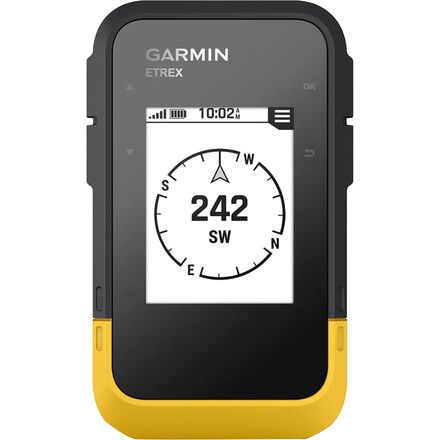
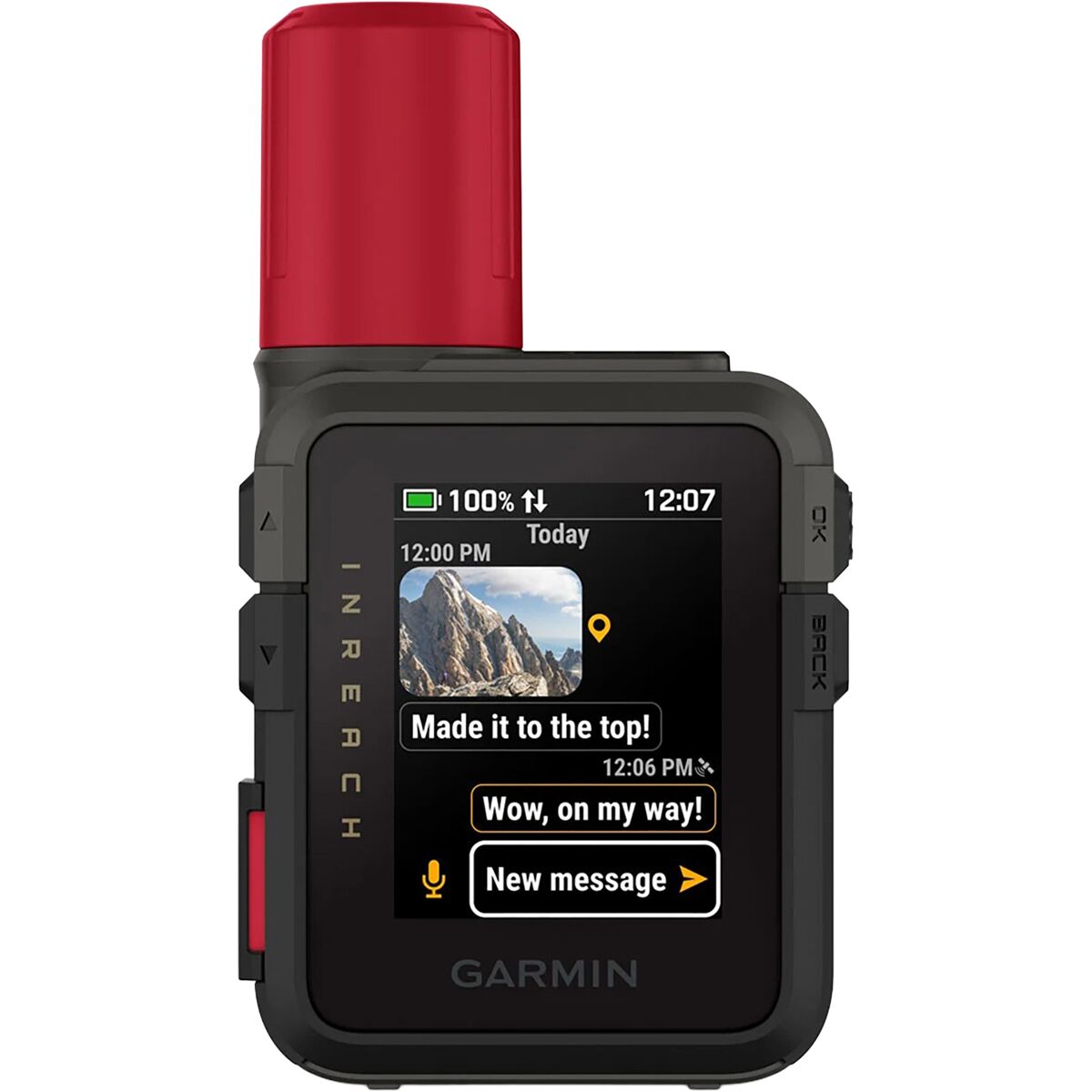
Handheld units are best when you need detailed topo maps and route tracking for hiking, backpacking, or cycling, while emergency beacons excel at rescue signaling in remote areas with poor cell coverage. GPS-equipped smartwatches and compact trackers work well for hands-free or day-use tracking; models like the Garmin Montana 710i handle mapping well and the inReach Mini 3 Plus focuses on compact SOS and two-way messaging.
Match battery life to your trip length—overnighters can get by with shorter runtimes, but multi-day or extended trips benefit from long-lasting modes or solar charging. For example, the Garmin GPSMAP 67 can deliver up to 180 hours in expedition mode, and some communicators also offer solar top-up to stretch time between charges.
Yes. Screen sizes around 2–3 inches give glove-friendly visibility while keeping units compact, and lightweight geometry under 8 ounces makes a big difference when you’re packing for long hikes. Many handhelds also use button interfaces instead of touchscreens to stay usable in harsh conditions.
Rugged navigators commonly use impact-resistant polycarbonate or reinforced plastics with waterproofing rated to IPX7 for submersion up to 1 meter, and batteries are sealed to tolerate dust and extreme temps from -20°F to 140°F. That construction helps them survive drops, heavy rain, and cold-weather use on backcountry trips.
Devices that support multi-GNSS—GPS, GLONASS, and Galileo—offer better position fixes and can achieve accuracy within about 3 meters, especially with a strong 5.0+ satellite network rating. Look for two-way messaging, SOS emergency response, and Bluetooth app integration to combine precise navigation with communication and route syncing.