Exclusive Deals & Giveaways
Summit+ Days is on
Extra 10% Cash Back On BGA
Gear made by Backcountry
Fall Sale
Shop up to 40% off
Orange Batteries & Solar Power
Learn more about Batteries & Solar Power
Men
Women
Kids
Footwear
Camp
Bike
Climb
Travel
Ski
Skis & Bindings
Ski Boots
Ski Poles
Helmets & Goggles
Alpine Touring
Travel & Essentials
Men's Ski Clothing
Women's Ski Clothing
Youth Ski Clothing
Snowboard
Boards & Bindings
Splitboarding
Travel & Essentials
Men's Snowboard Clothing
Women's Snowboard Clothing
Youth Snowboard Clothing
Exclusive Deals & Giveaways
Summit+ Days is on
Extra 10% Cash Back On BGA
Gear made by Backcountry
Fall Sale
Shop up to 40% off
Learn more about Batteries & Solar Power
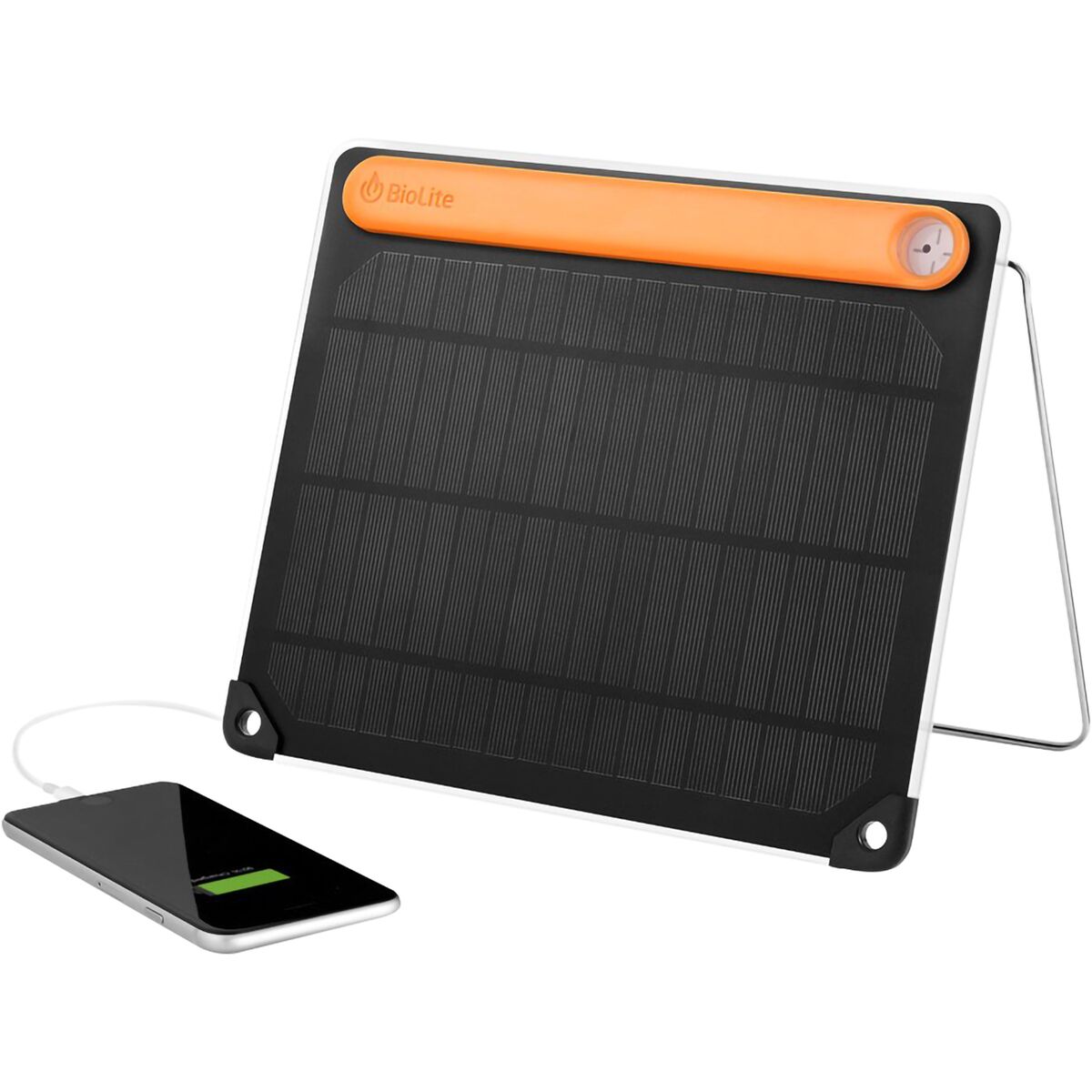
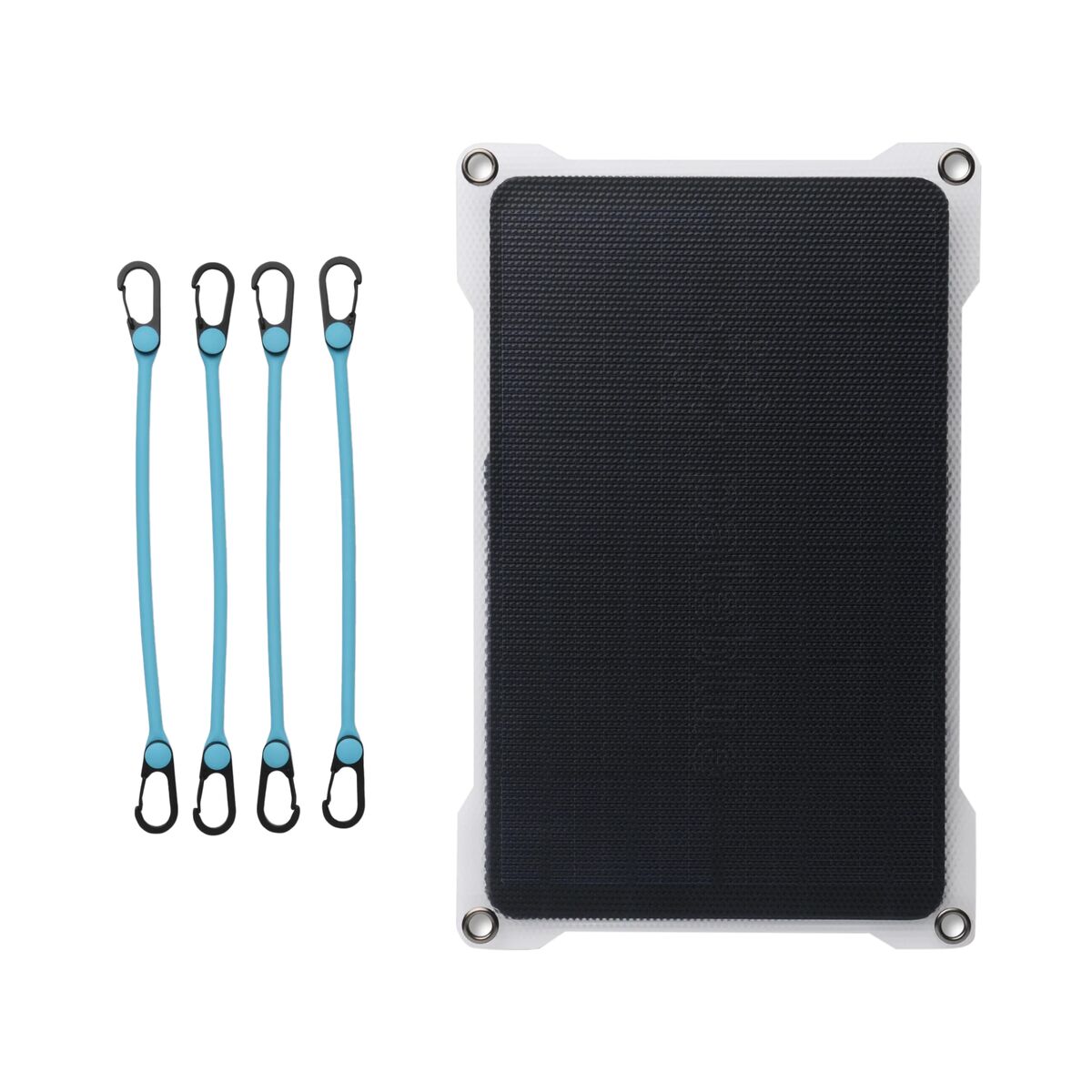
For ultralight trips, small foldable panels under 1 lb like the Goal Zero Nomad 5 or BioLite SolarPanel 5+ work best because they collapse to pocket size and add minimal bulk. They’re sized to top up phones, GPS, and headlamps during variable sunlight rather than run large electronics.
Yes, larger portable stations and banks with AC outputs can run laptops—models like the Sherpa 100AC have multiple voltage ports including 20V and 110V AC for that purpose. For sustained power at a stationary basecamp, pairing a Yeti 1000 LI with Boulder 100 panels gives much longer runtime than a pocket-sized bank.
Flexible thin-film panels conform to pack curves so they stay close to your load and provide on-the-go trickle charging without bulky mounting hardware. MPPT-equipped panels help optimize that output in variable light, making them handy for topping up phones and small devices during long hikes.
Durability comes from features like military-grade waterproofing and shockproofing found on models such as the MyCharge All Terrain+, along with protective coatings on units like the Spark Xtreme. Rugged housings—polycarbonate bodies and rubberized edges used by Goal Zero—also help withstand drops, abrasion, and temperature swings.
Most consumer power banks like the Sherpa 50 (about 50Wh) and Sherpa 100 (98Wh) fall under common airline limits of under 100Wh, making them easier to bring on flights and carry in daypacks. Even so, check the unit’s stated watt-hours and look for palm-sized designs if you need a compact option for multi-day trips.