


Up To 70% Off Ends Today!
Shop now
Spend $200, Get $30 Cash Back
Summit+ only | Shop kids'
Zamberlan Men's Footwear
16 results


Zamberlan
Free Blast GTX Pro Hiking Shoe - Men's
3 colors
$275.00
(3)

Zamberlan
Meister GTX RR S3 Hiking Boot - Men's
1 color
Current price: $247.50 Original price: $450.00
45% off
Flash Sale! Ends 11/2

Zamberlan
Thunder GTX Boot - Men's
2 colors
Current price: $192.50 - $280.00 Original price: $350.00
Up to 45% off
Flash Sale! Ends 11/2

Zamberlan
Vioz GTX Boot - Men's
2 colors
$375.00 - $390.00
(2)

Zamberlan
Vioz Lux GTX RR Boot - Men's
1 color
$425.00
10% Cashback Eligible
(1)
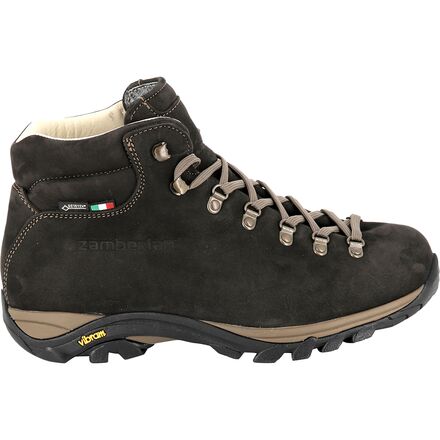
Zamberlan
Trail Lite EVO GTX Boot - Men's
1 color
$325.00

Zamberlan
Vioz Lux GTX RR Wide Boot - Men's
1 color
$425.00
10% Cashback Eligible

Zamberlan
Tofane GTX RR NW Boot - Men's
1 color
$500.00
10% Cashback Eligible

Zamberlan
Devero Low GTX Shoe - Men's
1 color
Current price: $176.00 Original price: $220.00
20% off
Flash Sale! Ends 11/2
(1)
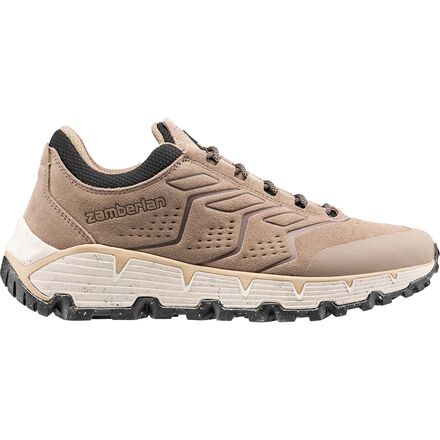
Zamberlan
Metropolis Shoe - Men's
1 color
Current price: $150.00 - $160.00 Original price: $200.00
Up to 25% off
Flash Sale! Ends 11/2

Zamberlan
Free Blast Pop Shoe - Men's
3 colors
Current price: $160.00 Original price: $200.00
20% off
Flash Sale! Ends 11/2

Zamberlan
Baltoro Lite GTX Boot - Men's
1 color
$390.00 - $400.00
(1)

Zamberlan
Muir RR Approach Shoe - Men's
1 color
$199.00

Zamberlan
Exotrail GTX Hiking Shoe - Men's
2 colors
$240.00

Zamberlan
Vioz GTX Wide Boot - Men's
1 color
$390.00

Zamberlan
El Cap RR Approach Shoe - Men's
1 color
$275.00
(1)
Related Categories




Frequently Asked Questions
How does the Zamberlan Thunder GTX compare to the Free Blast GTX for hiking and backpacking?
The Thunder GTX is typically a more rugged, traditional leather boot aimed at heavy backpacking, mountaineering and technical terrain with leather uppers, protective rubber rands and often Gore‑Tex waterproofing for wet/cold conditions. The Free Blast GTX is designed for faster hiking and mixed‑trail use with lighter midsoles and a more agile last for quick steps and lower weight, sacrificing some of the heavy‑duty protection and stiffness of a full backpacking boot.Which Zamberlan last should I pick for wide feet, insulated socks, or fast hiking?
Choose a ZWL (Wide Last) or ZXPL if you need extra volume for thick socks, insulation, or prolonged bushwhacking—those lasts accommodate D–EE widths and more toe room. For fastpacking or aggressive trail use, the X‑Active or ZTECH lasts provide a more anatomical, performance‑oriented wrap and quicker response. Trying boots with the socks and insoles you’ll use is the best way to confirm the right last.Which outsoles are best for wet rock, muddy trails, and winter mountaineering?
For wet rock and mixed wet/dry traction look for Junko/Megagrip and 3D compounds that prioritize sticky rubber and multidirectional lugs; they excel on slick surfaces. NorTrack outsoles shed mud and offer downhill braking on softer trails, while Vibram Penia or crampon‑compatible soles are the better choice for snow, ice and technical mountaineering when you need crampon interfaces and dual‑density midsoles. Match outsole choice to your primary terrain for the best grip and self‑cleaning performance.Are Zamberlan boots resolable and how does that affect long‑term performance?
Yes, many Zamberlan models are made in Italy with resolable construction so you can replace worn outsoles to extend the life of leather uppers. Resoling preserves the boot’s fit and waterproofing attributes if the upper remains in good condition, making higher‑quality leather and stitched Welt constructions a better long‑term value for frequent users.How should I size and break in Zamberlan hiking or mountaineering boots?
Start by fitting boots with the exact socks and insoles you’ll use; allow about a thumb’s width of space at the toes for downhill travel and choose a wider last if you plan heavy socks or prolonged cold conditions. Break them in gradually—short day hikes and incremental mileage—so Perwanger or waxed nubuck uppers soften and form to your foot; treating leather with Hydrobloc products per Zamberlan care instructions helps maintain water resistance during the break‑in period.