


Up To 30% Off Full-Price Items
Shop now
Up To 50% Off Winter Sale
Shop now
Ski & Snowboard Gear On Sale
Shop up to 40% off
STIO Hike & Camp


Related Categories
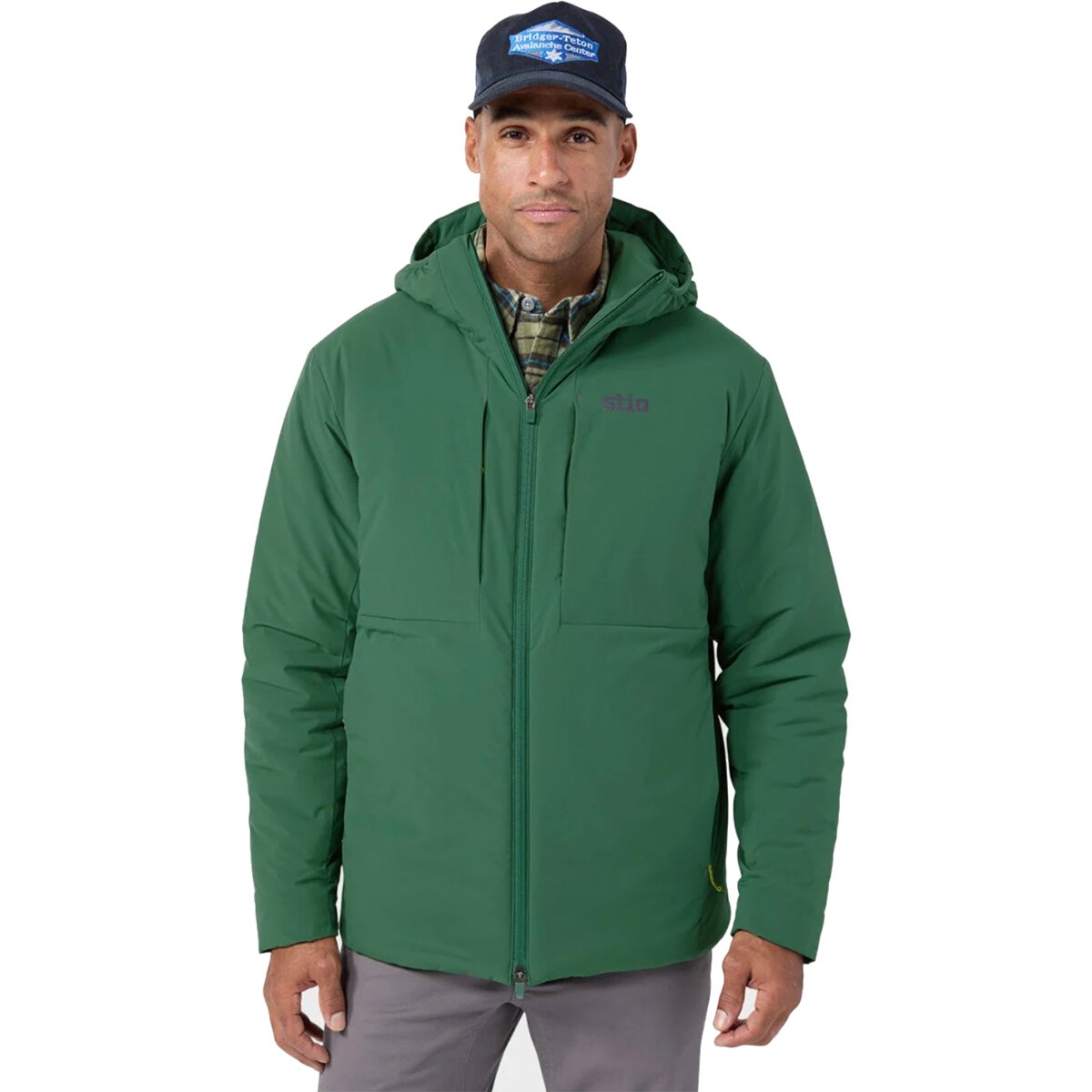 Stio Men's Hike & Camp Jackets
 Stio Men's Hike & Camp Pants
 Stio Men's Hike & Camp Shirts
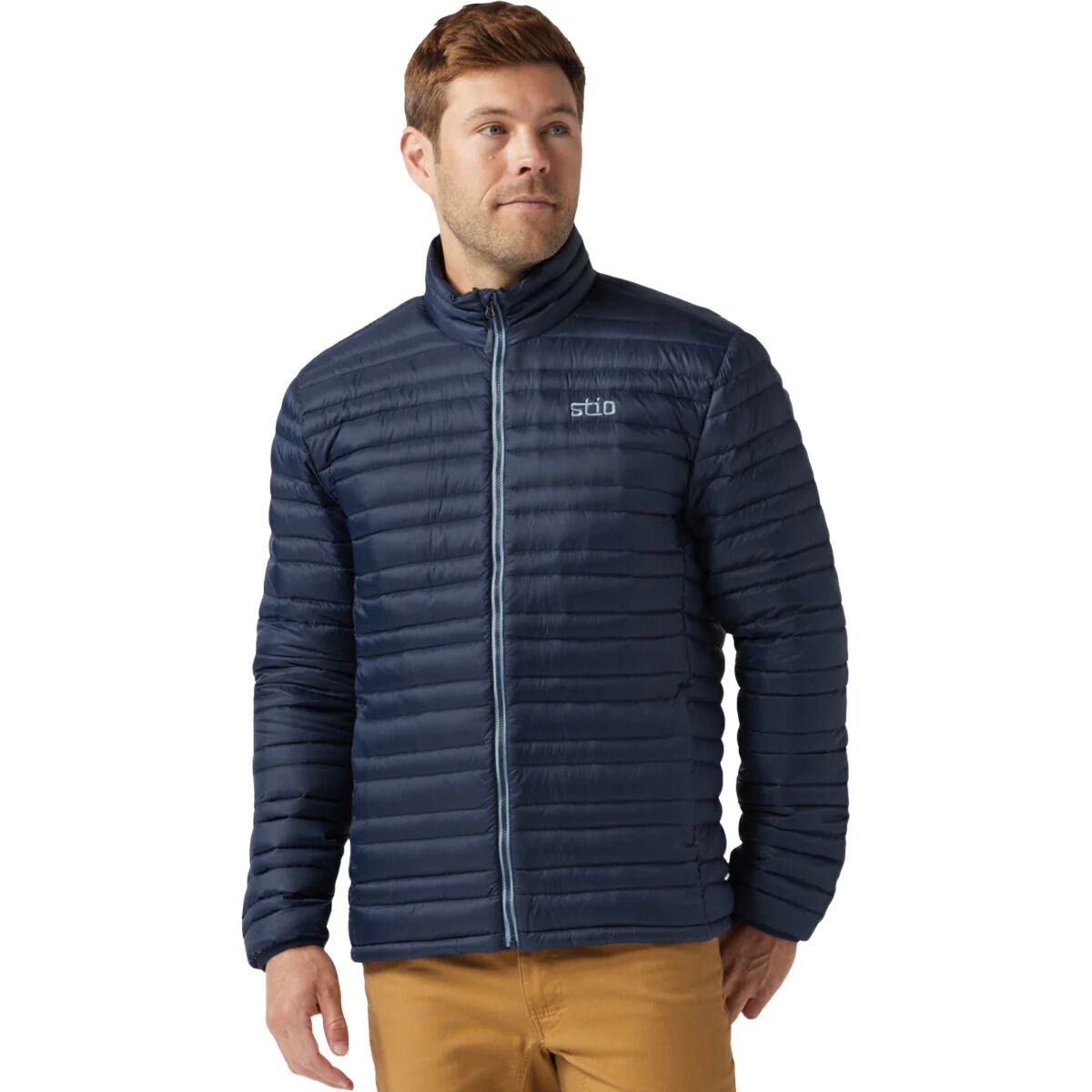 Stio Men's Hike & Camp Hoodies & Sweaters
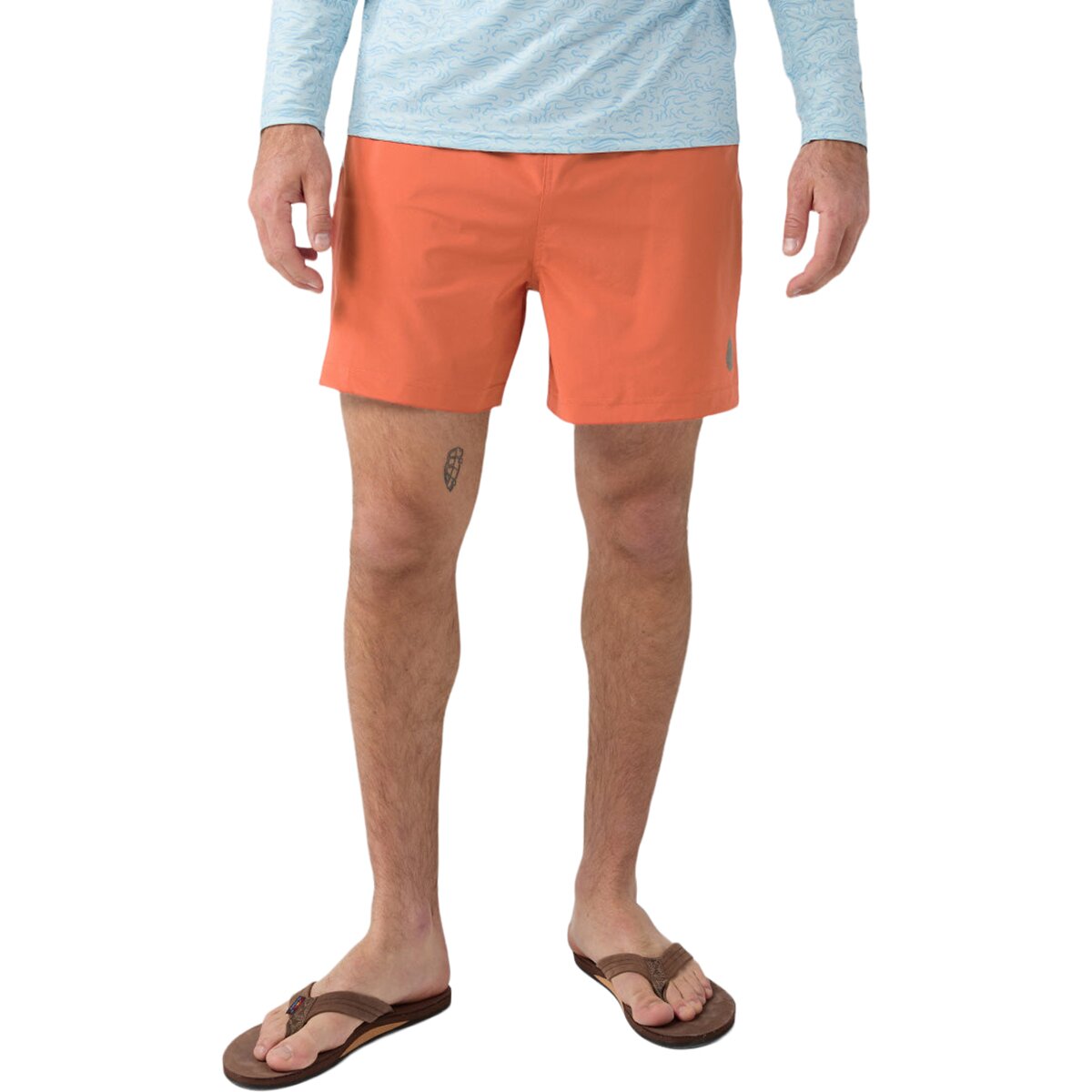 Stio Men's Hike & Camp Shorts
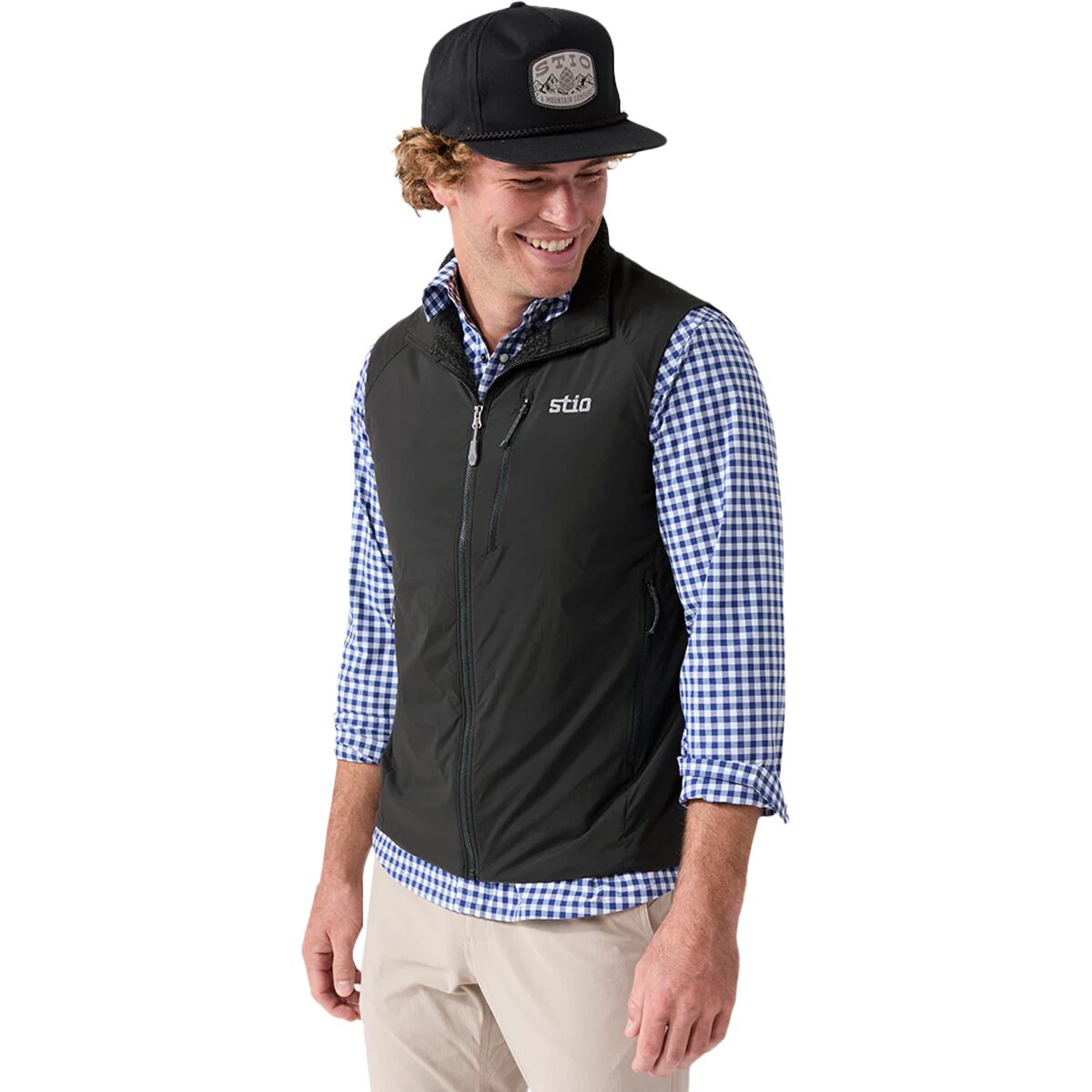 Stio Men's Hike & Camp Vests
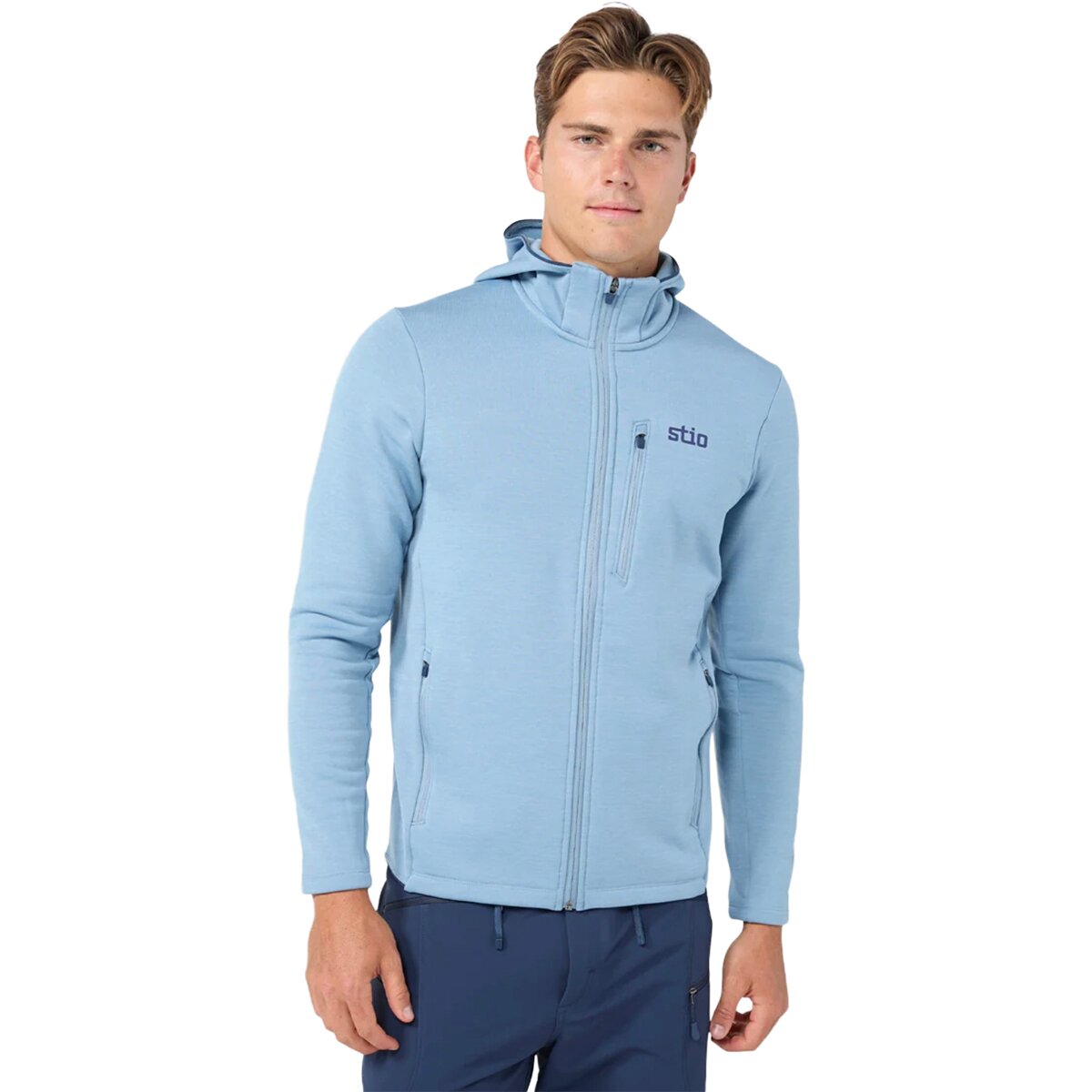 Stio Men's Hiking Clothing
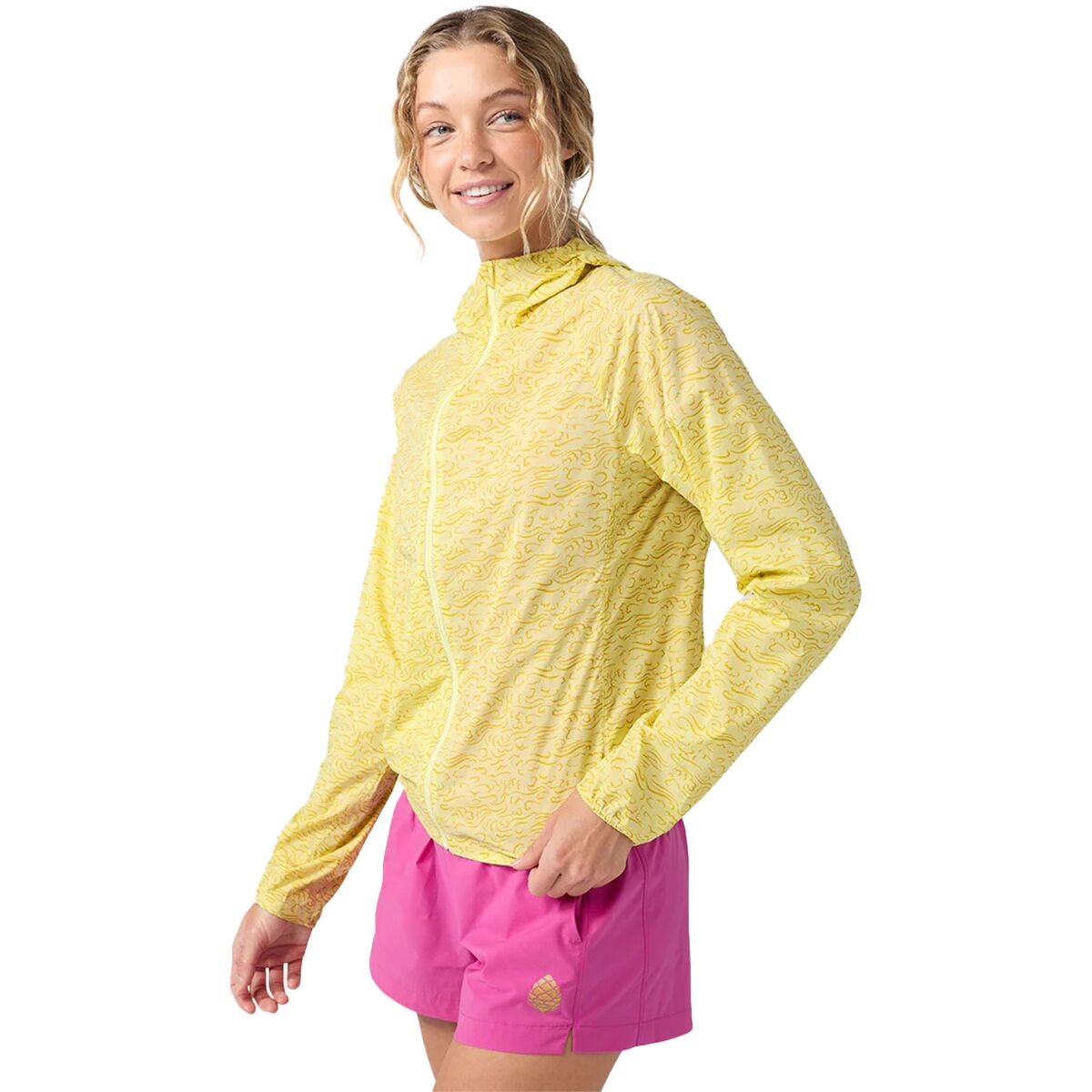 Stio Women's Hike & Camp Jackets
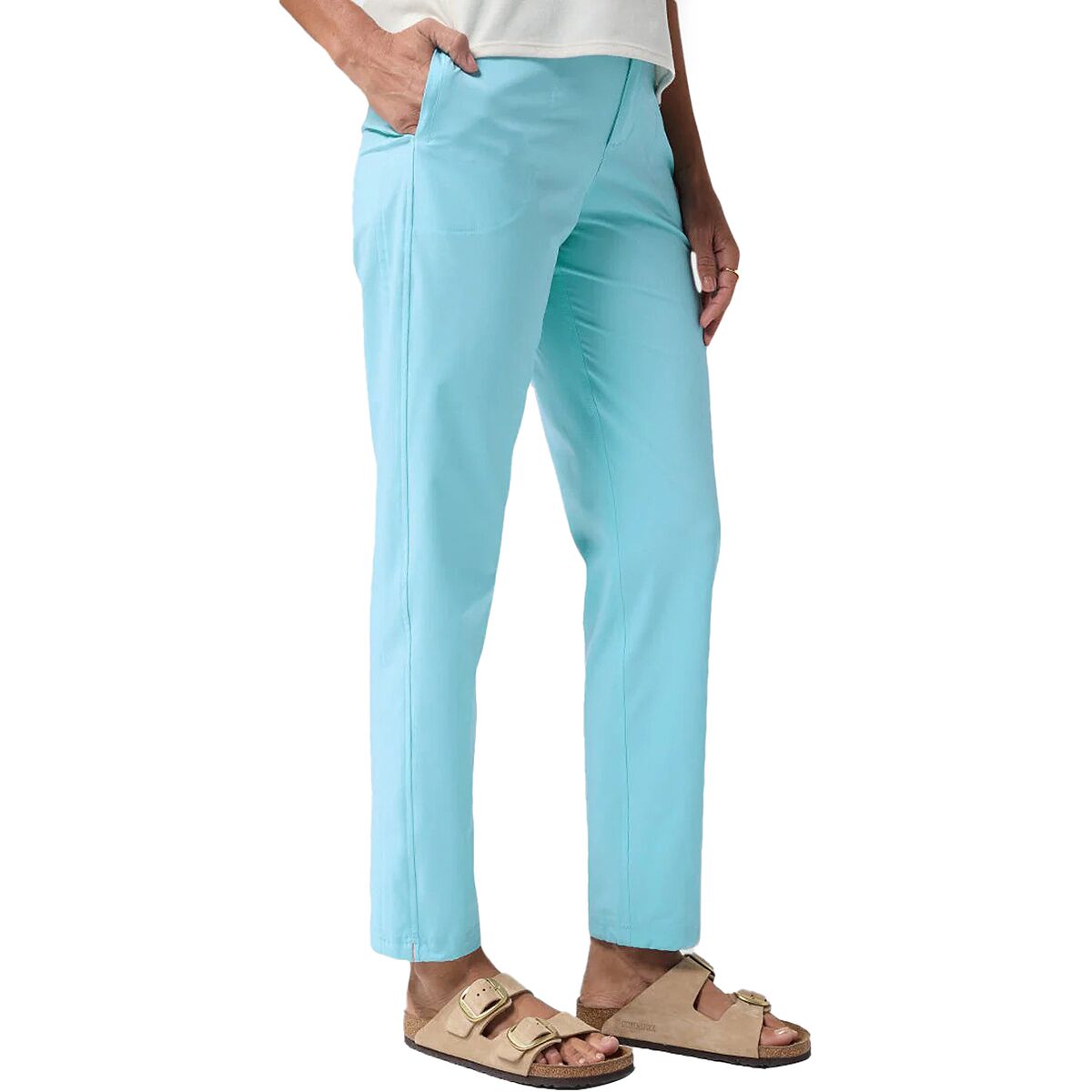 Stio Women's Hike & Camp Pants
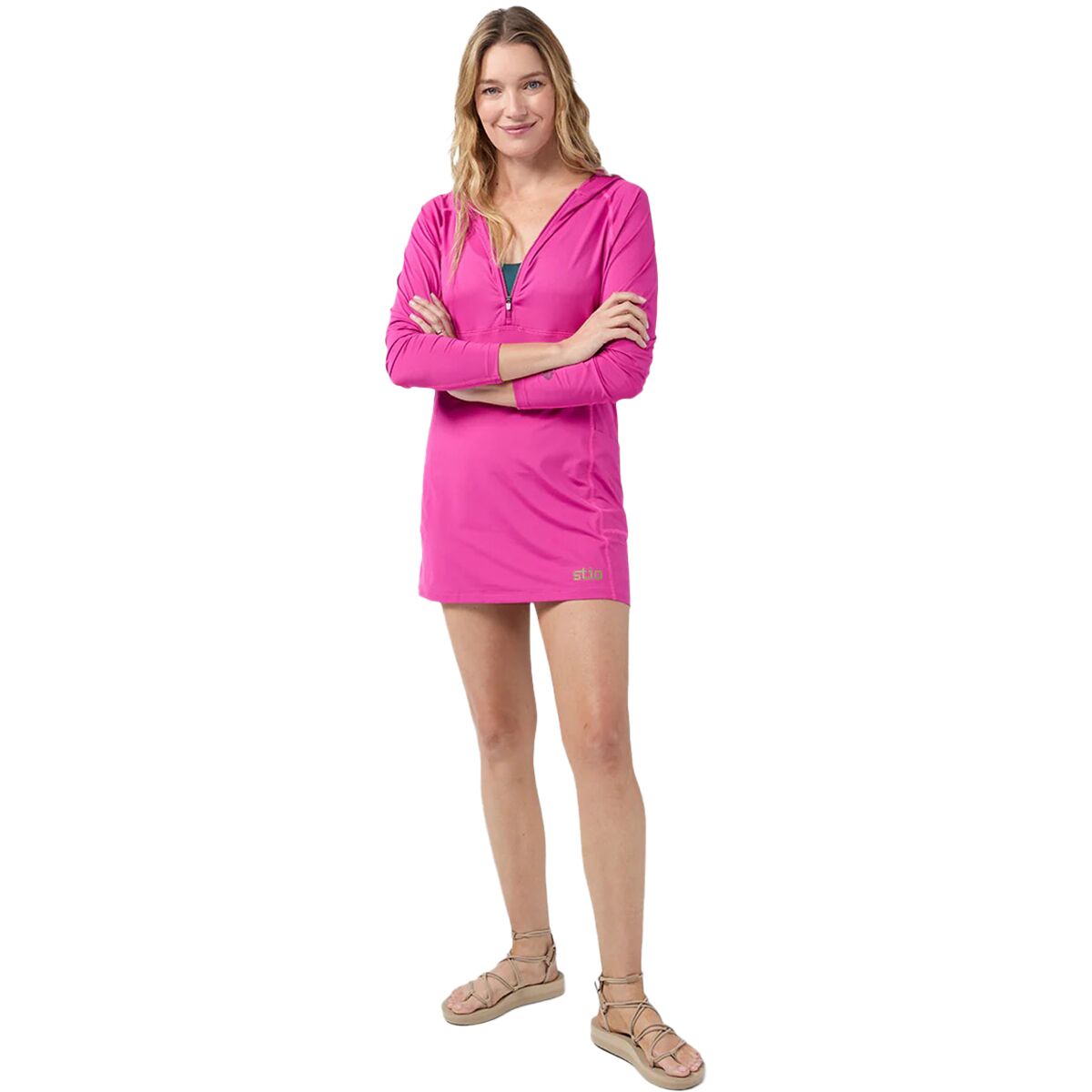 Stio Women's Hike & Camp Tops
Frequently Asked Questions
What features should I look for when choosing Stio hiking pants for multi-day backpacking?
Look for durable nylon or ripstop construction with reinforced knees, a DWR (durable water repellent) finish, and stretch panels or articulated knees for unrestricted movement. Prioritize pants that allow a base layer underneath, have secure zip pockets, and—if you expect sustained wet conditions—consider styles with a waterproof/breathable membrane like GORE‑TEX or taped seams for added protection.How should I size Stio jackets and layers for mountain hikes?
Size jackets to allow room for a merino or synthetic base layer plus a midlayer while keeping a close fit through the shoulders so arm mobility isn't restricted when carrying a pack. Check the product-specific measurement chart and consider back length for pack coverage; if you plan heavy layering, size up rather than compressing insulation.How does Stio’s merino wool baselayer compare to synthetic baselayers for multi-day use?
Merino excels at odor resistance, next-to-skin comfort, and insulating performance when damp, making it ideal for multi-day trips with limited laundry options. Synthetic baselayers dry faster and are often more abrasion-resistant during high-output days, so pairing a merino baselayer with synthetic midlayers or ventilated pieces gives a good balance of odor control and rapid moisture management.Which pack and shelter features matter most when choosing daypacks versus overnight backpacks and tents?
For day hikes choose packs in the 20–35L range with padded hipbelts, breathable back panels, and easy-access pockets; for overnight and multi-day trips look for 40–70L capacities with load-bearing hip belts, compression straps, and multiple attachment points. For shelters prioritize lightweight, fast-setup designs with durable floor fabric and good ventilation for three-season use, and match capacity and weight to your trip length and resupply plan.Which Stio jacket is best for wet, windy alpine weather versus cold, dry conditions?
For wet, windy alpine weather opt for a waterproof/breathable shell built with a membrane such as GORE‑TEX and taped seams, then layer with a breathable midlayer for activity. In cold, dry conditions choose an insulated jacket—down or high-quality synthetic—with a durable outer face and a fit that traps warmth; venting options help regulate temperature during variable exertion.