


20% Off Full-Price Items
Shop now
Big Brands Sale: Up To 40% Off
Shop now | Ends 11/19
POC Fishing
4 results

POC
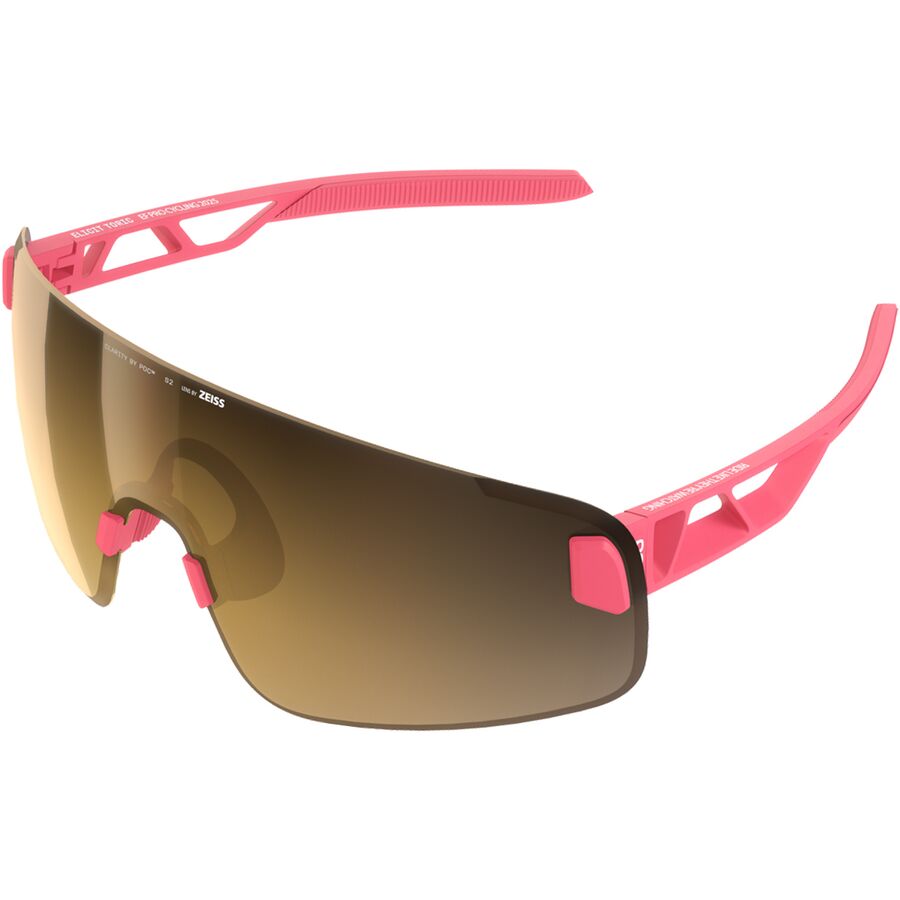
Elicit Toric Limited Edition Sunglasses
2 colors
$115.00 - $230.00
Up to 50% off
Big Brands Sale | Ends 11/19

POC
Devour Ultra Sunglasses
1 color
$300.00


POC
Devour Sunglasses
1 color
$300.00

POC
Devour Photochromic Sunglasses
1 color
$330.00
Related Categories
Frequently Asked Questions
What features should I prioritize when choosing a POC fishing jacket for inshore vs. offshore use?
Look for a multi-layer, waterproof/breathable membrane (e.g., Gore-Tex or equivalent), fully taped seams, and a durable DWR (durable water repellent) finish for offshore exposure, plus reinforced panels in high-wear areas. For inshore use prioritize lighter weight, increased ventilation, quick-dry fabrics, and high-visibility/reflective details for low-light casting. Adjustable cuffs, a helmet-compatible hood, and ergonomic cut for unrestricted arm reach are useful across both environments.How does a POC technical fishing jacket compare to a standard rain jacket for angling?
A POC technical fishing jacket typically uses multi-layer construction, higher breathability ratings, sealed seams, and angler-focused features like articulated sleeves, dedicated gear pockets, and added abrasion protection—designed for sustained activity and saltwater exposure. A standard rain jacket may keep you dry briefly but often lacks the ventilation, durability, and ergonomic patterning needed for prolonged casting or boat work. For active fishing choose a technical jacket when you need breathability, mobility, and long-term water protection.How should I size POC fishing apparel to ensure mobility for casting and layering?
Use the brand’s detailed size chart and measure chest, waist, sleeve length, and inseam; prioritize chest and sleeve measurements to preserve casting reach. For a technical, athletic fit allow room for a base layer but avoid excess bulk that can hinder movement—if you plan multiple insulating layers, size up one increment. Check product-specific notes for “articulated” or “ergonomic” cuts, which can affect whether you pick your usual size or one up.What materials and care steps extend the life and water repellency of POC fishing gear?
POC fishing apparel typically uses durable synthetics like nylon or polyester with waterproof membranes and a DWR finish; helmets use impact-rated shell materials and liners—treat those materials gently. Clean gear following the manufacturer’s instructions, avoid fabric softeners, reapply DWR treatments when water no longer beads, rinse saltwater off gear promptly, and store items dry and out of direct sunlight to preserve seams, coatings, and protective foams.