


20% Off Full-Price Items
Ends 10/26
EXTRA 20% Off Clearance
Shop now | Ends 10/26
Spend $200, Get $30 Cash Back
Summit+ only | Shop kids'
Patagonia Hiking & Camping Essentials
1 result

Patagonia
Worn Wear Patch Kit
1 color
$25.00
Discount Applies In Cart | Ends 10/26
Related Categories



Related Posts


Frequently Asked Questions
What size Patagonia pack do I need for day hikes versus multi-day backpacking?
Choose a daypack in the 20–30L range (e.g., Patagonia Nine Trails 24L) for water, snacks, a rain shell, and light layers. For overnight or multi-day trips, aim for 45–60L (Patagonia Black Hole 55L or Ascensionist 50L) so you can carry a tent, sleeping bag, stove, and food; prioritize adjustable suspension, torso-length fit, and a supportive hip belt for loads over ~20 lbs. Check pack dimensions and hip-belt adjustability to match your torso length and planned gear volume.How does the Stretch Rainshadow compare to the Houdini Wind Shirt for hiking in variable Patagonia weather?
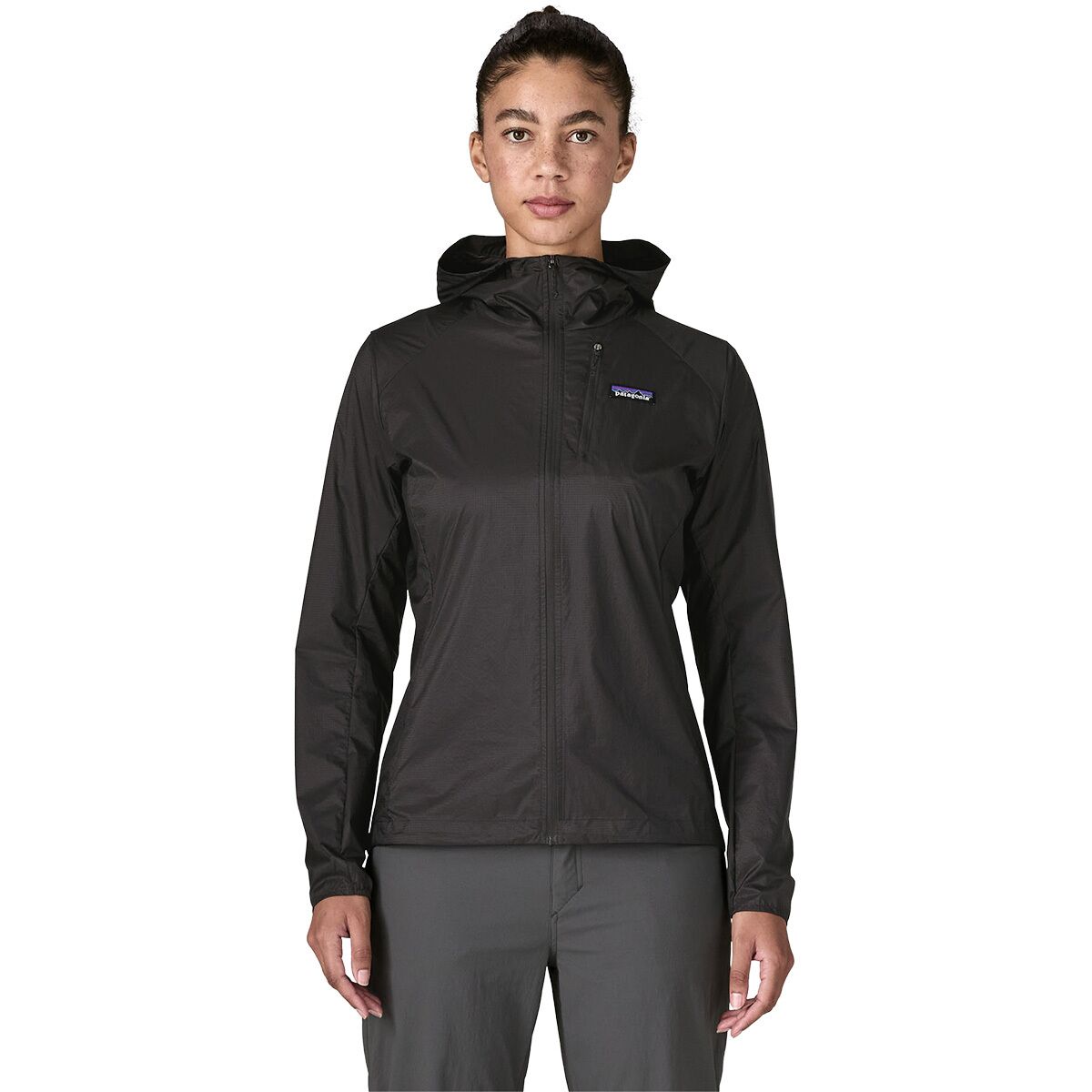
The Stretch Rainshadow uses Patagonia’s H2No waterproof/breathable membrane and a stretch face fabric for reliable rain protection and better abrasion resistance, making it a strong choice when you expect sustained wet weather. The Houdini Wind Shirt is ultralight and highly packable with excellent wind resistance and breathability, so it’s ideal for fast hikes or as an emergency shell when storms are brief. Pick Rainshadow for heavy, wet conditions and Houdini when weight and packability are the priority.When should I choose a Micro Puff Hoody versus a Down Sweater for a trekking trip?
The Micro Puff Hoody, insulated with Patagonia’s synthetic PlumaFill, maintains warmth when damp and compresses into a small stuff sack, so it’s great for wet or variable conditions where moisture is likely. The Down Sweater uses down insulation for superior warmth-to-weight in dry conditions and is usually more compressible for the same warmth in dry climates. Choose Micro Puff for wet-weather reliability and the Down Sweater for maximum loft and warmth in consistently dry, cold environments.What should I look for in a sleeping system for cold Patagonia nights?
Aim for a sleeping bag with a comfort rating around 20°F or lower for shoulder-season or alpine conditions, and pair it with a sleeping pad that has an R-value above 4 to insulate against cold ground. Prioritize a bag with reliable materials and compressibility, a pad with good side-support for shelter floors, and a low-bulk stuff sack so both items fit inside your chosen pack capacity (e.g., a 45–60L overnight pack). Also consider a durable, wind-resistant tent or bivy that pitches easily in gusty conditions.How do Patagonia base, mid, and shell layers work together and which models are good for trekking in variable weather?
Start with a moisture-wicking Capilene base layer to move sweat away from skin, add a midlayer like the Re-Tool Snap-T Fleece or a lightweight synthetic insulating layer for warmth, and top with a weatherproof shell such as the Stretch Rainshadow or a Houdini for wind protection. This system lets you shed or add layers for activity level and temperature while keeping garments packable and versatile. Look for pieces that compress small, have good mobility, and use durable, weather-resistant fabrics so each layer pulls double duty on long treks.