


Up To 50% Off Winter Sale
Shop now
Spend $200, Get $30 Cash Back
Ends Today | Summit+ only
Ski & Snowboard Gear On Sale
Shop up to 40% off
Vissla
42 results

Vissla
Vintage Vissla Organic T-Shirt - Men's
3 colors


Vissla
No See Ums Eco 18in Walkshort - Men's
4 colors
Winter Sale
(2)

Vissla
No See Ums Cord Eco Elastic Pant - Men's
2 colors

Vissla
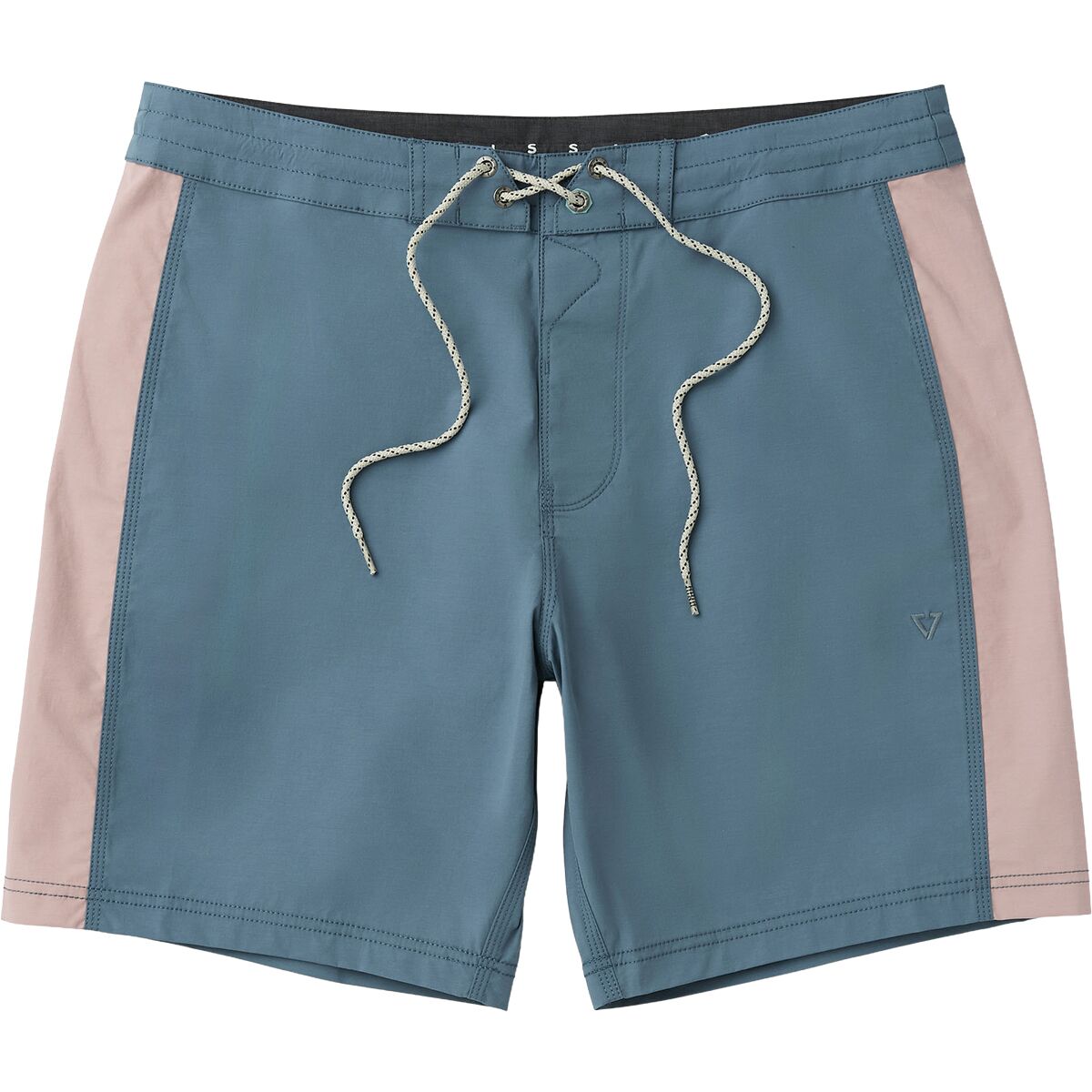
Solid Sets 18.5in Boardshort - Men's
5 colors
Winter Sale

Vissla
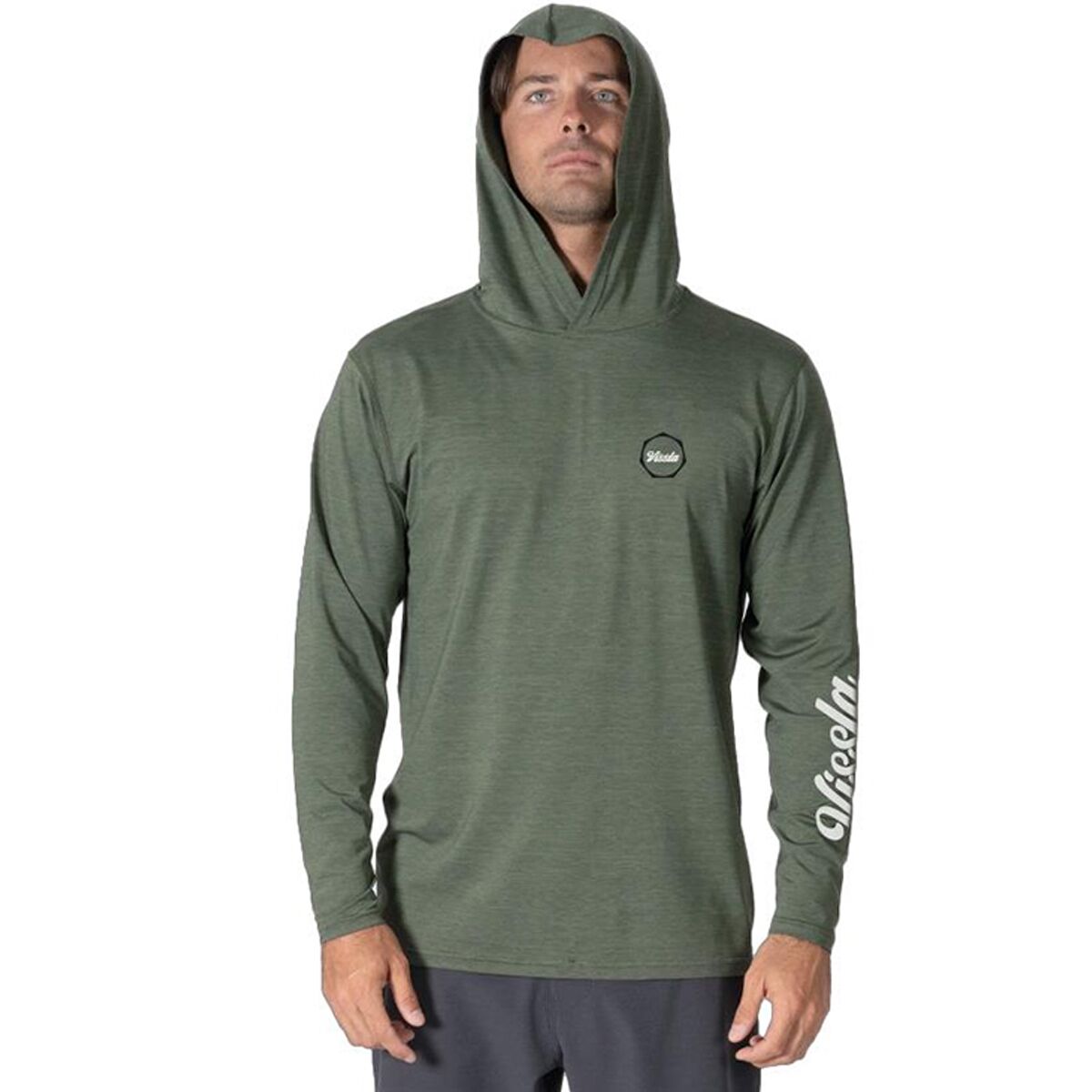
Twisted Eco Hooded Long-Sleeve Shirt - Men's
3 colors
Winter Sale
(1)

Vissla
Jungalo Hybrid Eco Short-Sleeve Shirt - Men's
2 colors
Winter Sale

Vissla
Twinzer 17.5in Boardshort - Men's
2 colors
Winter Sale
(1)

Vissla
Twisted Eco Long-Sleeve Shirt - Men's
3 colors
Winter Sale
(2)

Vissla
Solid Sets 17.5in Ecolastic Short - Men's
2 colors
Winter Sale

Vissla
Pro Comp Long-Sleeve Sun Shirt - Men's
1 color
Winter Sale

Vissla
Twisted Eco Short-Sleeve Shirt - Men's
3 colors
Winter Sale

Vissla
Peaky T-Shirt - Men's
1 color
Winter Sale

Vissla
No See Ums Hybrid Eco 18in Elastic Walkshort - Men's
3 colors

Vissla
New Wind Eco Pullover Hoodie - Men's
2 colors
Winter Sale

Vissla
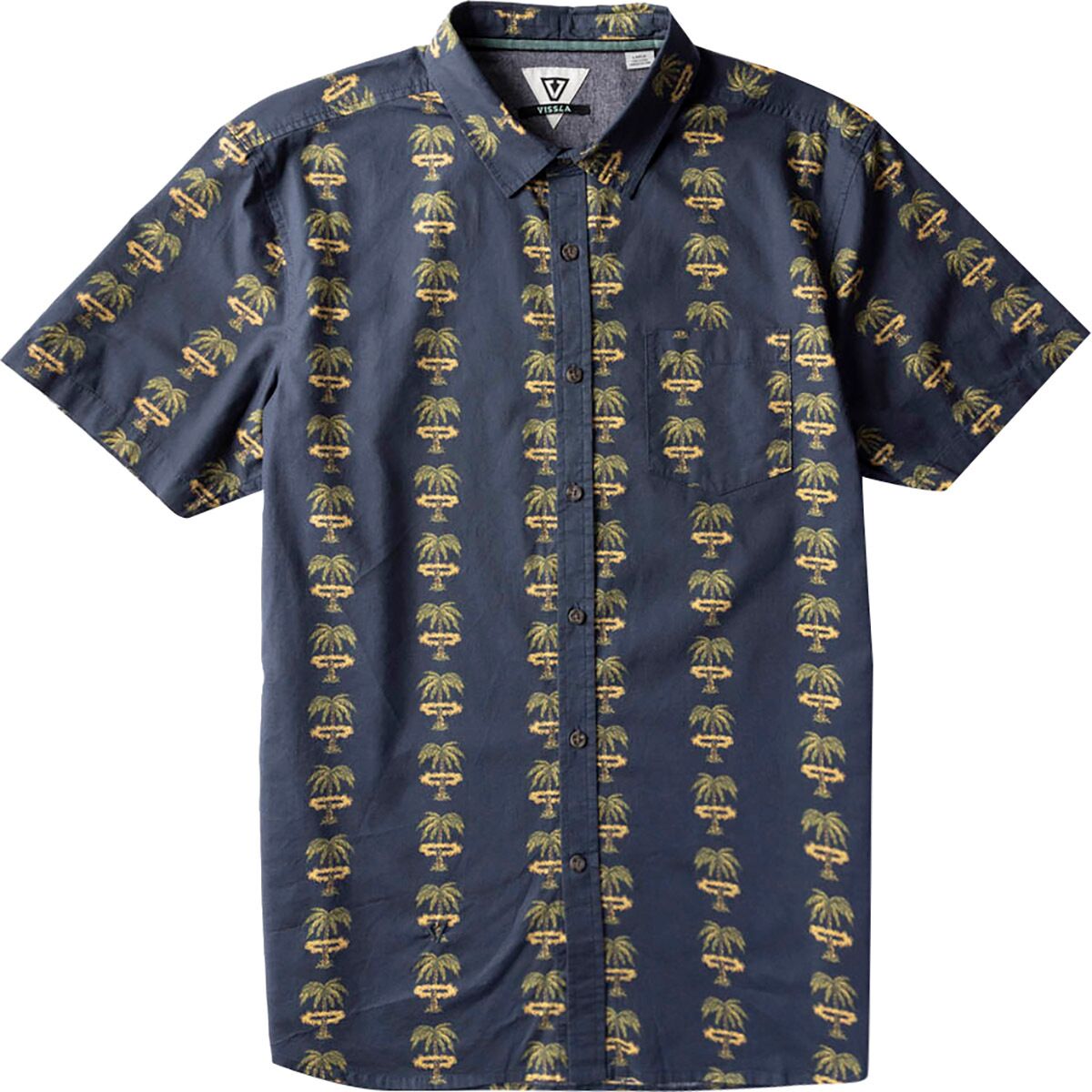
Tropicanica Hybrid Eco Short-Sleeve Shirt - Men's
1 color
Winter Sale

Vissla
Polisher Eco Flannel Shirt - Men's
2 colors

Vissla
Lost Coast 17.5in Boardshort - Men's
1 color
Winter Sale

Vissla
Solid Sets Cosmic Wash PKT T-Shirt - Men's
2 colors
Winter Sale

Vissla
Utility 18.5in Elastic Walkshort - Men's
2 colors
Winter Sale

Vissla
Double Shaka Trucker Hat
1 color
Winter Sale

Vissla
Short Sets 16.5in Board Short - Men's
1 color

Vissla
Alto Eco 18in Elastic Walkshort - Men's
2 colors
Winter Sale

Vissla
Established Premium Organic Pocket T-Shirt - Men's
4 colors

Vissla
TEC Abundant Organic T-Shirt - Men's
2 colors
Winter Sale

Vissla
High Water Organic PKT T-Shirt - Men's
2 colors

Vissla
Sidewinder 17.5in Boardshort - Men's
2 colors
Winter Sale

Vissla
Red Hot Cosmic Wash T-Shirt - Men's
3 colors
Winter Sale

Vissla
Grad Stripe Short-Sleeve Shirt - Men's
2 colors
Winter Sale

Vissla
Arachnid T-Shirt - Men's
1 color
Winter Sale

Vissla
Descanso Hooded Popover - Men's
1 color

Vissla
Tonga Shores Short-Sleeve Shirt - Men's
2 colors
Winter Sale

Vissla
Canyons Hybrid 18.5in Walkshort - Men's
2 colors

Vissla
No See Ums Cord Eco 17in Elastic Walkshort - Men's
2 colors

Vissla
Fin Box Hybrid 19.5in Walkshort - Men's
3 colors

Vissla
Grad Stripe 17in Elastic Linen Walkshort - Men's
1 color
Winter Sale

Vissla
Keana Short-Sleeve Shirt - Men's
2 colors
Winter Sale

Vissla
Vintage Vissla Premium Organic T-Shirt - Men's
2 colors
Winter Sale

Vissla
Offshore Eco PO Hoodie - Men's
2 colors

Vissla
Paddle Out Cosmic Wash T-Shirt - Men's
1 color
Winter Sale

Vissla
Offshore Eco Pullover Hoodie - Men's
1 color
Winter Sale

Vissla
Lost Coast Short-Sleeve Shirt - Men's
1 color
Winter Sale

Vissla
Ecology Center 16.5in Ecolastic Short - Men's
1 color
Winter Sale
(1)
Related Categories

Frequently Asked Questions
How do I choose the right Vissla wetsuit thickness for my local water temperature and activity?
Choose a thickness based on water temperature and session length: rashguards are best for 23°C+; 2/2mm suits (often chest-zip) work around 19–23°C; 3/2mm is good for ~16–18°C; 4/3mm (typically 4mm torso/3mm limbs) handles cooler conditions ~13–15°C; and hooded 5/4mm setups are for ~10–12°C. Also factor activity intensity and personal cold tolerance, and pair suits with 3–5mm booties or 3mm gloves/hoods for added warmth in cold water.What materials and construction features set Vissla wetsuits apart?
Vissla combines Japanese limestone neoprene with ECO Carbon Black (from recycled tires), dope-dyed yarns, and Aquaα® water-based glue to cut petrochemical use, dye water, and CO2. Construction features like triple glue and blind stitch seams, Thermal Fever Fiber linings, Supertex knee pads, and lightweight laminations prioritize warmth, stretch, and durability without compromising eco-credentials.How do Vissla Cocotex® boardshorts and rashguards perform for surf sessions and long days in the water?
Cocotex® boardshorts use coconut-husk-derived fibers for a stretchy, breathable, fast-drying fabric that resists odors via activated carbon and reduces chafe during long sessions. Vissla rashguards use eco-fabrics with UPF protection and quick-dry stretch to minimize rash and sun exposure while maintaining mobility for paddling and maneuvers.How should I size Vissla boardshorts, wetsuits, and cold-water accessories for the best fit and performance?
Aim for a snug, performance-oriented fit that allows full range of motion without excess water entry: wetsuits should feel close across the torso and shoulders (neoprene stretches with use), boardshorts should follow the brand’s performance cut for freedom of movement, and booties/hoods/gloves should fit snugly without pinching. When in doubt, consult Vissla’s sizing charts for torso length and limb fit and consider trying a slightly different thickness or cut if you’re between sizes.How does the Vissla 7 Seas 4/3mm compare to the High Seas 3/2mm for surfing conditions?
The 7 Seas 4/3mm provides thicker torso insulation and generally better cold-water protection, making it more suitable for cooler surf days around 13–15°C and for longer sessions, while the High Seas 3/2mm favors flexibility and lighter warmth for transitional temperatures around 16–18°C. If mobility and quick shedding of water are priorities in milder conditions choose the 3/2mm; for extra core warmth or choppy, windier days opt for the 4/3mm (or step up to a hooded 5/4mm for sub-12°C).