


Up To 30% Off Full-Price Items
Shop now
Up To 50% Off Winter Sale
Shop now
Ski & Snowboard Gear On Sale
Shop up to 40% off
Wondery Hike & Camp
4 results


Wondery
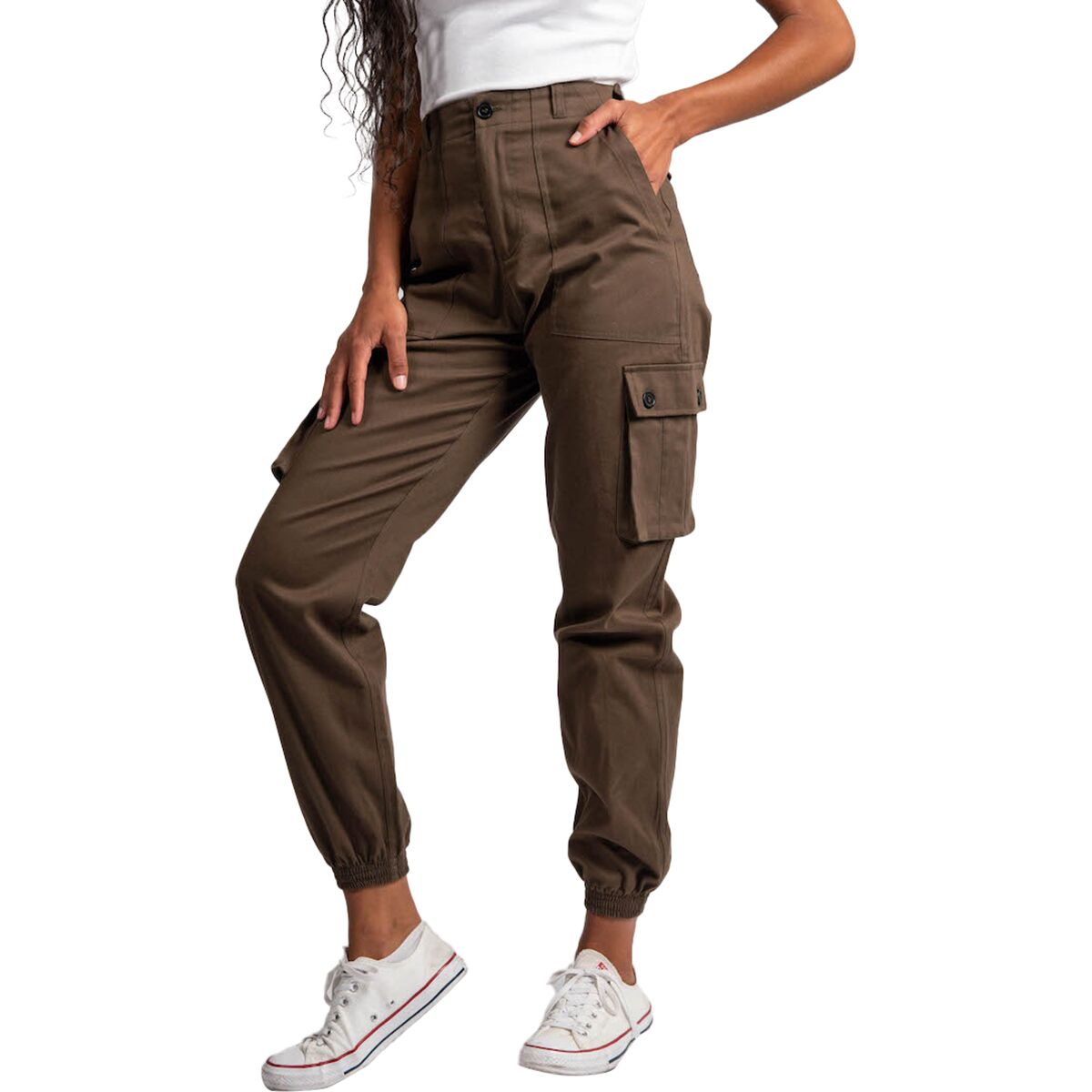
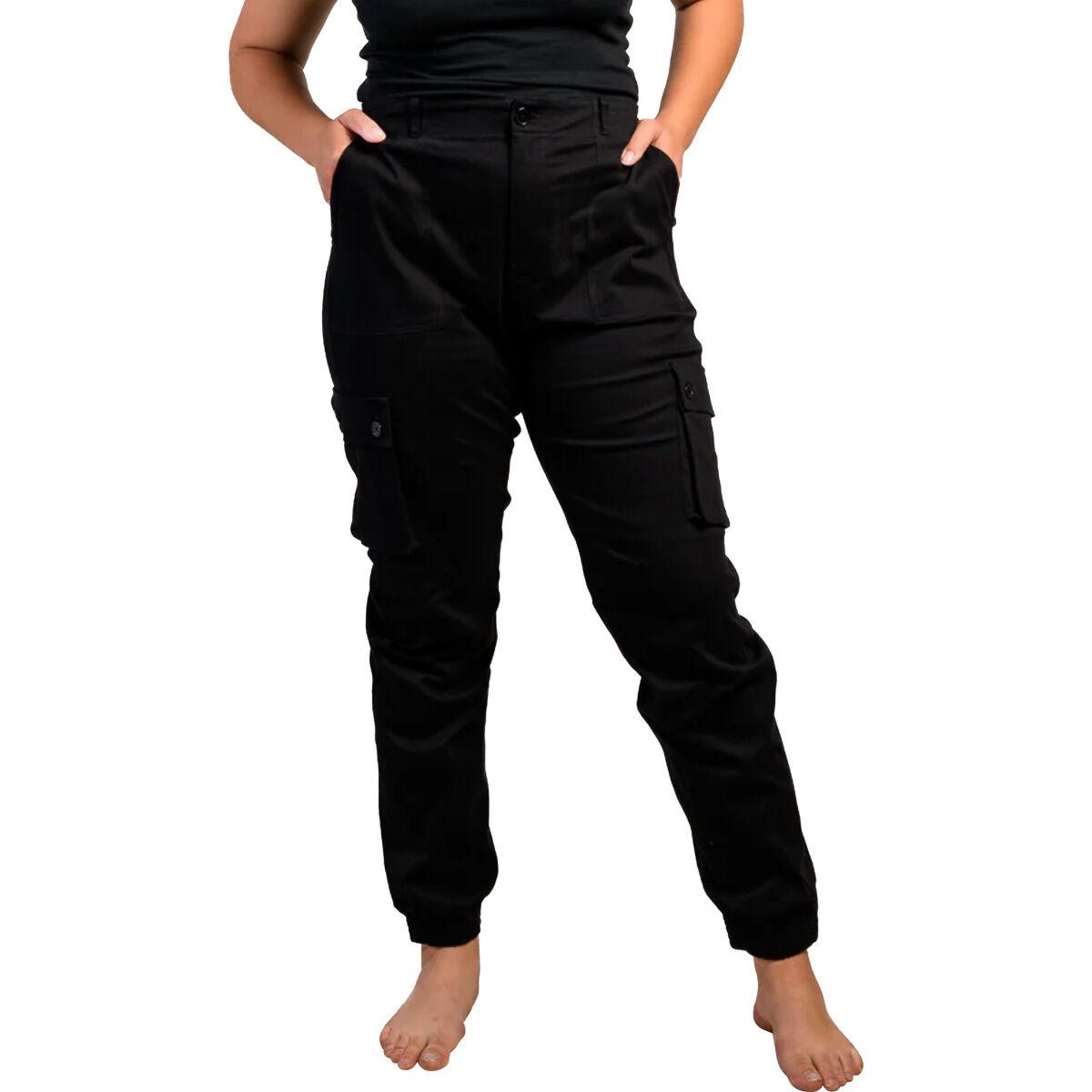
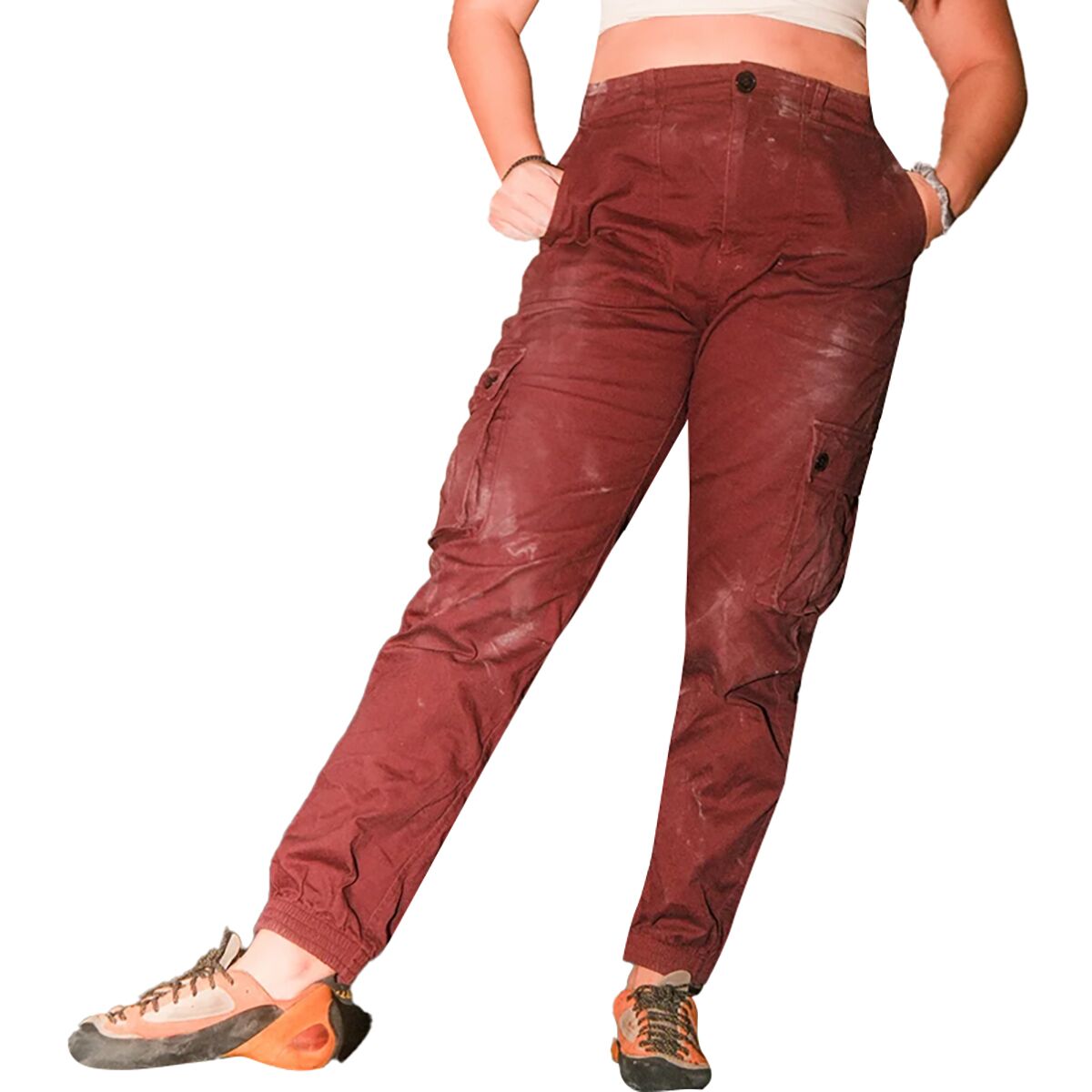
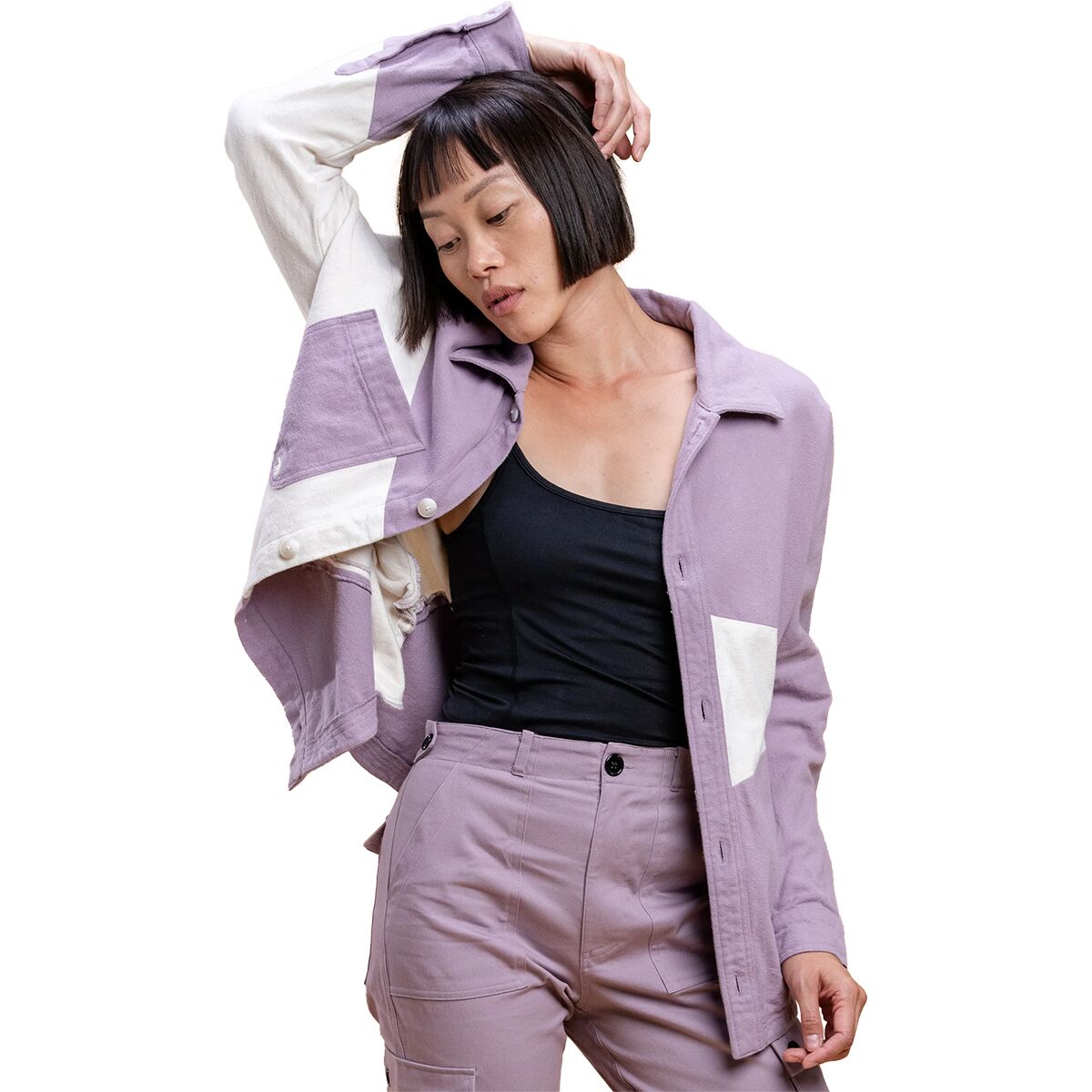
Isabel 3.0 Outdoor Pant - Women's
4 colors
$109.95 - $125.00
Discount Applies In Cart | Ends 11/16
(9)

Wondery
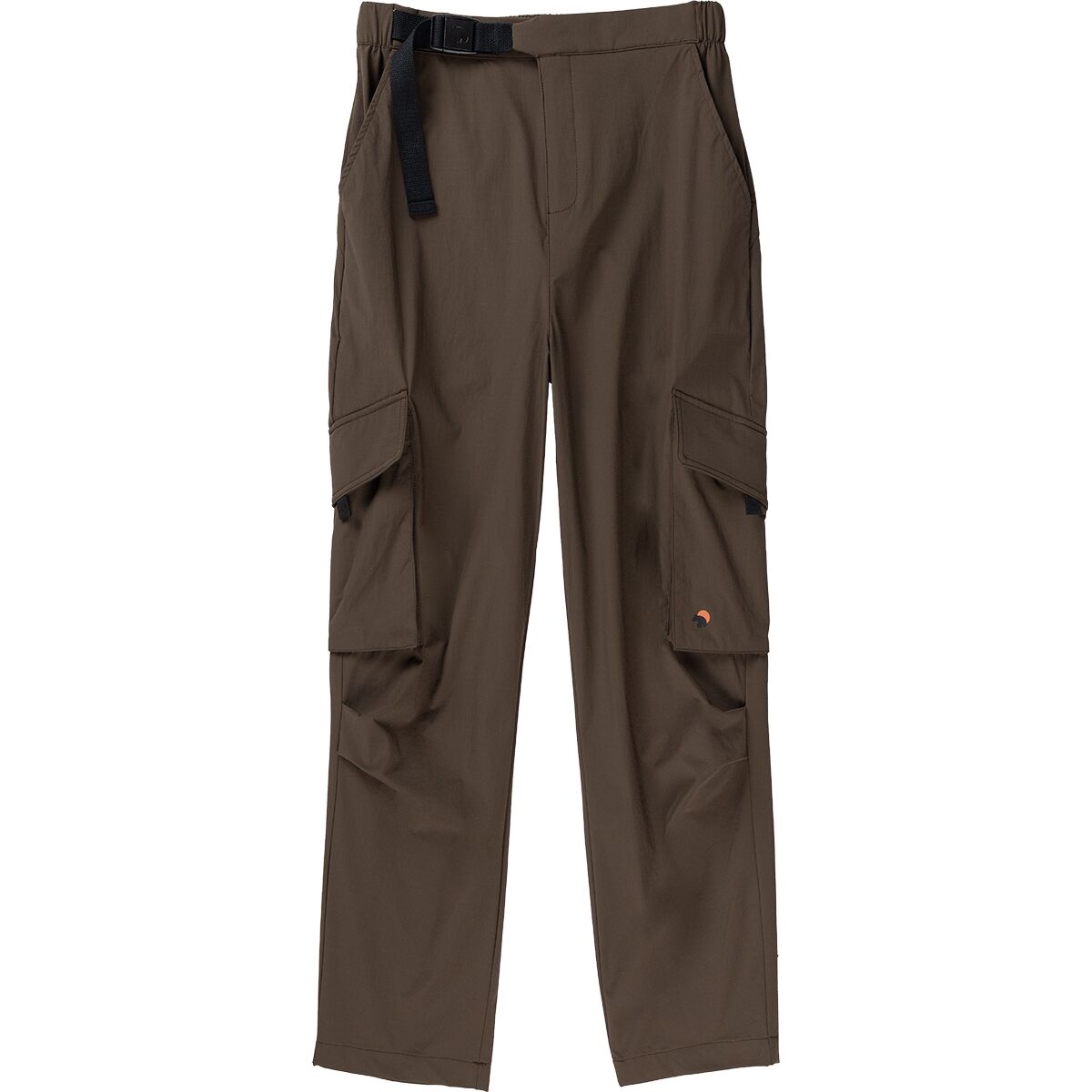
Morongo Trail Pant - Women's
1 color
Current price: $78.75 Original price: $105.00
25% off
Winter Sale

Wondery
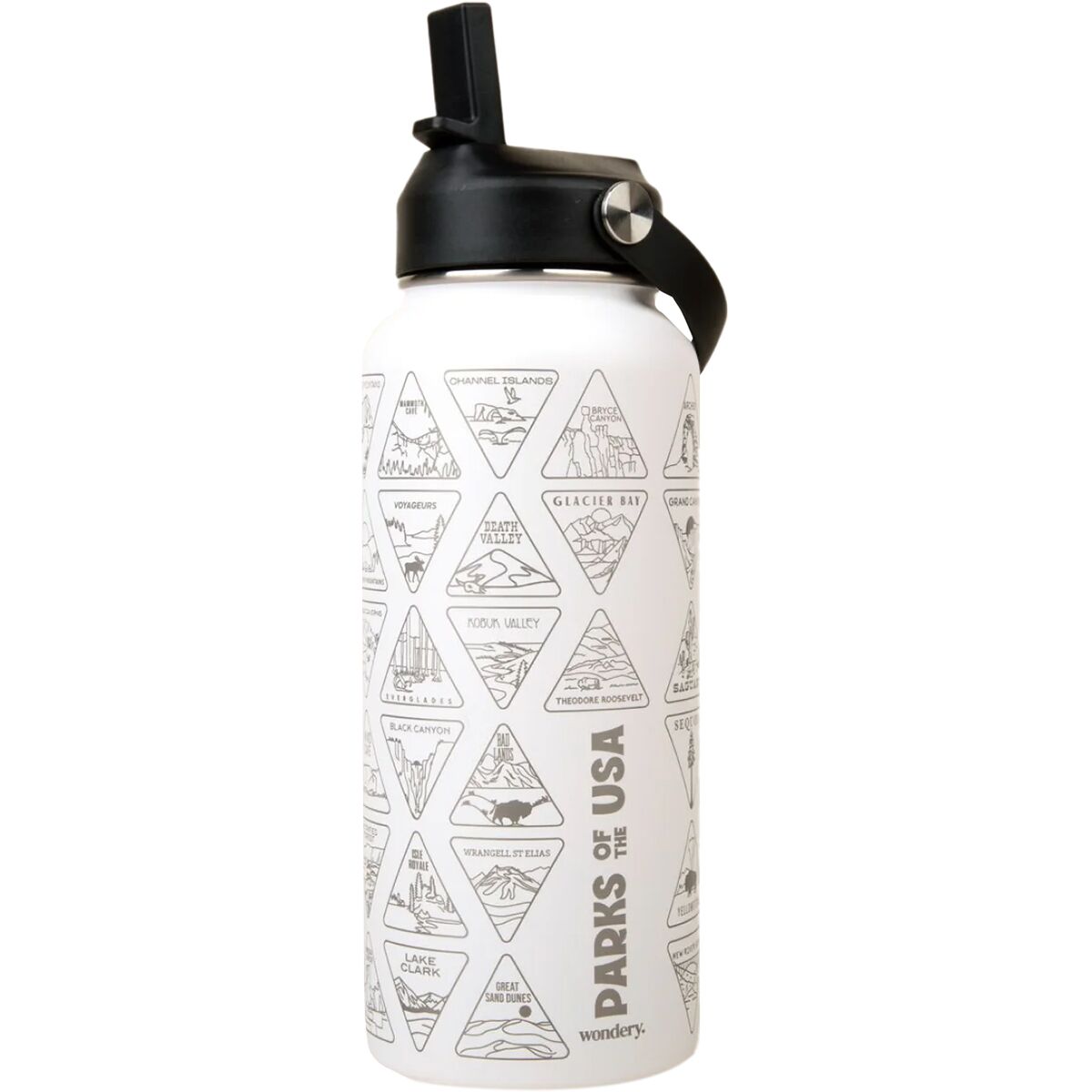
Parks of the USA Bucket List Bottle
3 colors
$58.00
Discount Applies In Cart | Ends 11/16


Wondery
Chuparosa Tank Top - Women's
2 colors
Current price: $24.00 Original price: $47.95
50% off
Winter Sale
Related Categories



Frequently Asked Questions
How do I choose the right pack size and fit for day hikes versus multi-day trips?
Pick volume based on trip length and how much group gear you carry—daypacks commonly sit in the 20–35L range (models like the Talon 33 are popular daypacks), while multi-day trips typically need 50–70L. Fit by torso length and hip-belt placement: try packs with a 10–20 lb load to confirm the hip belt carries most weight and the shoulder straps are comfortable. Also check for features you need—hydration sleeve, hip-belt pockets, trekking-pole attachment, and compression straps.How does the Altra Lone Peak 9+ compare to a traditional waterproof hiking boot for mixed terrain?
The Altra Lone Peak 9+ is a zero‑drop trail runner with a wide toe box and lighter weight that excels for faster approaches, summer trails, and days when breathability and agility matter. Traditional hiking boots offer more ankle support, protective randing, and often waterproof membranes (e.g., GORE‑TEX) that perform better on rocky, wet, or heavy‑pack terrain. Choose Lone Peak for speed and comfort on benign trails and a boot when you need protection, ankle stability, or sustained load‑carrying.When should I bring a satellite communicator like the inReach Mini 3+ and what features matter?
Bring an inReach Mini 3+ on trips where cellular coverage is unreliable or where an interactive SOS is prudent—it provides two‑way messaging, interactive GEOS emergency response, and basic navigation when paired with a phone. Key features to weigh are satellite network (Iridium), two‑way text capability, battery life relative to your itinerary, and whether it pairs with topo maps and weather services. Carry and test it before the trip so you know pairing, messaging, and SOS procedures.What materials and construction features should I prioritize in tents and trekking poles for balancing weight and durability?
For poles, carbon fiber (e.g., Alpine Carbon) gives the best weight savings but can be more brittle under side loads, while aluminum shafts are heavier but tougher for rugged, technical use. For tents, look for silicone‑ or polyurethane‑coated ripstop fabrics, taped seams, a bathtub floor, reinforced guy points, and quality zippers to maximize weather resistance and longevity. Decide which is more important for your use case—ultralight performance for fastpacking or heavier, more rugged construction for extended backcountry abuse.How do I match hydration and water‑treatment options to trip length and terrain?
Aim for a baseline 2–3L of carried water for day hikes and increase capacity for hot, dry, or remote routes; use a bladder or bottles depending on refill convenience and freezing risk. For purification, choose filters (Sawyer, pump filters) or gravity systems for dirtier sources, and UV devices (Steripen) or chemical tablets for fast, lightweight treatment—LifeStraw is a good emergency backup. Consider flow rate, maintenance, weight, and ease of use when selecting a solution, and always carry a backup method.