


Up To 30% Off Full-Price Items
Shop now
Up To 50% Off Winter Sale
Shop now
Ski & Snowboard Gear On Sale
Shop up to 40% off
Rossignol Women's Footwear
4 results
HSA/FSA Eligible

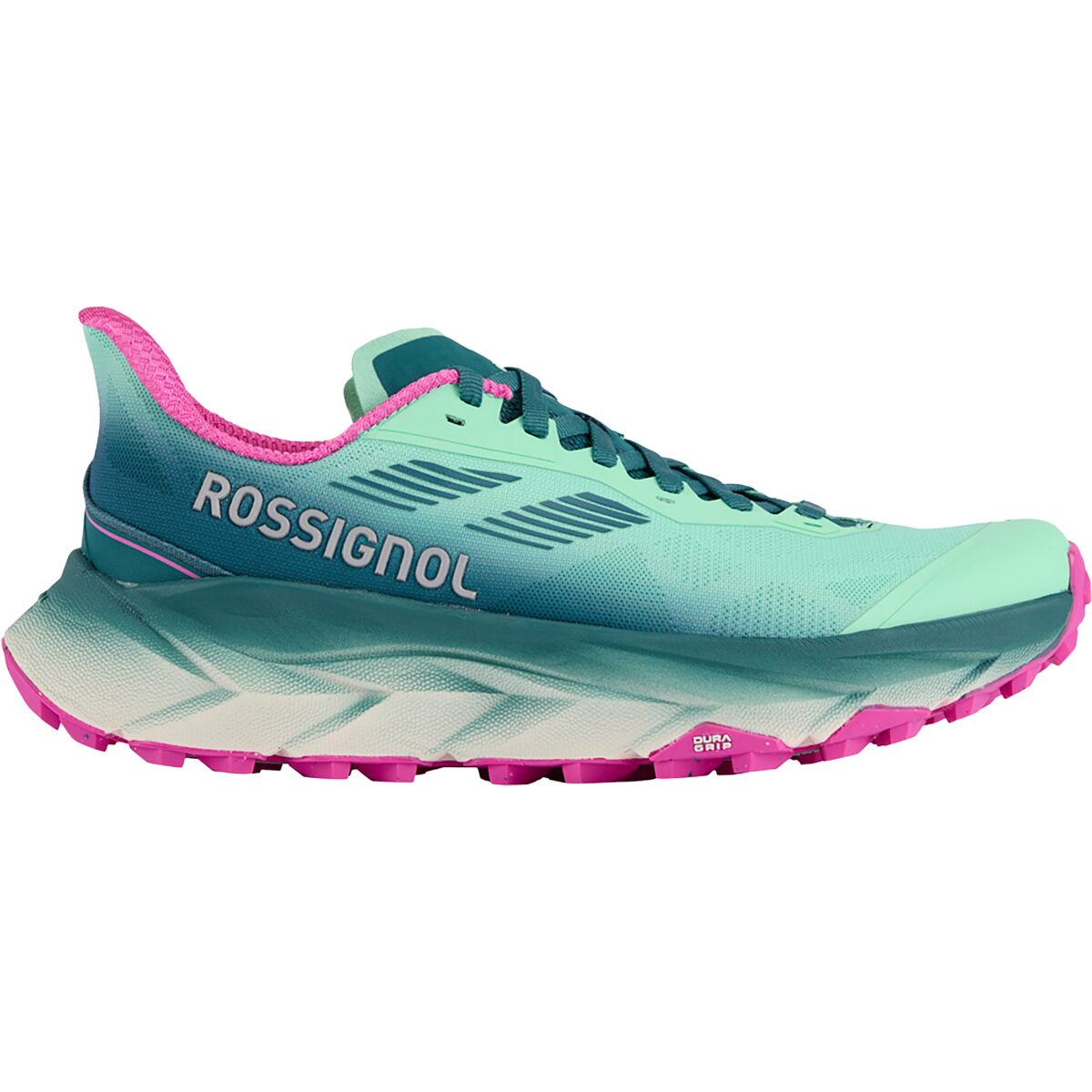
Rossignol
Vezor Trail Running Shoe - Women's
2 colors
Current price: $99.00 - $108.00 Original price: $180.00
Up to 45% off
Winter Sale
HSA/FSA Eligible

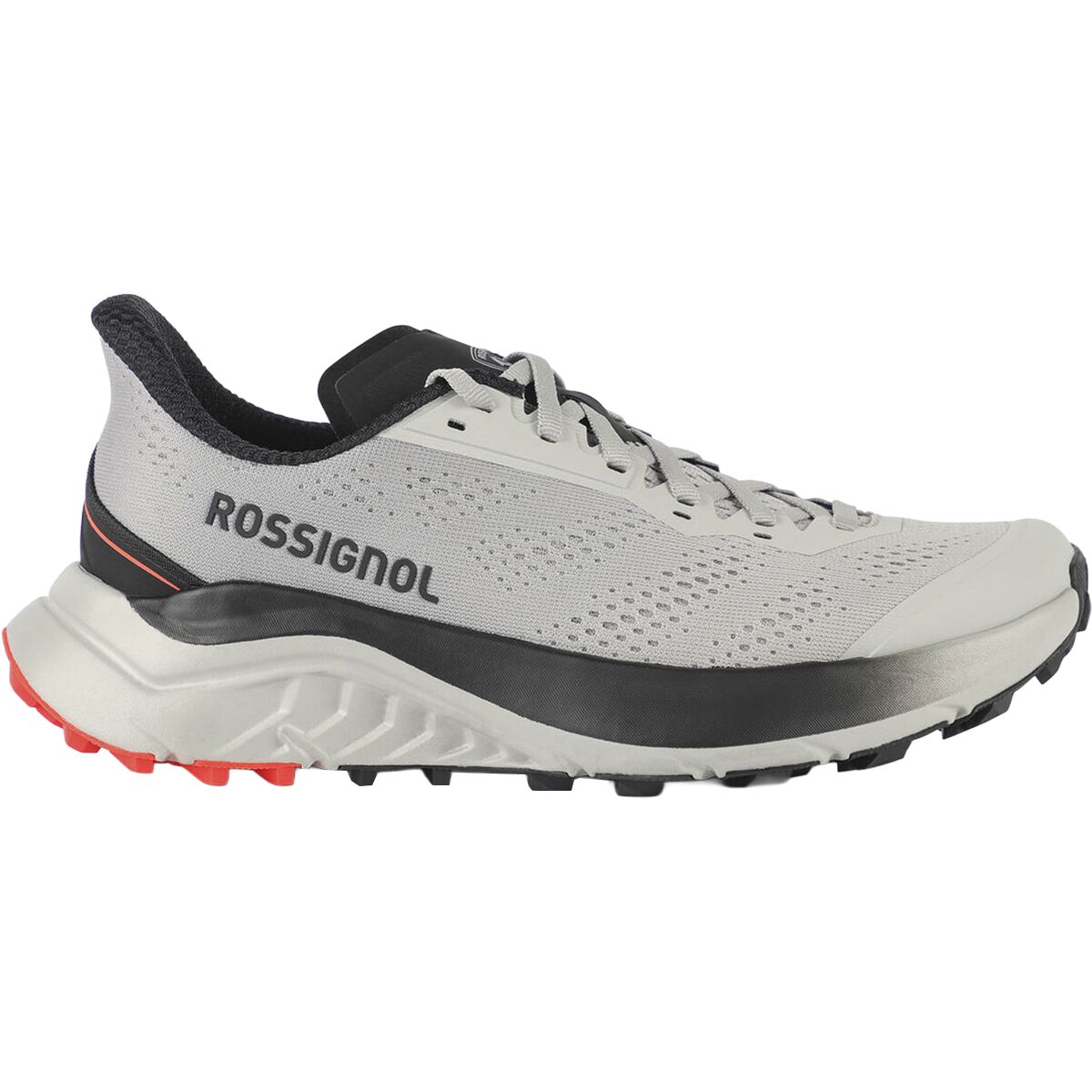
Rossignol
Venosk Trail Running Shoe - Women's
2 colors
Current price: $83.97 Original price: $140.00
40% off
Winter Sale
(6)
HSA/FSA Eligible

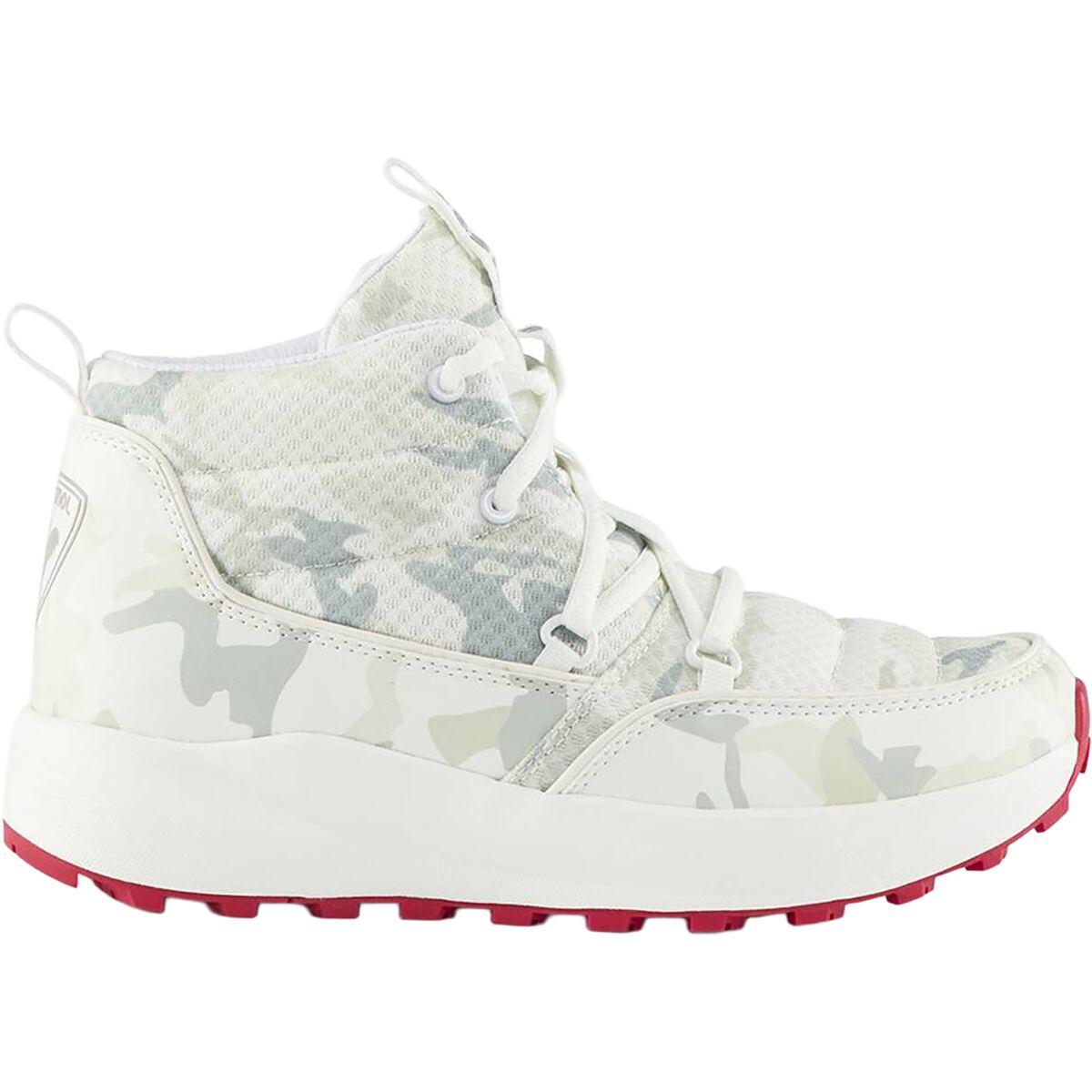
Rossignol
Vercors Trail Running Shoe - Women's
2 colors
Current price: $95.97 Original price: $160.00
40% off
Winter Sale
(1)
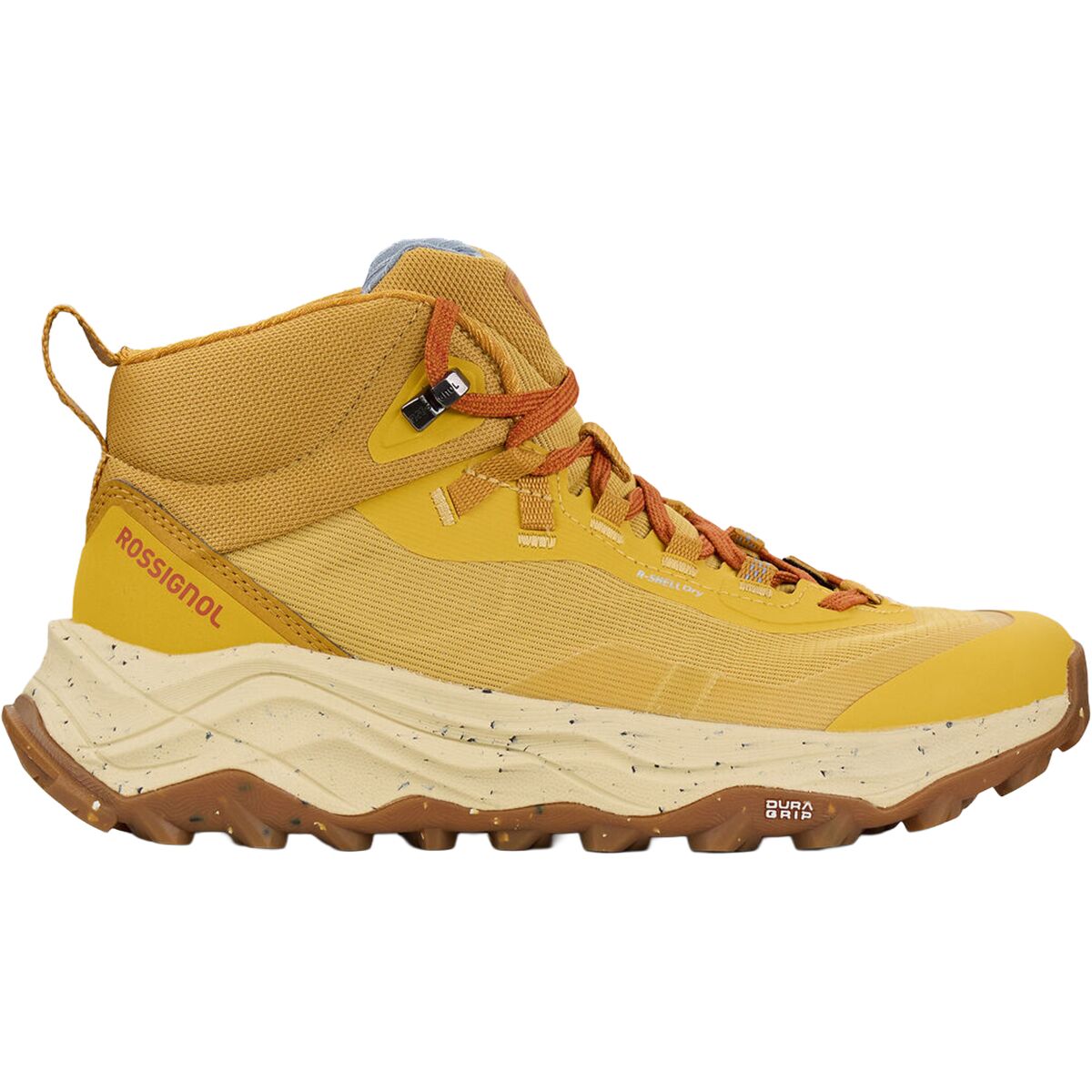
HSA/FSA Eligible

Rossignol
Altridge Mid R-Shell Dry Hiking Shoe - Women's
1 color
$180.00
Discount Applies In Cart | Ends 11/16
Related Categories
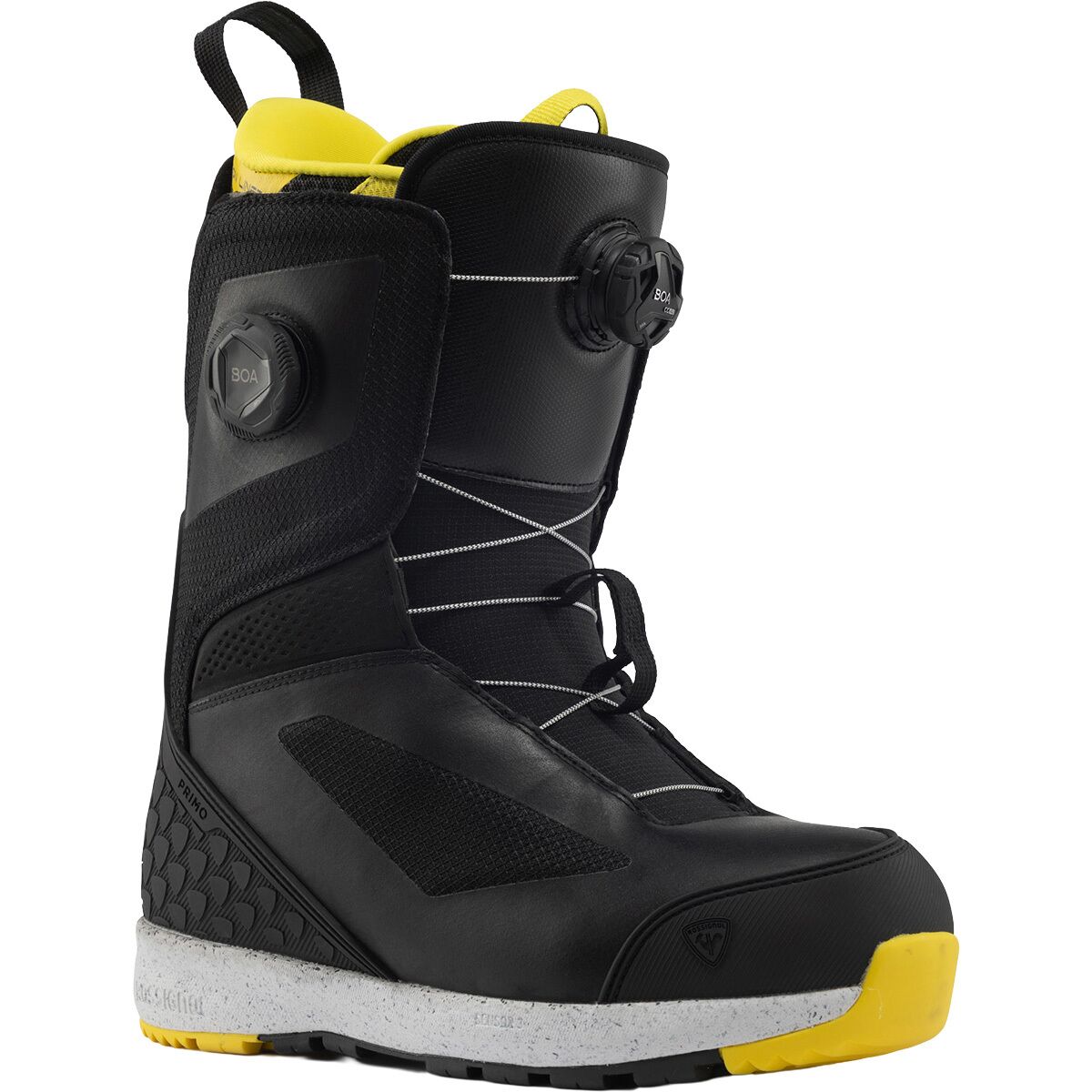
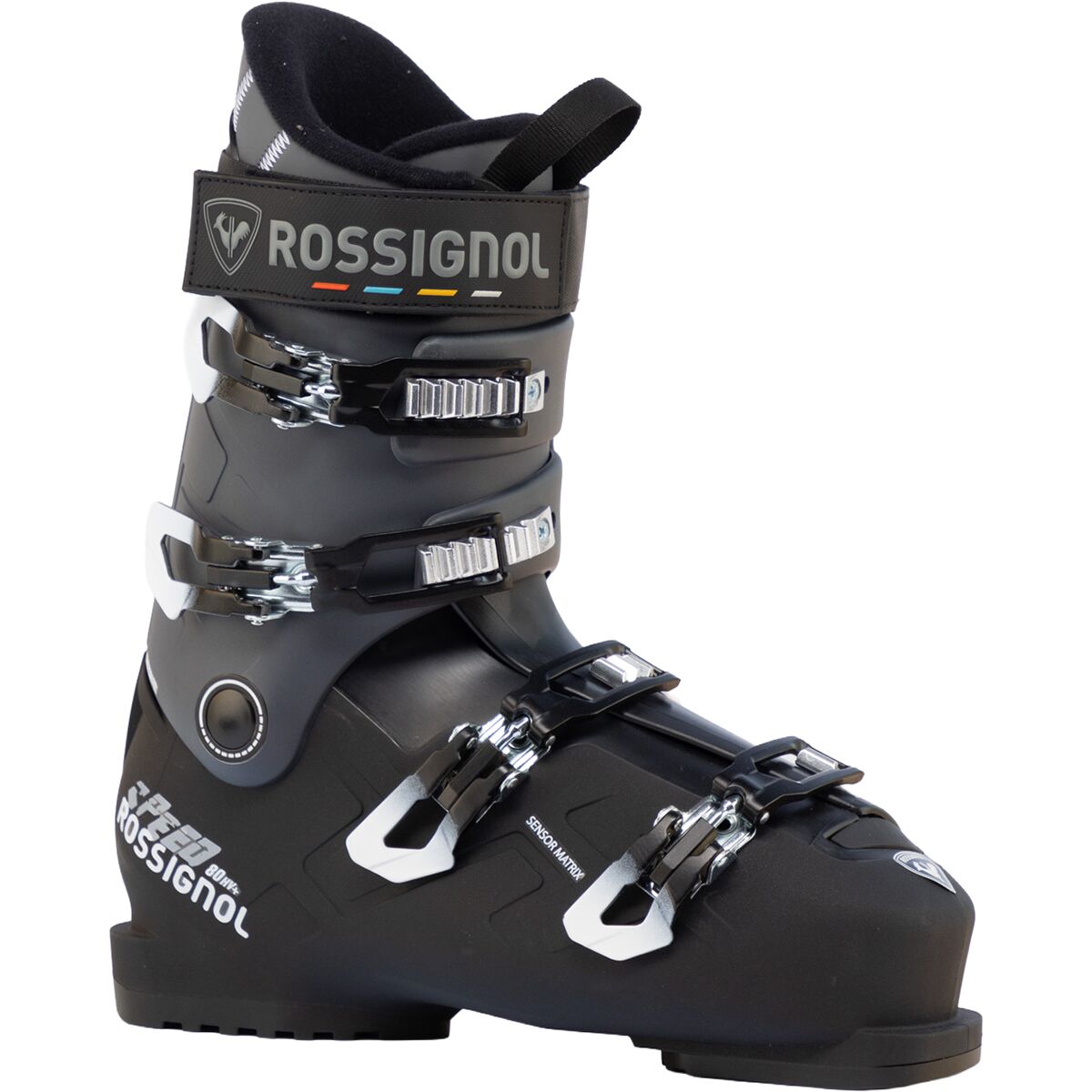
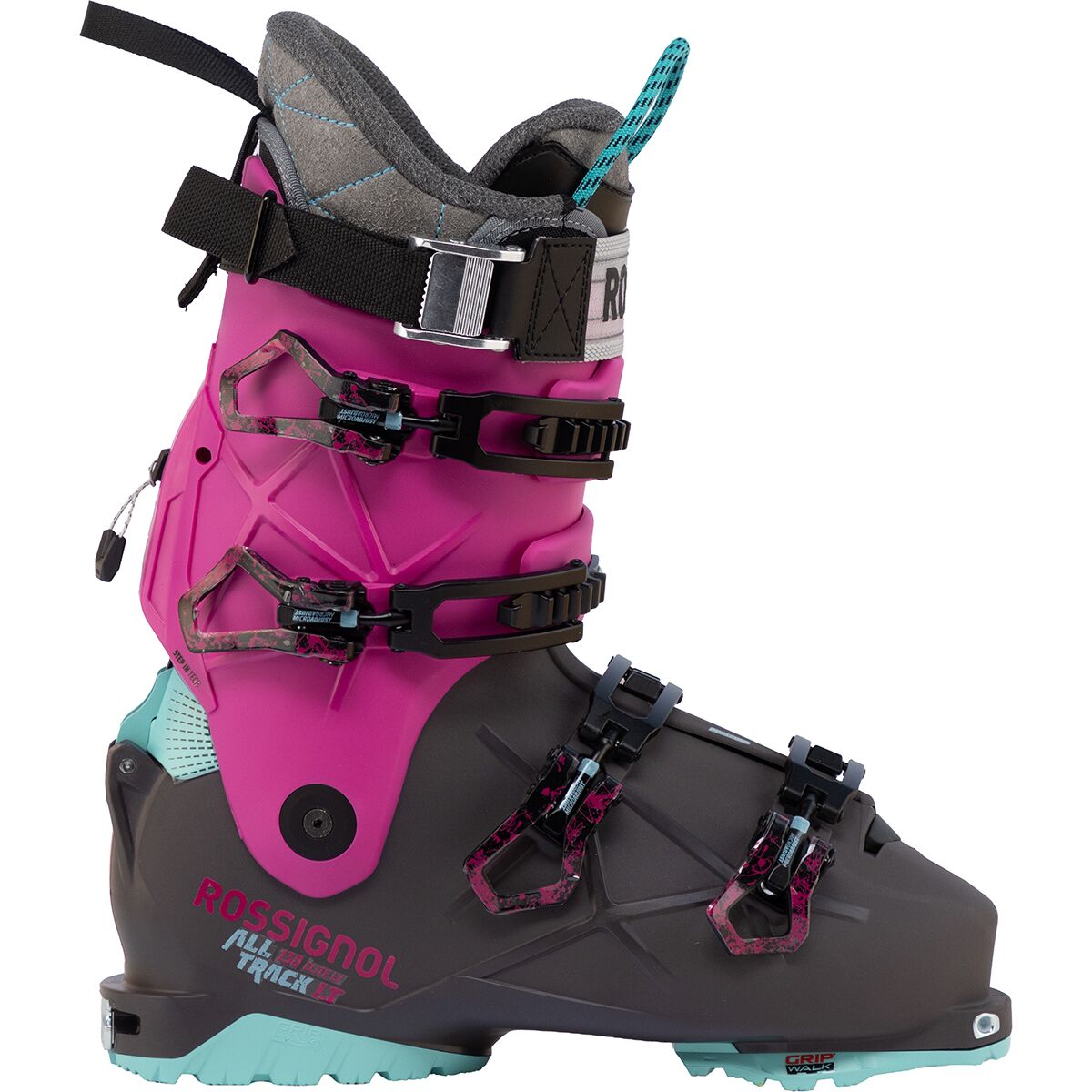

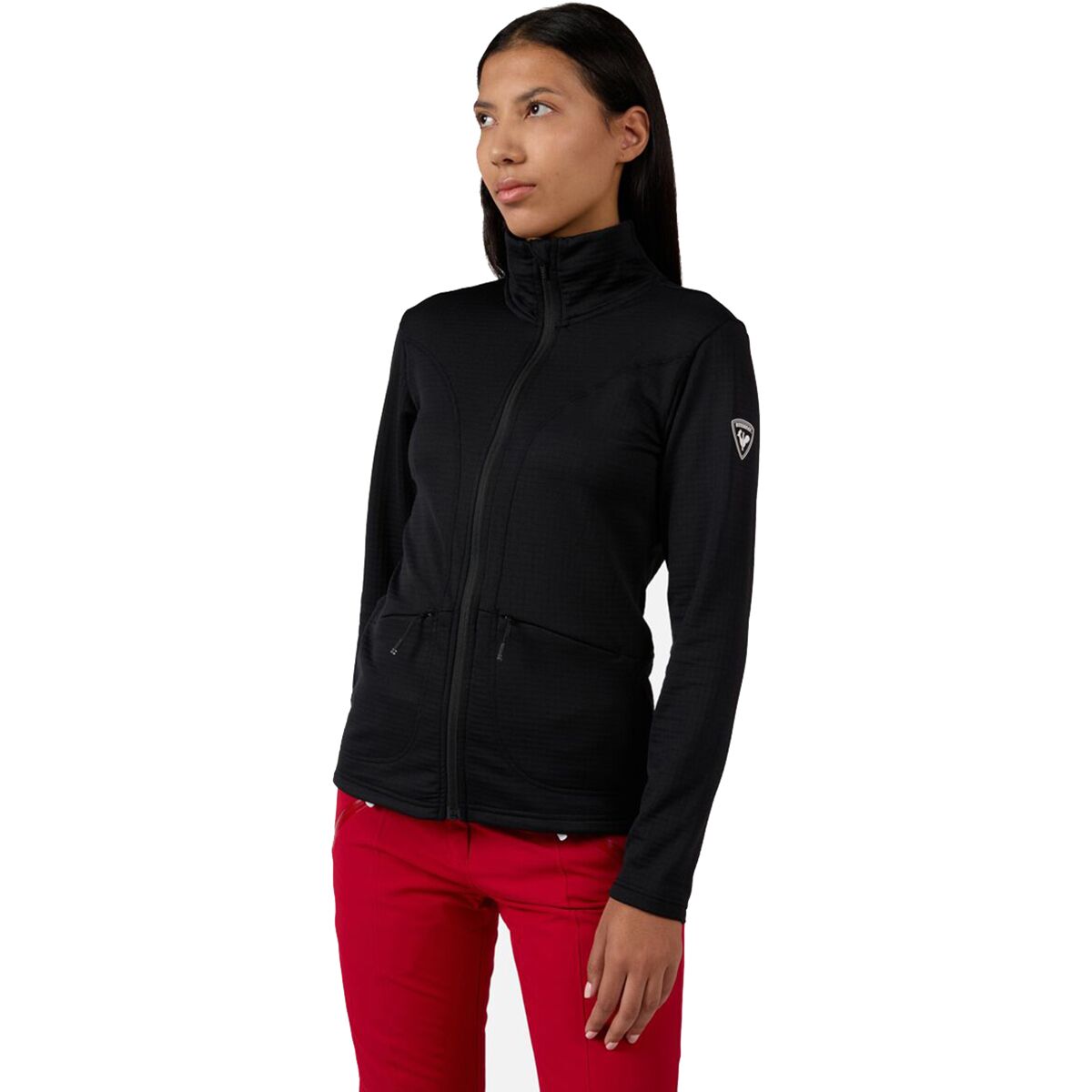
Frequently Asked Questions
Which Rossignol women's shoes are best for city walking, light trails, après-ski, and alpine skiing?
Rossignol designs category-specific styles: low-profile sneakers and the SKPR Light are best for everyday city walking and light trails, Altiridge Mid R‑Shell and other active outdoor shoes handle longer hikes and mixed terrain, Chalet White Shoes 2.0 and Chalet Traction are made for après‑ski warmth and easy on/off, and ski boots like the Pure 70, Pure 90, Alltrack 80 HV, and Vizion 4B Pro 90 GW are built for on‑snow performance. Choose by activity first—comfort and tread differ substantially between a sneaker, a waterproof R‑Shell hiking shoe, and a flex‑rated ski boot.How should I size Rossignol women's footwear and what fit features should I consider?
Rossignol generally runs a medium width with ski boots often built on a ~102mm last for more comfort; many boots have thermo‑moldable liners and Sensor3 inserts to fine‑tune fit. For sneakers and hikes, check heel‑to‑toe drop (the SKPR lists about an 8mm drop) and try shoes with the socks you’ll wear for the activity; for ski boots aim for a snug shell fit before molding the liner. If you have wide or narrow feet, look for models explicitly stating a wide last or “HV” (high volume) options like the Alltrack 80 HV.What materials and technologies keep Rossignol women's shoes warm, dry, and supportive?
Rossignol mixes premium leather and technical textiles with insulation systems such as synthetic fur, Thinsulate, or Wintherm for warmth, and uses HDry® membranes or PFC‑free DWR treatments for water resistance in many hiking and outdoor models. Outsoles combine injected EVA and recycled rubber lugs for grip, while performance features in ski boots include Sensor Blade torsional reinforcement and generative‑design grid shells for lightweight power transmission. Many casual and après models also use EVA midsoles and molded footbeds to balance cushioning and support.How does the Pure 70 compare to the Pure 90, and who should choose each?
The Pure 70 has a softer, more forgiving flex suited to beginner‑to‑intermediate skiers who prioritize comfort and ease of turn initiation, while the Pure 90 offers a stiffer flex for intermediate‑to‑advanced skiers seeking more edge control and responsiveness. Both models use Rossignol liners (often thermo‑moldable) for improved fit, so choose the Pure 70 if you want a relaxed, comfort‑oriented ride and the Pure 90 if you need higher precision and support at speed.Can I use Rossignol hiking shoes and sneakers for wet winter village walks and slushy conditions?
Some Rossignol hiking shoes feature HDry® or R‑Shell membranes and DWR treatments that perform well in wet conditions, but many après‑ski and casual sneakers are insulated for warmth rather than fully waterproof. For slushy or consistently wet winter days, pick an R‑Shell/HDry® hiking model or a boot with a waterproof membrane; for short village walks, insulated Chalet styles provide warmth but may require reproofing and careful drying to maintain materials. Regularly clean soles, reapply DWR as needed, and let insulated liners dry fully to preserve performance and longevity.