


Up To 30% Off Full-Price Items
Shop now
Up To 50% Off Winter Sale
Shop now
Ski & Snowboard Gear On Sale
Shop up to 40% off
ROAM Adventure Co Rooftop Tents
4 results

ROAM Adventure Co
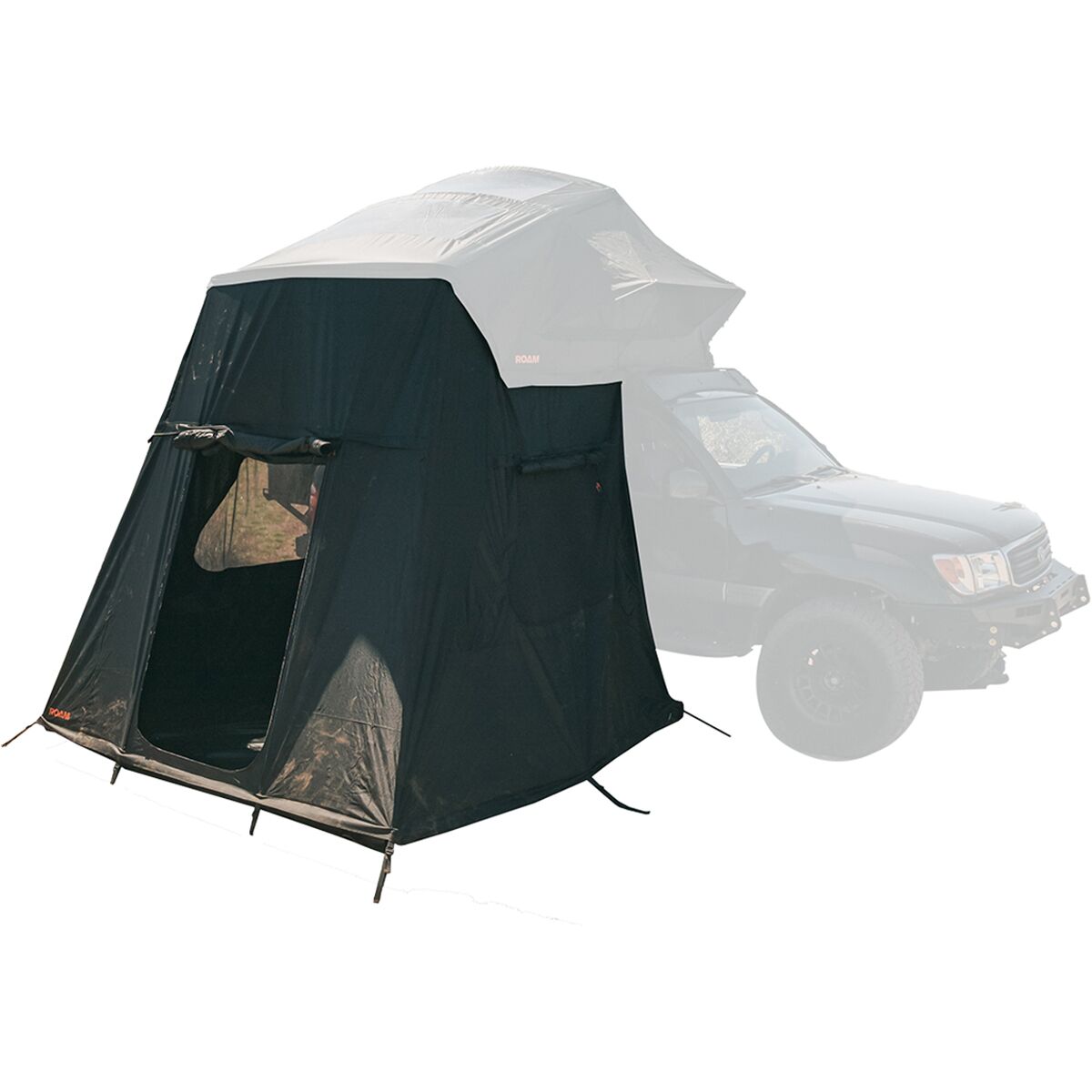
Vagabond 2.0 Annex Room
1 color
Current price: $374.25 Original price: $499.00
25% off
10% Cashback Eligible

ROAM Adventure Co
Vagabond 2.0 XL Rooftop Tent: 4-Person 3-Season
2 colors
Current price: $2,399.20 Original price: $2,999.00
20% off
10% Cashback Eligible

ROAM Adventure Co
Vagabond 2.0 Rooftop Tent: 3-Person 3-Season
2 colors
Current price: $2,040.00 Original price: $2,550.00
20% off
10% Cashback Eligible

ROAM Adventure Co
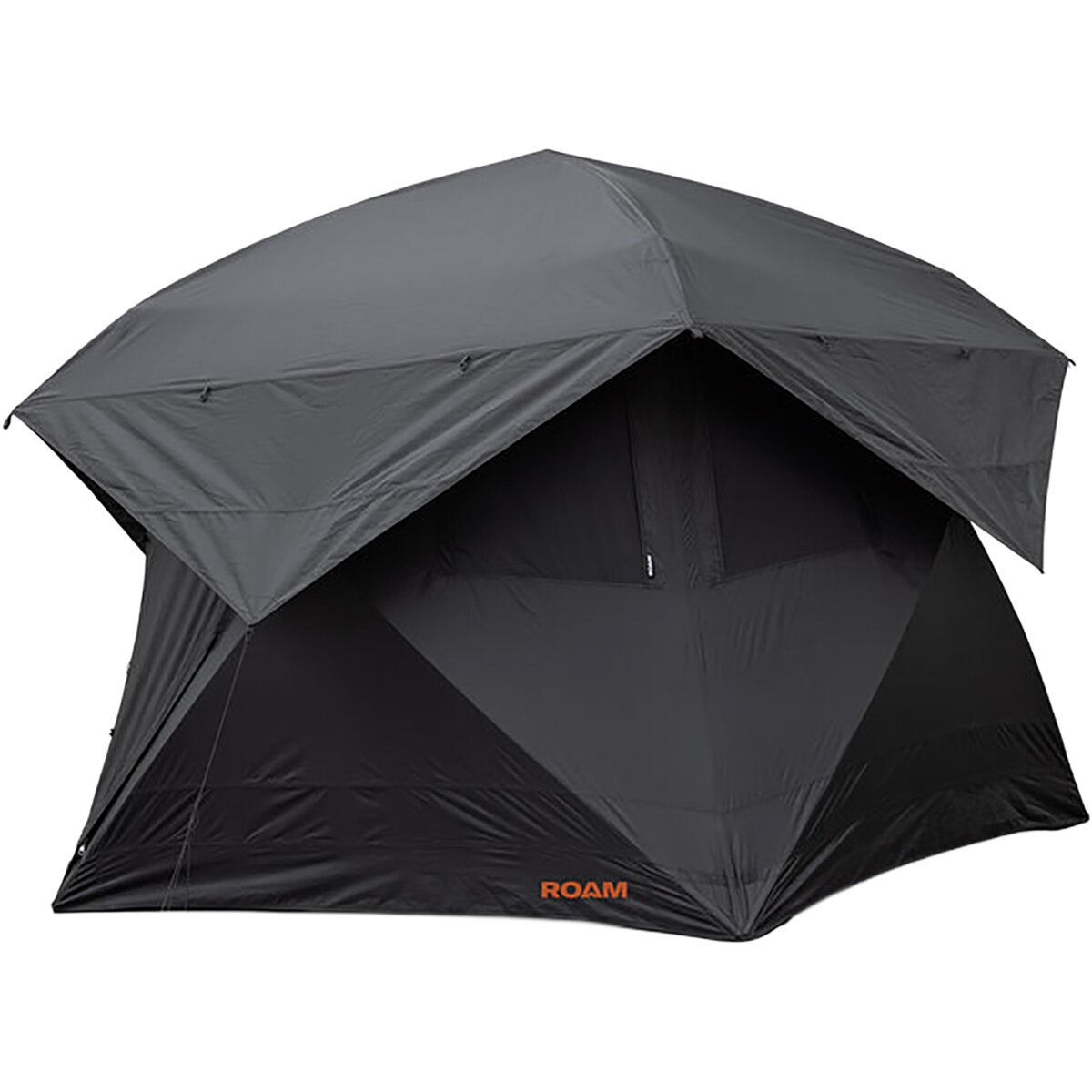
Vagabond XL Rooftop No Annex Tent
1 color
Current price: $1,656.85 Original price: $2,549.00
35% off
10% Cashback Eligible
Related Categories


Frequently Asked Questions
What roof rack and vehicle requirements should I verify before mounting a ROAM rooftop tent?
Verify your roof rack has at least a 150 lb dynamic load rating and compatible crossbar spacing (ROAM tents commonly fit narrow spacing around ~32"). ROAM RTTs mount with aluminum extrusions, bolts, and sandwich plates, so confirm your rails and mounting points accept those fittings and that your vehicle’s roof can handle the static/ dynamic loads. Also account for the 7.5' telescopic ladder length—lifted vehicles may require a ladder extension or different mounting solution.How do I choose between the Vagabond 2.0 and the Vagabond XL for my trips?
Choose the Vagabond 2.0 (56" x 48" closed; sleeps 2–3; ~150 lb) if you want a balance of weight, compact footprint, and comfort for solo or duo trips, while the Vagabond XL provides a larger footprint to sleep 3–4 people and extra living space for group or family camping. Consider roof weight capacity, vehicle roof area, and whether you need the XL’s extra sleeping/gear room versus the 2.0’s easier mounting and lower weight. Both use the same PU-coated poly‑cotton/nylon shell and insulated base, so weather performance is comparable.How does the Vagabond soft‑shell design compare to the Rambler hardshell?
The Vagabond foldout soft‑shell (clamshell) offers a taller interior, panoramic sunroof, and larger opening windows for ventilation and views, while the Rambler hardshell is a low‑profile pop‑up that’s more aerodynamic on the road and quicker to close in poor weather. Vagabond uses 280g/600D PU‑coated poly‑cotton and 420D ripstop panels with a diamond‑plated insulated aluminum base, whereas Rambler employs a fiberglass‑reinforced ABS shell with aluminum perimeter tubing for rigidity. Choose Vagabond for interior space and classic tent feel, or Rambler for lower drag and a sleeker rooftop profile.Are ROAM tents suitable for four‑season use and how do they manage condensation and severe weather?
Yes, ROAM designs like the Vagabond and Rambler use PU‑coated ripstop fabrics, taped seams, insulated bases/ceilings, and a stout 1" aluminum pole frame to resist wind, snow, UV, and driving rain. Anti‑condensation mats, clear vinyl windows, and strategically placed vents/sunroof improve airflow and reduce internal moisture buildup, but proper venting and sleeping with breathable layers remain important to minimize condensation. Avoid absolute claims; in extreme alpine conditions, supplement with appropriate outer layers and anchoring practices.What comfort features and accessories come with ROAM RTTs, and what aftermarket additions are compatible?
Standard comfort features include a 2.5"–3" dual‑layer high‑density memory foam mattress (R‑value ~10.2), four internal storage panels, LED lighting, hanging organizers, quiet rubber zipper pulls, and a heavy‑duty 720 GSM PVC roll‑up cover. ROAM also offers accessories like a quick‑disconnect ladder, gear hammocks, boot bags, and an optional Annex (a ~6.5' tall room with 600 GSM PVC floor and organizer) to expand ground‑level living space. Check specific model compatibility for ladder attachments, Annex fit, and rack mount options before purchasing.