


Up To 20% Off Full-Price Items
Shop now
EXTRA 20% Off Clearance
Shop now | Ends 11/9
Get An EXTRA $50 Cash Back*
Summit+ exclusive
Rip Curl Training
2 results

Rip Curl
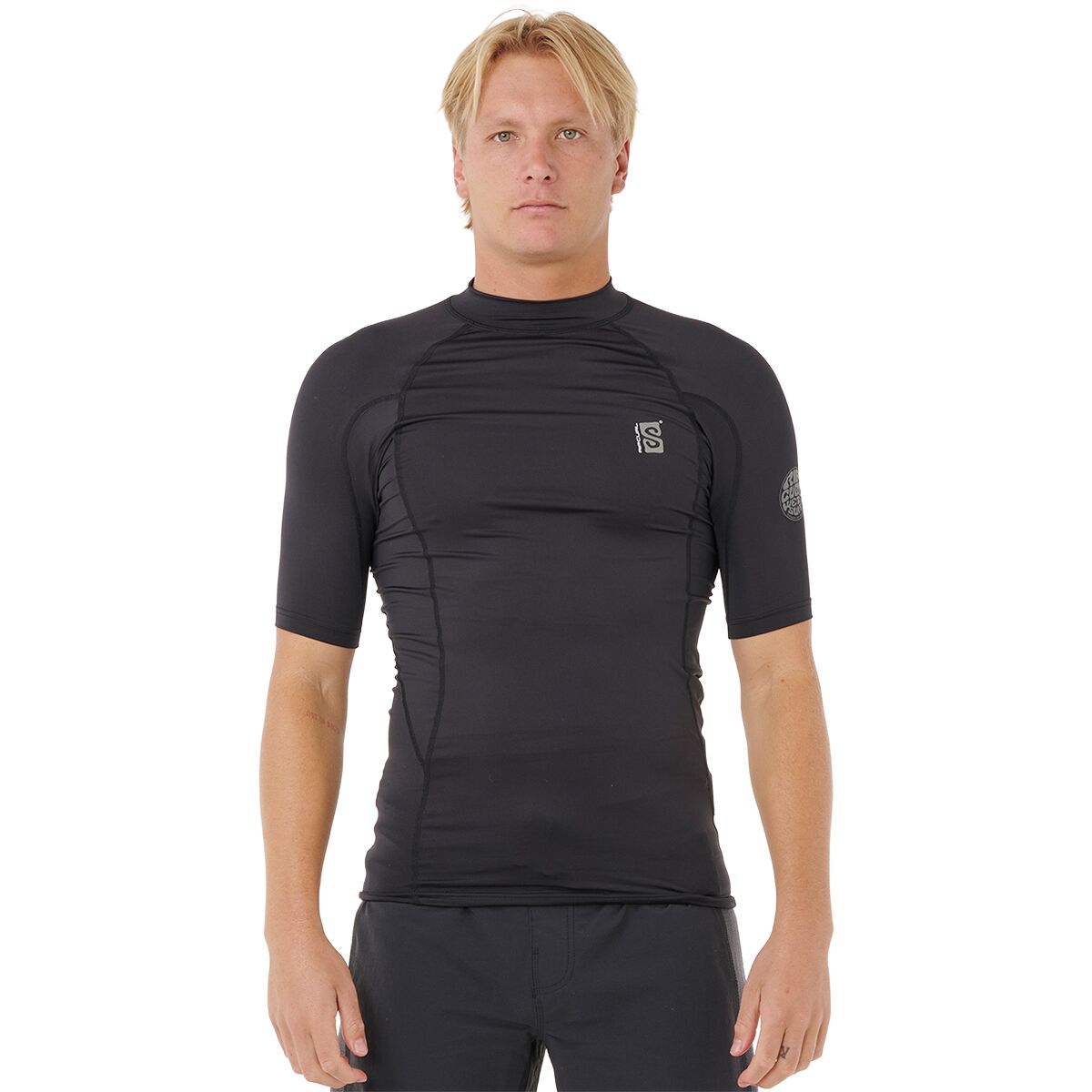
Shock UPF Long-Sleeve Rashguard - Men's
2 colors
$49.95
Discount Applies In Cart | Ends 11/16

Rip Curl
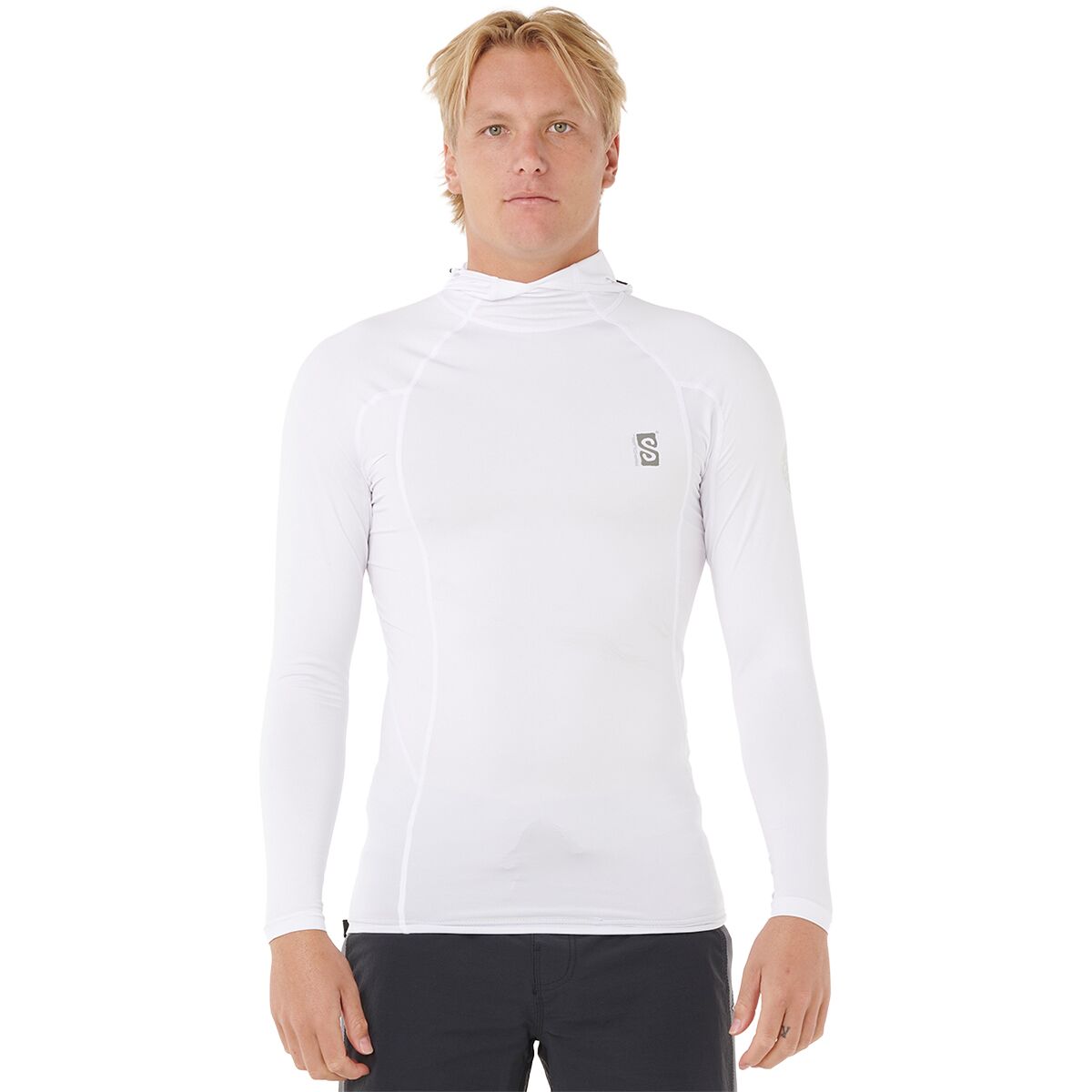
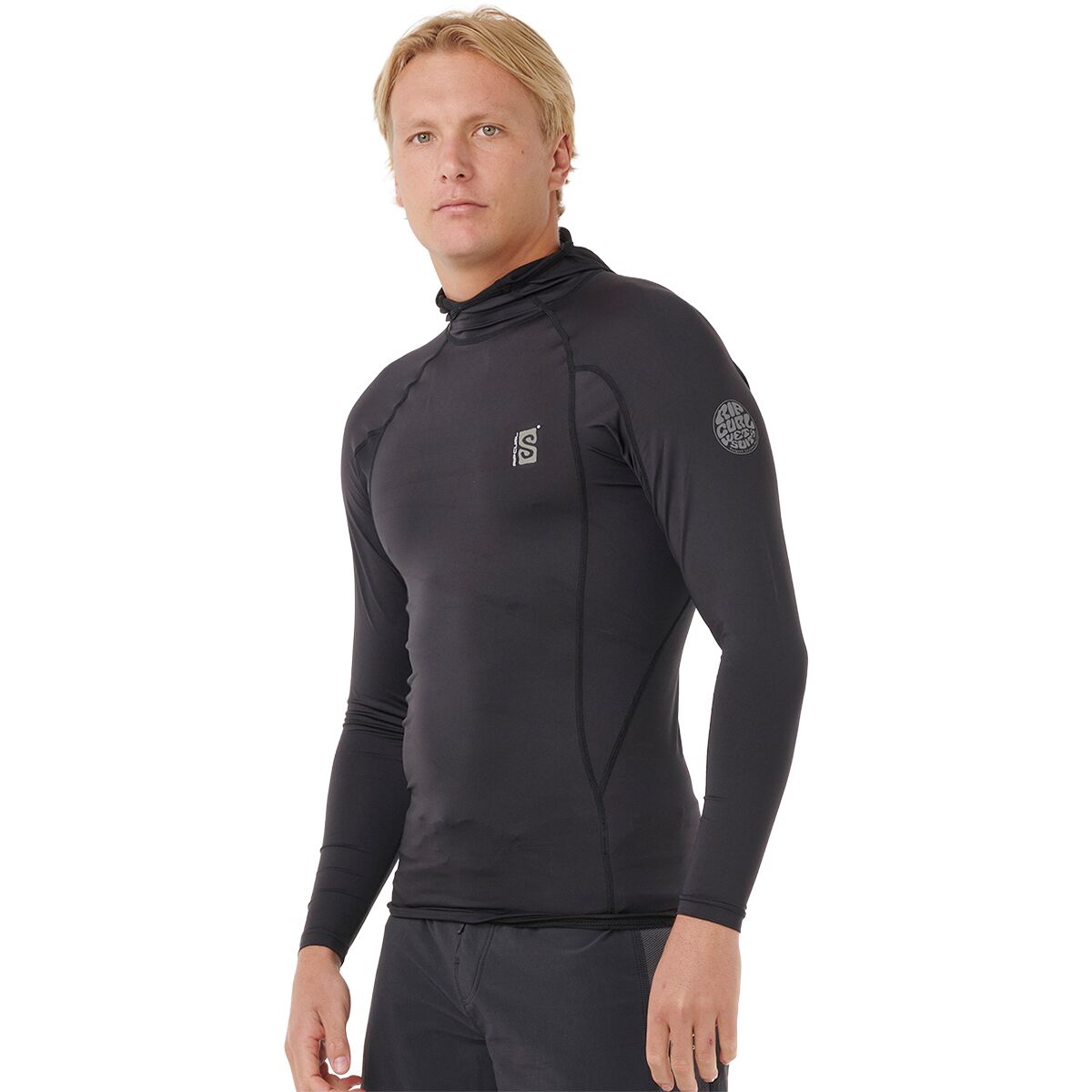
Search UPF Perf Hood Long-Sleeve Rashguard - Men's
2 colors
Current price: $43.97 - $55.96 Original price: $79.95
Up to 45% off
Extra 10% Off Clearance | Ends 11/09
Related Categories
Frequently Asked Questions
How do I pick the right Rip Curl wetsuit thickness for different water temperatures and training sessions?
Match wetsuit thickness to water temperature and activity: a 3/2mm steamer is best for warmer surf sessions (~17–20°C) where mobility matters, a 4/3mm suits cooler conditions (~15–16°C), and a 5/4/3mm steamer is better around 12–14°C for added warmth. Choose E7 neoprene models for maximum stretch and paddling freedom, and make sure the suit fits snugly without restricting your shoulders or chest to avoid fatigue while training.What benefits do Rip Curl’s Flashbomb and E-Bomb constructions offer for paddling and repeated training use?
Flashbomb and E‑Bomb designs use premium neoprene and body‑mapped paneling to balance warmth, flexibility, and durability—E7 neoprene in many models increases stretch and long‑term performance. These constructions include sealed seams and tailored flex zones so you get freer paddling and reduced resistance during long sessions.How does the Mirage Activate boardshort compare to standard boardshorts for surf training and core engagement?
The Mirage Activate integrates silicone body‑mapping grips that encourage better posture and position awareness, helping engage core muscles during paddling and takeoffs compared with traditional loose boardshorts. That added proprioceptive feedback can improve balance and power transfer without restricting mobility, making it useful for focused training sessions.When should I use the Rip Curl SearchGPS 2 tide/GPS watch during surf training, and what real‑time data does it provide?
Use the SearchGPS 2 on days you need on‑water metrics and live conditions—its Surfline integration supplies tide, swell, wind, and wave-size updates while onboard GPS records session data like wave count and ride metrics. That combination helps you plan sets, monitor performance over time, and pick the best windows for targeted drills.How do I choose surfboard dimensions for training—what role do width, thickness, and length play for different skill levels?
For training, wider boards add stability and make paddling and pop‑ups easier, thicker boards increase buoyancy for quicker takeoffs, and shorter lengths improve maneuverability for advanced maneuvers. Beginners should lean toward wider, thicker, slightly longer shapes for confidence and paddle power, while intermediate to advanced riders can reduce width/thickness and length to prioritize responsiveness and sharper turns.