


Up To 20% Off Full-Price Items
Shop now
EXTRA 20% Off Clearance
Shop now | Ends 11/9
Get An EXTRA $50 Cash Back*
Summit+ exclusive
Rhino-Rack Storage Solutions
1 result

Rhino-Rack
Cargo Case 48L
1 color
$299.99
Discount Applies In Cart | Ends 11/16
Related Categories
Frequently Asked Questions
How does the Rhino‑Rack Cargo Case 48L compare to the 94L?
The 48L cargo case is best for weekend trips and smaller items, while the 94L gives substantially more internal volume for bulky wet gear or tools. Both models use impact‑resistant polypropylene, rubber seals and pressure equalization valves for waterproof/dustproof protection, and are designed to accept foam inserts and padlocks for gear protection and security.Can Rhino‑Rack cross bars handle off‑road loads, and how do I know the safe limit?
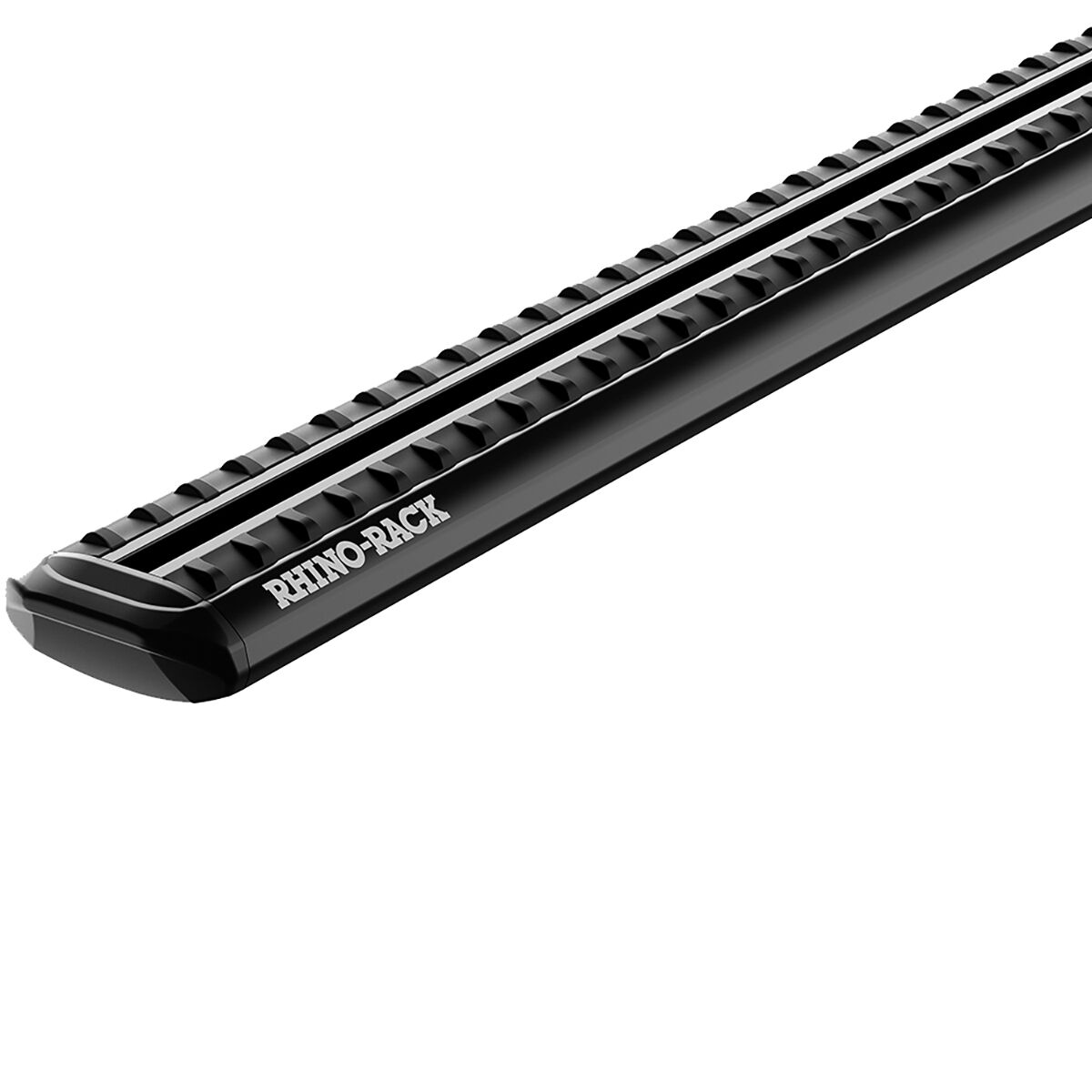
Rhino‑Rack cross bars are engineered for rugged use and list dynamic load ranges commonly between about 75–100 kg, but the safe working limit is the lower of the rack rating and your vehicle’s roof load specification. Always install vehicle‑specific feet and fit kits, torque hardware per instructions (Zwifloc quick‑release systems where applicable), and distribute weight evenly while securing loads with rated tie‑downs.How do Rhino‑Rack mounting systems protect gear from weather and theft?
Rhino‑Rack cargo boxes and cases use sealed polypropylene shells with rubber gaskets and pressure equalization valves (IP67‑style sealing) to keep out water and dust, plus foam inserts and UV‑resistant covers for impact protection. Security features include padlock holes and robust stainless steel or cast‑aluminum hardware with corrosion‑resistant finishes to deter tampering.When should I choose flush cross bars, overhang bars, or a platform/Backbone for kayaks, bikes, or skis?
Choose flush cross bars if you prioritize lower drag and a sleek look; pick overhang bars when you need extra width or additional tie‑down space for long loads like kayaks or multiple skis. Use a full platform or the Backbone system for heavy, irregular loads or off‑road adventures where multiple mounting points and higher rigidity improve gear stability—always confirm vehicle fit and dynamic load limits before carrying specialized equipment.