


Up To 70% Off Ends Today!
Shop now
Spend $200, Get $30 Cash Back
Summit+ only | Shop kids'
Line Men's Footwear
1 result

Line
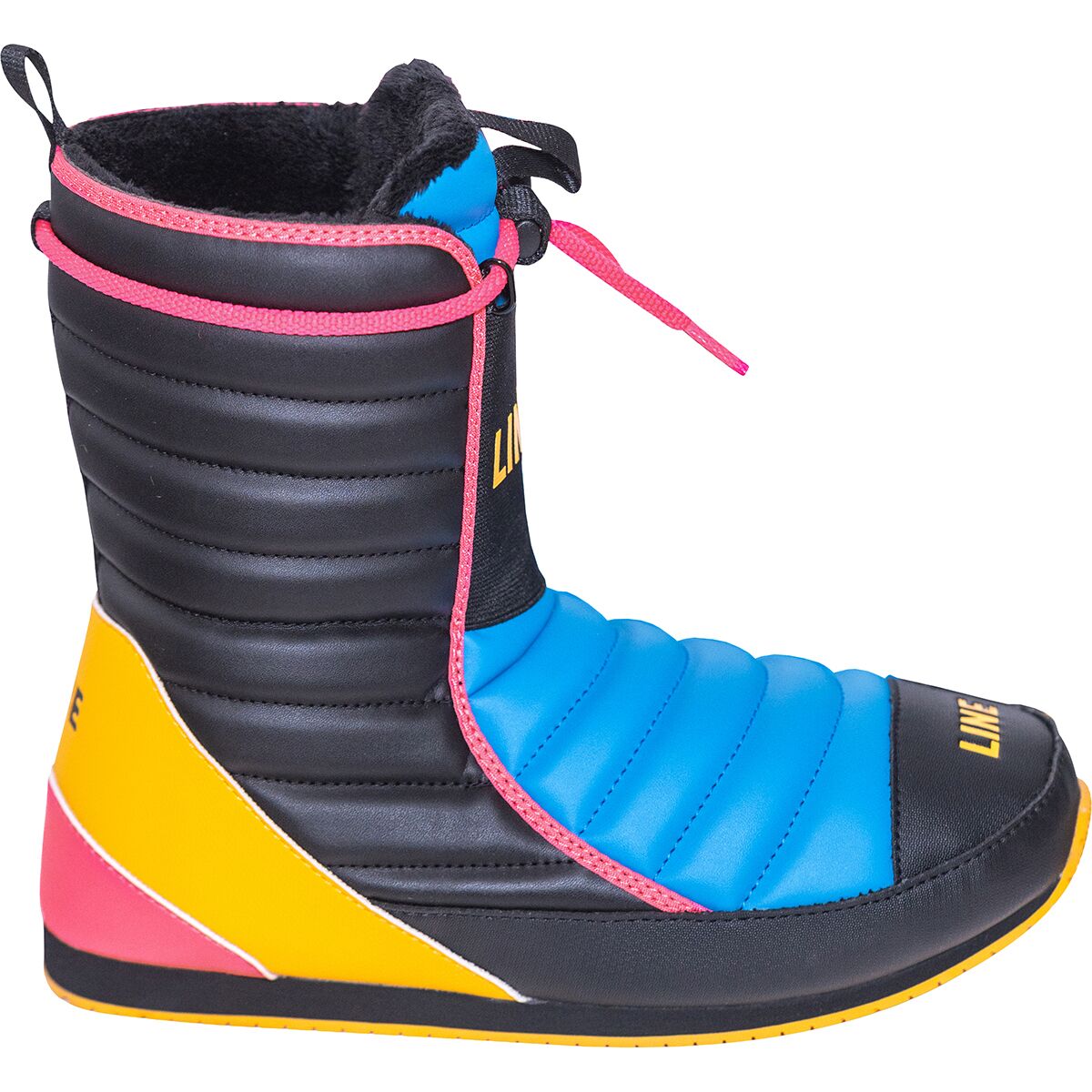
Bootie Slide
2 colors
$29.98 - $74.95
Up to 60% off
Flash Sale! Ends 11/2
Related Categories


Frequently Asked Questions
How do I measure my feet and choose the right size for men's shoes?
Measure both feet standing (using the larger foot), ideally with a Brannock device or a printable tracing, and measure at the end of the day when feet are slightly swollen. Allow about a thumb’s width of space at the toe for running or hiking shoes, account for sock thickness, and check both length and width since brands vary; try on the intended model with the socks you’ll wear while active.What are the practical differences between full-grain leather and top-grain leather for boots?
Full-grain leather retains the hide’s natural surface, tends to develop a rich patina, and is generally more durable and water-resistant when properly treated, while top-grain leather is sanded or corrected for a smoother appearance and can be more flexible and uniform. For heavy-duty work or classic heritage boots you’ll likely prefer full-grain; for sleeker, dressier styles top-grain often offers a cleaner look with slightly quicker break-in.When should I choose footwear with a waterproof membrane like Gore‑Tex or eVent?
Choose Gore‑Tex or eVent membranes for prolonged exposure to rain, snow, or wet trail conditions where keeping feet dry is a priority, since these membranes block liquid water while allowing some vapor to escape. Note that waterproof membranes can reduce breathability compared with non‑waterproof, highly ventilated uppers, so for hot, dry activities a waterproof shoe may trap more heat and moisture.How does Blake-stitched construction compare to Goodyear-welted construction for durability and comfort?
Blake construction stitches the outsole directly to the insole, producing a lighter, more flexible shoe with a lower profile that often feels more immediately comfortable, but it’s generally less water-resistant and can be harder to resole. Goodyear-welt construction adds a stitched welt between the upper and sole, making shoes stiffer initially but more water-resistant and much easier to resole, which benefits long-term repairability and heavy-duty use.What sole and midsole features should I look for in trail running shoes versus hiking boots?
Trail running shoes typically use sticky rubber outsoles (often Vibram Megagrip or similar), aggressive lugs, and lightweight EVA or dual-density midsoles for cushioning and responsiveness, sometimes with rock plates for protection. Hiking boots favor deeper-lug Vibram or lugged rubber outsoles, stiffer midsoles (PU or denser EVA) and supportive shanks for load-bearing and stability over long approaches, plus removable Ortholite or molded footbeds for long-term comfort.