


Up To 30% Off Full-Price Items
Shop now
Up To 50% Off Winter Sale
Shop now
Ski & Snowboard Gear On Sale
Shop up to 40% off
Icebug
17 results


Icebug
Boda BUGrip Boot - Women's
3 colors
Discount Applies In Cart | Ends 11/16
(3)

Icebug
Ivalo 4 BUGrip Winter Boot - Women's
2 colors
Discount Applies In Cart | Ends 11/16
(3)

Icebug
Metro 2 BUGrip Shoe - Men's
1 color
Discount Applies In Cart | Ends 11/16
(5)

Icebug
Boda BUGrip Boot - Men's
2 colors
Discount Applies In Cart | Ends 11/16

Icebug
Metro 2 BUGrip Boot - Women's
3 colors
Discount Applies In Cart | Ends 11/16
(13)

Icebug
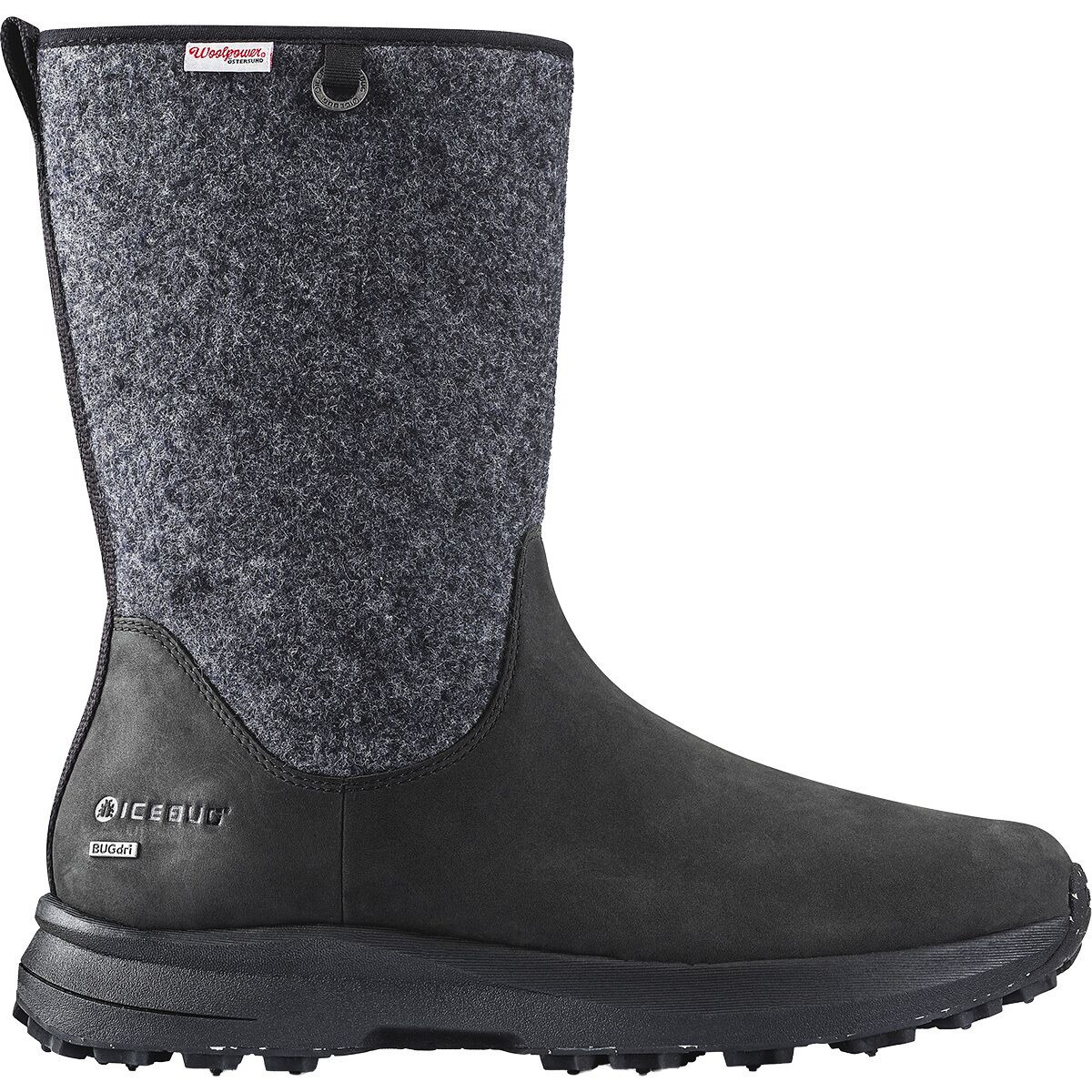
Sala BUGrip Boot - Women's
2 colors
Discount Applies In Cart | Ends 11/16

Icebug
Eli RB9X Shoe
5 colors
Discount Applies In Cart | Ends 11/16
HSA/FSA Eligible

Icebug
Arcus 2 BUGrip GTX Running Shoe - Women's
1 color
Discount Applies In Cart | Ends 11/16

Icebug
Rover 2 RB9X GTX Shoe - Men's
2 colors
Discount Applies In Cart | Ends 11/16

Icebug
Kaipa RB9X Shoe
2 colors
Discount Applies In Cart | Ends 11/16
HSA/FSA Eligible

Icebug
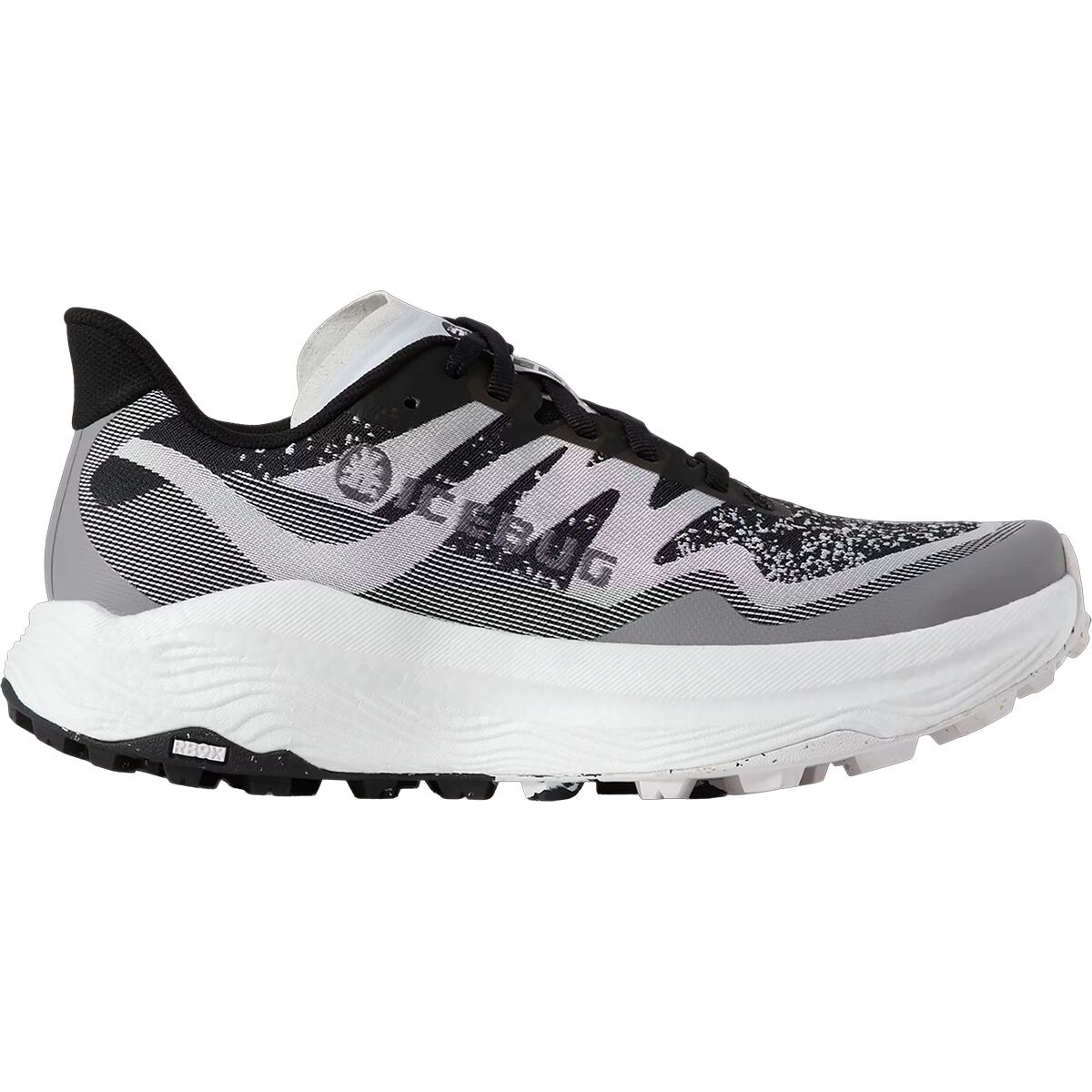
Jarv RB9X Trail Running Shoe - Women's
2 colors
Discount Applies In Cart | Ends 11/16
HSA/FSA Eligible

Icebug
Jarv RB9X Trail Running Shoe - Men's
2 colors
Discount Applies In Cart | Ends 11/16
HSA/FSA Eligible

Icebug
Rover 2 RB9X GTX Shoe - Women's
1 color
Discount Applies In Cart | Ends 11/16

Icebug
Sala BUGrip Boot - Men's
1 color
Discount Applies In Cart | Ends 11/16
(2)

Icebug
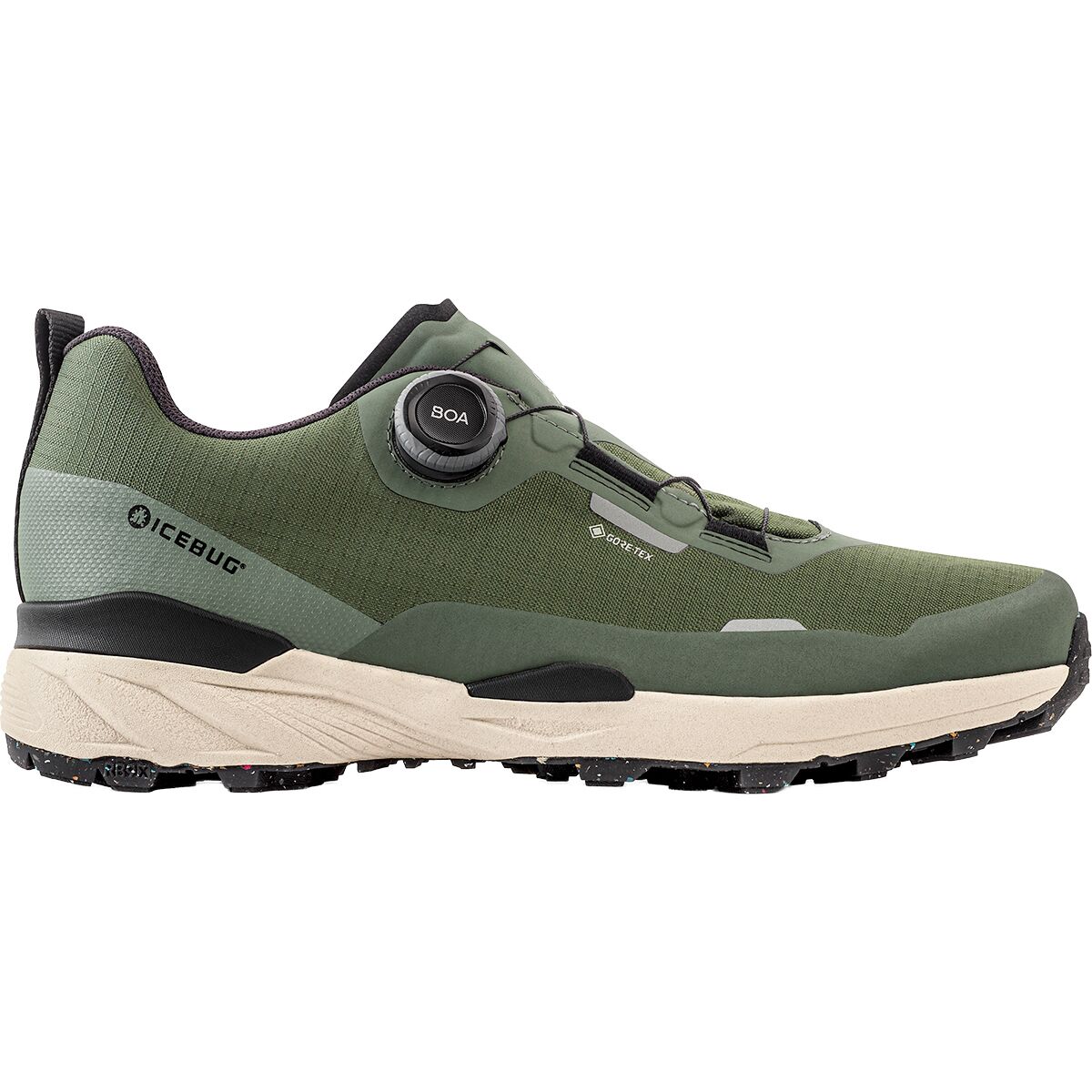
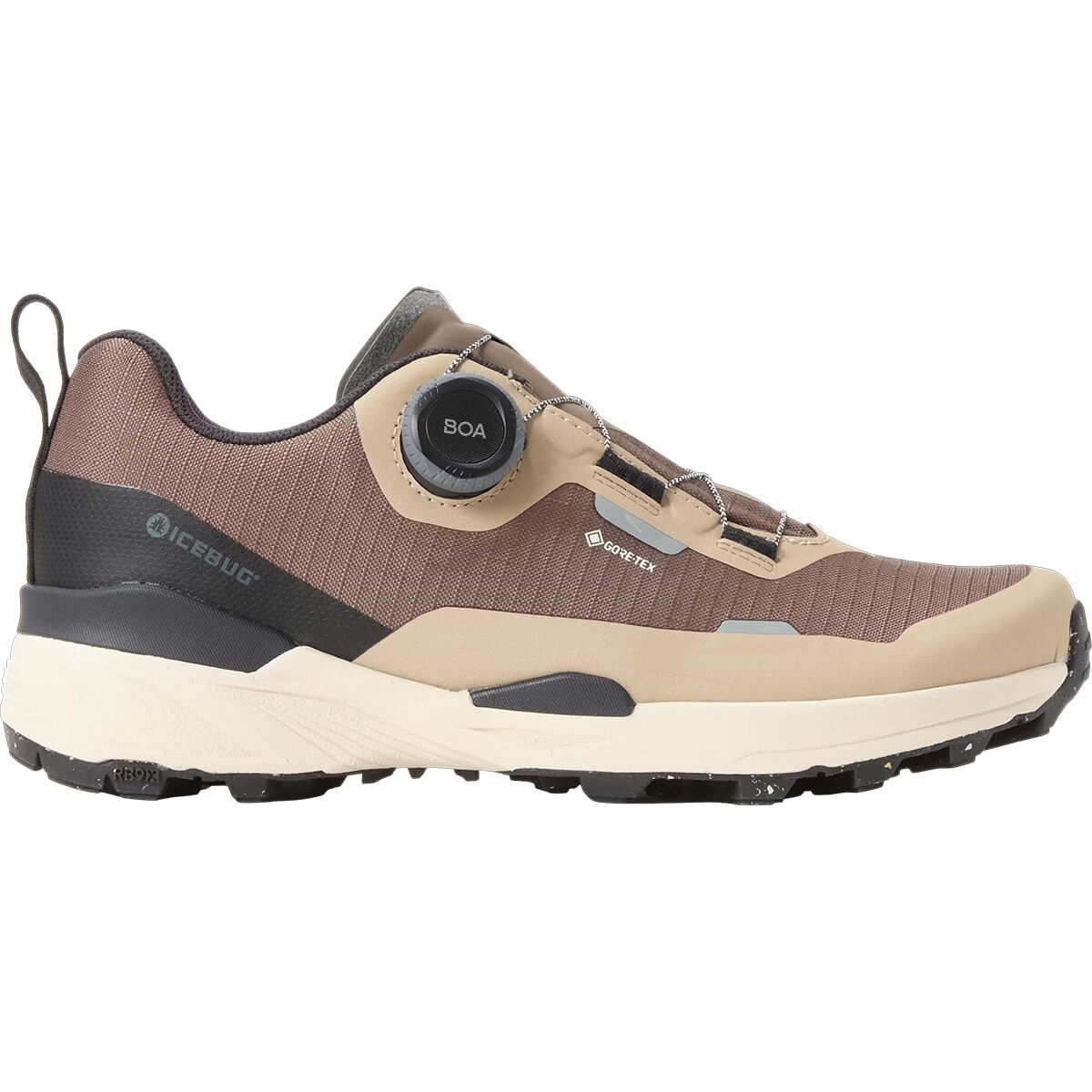
Mosi RB9X Shoe
2 colors
Discount Applies In Cart | Ends 11/16
HSA/FSA Eligible

Icebug
Arcus 2 BUGrip GTX Running Shoe - Men's
1 color
Discount Applies In Cart | Ends 11/16

Icebug
Ivalo 4 BUGrip Winter Boot - Men's
1 color
Discount Applies In Cart | Ends 11/16
Related Categories


Frequently Asked Questions
How do Icebug's traction technologies—BUGrip, RB9X, BUGweb, and MICHELIN ICE Control—differ and which conditions suit each?
BUGrip uses a special rubber with integrated dynamic steel/carbide studs that push in under weight for reliable ice-to-asphalt contact (many BUGrip soles use roughly 13–19 studs and are designed to tolerate a few lost studs). RB9X is an unstudded high‑friction rubber compound built for wet rocks, technical trails, and durable asphalt grip. BUGweb is an outsole with a removable carbide-studded traction unit (about six studs) for on/off icy versatility, while MICHELIN ICE Control is an unstudded winter rubber (Wic compound) with tire-inspired sipes for snow and cold wet pavement.How does the Acceleritas 9 RB9X compare to the Järv RB9X for trail running?
The Acceleritas 9 RB9X is an ultralight, close‑to‑ground racer aimed at speed and minimal feel on fast, smooth trails. The Järv RB9X prioritizes durability, protection, and longer-distance comfort with more cushioning and a sturdier build, and it also features a higher proportion of sustainable materials. Both use the RB9X high‑friction outsole, but the Acceleritas favors weight savings and the Järv favors rugged versatility.What size and fit should I choose for Icebug trail shoes and winter boots?
Icebug generally runs in standard sizes with a noticeably roomy toe box and a medium drop; many models suit wider forefeet and technical trails. Because studded or sticky outsoles change underfoot feel, try for a precise fit—consider half a size up if you plan to use thick socks or heavy insulation. For winter boots, account for sock thickness and any footbeds so you retain toe room while maintaining heel and ankle stability.Which insulation level or model should I pick for very cold, active use versus everyday winter walking?
Icebug offers three insulation levels to match activity intensity: lighter insulation for high‑output winter runs to avoid overheating, mid-level for mixed-activity days, and higher insulation for low‑movement or very cold conditions. Look for insulated variants in Pytho and Järv families for structured warmth, and combine that with BUGrip or BUGweb studs if you expect ice, or MICHELIN ICE Control if you prefer unstudded cold traction. Choose insulation based on expected temperatures, how hard you’ll be working, and the sock system you’ll use.How eco-friendly are Icebug shoes and what sustainable materials do they use?
Icebug evaluates all materials for sustainability and incorporates bio-based and recycled components in many models—Järv RB9X, for example, uses over 50% sustainable materials in certain constructions. They use BLOOM® algae foam blended into midsoles (typically 9–20% algae content), low‑absorption Putek mesh uppers, wool for natural insulation/odor control, and recycled or bio-based outsole compounds where possible. These choices are aimed at reducing environmental impact while retaining traction, durability, and performance.