


Up To 30% Off Full-Price Items
Shop now
Up To 50% Off Winter Sale
Shop now
Ski & Snowboard Gear On Sale
Shop up to 40% off
Halfdays Hike & Camp
20 results


Halfdays
Bastille Pant - Women's
4 colors
$94.50 - $135.00
Up to 30% off
Winter Sale
(5)

Halfdays
Gwen Pant - Women's
3 colors
$125.00
(13)

Halfdays
Pieper Fleece Jacket - Women's
2 colors
$195.00
(71)

Halfdays
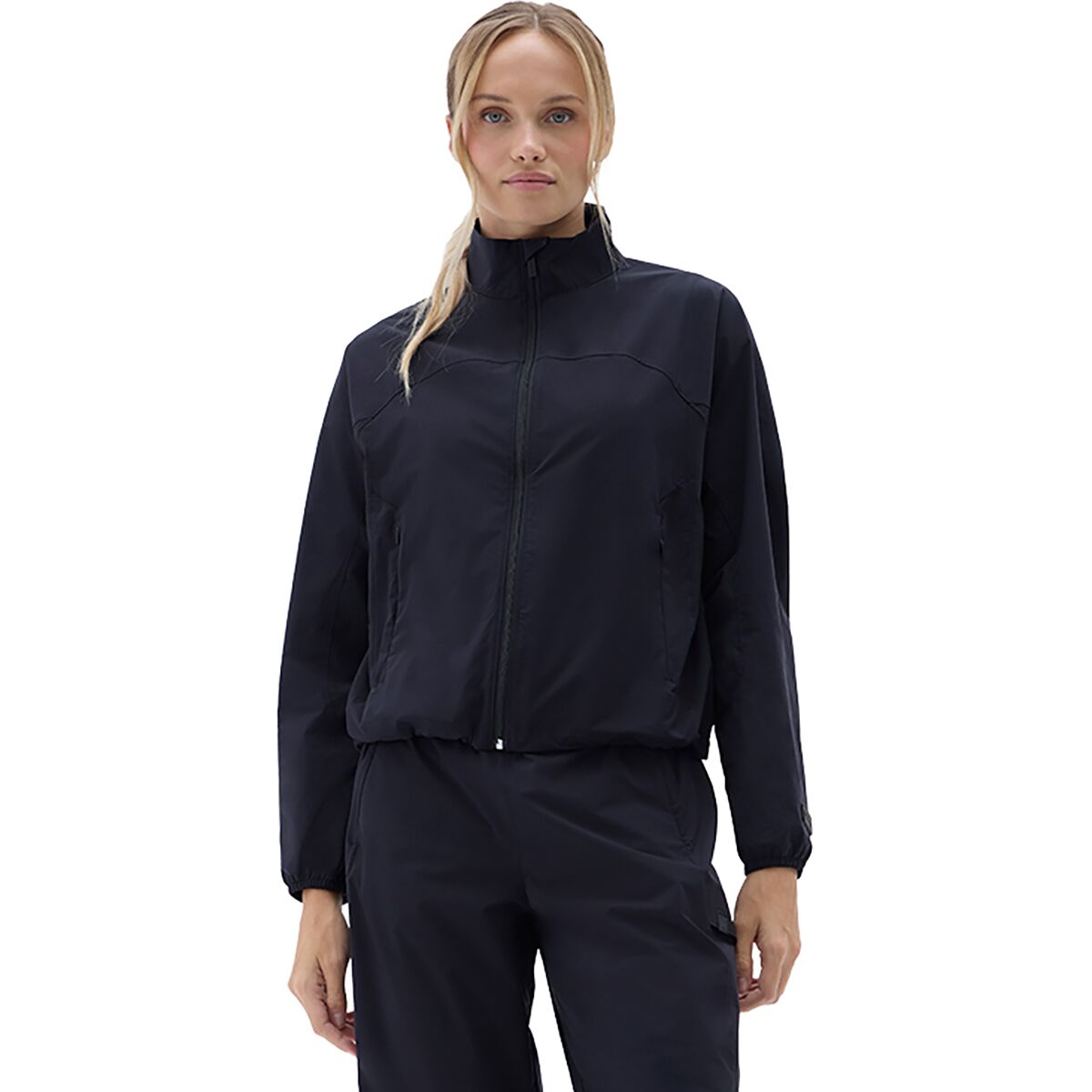
Chapelle Jacket - Women's
5 colors
$122.50 - $175.00
Up to 30% off
Winter Sale
(41)


Halfdays
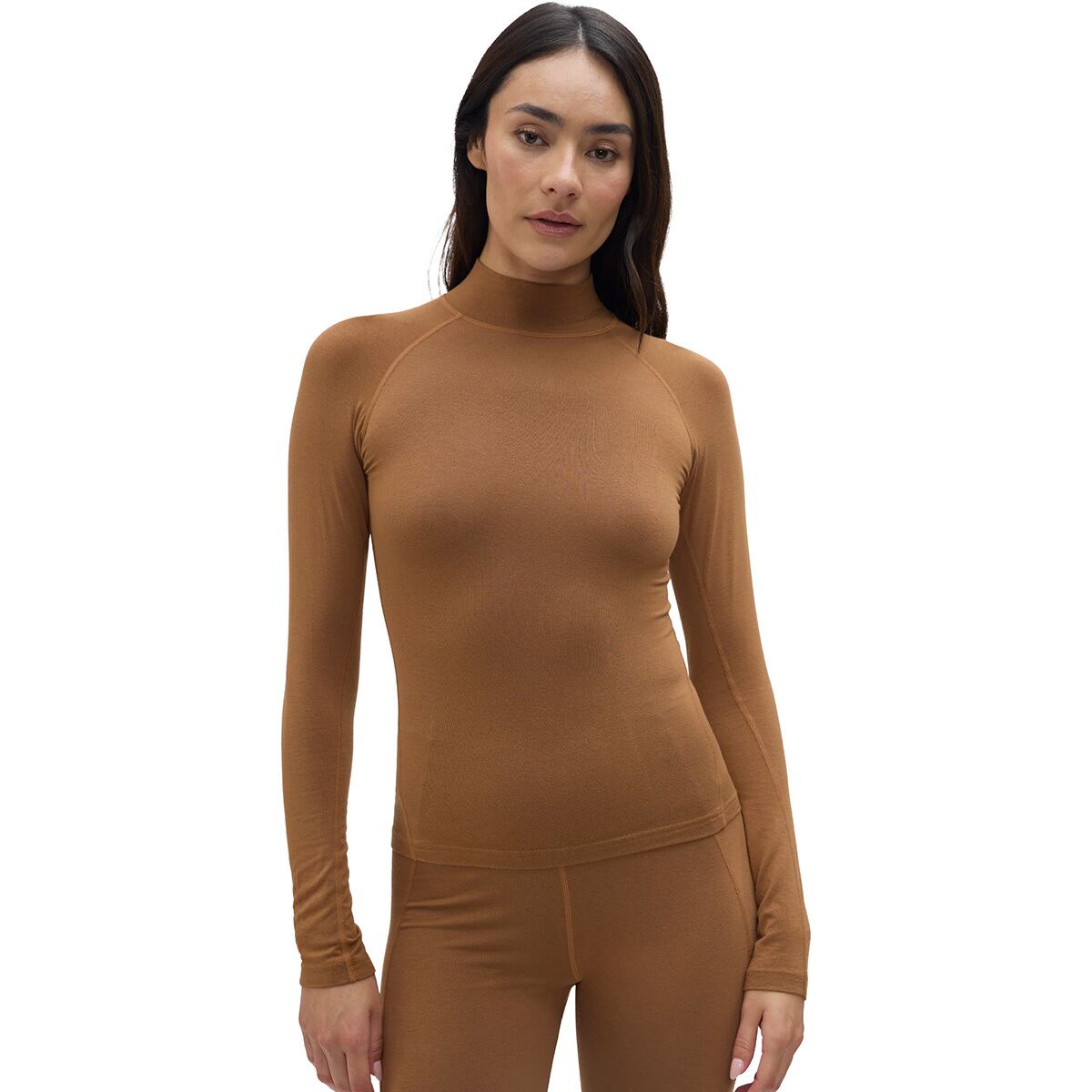
Ynes Performance Long-Sleeve Top - Women's
4 colors
$95.00
(32)

Halfdays
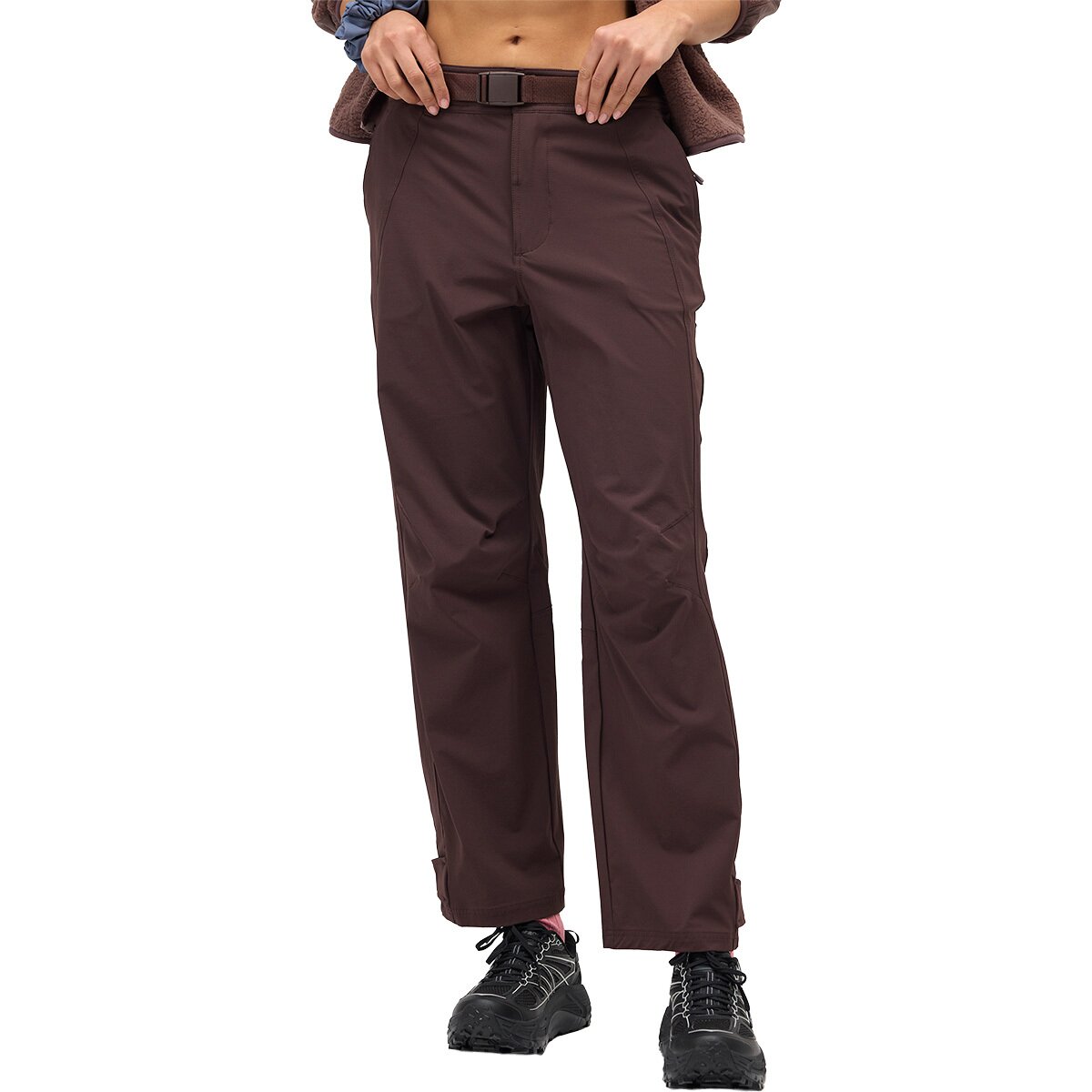
Bastille Trail Pant - Women's
2 colors
Current price: $94.50 Original price: $135.00
30% off
Winter Sale
(27)

Halfdays
Claude Jacket - Women's
3 colors
$225.00
(10)

Halfdays
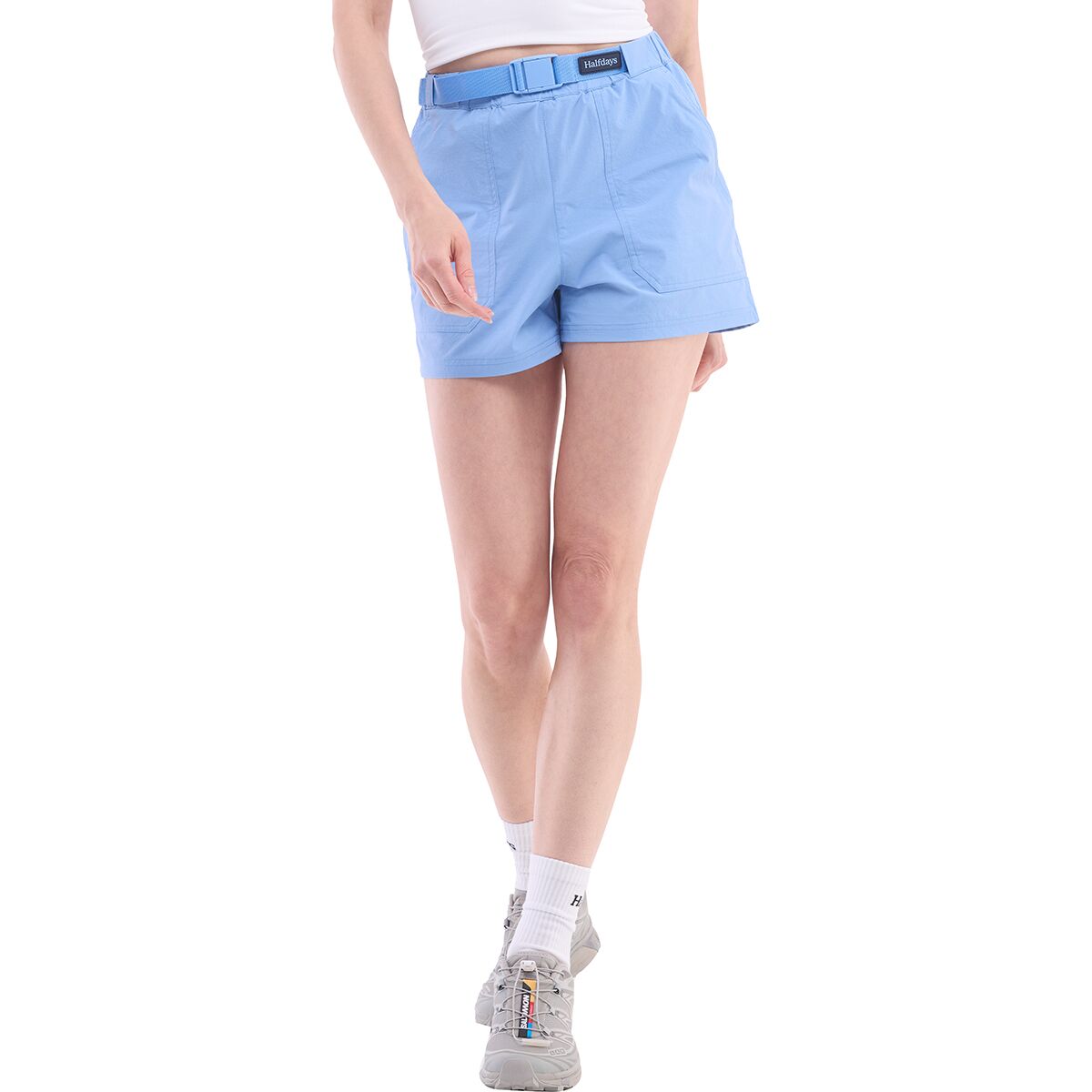
Bastille Trail Short - Women's
2 colors
Current price: $59.50 Original price: $85.00
30% off
Winter Sale

Halfdays
Rebecca 1/2-Zip Grid Fleece Pullover - Women's
3 colors
$125.00

Halfdays
Hattie Short - Women's
2 colors
Current price: $52.50 Original price: $75.00
30% off
Winter Sale
(1)

Halfdays
Sunn Racerback Top - Women's
1 color
$65.00
(12)

Halfdays
Hattie Top - Women's
2 colors
Current price: $45.50 Original price: $65.00
30% off
Winter Sale
(3)
New Arrival

Halfdays
Sophia Two-Tone Legging - Women's
3 colors
$95.00
New Arrival

Halfdays
Johnson Two-Tone Top - Women's
3 colors
$95.00
New Arrival

Halfdays
Clare Legging - Women's
2 colors
$115.00
New Arrival

Halfdays
Clare Capri Legging - Women's
2 colors
$95.00

Halfdays
Gwen Jacket - Women's
3 colors
$108.50 - $155.00
Up to 30% off
Winter Sale
(3)

Halfdays
Clare Top - Women's
2 colors
$115.00
(12)

Halfdays
Rosalie Trail Short - Women's
1 color
Current price: $52.50 Original price: $75.00
30% off
Winter Sale
(13)

Halfdays
Joyner Jacket - Women's
1 color
Current price: $74.25 Original price: $135.00
45% off
Winter Sale
(11)
Related Categories
Frequently Asked Questions
How do I choose the right hiking footwear for day hikes versus backpacking?
Pick footwear based on support, weight, and terrain: trail-running shoes (lighter, more flexible) work well for fast day hikes on packed trails, while higher-cut hiking boots or models like the Lone Peak 9+ offer more ankle support and protection for rocky or loaded backpacking trips. Try shoes with the socks you’ll use, test toe room on descents, and factor waterproof membranes versus breathability depending on wet conditions. Break-in time and outsole compound (grippy rubber for rock) also affect comfort and longevity.What size daypack should I buy and how should it fit when loaded?
For day hikes, choose a pack in the 20–40L range—models like the Talon 33 are good examples of a versatile daypack—then test it with a typical load (10–20 lbs) to confirm fit. The hip belt should carry most weight, shoulder straps should contour without chafing, and look for features like a hydration sleeve, rain cover compatibility, and external attachment points for poles or layers. Adjust load lifters and sternum strap so the pack rides close to your back for stability on technical terrain.When should I choose an insulated sleeping pad like the NeoAir XTherm NXT versus a lighter uninsulated pad?
Choose an insulated pad such as the NeoAir XTherm NXT when you expect cold nights, high R-values (around 7.3) are needed for ground-heat protection, or you sleep on uneven, rocky surfaces and want added comfort and warmth. For summer-only trips in mild conditions, a lighter uninsulated inflatable or closed-cell foam can save weight but will trade thermal performance. Match pad length and width to your sleeping style (side vs. back) and prioritize quieter, durable fabrics if you move a lot at night.How do carbon trekking poles like Alpine Carbon compare to aluminum poles for steep, technical trails?
Carbon poles are lighter and dampen vibration better, which reduces arm fatigue on long approaches, while aluminum poles are generally tougher against repeated strikes and bends in highly technical or heavy-load scenarios. Both offer adjustable lengths for steep ascents/descents and shock absorption options; choose carbon for packability and weight savings, aluminum for durability if you frequently rely on poles for load-bearing or rugged terrain. Consider tip and basket compatibility for snow or scree when selecting a model.What layers and materials should I pack for variable weather on multi-day hikes?
Build a system with moisture-wicking base layers (merino or synthetic), an insulating midlayer, and a waterproof/breathable shell; merino socks like Cloudline are good for odor control and warmth. Prioritize breathable rain shells with a helmet-compatible hood, pockets positioned above the hip belt, and the ability to vent under load; avoid cotton next-to-skin since it retains moisture. Choose pieces that balance weight and durability for your trip length and expected conditions.