


Up To 20% Off Full-Price Items
Shop now
EXTRA 20% Off Clearance
Shop now | Ends 11/9
Get An EXTRA $50 Cash Back*
Summit+ exclusive
Goal Zero Fishing
2 results

Goal Zero
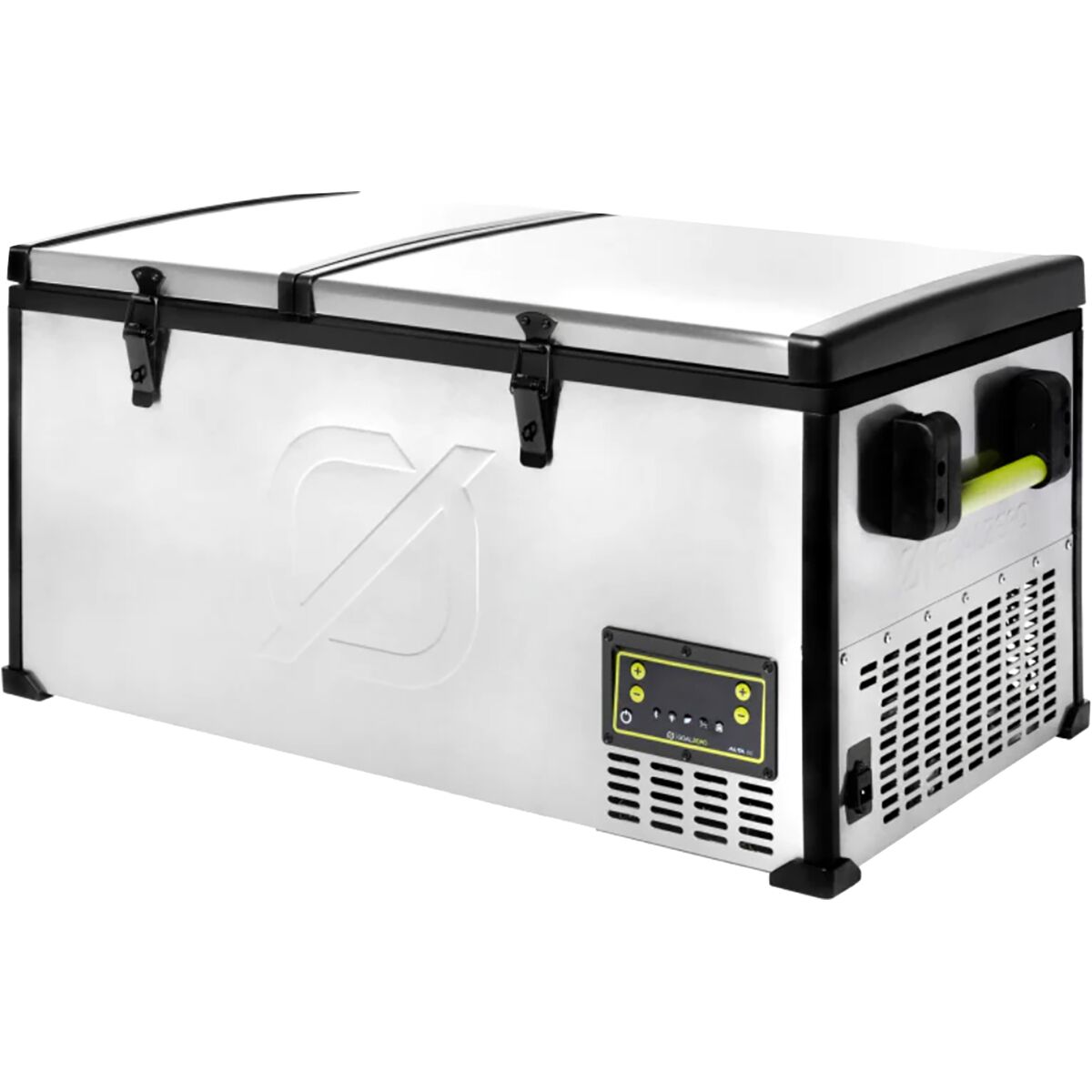
Alta 80 Portable Fridge
1 color
$999.95
Discount Applies In Cart | Ends 11/16
(22)

Goal Zero
Alta 50 Portable Fridge
1 color
$799.95
Discount Applies In Cart | Ends 11/16
(18)
Related Categories
Frequently Asked Questions
Which Goal Zero model is best for a day fishing trip when I need to power a phone, fish finder, and a few lights?
For lightweight day trips where portability matters, the Sherpa 100PD or the Venture 70 are good choices — the Sherpa 100PD is compact (1.5 lbs) with USB-C fast charging and multiple ports, while the Venture 70 offers rugged, backpack-friendly durability. If you need an AC outlet for a larger fish finder or to run multiple devices longer, the Sherpa 100AC adds an AC inverter and direct 8mm solar input. Both Sherpa models sit around 95Wh (≈25,600mAh) and can charge multiple small devices simultaneously.How does the Sherpa 100AC compare to the Sherpa 100PD for anglers?
The Sherpa 100AC includes an integrated AC inverter and a direct 8mm solar input, making it better for anglers who want to run AC-powered fish finders or recharge faster from a solar panel, while the Sherpa 100PD is lighter and more packable for minimalist trips. Both Sherpa models offer USB-C with high-speed capability (60W in / up to 100W out on compatible ports), USB-A ports, and wireless charging, but the 100AC weighs more and is optimized for heavier, solar-assisted use. Choose the 100AC for solar-first, multi-device setups and the 100PD for ultimate portability.Can I recharge Goal Zero gear with a Nomad 200 or other solar panels while on the water, and how long will that take?
Goal Zero panels like the Nomad series are designed to charge Sherpa packs and Yeti stations; larger panels (Nomad 200) deliver higher output and will recharge faster than smaller panels such as the Nomad 20. As a reference, a Sherpa 100AC can reach a full solar recharge in roughly 3 hours when paired with a ~50W panel, whereas the Sherpa 100PD paired with a Nomad 20 typically takes on the order of 8–16 hours depending on sunlight. Always mount panels for direct sun and protect connectors from spray to keep charging reliable.Are any Goal Zero power packs weatherproof enough for wet fishing conditions?
Yes, the Venture 70 is rated IPX67, meaning it's designed to withstand immersion and is a solid choice for wet or splash-prone fishing environments. Sherpa and Yeti models use impact-resistant casings and ruggedized ports, but they are generally not rated to the same submersion standards; storing them in a dry bag or waterproof compartment is recommended for extended wet exposure. Choosing gear with sealed ports and pairing it with waterproof storage will maximize reliability on boats or shorelines.How do I size a Goal Zero system for multi-day backcountry fishing trips — what capacity and ports should I prioritize?
Start by listing devices and daily draw (phones, fish finder, GPS, lights) and multiply by days to estimate watt-hours; Sherpa-class units (~95Wh) cover multiple phone charges and camera top-ups, while a Yeti 500X or larger power station is better for multi-day use or running AC devices. Prioritize USB-C PD ports (60W in / up to 100W out) if you need fast phone or laptop charging, an AC inverter if you’ll run larger electronics, and solar compatibility (8mm input or Nomad compatibility) if you plan to recharge in the field. For lightweight, wet conditions choose Venture 70 for durability; for extended off-grid power choose Sherpa 100AC or a Yeti with a Nomad 200 for faster solar recharge.