


20% Off Full-Price Items
Shop now
EXTRA 20% Off Clearance
Shop now | Ends 11/9
Get An EXTRA $50 Cash Back*
Summit+ exclusive
Marker
18 results


Marker
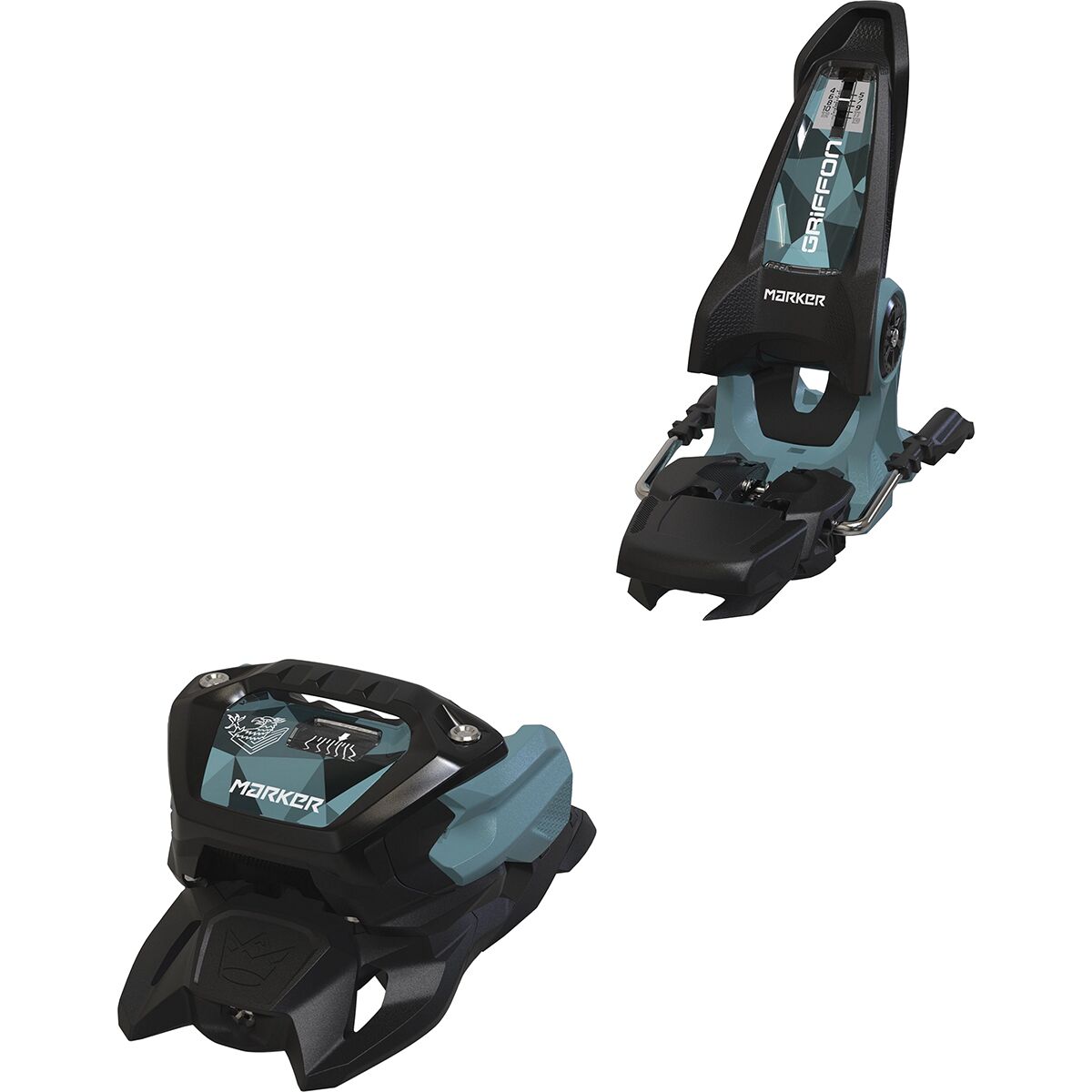
Griffon 13 ID Ski Binding - 2026
2 colors
Current price: $239.99 Original price: $299.99
20% off
Winter Sale
(3)

+3
Marker
Griffon 13 X Ski Binding - 2027
7 colors
$299.99
(1)

Marker
Jester 16 ID Ski Binding - 2026
2 colors
Current price: $328.99 Original price: $469.99
30% off
10% Cashback Eligible
(1)

Marker
Squire 11 Ski Binding - 2027
5 colors
$174.99 - $249.99
Up to 30% off
Winter Sale
(1)


Marker
Free 7 Ski Binding - 2027 - Kids'
2 colors
$149.99

Marker
Kingpin 13 Alpine Touring Binding - 2027
1 color
$769.99
10% Cashback Eligible

Marker
Griffon X 13 M-Werks Ski Binding - 2027
2 colors
$429.99
10% Cashback Eligible

Marker
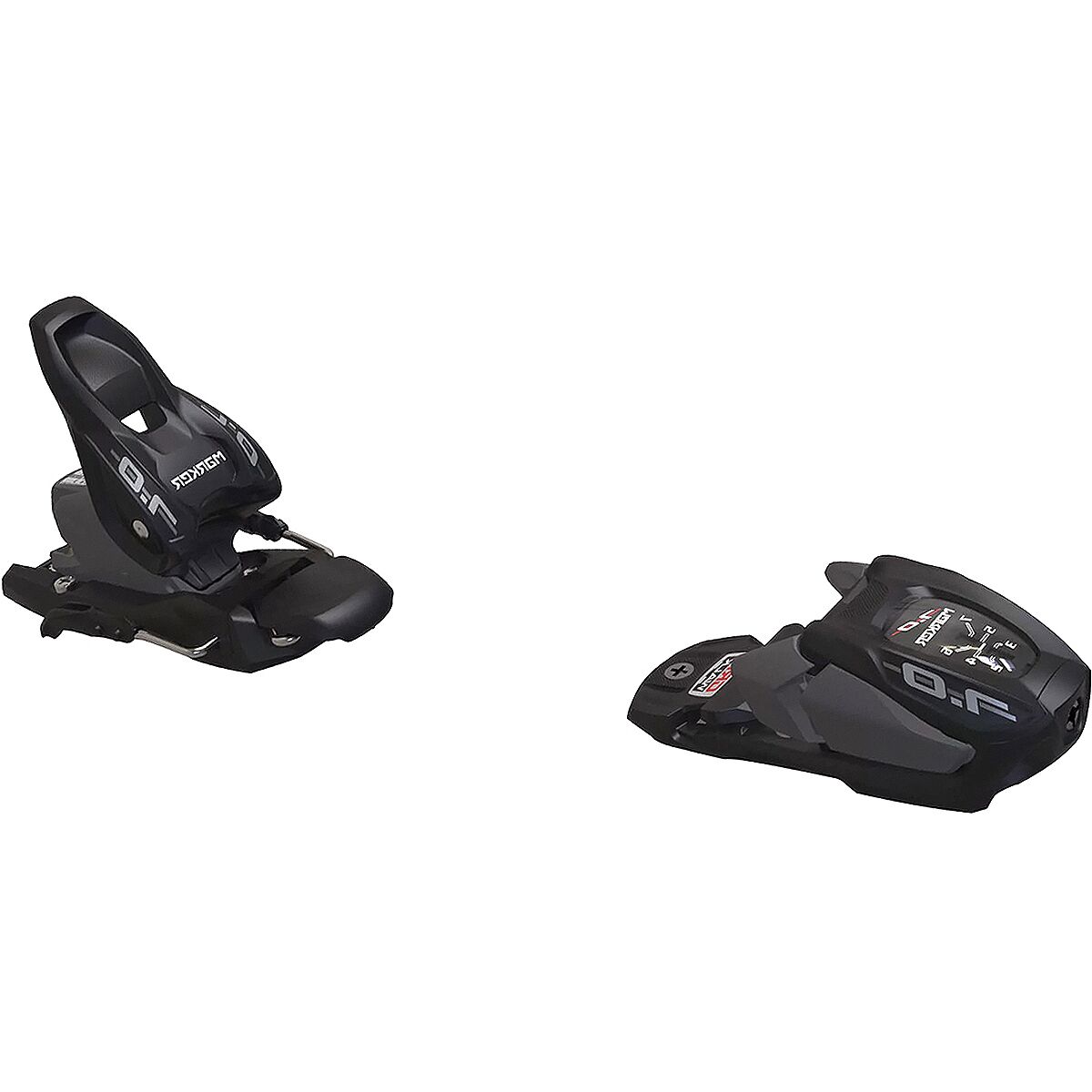
7.0 Ski Binding - 2027 - Kids'
1 color
$139.99 - $149.99

Marker
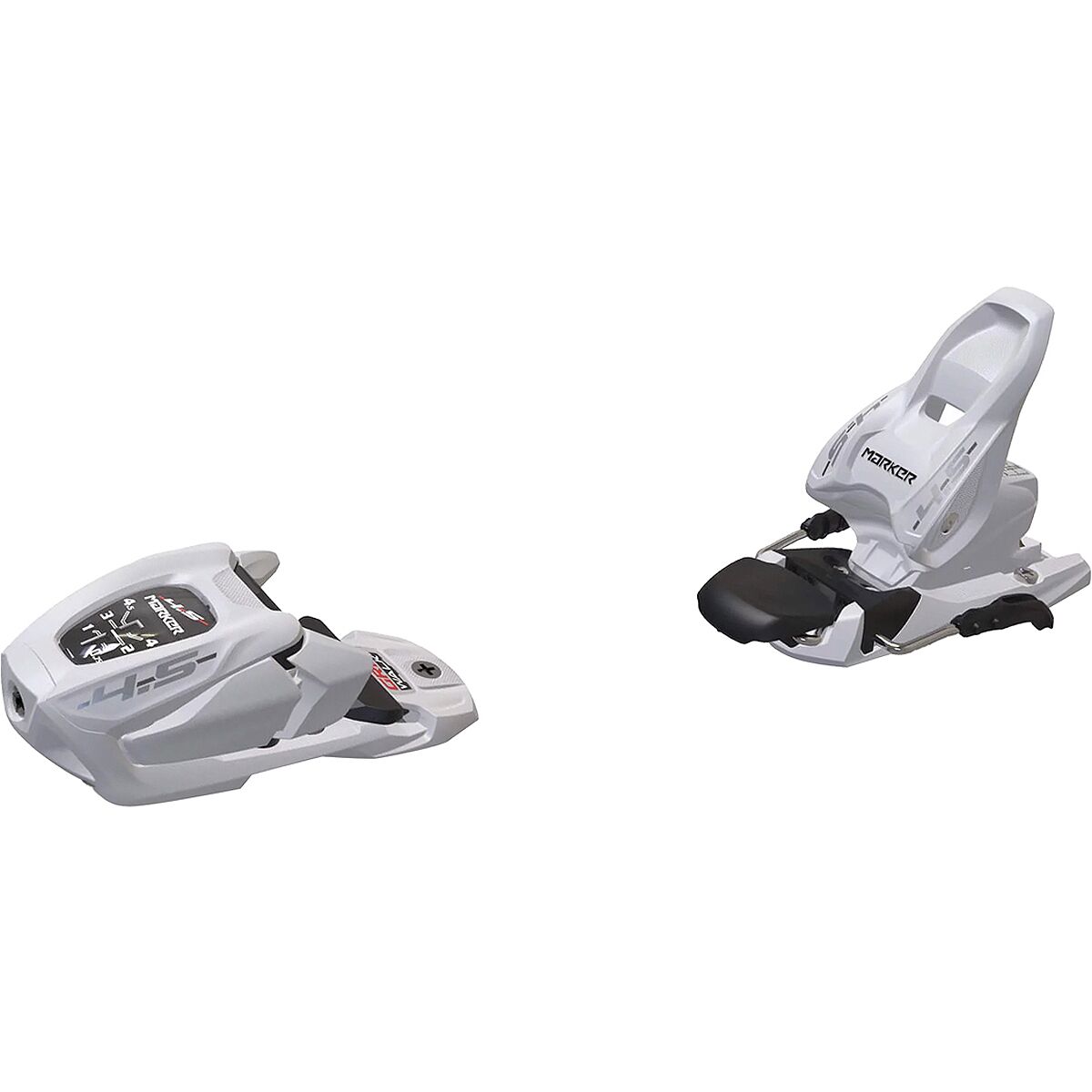
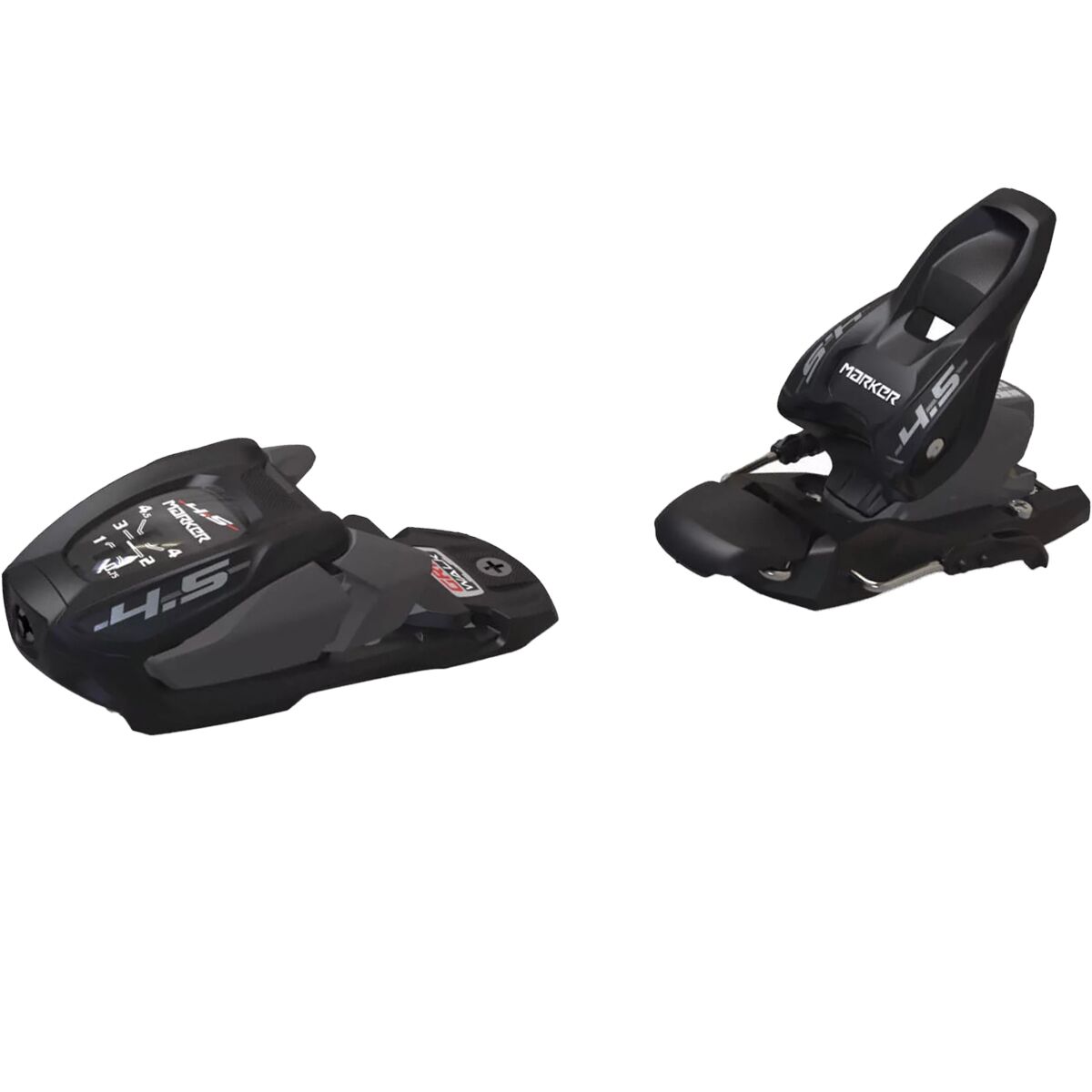
4.5 Ski Binding - 2027 - Kids'
2 colors
$119.99 - $129.99

Marker
Duke PT 11 Ski Binding - 2027
1 color
$649.99
10% Cashback Eligible

Marker
Duke PT Crampon
1 color
$109.99

Marker
Duke PT 16 Ski Binding - 2027
1 color
$749.99
10% Cashback Eligible

Marker
Duke PT 13 Ski Binding - 2027
1 color
$699.99
10% Cashback Eligible

Marker
Tour F12 EPF Alpine Touring Binding - 2027
1 color
$519.99
10% Cashback Eligible

Marker
Kingpin 10 Alpine Touring Binding - 2027
1 color
$659.99
10% Cashback Eligible
(1)

Marker
Alpinist 12 Alpine Touring Binding - 2027
1 color
$599.99
10% Cashback Eligible
(1)

Marker
Squire 10 100mm Ski Binding + Screw Kit
2 colors
$199.99

Marker
Alpinist Touring Leash - 2027
1 color
$65.99
Related Categories


Frequently Asked Questions
What Marker bindings are best for all-mountain, freeride, and touring skiing?
Choose by activity and DIN range: the Griffon (DIN 4–13) is a go-to all-mountain/freeride binding for aggressive resort skiing, the Baron series (higher DIN range) suits big freeride and heavier skiers, and lightweight Marker touring or tech-compatible models prioritize uphill efficiency. Also match brake width to your ski waist and consider weight—Squire is a lighter entry-level option (~1 kg), while pro-level bindings like the Jester Pro are beefier for powerful skiers.Which boot soles and brake widths work with Marker bindings like the Griffon, Squire, and Baron?
Marker bindings accept common sole standards—ISO 5355 alpine, many GripWalk soles, and select touring-compatible platforms; models with Sole.ID or Power Width simplify sole and brake accommodation on some units. Choose a brake width that is equal to or slightly wider than your ski waist (typical Marker options: ~90mm for narrow piste skis, ~110mm for all-mountain, ~130mm for powder/freeride).How does the Marker Griffon compare to the Jester (including Jester Pro) in release behavior, weight, and target skier?
The Griffon is a lightweight, all-mountain/freeride binding (DIN 4–13) tuned for versatile performance and ease of entry, while the Jester line—especially Jester Pro—is built for higher-power skiers with a stiffer heel and beefier components to handle higher release settings. Expect the Jester Pro to be heavier and more robust (Jester Pro ~1.2 kg per pair) and better suited for aggressive charging and park/freeride use, whereas the Griffon prioritizes a balance of weight, reliability, and playfulness.What Marker technologies reduce unwanted pre-releases and improve power transmission?
Marker uses features like the Triple Pivot toe for consistent lateral retention, an AFD (anti-friction device) gliding plate to prevent sticking during release, low stack-height and frameless toe designs for better ski-snow feedback, and progressive-energy-absorption geometry that improves release predictability under torsion. Together these systems aim to balance secure retention with reliable, consistent release under both vertical and lateral loads.