Start with the feel: cables vs wireless
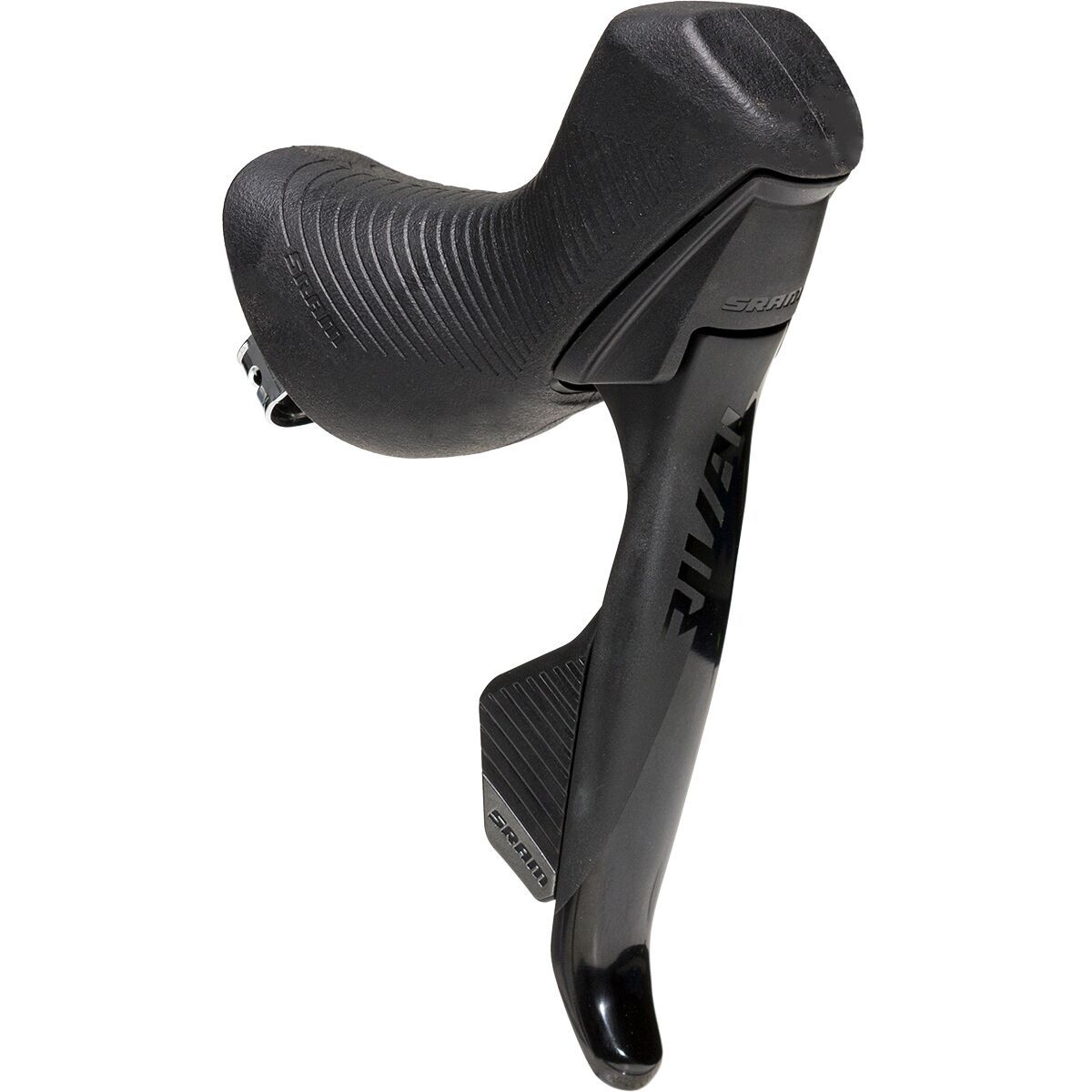
Before choosing between a mechanical 105-style setup and SRAM Rival eTap AXS, consider whether you want the familiar simplicity of cables or the clean, wireless experience of AXS shifting. With Rival E1 AXS, shifting is wireless and the system is designed around modern hood ergonomics—its updated hood shape is built to fit a wider range of hands more comfortably, and braking from the hoods is intended to take less effort while staying consistent in wet or dry conditions.
Think about your “set it and forget it” tolerance
If you like the idea of dialing settings digitally, Rival AXS leans into that: the Rival E1 AXS 12-speed rear derailleur is designed to be easy to set up with the AXS app. For riders who travel, race, or just hate surprises, battery planning becomes part of the equation—an AXS eTap Battery is rechargeable, swaps quickly, and is designed to power AXS eTap front or rear derailleurs.
Decide how much control you want from more positions
AXS can also expand your shifting locations. SRAM eTap AXS MultiClics are remote shift buttons made for drop or aero base bars, with customizable mounting and tape-friendly wings—handy when you want gear changes without moving your hands back to the main levers.
Mechanical 105-style vs Rival eTap AXS: the real differences
- Shifting interface: Mechanical systems rely on cables; Rival E1 AXS uses wireless electronic shifting for a cleaner, button-based experience.
- Setup & tuning: Rival AXS is built around straightforward setup and supports configuration via the AXS app (noted with the Rival E1 AXS 12-speed rear derailleur). Mechanical drivetrains typically mean hands-on cable tension and adjustment.
- Braking & hood feel: Rival E1 AXS emphasizes a redesigned hood shape intended to fit a wider range of hands, with braking from the hoods designed to take less effort and feel consistent in wet or dry conditions.
- Drivetrain range options: The Rival AXS rear derailleur is designed to work with 12-speed cassettes from 10-28T to 10-36T and supports 1x or 2x, giving you flexibility to bias toward tighter steps or more climbing range.
- 2x front shifting behavior: Rival AXS front derailleur is optimized for X-Range chainrings and uses Yaw technology for trim-free operation—less fiddling with front derailleur trim during rides.
- Power & preparedness: AXS introduces battery management. The AXS eTap Battery is rechargeable, designed to power AXS eTap derailleurs, and is quick to swap—carrying a spare can be a smart move for travel or big-mile days.
- Extra control points: eTap AXS MultiClics add remote shifting from drop or aero base bars with customizable mounting for riders who want shifting access beyond the main levers.
Choose based on where you ride most
If your riding swings between long training miles and fast group rides, it can help to look at complete builds that already nail the “do-it-all” brief. The Cervelo Soloist Rival eTap AXS Road Bike is built around a Cervelo all-carbon frame and tapered fork, and it’s positioned as an all-around option for day-in, day-out riding with race-oriented geometry inspired by Cervelo’s R5.
Build your Rival AXS setup intentionally
Going AXS isn’t just “electronic or not”—it’s also about choosing the right pieces for your drivetrain goals. The Rival AXS 12-speed rear derailleur is designed to pair with 10-28T through 10-36T cassettes and supports both 1x and 2x setups, so you can aim for tighter road steps or more climbing range depending on your routes. For 2x, the Rival AXS front derailleur is optimized for X-Range chainrings and uses Yaw technology for trim-free cage operation.
Plan the touchpoints you’ll interact with all day
Comfort and control live at the cockpit. Rival E1 AXS levers emphasize a redesigned hood shape, and if you’re refreshing an existing setup, SRAM Rival AXS Lever Hoods are an easy way to restore grip and feel without reinventing your whole build.
Backcountry help, minus the gatekeeping
Drivetrain choices get personal fast—because you’re not just buying parts, you’re buying how your bike feels on every climb, sprint, and sketchy crosswind descent. That’s where Backcountry comes in: we’ll help you sort the real tradeoffs between a cable-driven setup and a wireless AXS build without turning it into a forum rabbit hole.
Want to talk through cassette range (10-28T vs 10-36T), 1x vs 2x, or whether remote shifters make sense for your bars? Tap a Gearhead® Expert and we’ll help you match the right Rival AXS components—rear derailleur, front derailleur, batteries, and even the hood feel—to the way you actually ride.
Because the best drivetrain isn’t the one with the loudest hype. It’s the one that disappears underneath you when it’s time to put power down.