Force vs 105 mechanical: the reliability + performance verdict
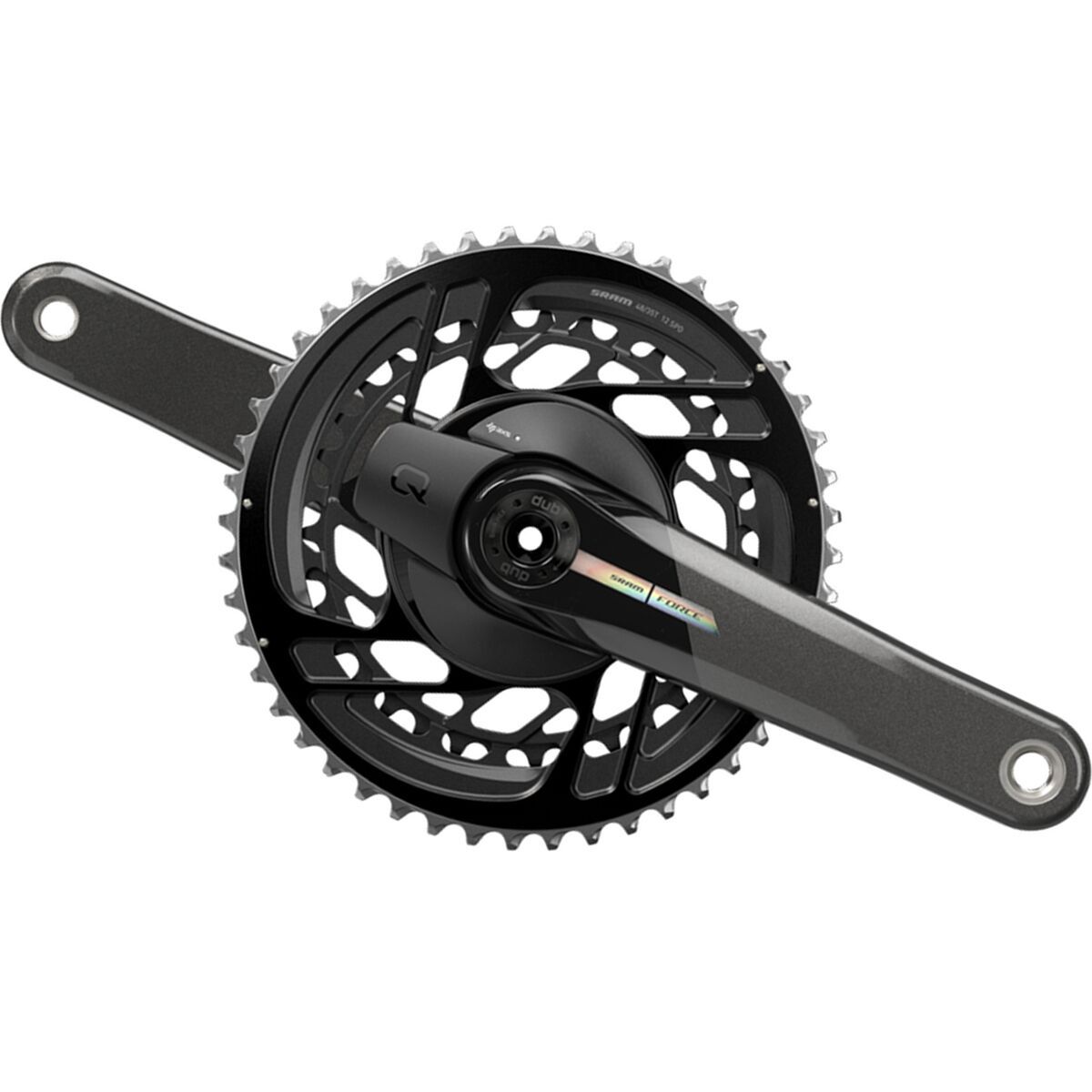
Shimano 105 mechanical is usually the safer bet for long-term reliability and low-fuss ownership, while SRAM Force generally aims for a more performance-leaning, lighter-feeling build with a sharper “race” personality—at the cost of being a bit more sensitive to setup and wear. That’s the real trade: set-and-forget durability versus tuned, performance-forward feel.
On the road, most riders notice it first at the lever: Force tends to feel more decisive—more “click” when you commit to a shift—where 105 mechanical is often described as smoother and a touch more forgiving when the bike’s dirty, the cable’s aging, or the hanger’s not perfectly straight. If you’re riding a lot, in mixed weather, or you just want your drivetrain to keep doing its job with minimal drama, 105’s reputation for steady, predictable shifting is hard to argue with.
Reliability isn’t just “does it work today?” It’s also: how often does it need love, and how painful is it when something gets whacked. In general, 105 mechanical wins on parts availability, cost-to-maintain, and tolerance for neglect. Force tends to reward riders who keep things clean, adjusted, and replaced on schedule—because performance setups feel best when everything’s aligned.
Quick pick: Choose 105 mechanical for high-mileage durability and easy maintenance; choose Force if you’re chasing a more performance-driven feel and don’t mind staying on top of adjustments. If you tell a Gearhead® Expert your riding conditions (wet/dusty, commuting vs racing, crash risk), we can narrow it to a confident call.
What “performance” actually feels like on the bike
When people talk about performance between these two, they’re usually talking about shift feel under effort, brake control, and how consistent everything stays over a long season. Mechanical drivetrains are simple in a good way—cables, housings, and clean adjustment—but they do show their mood when contamination and wear build up.
- Shifting feel: Force is typically chosen by riders who like a firmer, more defined lever action. 105 mechanical is the crowd favorite for a smoother, more forgiving feel that stays predictable as conditions get messy.
- Consistency over time: 105 mechanical has a strong reputation for staying “in the pocket” longer between tweaks. Force can feel razor-sharp when perfectly set, but it tends to reward regular check-ins—especially if you ride hard, travel, or swap wheels often.
- Maintenance sensitivity: Both are cable-driven, so clean housing and correct tension matter. In practice, 105 is usually the better pick if you want fewer micro-adjust moments and less stress about perfect alignment.
- Crash and knock reality: Any mechanical setup can get thrown off by a bent derailleur hanger or a hit to the rear mech. The practical difference is ownership: 105 mechanical parts are commonly easier to source quickly and keep as spares, which can mean less downtime.
If you’re chasing a “race bike” personality and you enjoy dialing gear, Force scratches that itch. If you’d rather spend your time riding than tuning, 105 mechanical is the classic reliability play.
How to choose: match the groupset to your riding, not your ego
Here’s the cleanest way to decide between Force and 105 mechanical: pick the one that fits your maintenance tolerance, your riding conditions, and your replacement-parts reality.
- If you ride big miles in all weather: Lean 105 mechanical. It’s the dependable workhorse choice when grit, rain, and long weeks make “perfect adjustment” a moving target.
- If you race, train hard, or love a crisp lever feel: Force is usually the move. It’s for riders who want a more performance-forward sensation and don’t mind doing quick tune-ups to keep it feeling prime.
- If you travel with your bike or crash risk is real: Think about downtime. 105 mechanical is often simpler to keep rolling fast because replacement parts are widely stocked and familiar to most shops.
- If you hate drivetrain noise and tinkering: 105 mechanical is the safer bet. If you don’t mind occasional adjustments—and you like the idea of a sharper feel—Force can be worth it.
A quick note on “control upgrades” (only if you’re on Di2/TT)
If your setup is actually electronic and time-trial focused, bar-position shifting is a separate decision from Force vs 105 mechanical. For Di2 TT builds, Shimano’s TT brake/shift levers (like the Dura-Ace Di2 ST-R9160 or Ultegra Di2 ST-R8060) are designed to keep shifting accessible from TT positions—but that’s a different lane than comparing two mechanical road groups.
Want a precise recommendation? Share: which generation of Force/105, rim vs disc, and your typical conditions (wet, dusty, winter roads). That’s where the “best” answer gets personal—in a good way.
Why shop Backcountry for drivetrain decisions
Groupsets are one of those purchases where the small stuff matters: how it shifts after 2,000 miles, how annoying it is to adjust, and how quickly you can get rolling again when something gets bonked. That’s why we lean into real-world guidance, not just spec-sheet flex.
Backcountry is built for riders who care about the ride feel and the ownership feel. If you’re torn between a performance-leaning option and a durability-first workhorse, a Gearhead® Expert can help you map your riding (mileage, weather, terrain, maintenance appetite) to the right choice—so you don’t end up with a drivetrain that’s “technically great” but wrong for your week-to-week.
Bottom line: choose the setup that keeps you riding more and wrenching less—or choose the one that makes every shift feel like a little victory. Either way, we’ll help you land it with confidence.