Direct climbing advantage vs 105 mechanical
Compared to Shimano 105 mechanical, SRAM Rival eTap AXS helps on climbs with wireless electronic button shifting that avoids cable friction and routing clutter, delivers dependable gear changes when you’re pushing hard, and keeps shifting accessible from the hoods so you can stay steady on the bars.
On long grinds, mechanical systems can feel great—but they’re still tied to cable condition and housing runs. Rival eTap AXS cuts that variable by going wireless, which also means a cleaner-looking, less cluttered cockpit when you’re building (or rebuilding) a bike. That matters most when you’re out of the saddle, swapping hand positions, and you want your shifts to happen the same way every time: press, shift, done.
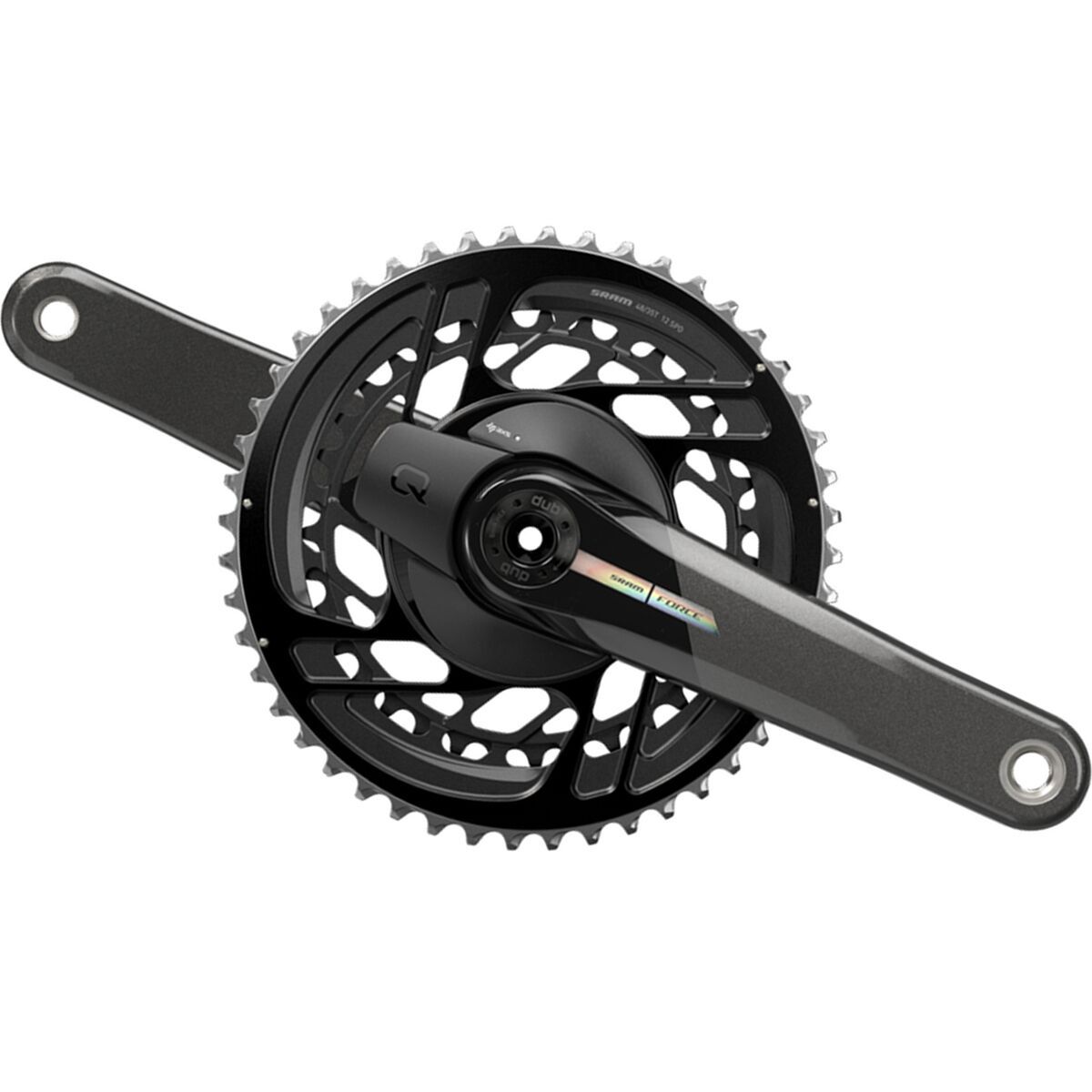
Rival’s AXS ecosystem also opens up smart ways to tailor a climbing setup. Rival AXS components are compatible with other AXS products, so you can mix in parts to expand gear range for steeper routes—like pairing an AXS rear derailleur and cassette option for more range on all-road and gravel builds. If you’re running 2x, Rival AXS front shifting is designed around X-Range chainrings and uses SRAM’s Yaw tech for trim-free operation, so you’re not babysitting the front derailleur mid-climb.
Bottom line: if your climbs reward consistency and clean control, Rival eTap AXS brings a more set-it-and-send-it shifting experience than a cable-driven setup.
What Rival eTap AXS adds when the road tilts up
Climbing is all about pacing—and the best upgrades are the ones that reduce little interruptions. Rival eTap AXS leans into that with wireless shifting, tidy aesthetics, and controls that are built to be used hard and often.
- Wireless shifting, fewer variables: With no shift cables in the equation, you’re not depending on housing runs or cable condition to get a clean shift when you’re deep in the effort.
- Comfortable hood control: The Rival E1 AXS system was redesigned with a new hood shape to fit a wider range of hands, and braking from the hoods takes hardly any effort—nice when climbs turn into rolling terrain and you’re constantly modulating speed.
- Front shifting without trim management: Rival AXS front derailleurs use SRAM’s Yaw approach for trim-free cage operation, helping reduce chain rub fuss when you’re bouncing between gears.
- Range-friendly ecosystem: Rival AXS plays well with other AXS products, making it easier to build toward more climbing range on an all-road or gravel rig.
Add-on control options for hand-position variety
If your climbing style involves rotating between tops, hoods, and drops, SRAM’s remote options can keep shifting right where you want it. eTap AXS MultiClics are remote buttons for drop or aero base bars, with mounting wings that make a clean bar-tape wrap straightforward. eTap Clics are designed to be easy to locate, reach, and actuate so you can shift with thumbs or fingers without changing hand position—handy when the grade gets serious.
How to choose a climb-focused Rival AXS setup
When you’re comparing a wireless Rival build to a mechanical 105 setup, the biggest decision points for climbing are range, control layout, and whether you’re running 1x or 2x.
1) Decide on gear range first
If your rides include long, steep pitches (especially off pavement), prioritize a wider cassette range. The Rival E1 AXS 12-speed rear derailleur pairs with 12-speed cassettes from 10-28T to 10-36T and supports both 1x and 2x setups—so you can pick tighter steps for smoother cadence changes, or more range for steeper terrain.
2) Pick 1x vs 2x based on your terrain
- 2x: If you want smaller jumps between gears on rolling climbs, add a Rival AXS front derailleur. SRAM’s Yaw design is built for trim-free operation, which keeps things simpler when you’re shifting frequently.
- 1x: If you prefer straightforward shifting and you’re okay with bigger steps between gears, focus on cassette range and rear shifting.
3) Fine-tune hand-position control
If you spend lots of time on the hoods, prioritize the Rival E1 AXS control shape and feel. If you want shifting from more positions, consider remote buttons: MultiClics for drop/aero base bars with clean tape integration, or eTap Clics for thumb/finger access without moving your hands.
Why build it with Backcountry
Climbing gear choices are personal—because your climbs are personal. At Backcountry, the goal is simple: help you land on the setup that matches your terrain, your bike, and the way you like to ride.
If you’re weighing a wireless Rival eTap AXS build against a mechanical group, the details matter: cassette range, 1x vs 2x, front shifting preferences, and whether remote buttons make sense for your hand positions. That’s where a Gearhead® Expert comes in—someone who can talk through compatibility across AXS parts, help you choose between Rival AXS options (including the E1 redesign), and make sure your build plan makes sense before you start turning wrenches.
Whether you’re updating a cluttered gravel cockpit, chasing smoother front shifts, or just trying to keep your cadence steady on long grades, we’ll help you get to a dialed setup—so the only surprise on the climb is how fast the summit shows up.