The quick decision
If you’re deciding between a mechanical 105 setup and SRAM Rival eTap AXS, the cleanest split is this: choose Rival eTap AXS when you want fully wireless shifting, customizable controls, and noticeably lighter braking effort from the hoods and drops; choose 105 mechanical when you want a cable-driven system you can tune with traditional adjustments and you prefer that classic mechanical feel.
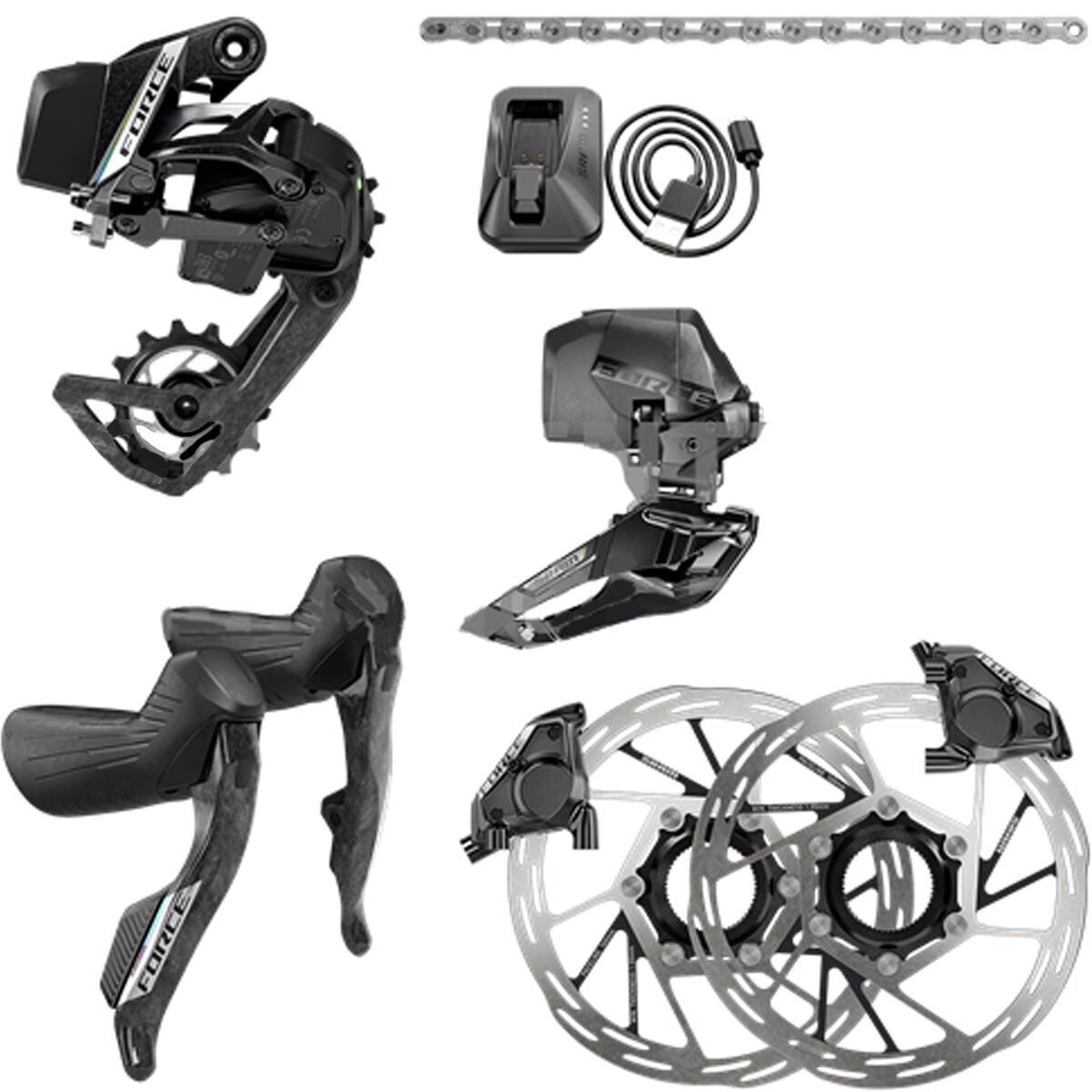
The SRAM Rival E1 AXS Shift/Brake System is purpose-built to make the “hands-on-the-hoods” part of riding feel easier and more consistent. The lever design is updated for comfort across a wider range of hand sizes, and the brake lever’s pivot placement is designed to reduce the effort needed for one-finger braking—without giving up control. Add in textured shift paddles for grip when conditions get variable, plus Reach Adjust to dial lever position, and you’re looking at a cockpit that’s all about fit and confidence.
So the real question isn’t which one is “better.” It’s which one matches your priorities: wireless simplicity and programmable shifting with Rival AXS, or the straightforward, cable-and-housing approach of mechanical 105. If your rides include mixed conditions, long days, or you just want your controls to feel more effortless, Rival AXS tends to be the easy pick.
Why Rival AXS feels like a cockpit upgrade
The SRAM Rival E1 AXS Shift/Brake System isn’t just “electronic shifting.” It’s a full control package designed around comfort, leverage, and consistency—especially where you spend most of your time: on the hoods.
Features that show up on every ride
- Fully wireless shifting: Crisp gear changes with AXS, plus the ability to program how the controls behave so the setup matches your preferences.
- Reduced braking effort: The lever architecture is designed for easier one-finger braking from both hoods and drops, helping you stay relaxed when the pace picks up.
- Updated hood shape: A redesigned profile intended to fit a wider range of hands more comfortably—small detail, big difference on long rides.
- Textured shift paddles: Added grip for more confident inputs when conditions aren’t perfect.
- Reach Adjust: Fine-tune lever position for a fit that feels natural, not forced.
- Carbon brake lever: A lightweight lever with a compact, clean look on the bar.
Bottom line: if your decision hinges on control feel—how easy it is to brake, how intuitive it is to shift, and how well the levers fit your hands—this system is designed to stack the deck in your favor.
How to choose between mechanical 105 and Rival AXS
Think of this as choosing your “ride interface.” Both options can get you down the road; the difference is how you want shifting and braking to feel, and how you want to live with the system day to day.
Pick Rival AXS if you want:
- Wireless simplicity at the bar: AXS shifting is fully wireless, which can mean a cleaner setup and fewer moving parts in the control path.
- Customization: Programmable shifting lets you set up the controls the way your brain and hands prefer.
- Less hand effort when braking: If you value easy one-finger braking from multiple hand positions, this is a major point in its favor.
- Fit-first ergonomics: Reach Adjust plus a redesigned hood shape helps you dial comfort instead of “making it work.”
Lean mechanical 105 if you want:
- Traditional mechanical feel: If you like the direct feedback of cables and mechanical actuation, that’s the vibe.
- Hands-on adjustability: If you prefer to handle tuning with familiar mechanical adjustments, you’ll likely enjoy owning that system.
If you’re still torn, decide based on your non-negotiable: customizable wireless control (Rival AXS) vs. classic mechanical simplicity (105).
Make the call with Backcountry in your corner
Need a second opinion before you commit? Tap a Gearhead® Expert and talk it through like you would on the lift: quick questions, straight answers, zero gatekeeping.
When you’re weighing a mechanical 105-style setup against the SRAM Rival E1 AXS Shift/Brake System, focus on what this specific system is documented to deliver: fully wireless AXS shifting, programmable gear changes, and a lever design that’s built around comfort and control. The hood shape is redesigned to fit a wider range of hands, and the brake lever uses a raised pivot point intended to make one-finger braking easier from the hoods and drops (SRAM notes up to 80% less effort without sacrificing power).
If you’re leaning mechanical, you’re choosing a traditional mechanical shifting setup—simple, familiar, and easy to understand at a glance. If you’re leaning AXS, you’re choosing a cleaner, modern control experience with adjustability at the lever (Reach Adjust) and confident touchpoints like textured shift paddles. Either way, a Gearhead® Expert can help you sanity-check fit, goals, and what you actually want to feel on ride day.