The quick verdict
Yes—SRAM Rival eTap AXS can be worth paying more for when you want wireless shifting that stays consistent and a cockpit feel that’s built around comfort and control, not cable routing compromises. If your priority is keeping things purely mechanical and you don’t care about customization, the upgrade is harder to justify.
Rival AXS is all about reducing the little annoyances that add up: setup is straightforward (the rear derailleur installs with a single bolt), and the AXS app opens the door to personalization instead of “set it and forget it.” On the ride, the system is designed to keep shifting behavior consistent—even when you’re tired and your timing isn’t perfect.
Where the extra money actually shows up
- Wireless simplicity: eTap AXS is built around a full wireless approach, which can mean a cleaner build and fewer moving parts to fuss with.
- Comfort-first controls: The Rival E1 AXS shift/brake system has a redesigned hood shape intended to fit a wider range of hands more comfortably.
- Confident braking feel: Braking from the hoods is described as low-effort with consistent feel in wet or dry conditions.
When mechanical still wins
If you like the idea of “no app, no charging, just cables,” a mechanical setup keeps the experience straightforward. But if you’re chasing a modern, tidy, configurable ride feel, Rival eTap AXS is the upgrade that’s easiest to feel on day one.
What Rival eTap AXS brings to the ride
Rival eTap AXS isn’t about one flashy feature—it’s about removing friction from every shift and every braking moment. The Rival E1 AXS shift/brake system is designed around a new hood shape for a more comfortable fit across a wider range of hands, and the feedback from the controls is focused on consistency in changing conditions.
Shifting: clean, consistent, and customizable
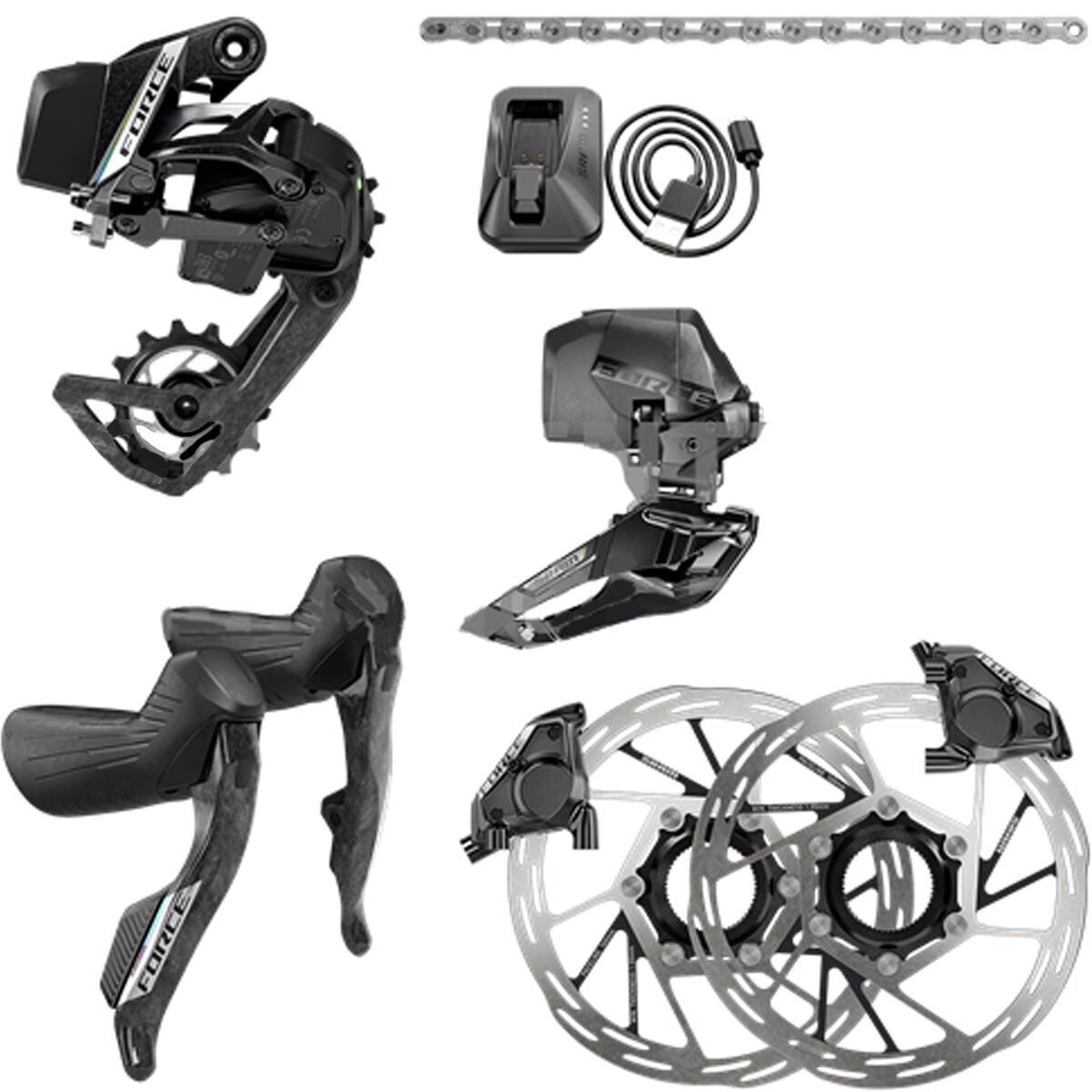
The Rival AXS rear derailleur is the wireless “engine” of the system, and it’s built to play well with a wide spread of 12-speed cassettes—from 10-28T up to 10-36T—plus it supports both 1x and 2x setups. Setup is intentionally simple, and AXS app integration makes it easier to personalize how things feel.
- Wide gearing compatibility: Works with 12-speed 10-28T through 10-36T cassettes.
- Build flexibility: Supports 1x and 2x drivetrains.
- AXS app tuning: Easy personalization and setup through the AXS ecosystem.
Front shifting that stays out of your way
The Rival AXS front derailleur is optimized for X-Range chainrings and uses Yaw technology for trim-free cage operation—so you’re spending less time thinking about micro-adjustments and more time focusing on the next move.
How to decide if the upgrade is worth it
The real question isn’t “Which one is better?” It’s “Which one fits how you ride and tinker?” Use these checkpoints to make the call without overthinking it.
Choose Rival eTap AXS if you want…
- Wireless shifting: A cleaner, cable-free approach that’s designed to be easy to set up.
- Modern hood ergonomics: The Rival E1 AXS controls are shaped to fit a wider range of hands more comfortably.
- App-based customization: AXS-enabled components let you personalize your setup through the app.
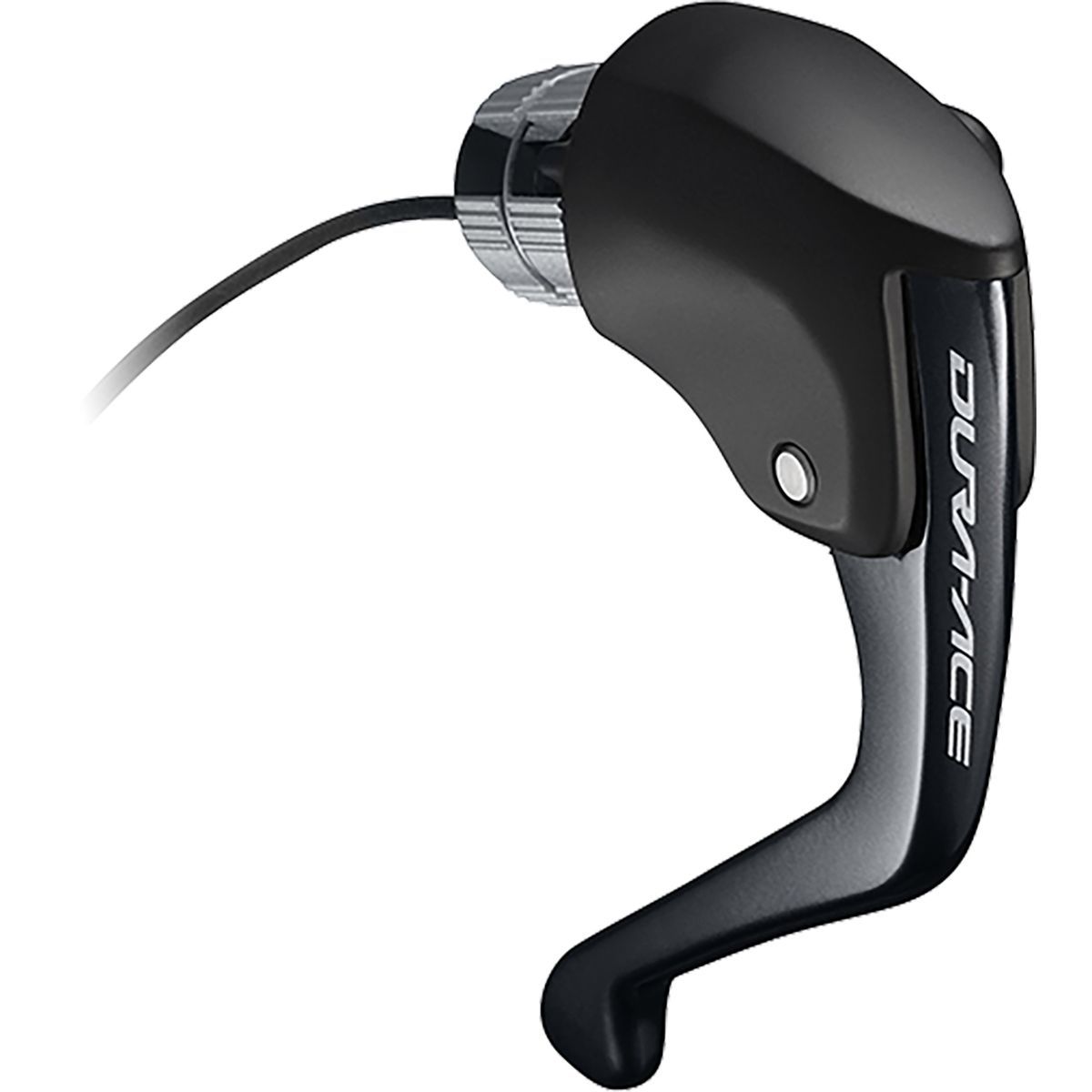
- Remote shifting options: If you run tri/TT or love extra shift buttons, the eTap AXS BlipBox plus MultiClics can add multiple remote shifter ports and flexible mounting.
Stick with mechanical if you want…
- Pure simplicity: No app ecosystem, no wireless pairing—just a straightforward mechanical experience.
- A “set-and-ride” mindset: If you don’t care about personalization or extra control points, you may not feel the value.
A practical way to sanity-check the spend
- Decide if wireless + AXS personalization is a “must,” not a “maybe.”
- Think about your terrain: wide cassette support (10-28T to 10-36T) matters more if you bounce between steep climbs and fast descents.
- If comfort at the controls is a big deal, prioritize the redesigned hood shape and braking feel.
Why make the call with Backcountry
Drivetrain upgrades are the kind of decision that can feel small in a cart—and huge on mile 60. That’s why we keep it real: we’ll help you figure out whether you’ll actually use what you’re paying for, or if a simpler setup matches your riding style better.
Need to talk through compatibility, 1x vs 2x, or whether you’d benefit from remote shifters for a tri/TT build? Our Gearhead® Expert crew lives for this stuff, and they’ll meet you exactly where you’re at—whether you’re building a fresh rig or dialing the last 5% on your current bike.
Bottom line: if you’re chasing a cleaner cockpit, consistent wireless shifting, and a more comfortable control shape, we’ll point you toward the right AXS pieces (or a complete build like the Cervelo Soloist Rival eTap AXS Road Bike). And if you’re better served keeping it mechanical, we’ll say that too.