Built for mixed-surface miles
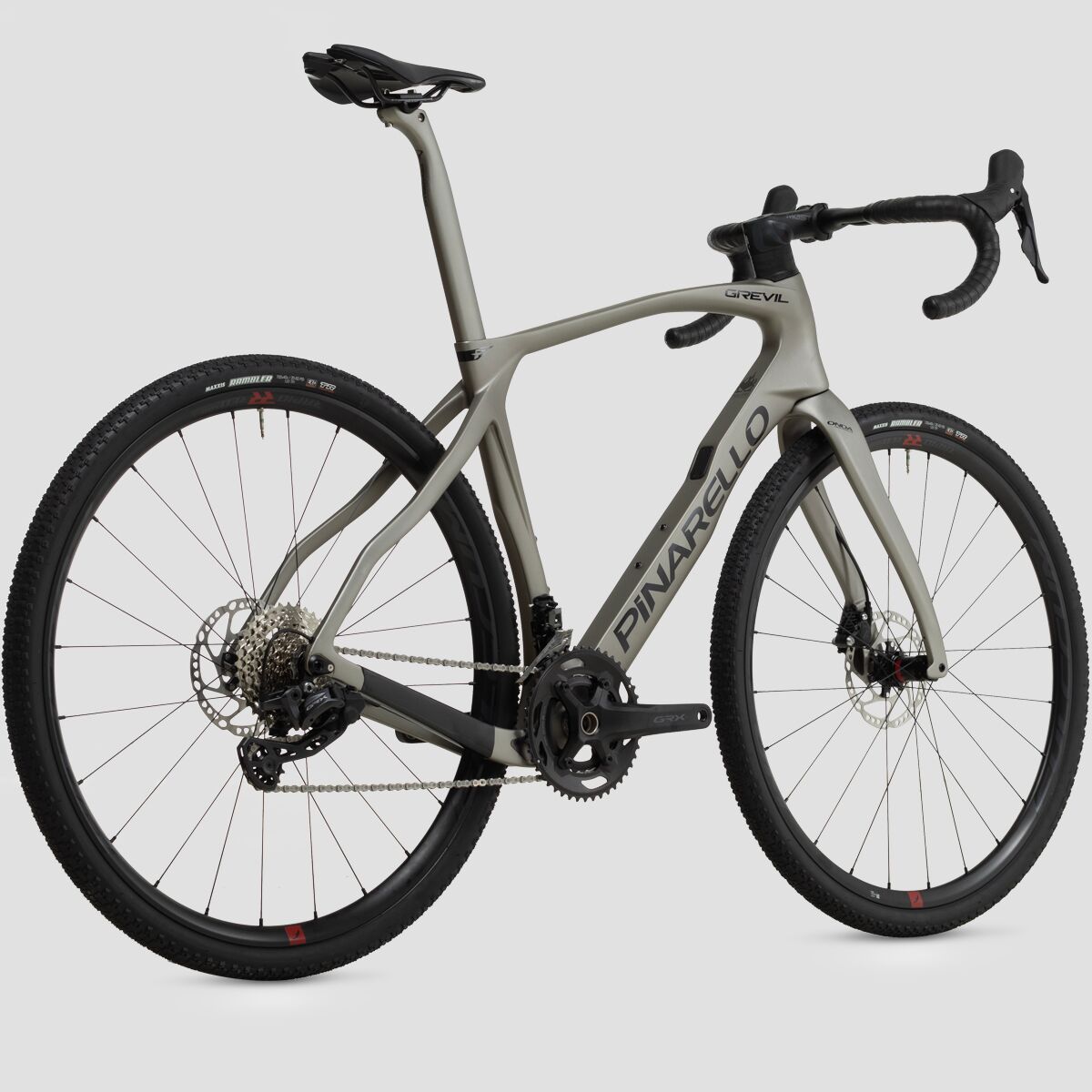
Yes—the bike described here is a strong pick for riders who want one machine for paved miles and gravel routes. Its flat-back tube shaping is designed to cut wind on open roads, giving it a quicker, more efficient feel when the pace rises. At the same time, the geometry is tuned to keep you settled once the surface gets rougher, which matters when a smooth spin turns into washboard, loose corners, or chunky fire road.
That balance is what makes a gravel bike truly useful beyond one lane or one surface. You want something that doesn’t feel dragged down on pavement, but also doesn’t get nervous the second the route gets dusty. This setup threads that needle with 40c Maxxis Rambler tires that help absorb chatter without feeling like overkill for faster dirt.
The drivetrain matters, too. A GRX 610 2x12 setup with a 46/30t crankset and 11-36t cassette gives you range for steep pitches and enough top end for quicker rolling sections. In plain terms: it’s ready for long connectors on tarmac, punchy climbs, and the kind of mixed-terrain days where the route planner gets a little ambitious—in the best way.
Why this build works across surfaces
The biggest win here is how each part of the bike supports the same goal: staying efficient when the road is smooth and staying composed when it isn’t. The frame’s flat-back profile isn’t just for looks. It’s meant to reduce drag on open stretches, which helps when you’re covering ground on pavement or hardpack and want the bike to keep carrying speed.
Up front, Pinarello’s TiCR cable and hose routing keeps the cockpit clean and reduces the flex and drag that exposed housing can create at speed. That gives the front end a tidy, purposeful feel while supporting the bike’s aero focus. It’s a small detail until you’re riding into a headwind or pushing the pace, then it starts to make a lot of sense.
- 40c tires: add comfort and control on rougher surfaces.
- Settled geometry: helps the bike stay calm when the terrain gets loose or broken up.
- 2x12 gearing: gives useful range for climbing and faster rolling sections.
- Integrated routing: keeps the cockpit streamlined and clean.
Put it together and you get a ride that feels less like a compromise and more like a smart answer for riders who split time between pavement and dirt.
How to decide if this style of bike matches your riding
If your rides regularly mix pavement, hardpack, fire roads, and rough connectors, this kind of setup makes a lot of sense. The key question is not whether you ride only gravel or only road—it’s whether your best rides ignore that line completely. For that rider, a bike with aero-minded shaping, stable geometry, and wider tires can be a very practical call.
Think about your usual terrain. If you spend most of your time on smooth roads and only occasionally touch dirt, you may care most about speed and efficiency. If your routes often include rough gravel, washboard, or longer unpaved stretches, comfort and control move higher on the list. This build is aimed at the middle of that Venn diagram: fast enough for road miles, capable enough for rougher surfaces.
- Choose it for mixed routes: especially when one ride includes both pavement and gravel.
- Choose it for range: the 46/30t and 11-36t combo supports both climbing and quicker flats.
- Choose it for composure: 40c tires and stable handling help when surfaces get unpredictable.
If your ideal ride starts on asphalt, cuts onto dirt, and ends wherever the map gets interesting, this is the lane to look at.
Why shop bikes with Backcountry
Big bike decisions deserve more than a spec sheet and a shrug. Backcountry is built for riders who care how gear performs once the route gets real—on long road drags, rough gravel sectors, and all the in-between miles that make a ride worth remembering.
When you’re sorting through geometry, tire clearance feel, and drivetrain range, a Gearhead® Expert can help cut through the noise. That means real guidance from people who know the gear, not canned advice or copy-paste answers. If you want help thinking through how a bike like this fits your terrain, riding style, and goals, that support is right there.
The result is a better buying experience and, ideally, fewer second guesses once the wheels start turning. Because the fun part should be choosing the route—not wondering if your bike can handle the next section when the pavement ends.
Why buy your Pinarello Grevil F5 GRX 610 from Backcountry?
For a bike built for mixed-surface miles, Summit Club+ ($49/yr) adds value every time you gear up: every purchase earns 10% instant cash back on full-price and sale items. Cash back posts immediately after purchase, and one order over $490 covers the membership fee entirely.
- Instant cash back — posts right after purchase, not once a year
- Earn on sale and clearance items — unlike most outdoor retailers, rewards aren’t limited to full-price purchases
- Redeem on anything — use your cash back on full-price and sale items alike, with no restrictions
- Free 2-day shipping on orders $150+
- Your own dedicated Gearhead Expert — personal gear advisor by chat, phone, or text
- 20% off birthday discount plus early access to deals and new gear drops
- Partner Perks — $100 off Mountain Collective passes, $140 off Outdoorsy, free USA Cycling membership
- 365-day satisfaction guarantee — full refund on membership within a year, minus any cash back redeemed