DOT or mineral oil: the real-world pros and cons
SRAM’s DOT-based brake systems may feel familiar to riders who already know that setup, while a mineral-oil alternative brings a simpler maintenance rhythm and still keeps plenty of stopping power on tap. One clear advantage of mineral oil here is a simpler service schedule. SRAM says its mineral-oil setup only needs bleeding every other year, while its other brakes need to be bled at least once per season.
That makes the upside of mineral oil easy to appreciate if you want strong braking without regular service intervals hanging over every season. The tradeoff is that if you already know and prefer SRAM’s DOT-based ecosystem, switching fluid systems may be less about raw performance and more about how you like to maintain your bike.
On the trail, the key point is that easier upkeep does not mean watered-down performance. SRAM positions its mineral-oil brake as a serious option for enduro and trail riding, with 90% of the stopping power of its top-tier Code RSC disc brakes. So if your question is really about whether mineral oil gives up too much to gain convenience, the answer looks pretty clear: you get a simpler service schedule and still keep a lot of braking muscle where it counts.
How the two systems stack up
When comparing SRAM’s DOT-based brakes with a mineral-oil alternative, the most useful lens is maintenance, intended use, and braking output. That keeps the conversation grounded in what matters once the ride gets fast and loose.
- Maintenance cadence: Mineral oil takes the win for riders who want fewer service sessions. SRAM notes a bleed interval of every other year for its mineral-oil system, versus at least once per season for its other brakes.
- Ride category: This mineral-oil option is not a mellow cruiser part. It is positioned for trail and enduro riding, so the use case stays firmly in performance territory.
- Stopping power: SRAM states this setup delivers 90% of the stopping power of its top-tier Code RSC disc brakes. That is a strong number for riders who want confidence on descents without chasing the most complex setup in the garage.
- Design approach: The appeal here is a simpler design paired with serious braking force. That balance is a big part of the mineral-oil argument.
If you like a brake system that asks less from your maintenance calendar while still showing up for hard trail days, mineral oil makes a compelling case. If your routine already revolves around seasonal brake service and you are fully committed to SRAM’s traditional fluid format, DOT still fits that lane. It is less about right versus wrong, more about whether you want your brake system to demand more attention between rides.
How to choose the right SRAM brake fluid system
Pick based on how you ride and how you wrench. That is the cleanest way to sort this out without getting lost in workshop rabbit holes.
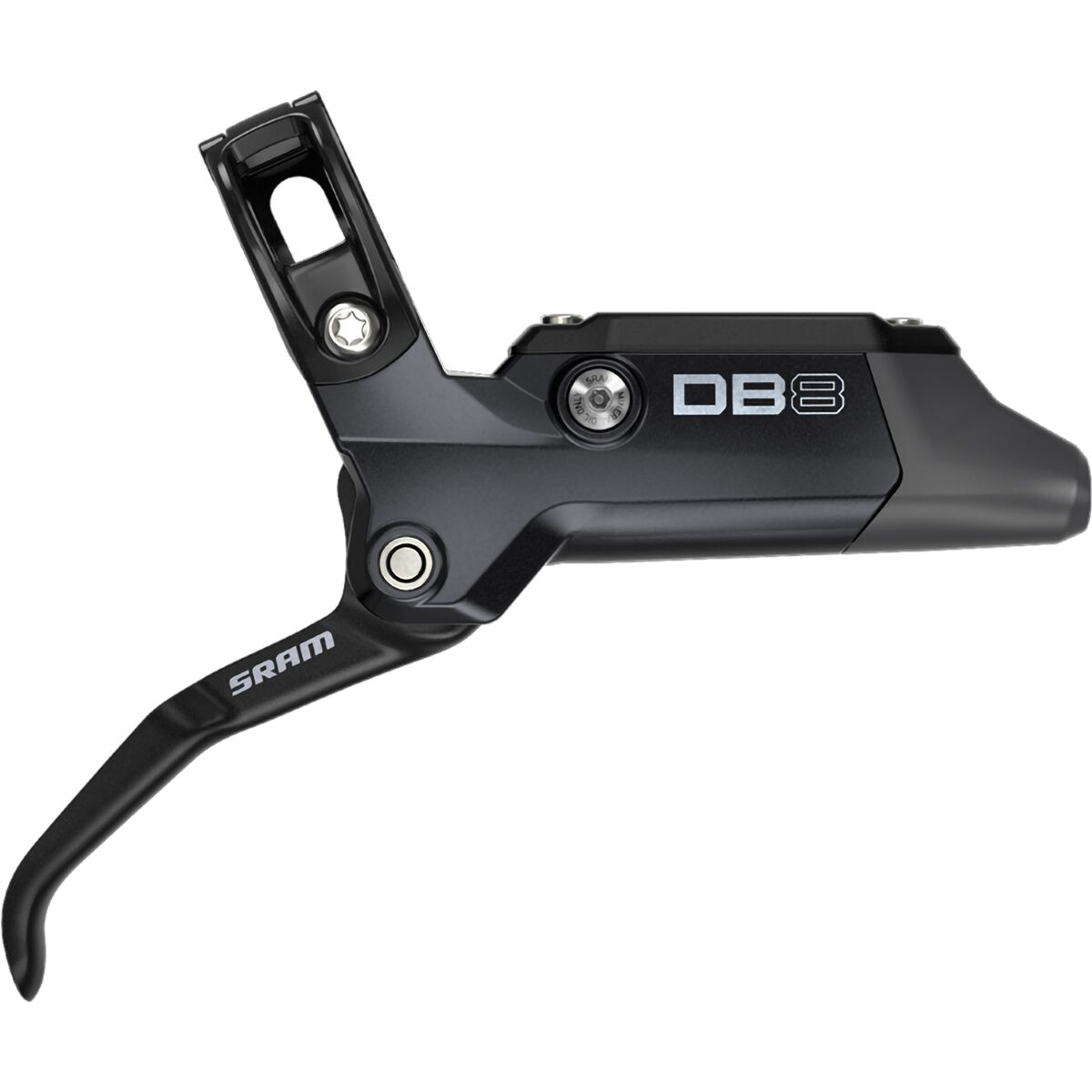
- Choose mineral oil if simpler upkeep is a priority for you. Riders who want fewer bleeds may appreciate that DB8 brakes only need bleeding every other year.
- Choose with terrain in mind. For trail and enduro use, SRAM’s mineral-oil option is built to be more than a casual upgrade. It is aimed at riders who still want real braking authority when the trail points down.
- Think about how much power you actually need. If 90% of the stopping power of Code RSC sounds like plenty for your riding, that is a strong argument for the simpler system.
- Consider your maintenance comfort zone. Some riders do not mind regular service. Others want a setup that stays quieter in the to-do list. Neither approach is wrong, but one may fit your season better.
If you want a brake with strong performance and fewer bleeds in SRAM’s DB8 setup, mineral oil may be worth a look. If your current setup already works for you, sticking with it can still make sense. The best brake is the one that matches both your ride style and your willingness to break out the bleed kit.
Why shop brakes with Backcountry
Brake choices get nuanced fast, and that is exactly where Backcountry comes in. Whether you are piecing together a fresh trail build or sorting out a smarter upgrade for long descents, a Gearhead® Expert can help cut through the noise and focus on what actually matters for your riding: power, maintenance rhythm, and where your bike spends most of its time.
We are into gear that earns its place on the trail, not just parts-bin hype. That means helping you zero in on components built for the way you ride, from enduro laps to everyday singletrack missions. If you want less wrenching and more braking confidence, this is the kind of detail worth getting right before the first turn of the rotor.
Why Buy the SRAM DB8 Disc Brake from Backcountry?
When you are upgrading to a brake like the SRAM DB8 Disc Brake, sourcing matters. Backcountry works through direct relationships with respected outdoor and bike brands, so every product is authentic and backed by the full manufacturer warranty. No gray-market goods, and no third-party sellers.
- Authorized dealer — including Specialized, Salomon, Scarpa, Osprey, Black Diamond, Patagonia, Arc'teryx, and hundreds more
- Full manufacturer warranty — products are sourced through authorized distribution channels, not unverified marketplace sellers
- Complete size and color runs — managed inventory with early access to new collections
- 90-day return policy — one simple, consistent process across every brand, including multi-brand orders
- No counterfeit risk — unlike open marketplaces, every item at Backcountry is vetted and fully warranted