What the fluid switch really changes
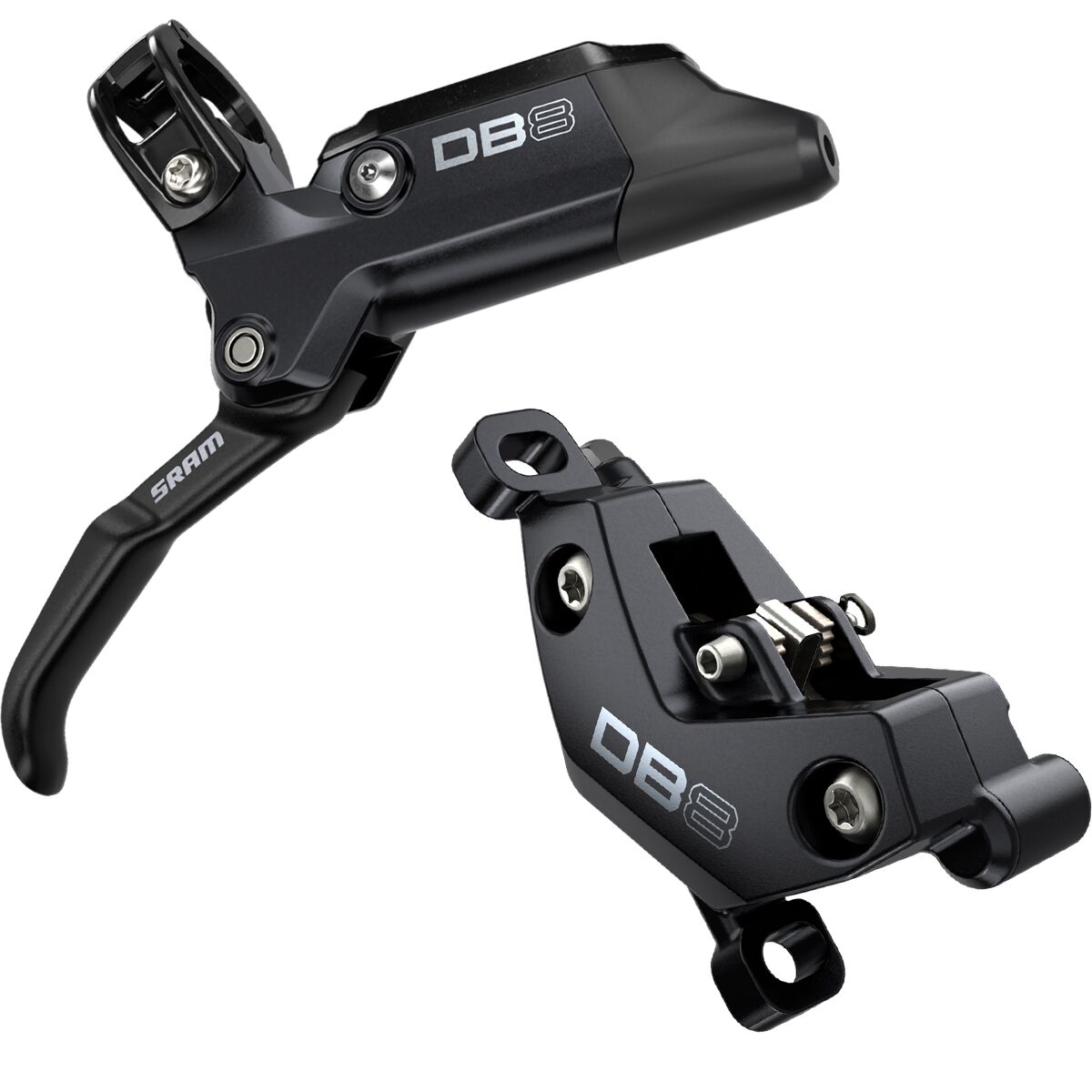
Yes—moving to a mineral-oil setup can improve the ownership experience in a meaningful way, especially if your main goal is spending more time riding and less time bleeding brakes. With the SRAM DB8 Disc Brake, SRAM pairs its first mineral-oil braking system with strong control for trail and enduro use, so the change is not just about fluid type. It is also about simplifying maintenance while keeping the kind of stopping power riders want when the trail gets fast, loose, and rowdy.
The clearest performance gain here is consistency over time from a maintenance standpoint. The SRAM DB8 Disc Brake only needs to be bled every other year, while SRAM’s other brakes need bleeding at least once per season. If you wrench on your own bike, that means fewer service intervals. If you would rather leave the shop stand for chain lube and tire pressure, same story: less upkeep, less fuss.
That does not mean the fluid change is only about convenience. This brake is built as a performance option for enduro and trail riding, with a straightforward design and serious stopping power. SRAM says it delivers 90% of the stopping power of its top-tier Code RSC disc brakes, which puts the focus right where it belongs—on controlled speed checks, confident braking, and fewer maintenance headaches trying to steal ride time.
Why this brake makes sense on trail and enduro bikes
The SRAM DB8 Disc Brake is aimed at riders who want a clean, no-drama braking setup that still brings real authority to the lever. Its design is intentionally simple, which is a good thing when you want dependable performance without adding extra complexity to your cockpit or your maintenance routine.
Stopping power is the headline feature. SRAM positions this brake for enduro and trail riding, and says it provides 90% of the stopping power of its top-tier Code RSC disc brakes. That matters when terrain gets steep, speeds stack up, or you are managing repeated braking through technical sections. You want power that feels ready when the trail asks for it.
Lower maintenance is the other major benefit. The mineral-oil system means bleeding is needed every other year instead of at least once per season on SRAM’s other brakes. That is a practical upgrade for riders who value less shop time and fewer service reminders hanging over the next ride.
- Built for real riding: intended for trail and enduro use.
- Simple by design: fewer complications, more focus on the ride.
- Strong control: serious stopping power for demanding terrain.
- Less frequent bleeding: a lower-maintenance setup over time.
In short, this is the kind of brake that keeps the conversation centered on ride feel and reliability—not on the next bleed kit session.
How to decide if mineral oil is the right move for you
If you are choosing between sticking with a DOT-based setup or moving to a mineral-oil system, start with the question that actually matters on your rides: what do you want to improve? If the answer is less maintenance without giving up strong braking for trail and enduro riding, the SRAM DB8 Disc Brake makes a compelling case.
A mineral-oil system is especially appealing for riders who want a more relaxed service schedule. The every-other-year bleed interval is the standout detail here. That is a meaningful shift from a once-per-season routine, and it can be a deciding factor if you ride often but do not want brake maintenance constantly circling back onto your to-do list.
Then look at where and how you ride:
- Trail riders should look for dependable power and easy ownership.
- Enduro riders should prioritize strong braking for bigger terrain and repeated speed control.
- Home mechanics may appreciate a setup that asks for less frequent bleeding.
- Set-it-and-ride-it types will like the simpler, lower-fuss approach.
If your priority is shaving service time while keeping braking performance firmly in the serious category, this setup checks the right boxes. If you want help sorting fit, compatibility, or where this brake lands in your build plan, a Gearhead® Expert can talk it through rider to rider.
Why shop brakes at Backcountry
Brakes are one of those upgrades where the details matter. Fluid type, maintenance rhythm, intended riding style—it all adds up fast, and the right call depends on how you actually ride. That is where Backcountry comes in. We are gear-forward, trail-focused, and genuinely stoked on helping riders find parts that make sense on the bike, not just on paper.
When you are weighing a switch like the SRAM DB8 Disc Brake, a Gearhead® Expert can help cut through the noise and focus on what matters most: stopping power, service intervals, and whether the setup matches your trail or enduro plans. No gatekeeping. No jargon avalanche. Just solid advice from people who know the gear and know why these details matter once the ride gets moving.
Pick the parts that keep your bike ready for the next lap, the next descent, and the next long day out. That is the whole point.
Why Buy the SRAM DB8 Disc Brake from Backcountry?
When you’re choosing a brake upgrade like the SRAM DB8 Disc Brake, Backcountry backs the purchase with a Lowest Price Guarantee — contact the team by chat, phone, or text to request a price match on identical items.
- Price match guarantee — if you find the same item for less elsewhere, Backcountry will match it
- Seasonal clearance — prior-season bike gear and components see deep discounts throughout the year
- Permanent outlet section — ongoing deals for riders shopping with value in mind
- 10% cash back stacks on sale prices — Summit Club+ rewards still apply on clearance items, unlike most retailers
- No pressure to overspend — Gearheads help recommend the right setup for your riding, not simply the most expensive option