Reliability & performance: the real-world takeaway
SRAM Force and Shimano 105 mechanical both land in the “reliable enough to forget about” zone when they’re set up well; the bigger difference is how they deliver performance at the controls and at the rear derailleur.
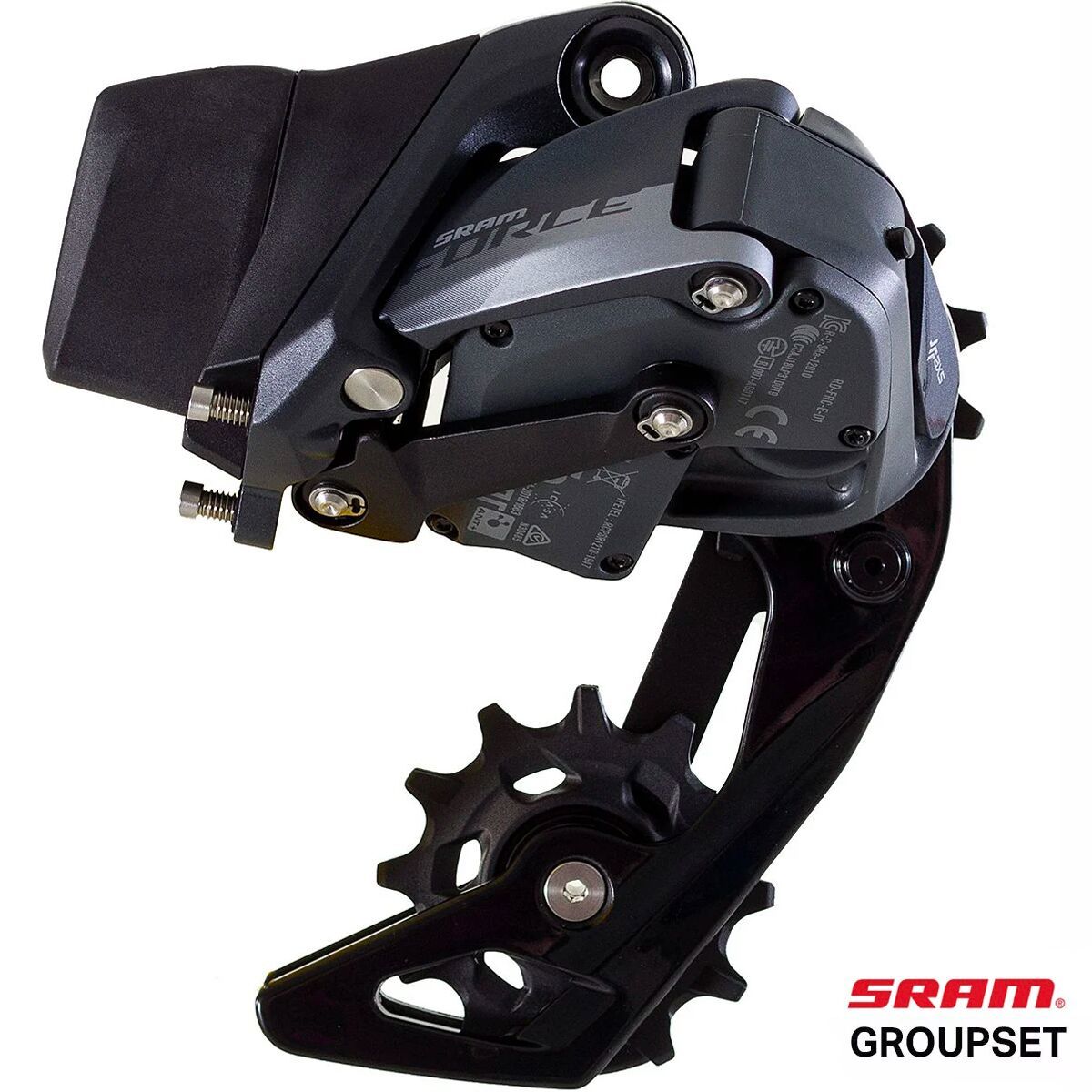
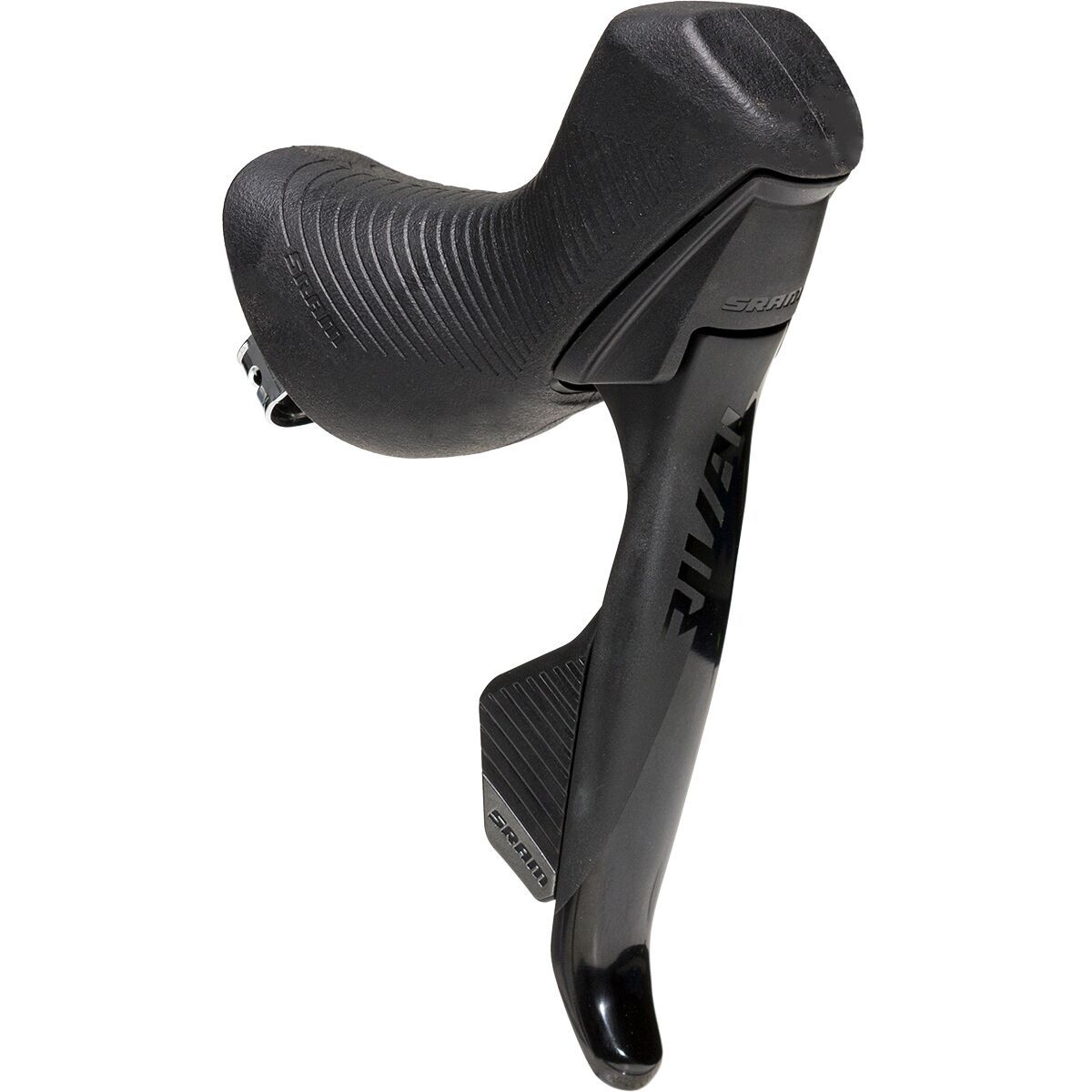
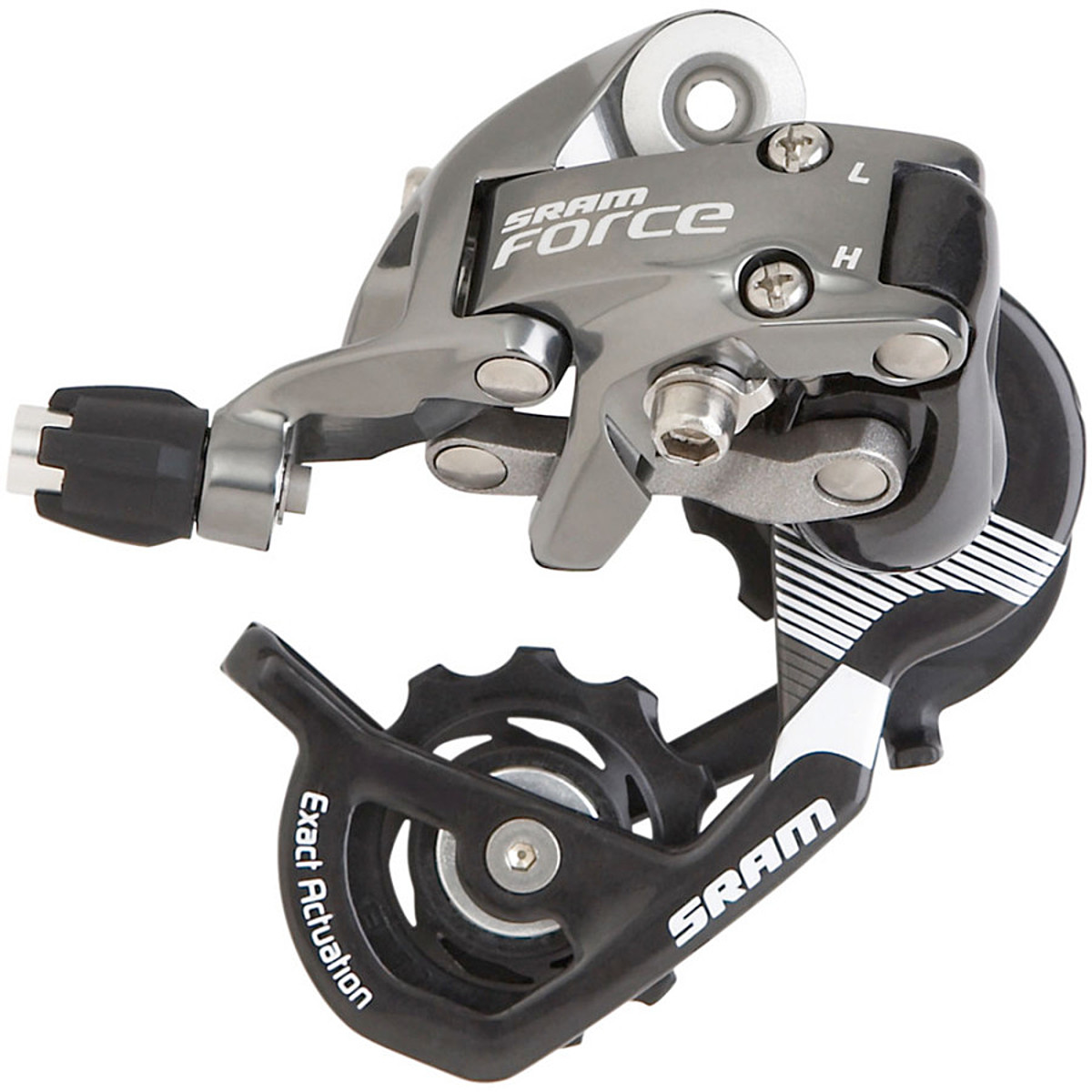
On the SRAM side, Force is built around a distinct mechanical approach: the Force rear derailleur was designed as a clear departure from familiar layouts, and the ride payoff is a shift that feels notably crisp and precise. Pair that with Force 22 shifters and you’re getting a single-lever, DoubleTap-style interface with ZeroLoss tech aimed at quick, responsive shifts in both directions—plus ErgoFit bodies shaped for a secure wrap on the hoods.
On the Shimano side, 105 mechanical (like the RD-R7000) is positioned as a budget-friendly, smooth-performing option that’s meant to deliver worry-free shifting for confidence on climbs and descents. And if braking feel is part of “performance” for you, the 105 BR-R7000 calipers bring a redesigned pivoting mechanism for a linear feel and consistent power delivery to the rim.
- Pick Force if you want a snappier, single-lever shift experience and a more “connected” feel at the lever.
- Pick 105 mechanical if you want smooth, confidence-first shifting and a classic road brake feel with a strong value lean.
What you’ll feel on the ride
This comparison gets interesting when you zoom in on touch points (shifters), shift execution (rear derailleur), and control under speed (brakes/cassette compatibility).
SRAM Force: lever feel + fast response
Force 22 shifters are designed around ErgoFit bodies for better grip and finger wrap, with a smooth transition from bar to hood. The shifting experience is built on DoubleTap and ZeroLoss, letting you shift up or down the cassette from a single lever with a responsive, direct feel. Cable routing flexibility (inside or outside the bars) helps you dial your cockpit setup without drama.
At the back end, the Force rear derailleur is described as a major mechanical departure, and the intended payoff is crisp, precise gear changes—especially noticeable when you run quickly through the cassette.
Shimano 105 mechanical: smooth shifting + consistent braking
The 105 RD-R7000 rear derailleur is framed as a worry-free, smooth option for 11-speed setups—confidence-oriented performance that doesn’t demand constant attention. For braking, the 105 BR-R7000 calipers use a redesigned pivoting mechanism for a linear feel and consistent power distribution from lever to rim, which matters when the road points down and you’re managing speed, not just gears.
- Force favors a sharp, responsive shift sensation and ergonomic hood shape.
- 105 favors smooth, steady shifting and predictable rim-brake feel.
How to choose between them (without overthinking it)
Start with compatibility, then pick the control feel you want. Mechanical drivetrains are happiest when shifters and derailleurs speak the same language—so the “best” choice is usually the one that cleanly matches your current setup or your planned build.
Step 1: Confirm your speed + drivetrain direction
- 11-speed road build? Shimano’s 105 RD-R7000 and 105 CS-R7000 cassette live in that 11-speed lane, and SRAM Force 22 shifters are also for 11-speed drivetrains.
- 10-speed setup? Shimano’s 105 RD-5701-SS is a 10-speed short-cage option—handy if you’re keeping an older build rolling.
Step 2: Decide what “performance” means to you
- If shifting feel is the priority: lean toward the Force lever + rear-derailleur approach—single-lever shifting with a responsive design goal.
- If braking confidence is part of the equation: consider rounding out a 105 mechanical setup with the BR-R7000 calipers for that linear, consistent power delivery.
Step 3: Pick the upgrade that moves the needle most
Want the biggest “wow” per wrench turn? Shifters change how every ride feels at your hands. Want a steadier drivetrain refresh? A rear derailleur and cassette combo can bring back clean, predictable shifts.
Why shop this comparison at Backcountry
Mechanical drivetrains are beautifully simple—until one tiny mismatch turns “quick upgrade” into “why is my bike making that noise?” That’s where Backcountry shines. Our Gearhead® Expert team can help you sanity-check the details that matter: speed count, rear-derailleur choice, and whether you’re building around a lever feel (SRAM Force) or a smooth, confidence-first mechanical setup (Shimano 105).
We’re also big believers in smart, targeted upgrades. Sometimes that means going straight for the shifters to change the whole ride experience. Sometimes it’s refreshing the rear shifting or dialing braking feel with a proven caliper design. Either way, the goal is the same: a bike that shifts clean, brakes predictably, and disappears beneath you so you can focus on the miles ahead.
Bring your current parts list (even a rough one). We’ll help you land on the setup that fits your ride style—and keeps your mechanical drivetrain doing what it does best: just working.