Why the fit feels split front to back
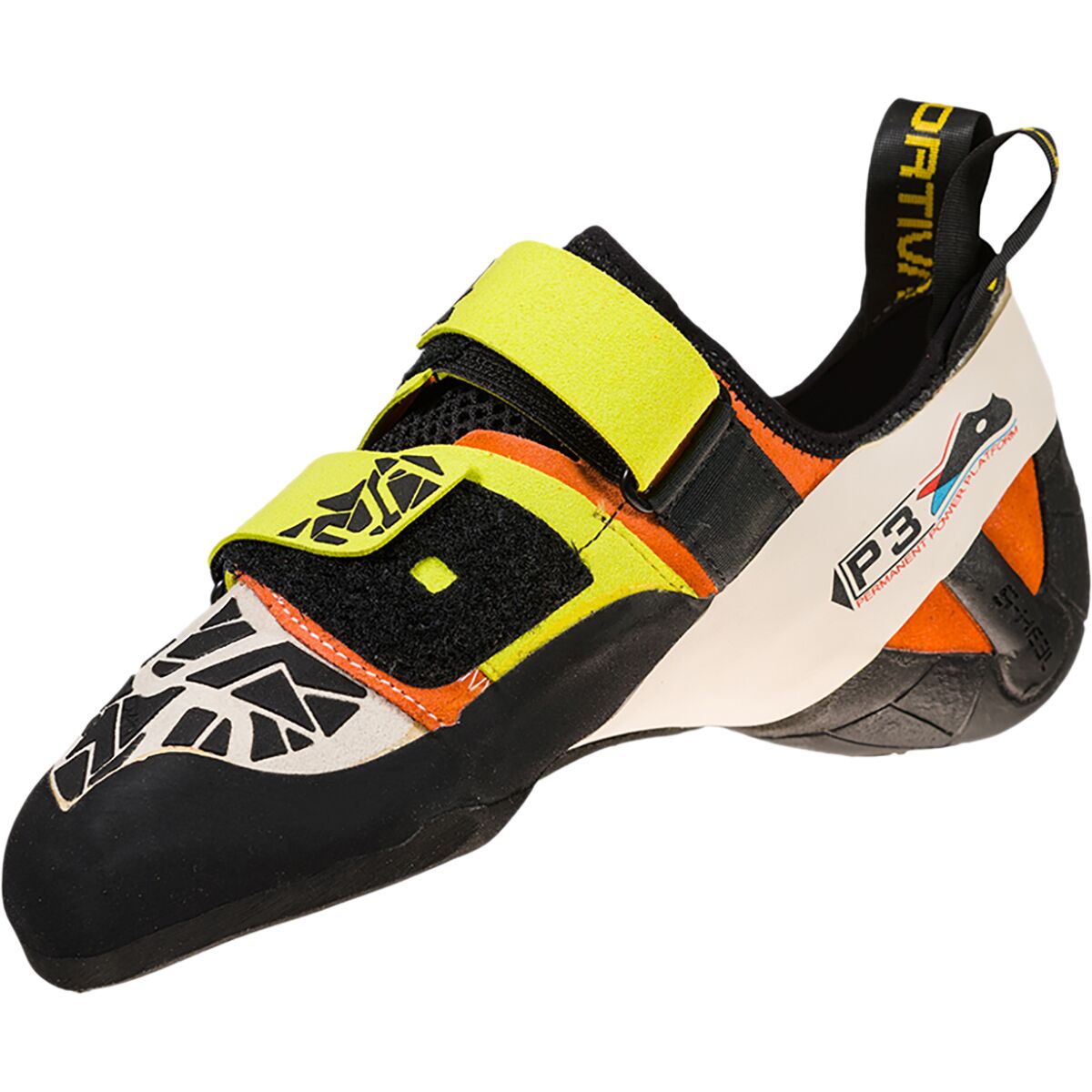
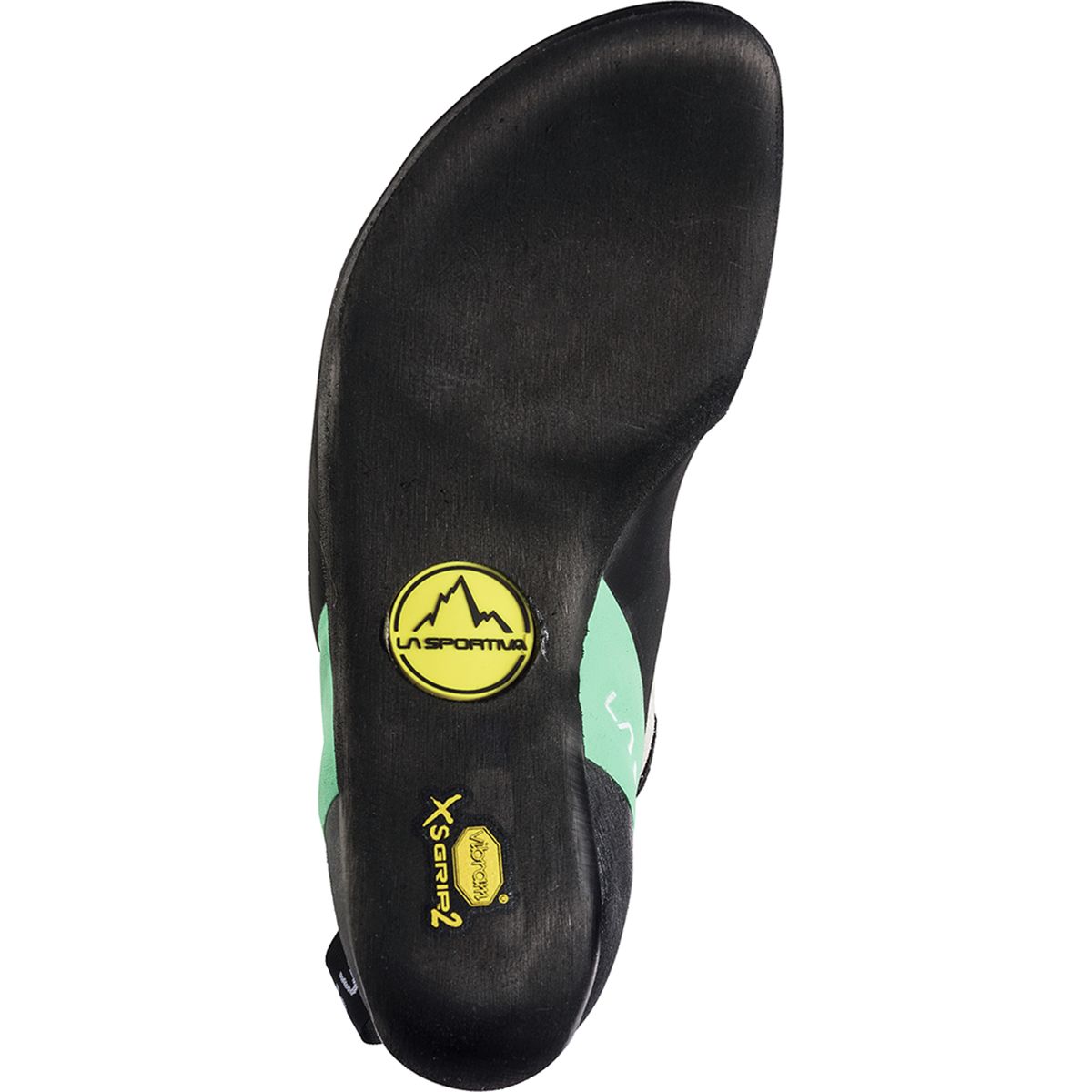
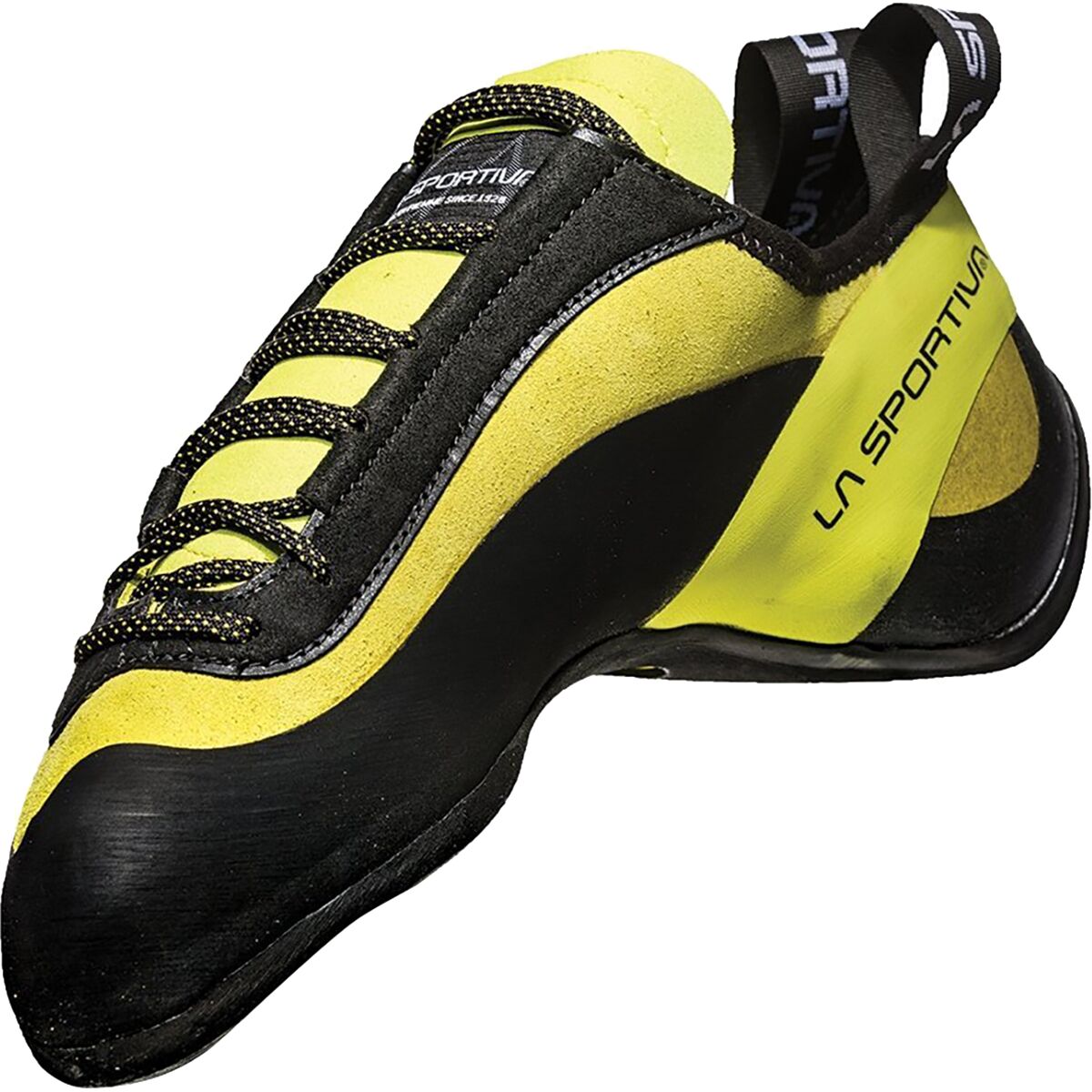
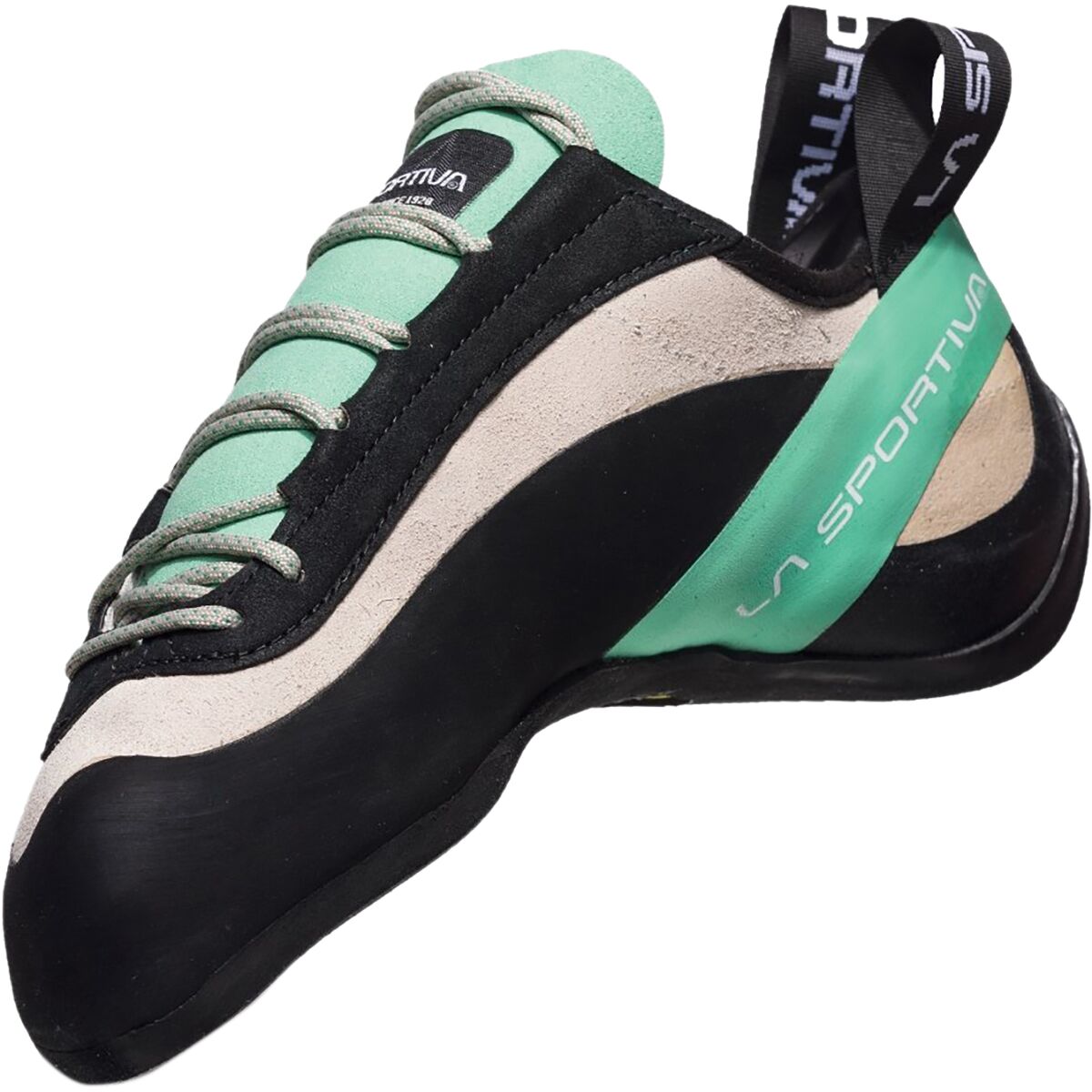
This shoe is built with a sharp downturn and high asymmetry for precision on steep terrain, so some climbers may notice a more focused fit up front. In the La Sportiva Otaki Climbing Shoe - Women's, that design is meant to help you find tiny footholds and drive power into them on bolted routes and steep boulders.
When a shoe is designed to help you stand on micro feet and hook hard over roofs, the front can feel more dialed and committed than the rest of the shoe. The La Sportiva Otaki Climbing Shoe - Women's is also built with a medium-stiff midsole to increase support for standing confidently on razor-thin edges, which adds to its precise, performance-minded feel.
If you prefer a very uniform fit, you may want to pay close attention to how the shoe feels through the toe, midfoot, and heel. With a shoe like this, the bigger question is whether the shape helps you feel accurate and supported when the route gets steep, technical, and stingy on footholds.
What this design is built to do
The La Sportiva Otaki Climbing Shoe - Women's is made for climbers who want confidence when the wall gets steep and the footholds get microscopic. Its sharp downturn helps the shoe stay engaged on overhanging terrain, while the high asymmetry helps direct force toward the front for more deliberate foot placements.
That front-loaded shape pays off when you’re trying to power down on tiny features. Instead of feeling flat and vague, the shoe is built to feel more focused where precision matters most. On bolted routes and steep boulders, that can translate to cleaner placements and more trust when you’re committing to small edges or pulling through roofs.
Support where it counts
The medium-stiff midsole adds another key piece: support. When you’re standing on razor-thin edges, a little structure goes a long way. Rather than folding too easily, the shoe is designed to help you stand with more confidence on small footholds that demand accuracy and composure.
- Steep terrain focus: built for roofs and overhanging movement
- Micro-foot precision: shaped to help you find and use tiny holds
- Edging support: medium-stiff platform for thin, technical placements
- Hooking confidence: tuned for intense movement when the route gets punchy
In short, this is a tool for performance climbing. It’s meant to feel purposeful, not sleepy.
How to think about this fit if your foot runs narrow
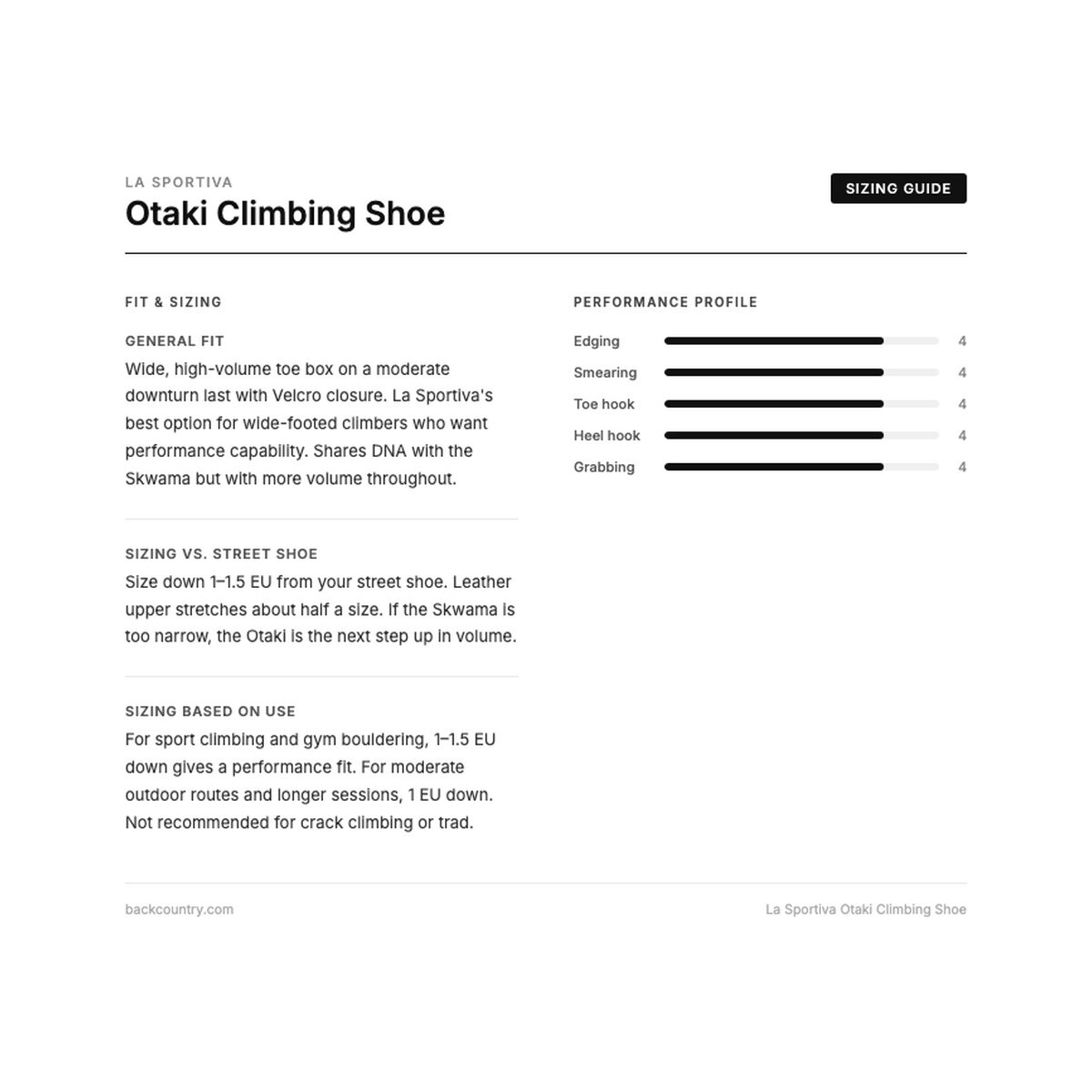
If your foot is narrow, think about how you want the shoe to feel on steep routes and boulders. A shape like this may feel more secure and concentrated at the front because that’s where the shoe is designed to deliver precision. The fit may feel different through the midfoot and heel depending on your preferences.
That matters most if your climbing leans toward tiny edges, overhangs, and hard hooking. In those situations, a snugger forefoot can be part of the performance story. If you prefer a more uniform fit, this shape may feel different at first.
What to prioritize
- Front-foot control: Make sure the toe area feels precise enough for small footholds.
- Terrain match: This shape makes the most sense for steep boulders and bolted routes.
- Edging confidence: Consider whether the medium-stiff support matches how and where you climb.
If you want a second opinion before committing, a Gearhead® Expert can help you think through whether a precision-first shape lines up with your foot and your climbing style. That’s a lot better than guessing from the parking lot.
Why shop Backcountry
Climbing-shoe fit can get weird fast—in a good way or a bad one. That’s why Backcountry keeps the conversation focused on performance, not fluff. When a shoe is built with a sharp downturn, high asymmetry, and support for razor-thin edging, the fit story matters just as much as the feature list.
We’re here for that nuance. Whether you’re sorting out why the front feels locked-in while the rear feels more open, or figuring out if a steep-terrain shape matches your climbing, we keep it real and gear-forward. No vague buzzwords. No trailhead mythology. Just solid beta from people who know what precise footwear is supposed to do when the wall gets technical.
If you’re chasing confidence on small footholds and steep sequences, Backcountry helps you shop with a clearer read on the gear before you pull on the shoe and pull onto the route.
Why Buy the La Sportiva Otaki Climbing Shoe - Women's from Backcountry?
When you’re dialing in a precise climbing-shoe fit, Summit Club+ members get free 2-day shipping on orders $150+ plus a straightforward 90-day return policy that applies the same way across every brand Backcountry carries.
- Free 2-day shipping — on orders $150+ with Summit Club+, making it easier to get your gear fast
- 90-day returns — one return process for multi-brand orders, without dealing with separate brand policies
- Store credit beyond 90 days — returns are still accepted for store credit after the standard window
- Consistent across brands — whether your order includes one brand or five, the process stays simple