Quick pick: which one should you choose?
If you’re choosing between these two and want a recommendation based on the info in front of us, go with the Petzl Boreo Climbing Helmet for a durable, low-bulk build with fixed ventilation and impact-absorbing foam.
Here’s why that’s the cleanest call: the Boreo’s thick outer shell is built to handle getting knocked around—stuffed in a pack, scraped on the wall, and generally treated like the piece of safety gear it is. It also keeps things streamlined, so you’re not feeling like you strapped a bucket to your head when you’re craning your neck to watch the rope.
When the effort spikes, the Boreo’s fixed vents let heat escape. And if something goes sideways—think a surprise rock ping or an awkward contact—the helmet’s foam is designed to help absorb impact.
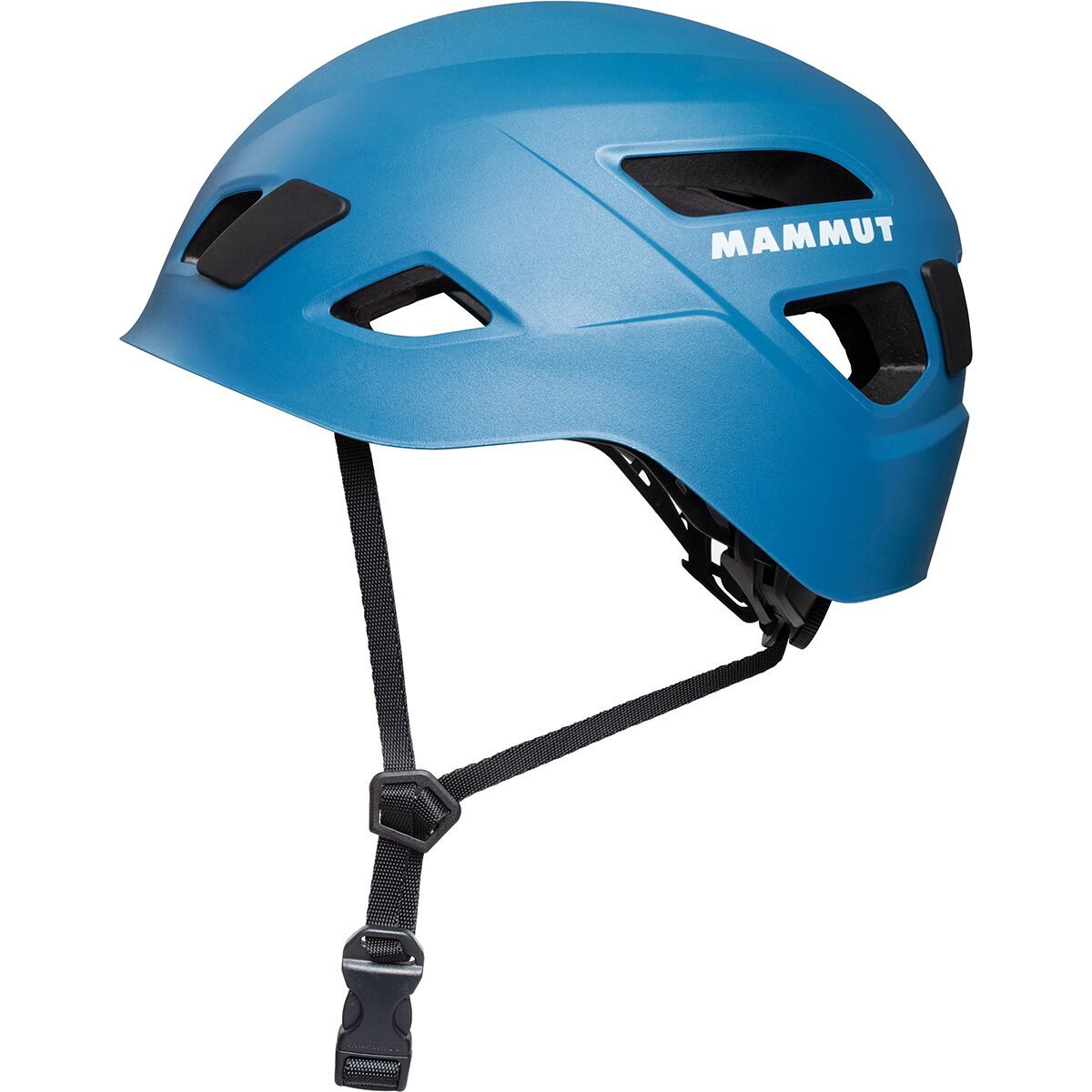
On the Mammut Skywalker side: we don’t have verified specs or construction details in the product data here, so it’s not fair (or safe) to pretend we can compare ventilation, shell type, or fit system apples-to-apples. If the Skywalker is on your shortlist for a specific reason—fit, feel, or a feature you’ve used before—tap a Gearhead® Expert and we’ll help you confirm the details that matter for your climbing days.
- Pick Boreo if you want proven durability + ventilation in a streamlined package.
- Pick Skywalker if you already know it fits you best—then verify the rest before buying.
What you get with the Boreo’s build
The Petzl Boreo Climbing Helmet is all about taking real-world wear without turning into a bulky distraction. The outer shell is thick, which matters when your helmet lives in the same pack pocket as cams, a stove, or that one sharp thing you forgot was in there. It’s the kind of construction that’s meant to keep showing up day after day.
Ventilation that works when you’re working
When you’re fighting the pump and the sun’s doing its thing, the Boreo’s fixed vents help dump heat. No fiddling, no moving parts—just consistent airflow so you can focus on the next sequence instead of the sweat situation.
Impact absorption where it counts
Climbing is full of little surprises: a piece of choss, a bumped head in a chimney, or a partner tugging on something they shouldn’t. The Boreo uses strong foam designed to help absorb impact, adding a layer of confidence when the environment gets unpredictable.
- Durability: thick shell stands up to abuse in pack and on route
- Less bulk: streamlined shape keeps things feeling trim
- Cooling: fixed vents let heat escape during hard efforts
- Protection: foam helps manage impacts from the unexpected
How to choose between Boreo and Skywalker
When two helmets are on the table, the best choice usually comes down to how you climb and how you treat your gear. With the details we have, you can make a solid decision by prioritizing a few non-negotiables.
Start with your “most common day out”
- Pack abuse + frequent use: If your helmet gets stuffed, scraped, and generally lives a hard life, prioritize a tougher shell. That points toward the Boreo’s thick outer shell.
- Hot approaches or sustained pitches: If you run warm, look for ventilation you’ll actually benefit from. The Boreo’s fixed vents are a straightforward win here.
- Rockfall-prone zones: If loose stuff is part of the program, focus on impact management. The Boreo’s foam is designed to help absorb impacts.
Then make sure the helmet won’t annoy you
Even the best protection is the one you’ll wear all day. If you already know the Mammut Skywalker fits your head shape better, that’s a real factor—fit can be the tie-breaker. The catch: we don’t have Skywalker construction details in this dataset, so don’t guess on features.
If you’re torn, bring your priorities (durability, ventilation, bulk) to a Gearhead® Expert and we’ll help you validate the Skywalker’s specifics against what you want—no hand-waving, just the right lid for your climbing.
Why shop this decision with Backcountry
Helmets aren’t the place for vibes-based buying. At Backcountry, we keep it gear-forward: what it’s made of, how it holds up, and whether it matches the way you actually climb. If the data says “durable shell, streamlined profile, fixed vents, impact-absorbing foam,” we’ll tell you that—and we won’t pretend we know the details we don’t have.
That’s also why our Gearhead® Expert team exists. If you’re deciding between two models and one of them doesn’t have clear specs in front of you, we’ll help you confirm the real differences that matter—so you can stop second-guessing and start racking up.
Bottom line: you bring the objective (crag laps, long routes, loose rock, hot days). We’ll help you land on the helmet that fits that mission—clean, confident, and ready for the next pitch.