Choosing between Petzl Simple and Acles DX: the real decision points
Choose between the Petzl Simple and the Acles DX by prioritizing braking feel/modulation, rope diameter + rope condition (wet/muddy/icy), heat and friction management on long rappels, how easy it is to thread and lock off, and weight/bulk vs durability and maintenance for your usual environment (caving vs canyoning).
- Lean Petzl Simple if you want a more minimalist, straightforward feel and you’re happy managing friction with your technique and setup.
- Lean Acles DX if you want a more “system-y” ride—more built-in control and comfort features can feel nicer when rappels get long and conditions get messy.
- Pick for your rope: the better choice is the one that matches your rope diameter and stays predictable when it’s wet or gritty.
- Pick for your day: tight cave pitches and repeat laps reward simplicity; big canyon drops reward smooth handling and heat-conscious friction choices.
One key note up front: we don’t have manufacturer specs for Petzl Simple or Acles DX in this page’s product data, so the smartest move is to confirm rope diameter range, threading path, and recommended use on the product page (or with a Gearhead® Expert) before you commit. The comparison below is focused on the practical, shopper-useful criteria that actually change how the descent feels in the real world.
How to think about “control” (without overcomplicating it)
“Control” isn’t just stopping—it’s how smoothly you can start, slow, and micro-adjust without fighting the device. If you like a direct, hands-on feel, a simpler platform can be a feature. If you want the device to help you stay consistent when you’re tired, cold, or wearing gloves, designs with more guided friction paths can feel more forgiving. Either way, plan around your typical rope (diameter, stiffness, sheath wear) and the environment you’re in—because wet grit changes everything.
What changes most between Simple-style and DX-style descenders
When you’re comparing Petzl Simple and Acles DX, focus on what will affect your day every single rappel: how the device feeds rope, how it manages friction, and how it behaves when conditions aren’t perfect.
Friction & heat: long drops, repeat laps, and tired hands
On longer rappels, comfort is often about heat management and friction options. A setup that lets you fine-tune friction (without awkward add-ons) can reduce hand fatigue and keep speed changes smoother. If your missions skew toward bigger, sustained descents—especially in canyons where ropes can be wet—prioritize the device that gives you the most predictable friction “range” with your preferred rope.
Threading, lock-offs, and glove-friendly handling
Threading should be fast, obvious, and repeatable—because you’ll do it when you’re pumped, cold, or working in tight spaces. The difference you’ll feel is whether the rope path is intuitive and whether the device is easy to operate with gloves. If you’re newer (or you’re building a kit for partners with mixed experience), prioritize the option that’s simplest to verify at a glance and easiest to lock off cleanly.
Durability & maintenance: fewer moving parts vs more “built-in” function
Descenders live a hard life: gritty ropes, abrasion, and constant loading. In general, simpler designs can mean fewer things to inspect, while more feature-rich designs can mean more to check over time. Either way, plan to inspect contact surfaces regularly and retire gear that’s worn or damaged. If you want a lower-fuss routine, choose the device you’ll actually inspect and understand—not the one that looks coolest on paper.
A quick buyer’s guide: Simple vs DX in the situations that matter
- Start with your rope reality. Write down your rope diameter(s), plus whether you’re often on wet, muddy, or icy lines. Then confirm each device’s stated rope compatibility on its product page. If your rope is frequently soaked or gritty, prioritize the descender that stays smooth and predictable in those conditions.
- Match the device to your terrain. For tight, repetitive pitches (common in caves), many folks value streamlined handling and quick resets. For big canyon drops, comfort and friction flexibility can matter more—especially when you’re managing speed over a long distance.
- Decide how much “built-in help” you want. If you like a direct, technique-driven descent, a simpler-feeling device can be the right kind of honest. If you want a more guided experience—especially when wearing gloves or when fatigue sets in—lean toward the option that feels more supportive in hand.
- Think about lock-offs and mid-rappel tasks. If you expect to stop often (rigging transitions, clearing rope snags, managing edge friction), pick the device that you can lock off confidently and repeatably.
Pivot option if you realize you want self-braking
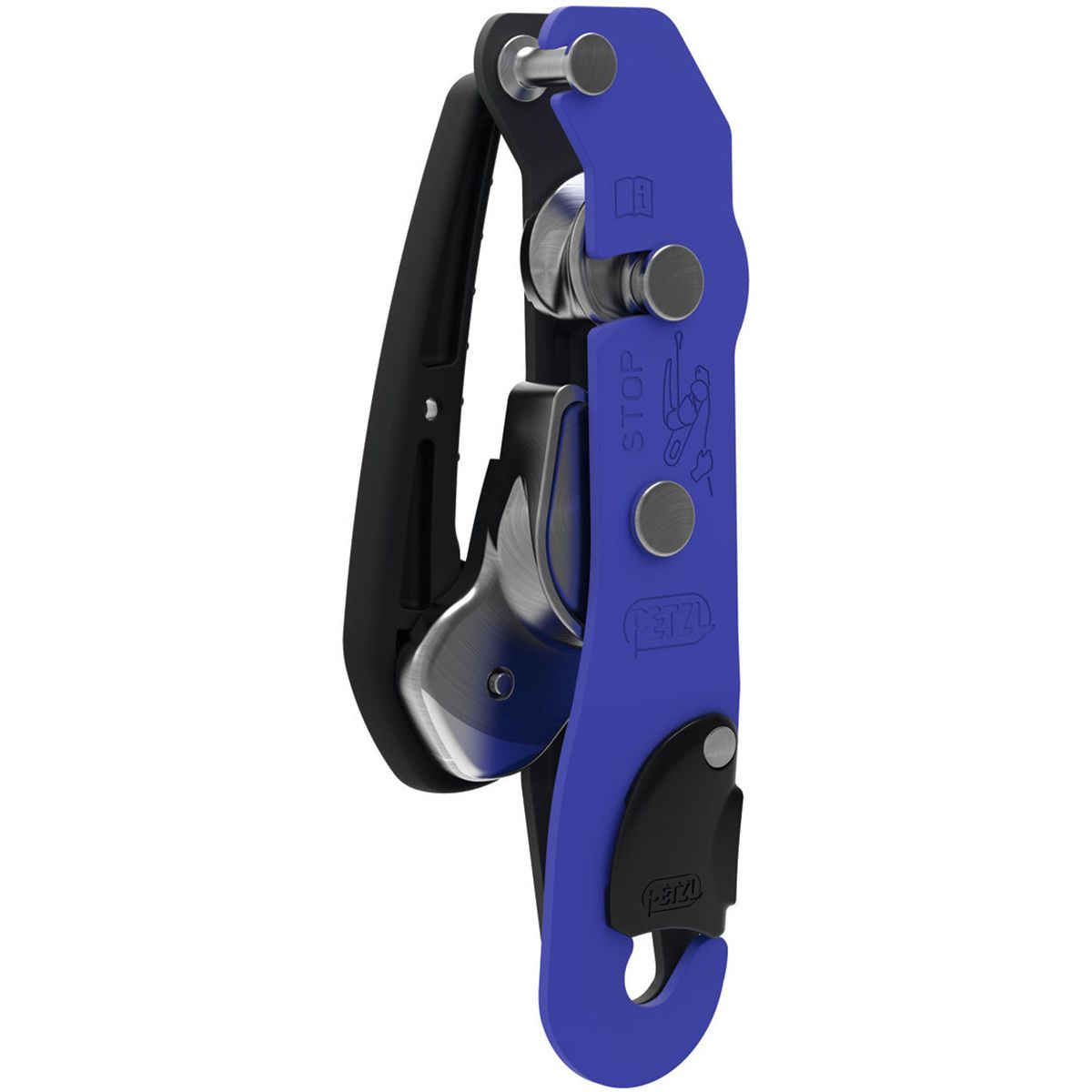
If, based on the criteria above, you decide you want a descender that helps you hold position more automatically on long single-rope rappels, the Petzl Stop Descender is an alternative category worth considering. Petzl built it for comfortable control on long drops, and its self-braking design lets you pause and rest more easily during descent.
Why shop this decision with Backcountry
This Simple vs DX choice is one of those gear calls where the “best” option depends on the rope you actually own and the places you actually go. That’s why we keep the focus on the decision factors that show up on rappel—control feel, friction range, threading confidence, and how your setup behaves when everything’s wet or gritty.
If you want a second set of eyes before you commit, our Gearhead® Expert crew can help you sanity-check rope compatibility, talk through your typical environments (cave pitches vs canyon drops), and make sure the descender you pick fits the rest of your system. Less guesswork, more time doing the fun part.
Bottom line: choose the device you can operate smoothly, verify quickly, and trust when conditions aren’t friendly. That’s the one that earns a permanent spot on your harness.