What to look at first: diameter, length, and treatment
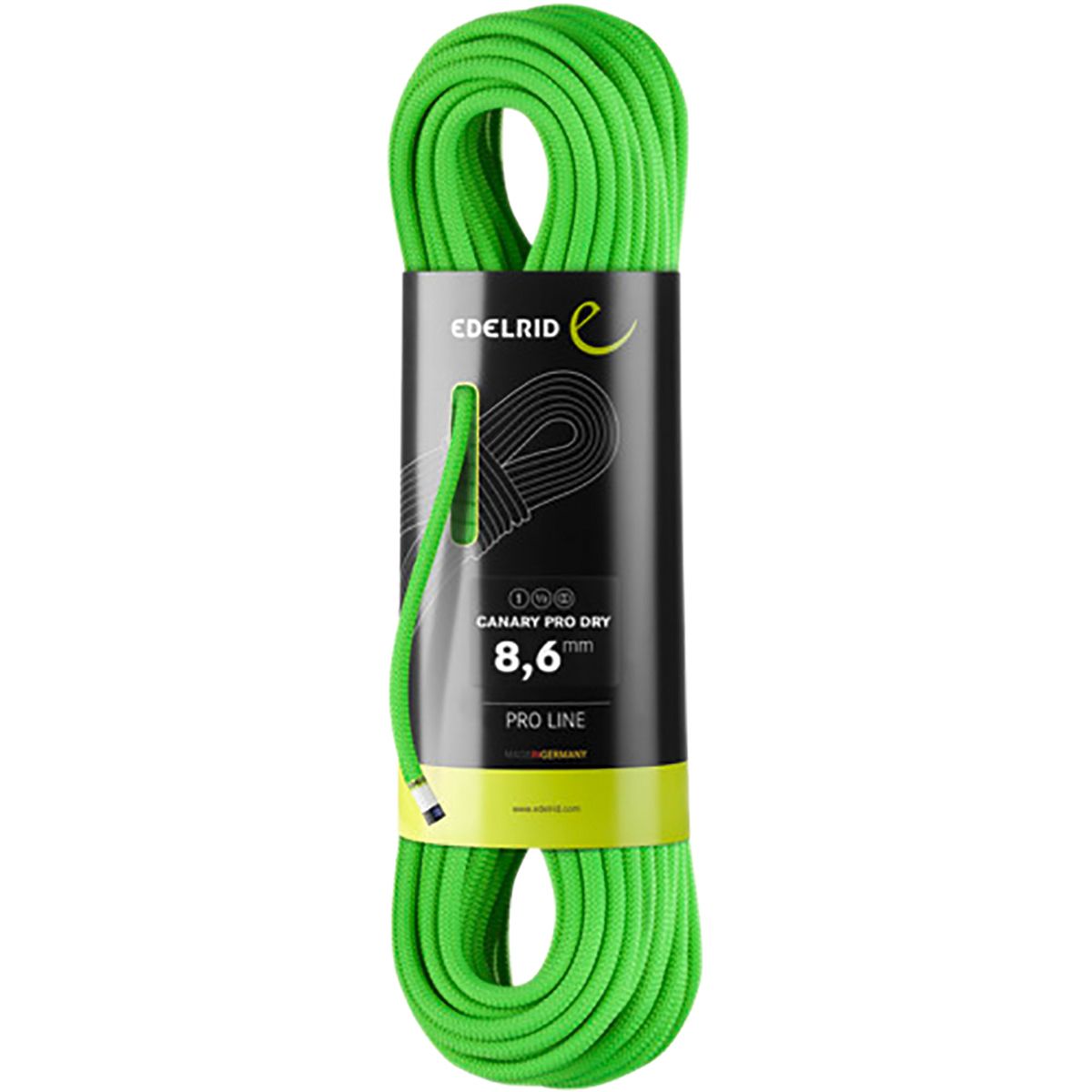
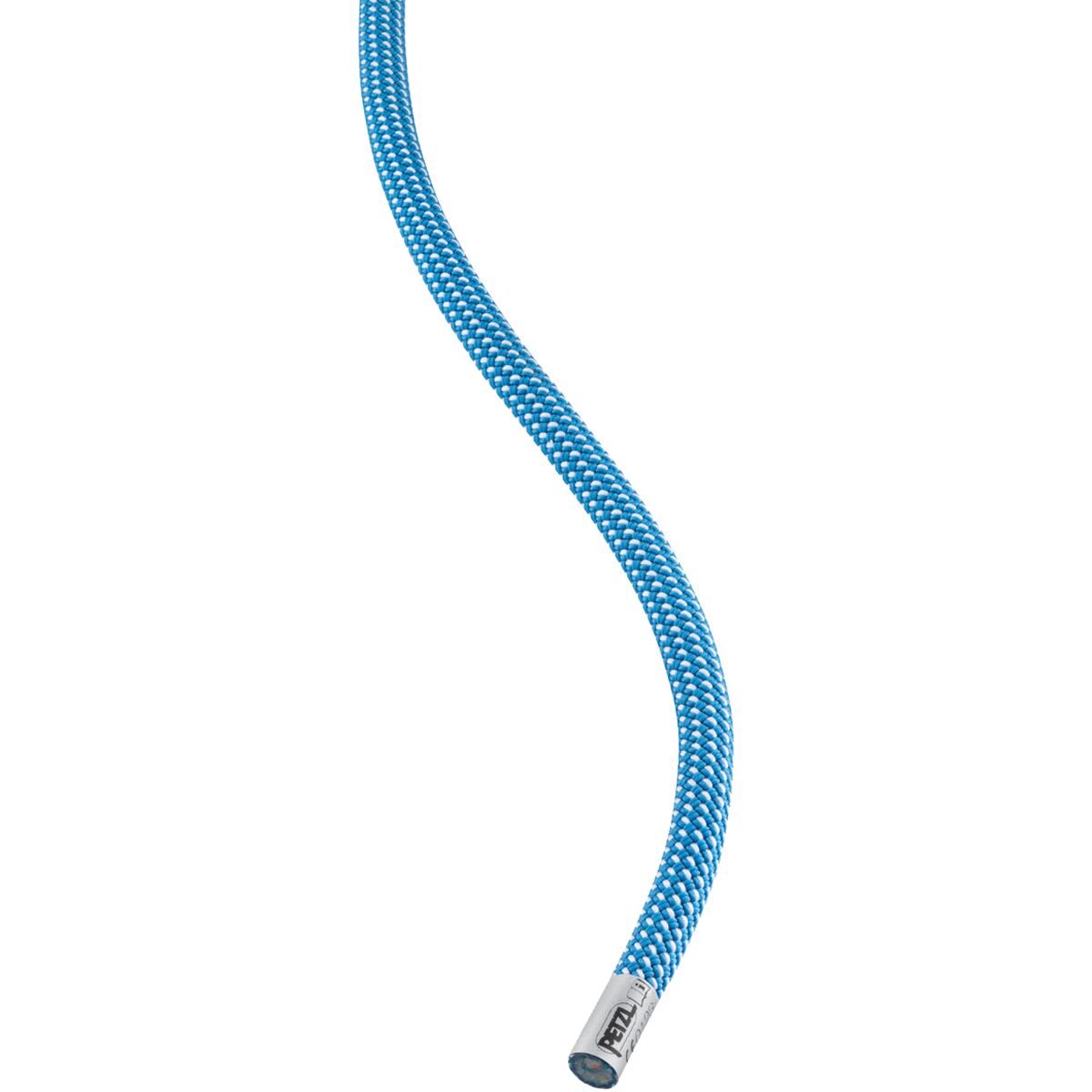
Choose your climbing rope by matching diameter, length, and dry treatment to the terrain you’ll actually climb—because those three decide how the rope handles, how long it lasts, and how well it deals with moisture and abuse.
Diameter is your feel + durability lever. Thinner ropes tend to feel lighter and move faster through systems, while thicker ropes generally feel more substantial and can take more day-to-day wear. If your days involve jagged rock, sharp edges, or tools in the mix, prioritize a rope built to handle that kind of contact.
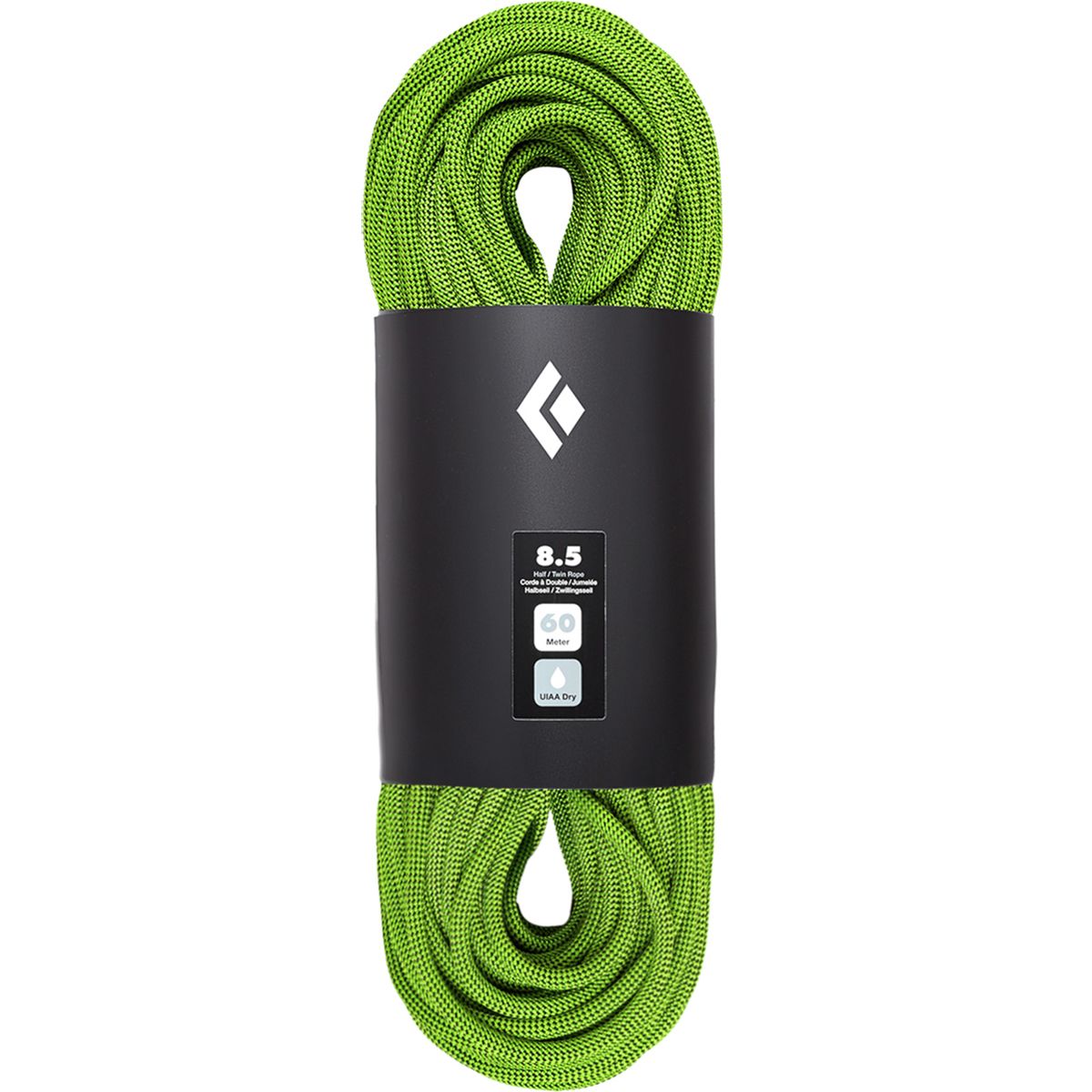
Length is about route reality. Longer ropes can open up more options, but they also add weight and bulk. Shorter ropes pack smaller and feel simpler—until you’re staring at a rappel that’s longer than your plan. Think about the crags, descents, and alpine objectives you’re most likely to repeat.
Dry treatment matters any time snow, ice, or wet rock is on the menu. A dry-treated rope can help resist moisture and can also improve abrasion resistance—useful when the rope is getting dragged, run over rough features, or generally living a hard life.
If your climbing leans alpine and the consequences of a sharp edge are higher, look for designs that add extra protection where it counts.
Why we like extra protection in the alpine
Alpine ropes don’t get a gentle existence. They get pulled over rough rock, brushed by sharp features, and occasionally introduced to falling ice and pointy tools. That’s why we’re into ropes that are built with protection in mind—especially when you’re far from the car and the weather’s doing its thing.
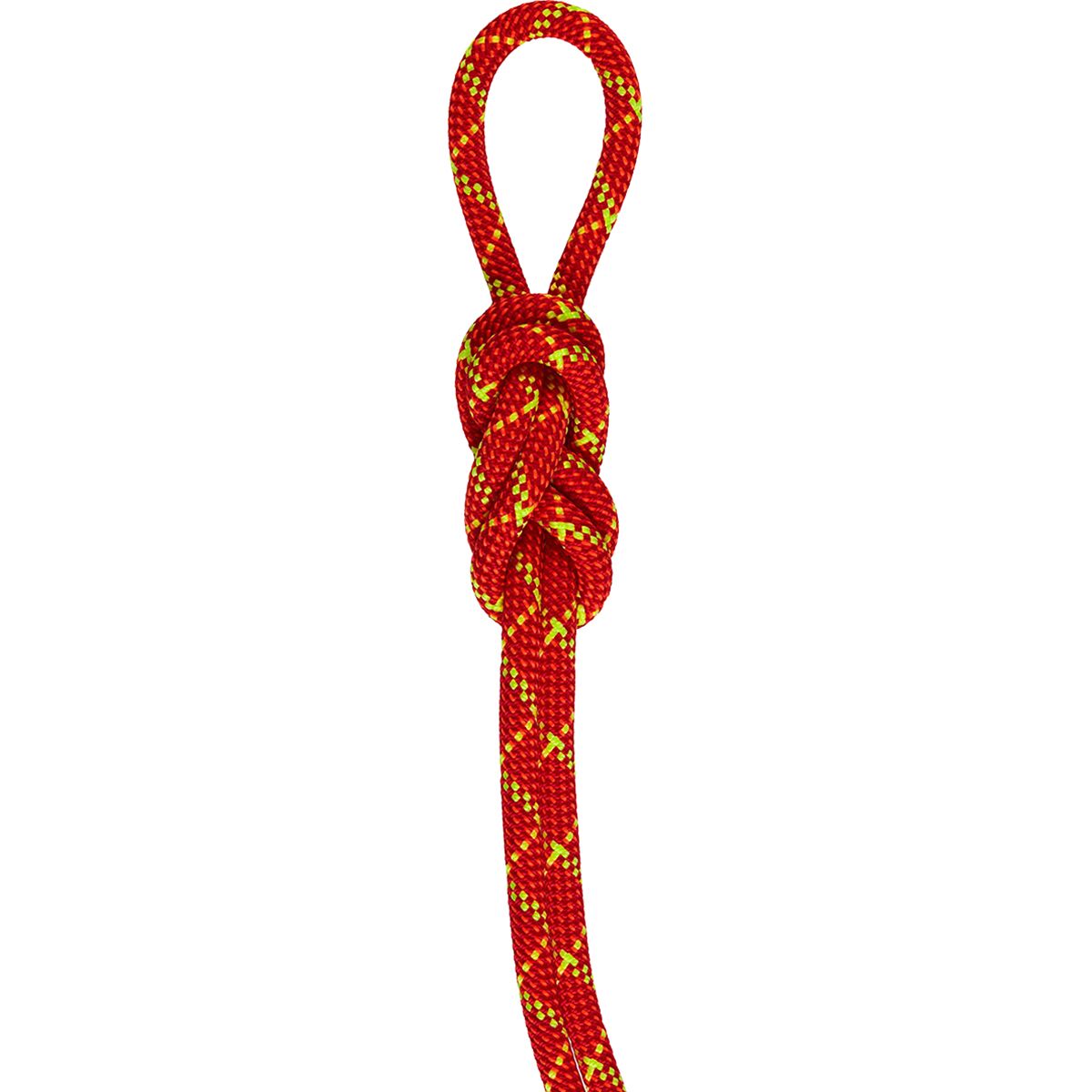
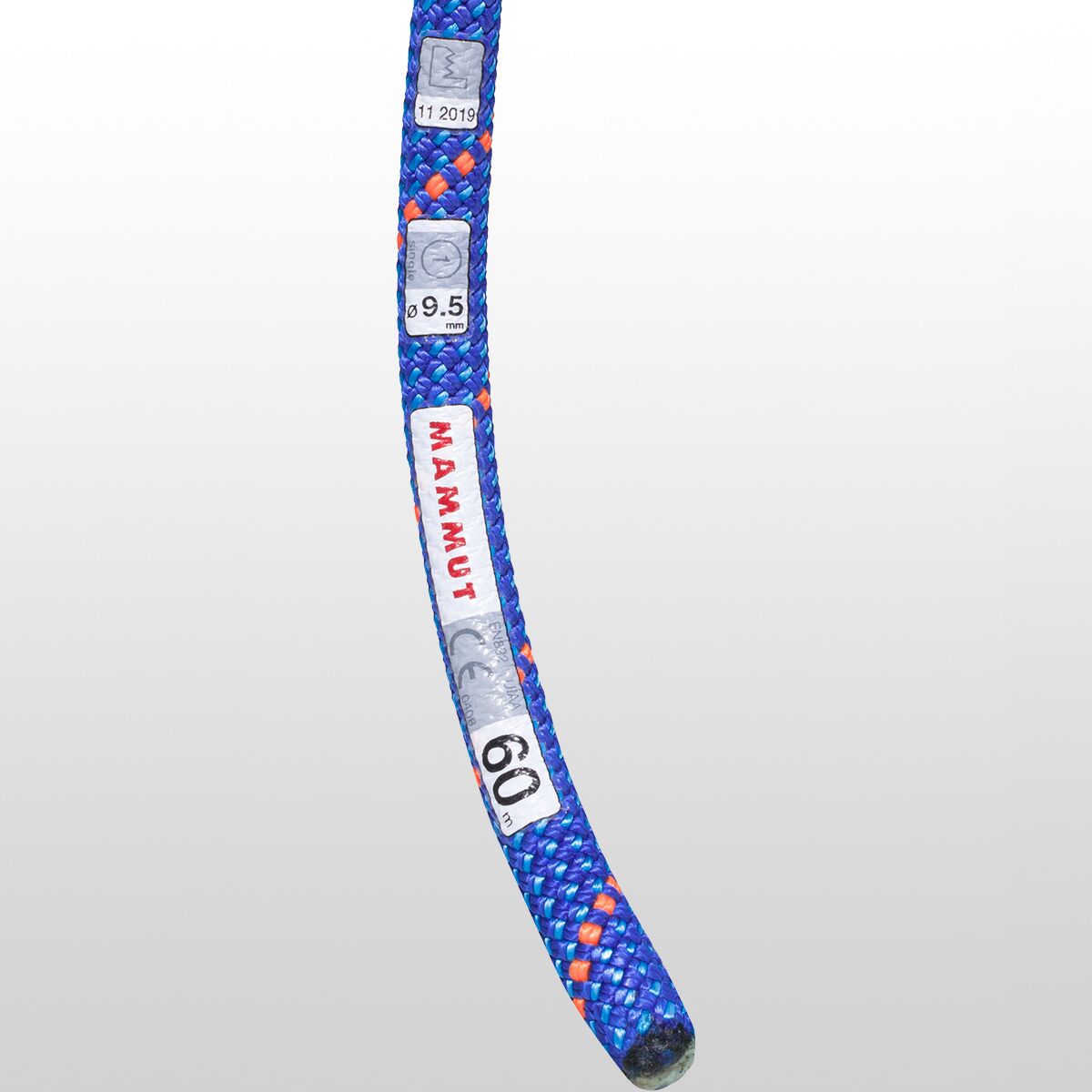
Mammut 8.0 Alpine Core Protect Dry Rope: protection-forward design
The Mammut 8.0 Alpine Core Protect Dry Rope is made for the kind of terrain that tries to chew through gear. It uses a dry treatment that helps boost abrasion resistance, which is a big deal when the rope is constantly rubbing and running over rough surfaces.
The standout detail is the aramid sheath. Aramid is used here to increase cut resistance under load—a reassuring layer of defense when sharp edges are part of the day’s equation. That doesn’t make you invincible (nothing does), but it’s a smart choice when you want a rope that’s thinking about the same hazards you are.
Who this rope makes sense for
- Alpine missions where rock quality is variable and edges are real
- Mixed conditions where moisture and abrasion show up together
- Climbers who prioritize durability and protection over “delicate” handling
A quick buyer’s guide: match the rope to the day
Picking a rope is less about chasing a “perfect” spec and more about choosing the right compromise for your most common objectives. Use this as a clean checklist before you click “add to cart.”
1) Start with your terrain and hazards
- Alpine / sharp environments: prioritize abrasion resistance and added cut protection.
- Wet, snowy, or icy days: lean toward a dry-treated rope to help manage moisture and wear.
- Rock that eats gear: durability-first choices pay off over time.
2) Choose diameter based on handling vs. durability
- If you want a rope that feels more substantial and forgiving to daily abuse, go thicker.
- If you’re counting grams and want a faster, lighter feel, go thinner—then be honest about the extra care it may demand.
3) Pick length based on your real routes
- Go longer if your routes and descents regularly demand it.
- Go shorter if your climbing is consistently within that range and you value a lighter, smaller pack.
4) Decide if dry treatment is “nice” or “necessary”
If your rope will see moisture or you want extra abrasion resistance, dry treatment moves from luxury to smart planning—especially for alpine use.
Why shop ropes with Backcountry
Ropes are one of those purchases where the details matter—and the details can get weirdly specific. That’s the fun part. Backcountry is built for people who care about the gear as much as the climbing, and we stock options that make sense for real objectives, not just spec-sheet daydreams.
Talk it out with a Gearhead® Expert
Not sure whether you should prioritize dry treatment, extra cut resistance, or a different diameter/length combo for your usual zones? A Gearhead® Expert can help you sanity-check your pick against the terrain you climb, the conditions you chase, and how you like your rope to handle.
Get the right rope, then go use it
The goal isn’t to overthink—it’s to choose once, trust your system, and focus on movement. We’ll help you land on a rope that fits your season and your style, so you can spend less time second-guessing and more time tying in.