Using it for ice climbing: our take
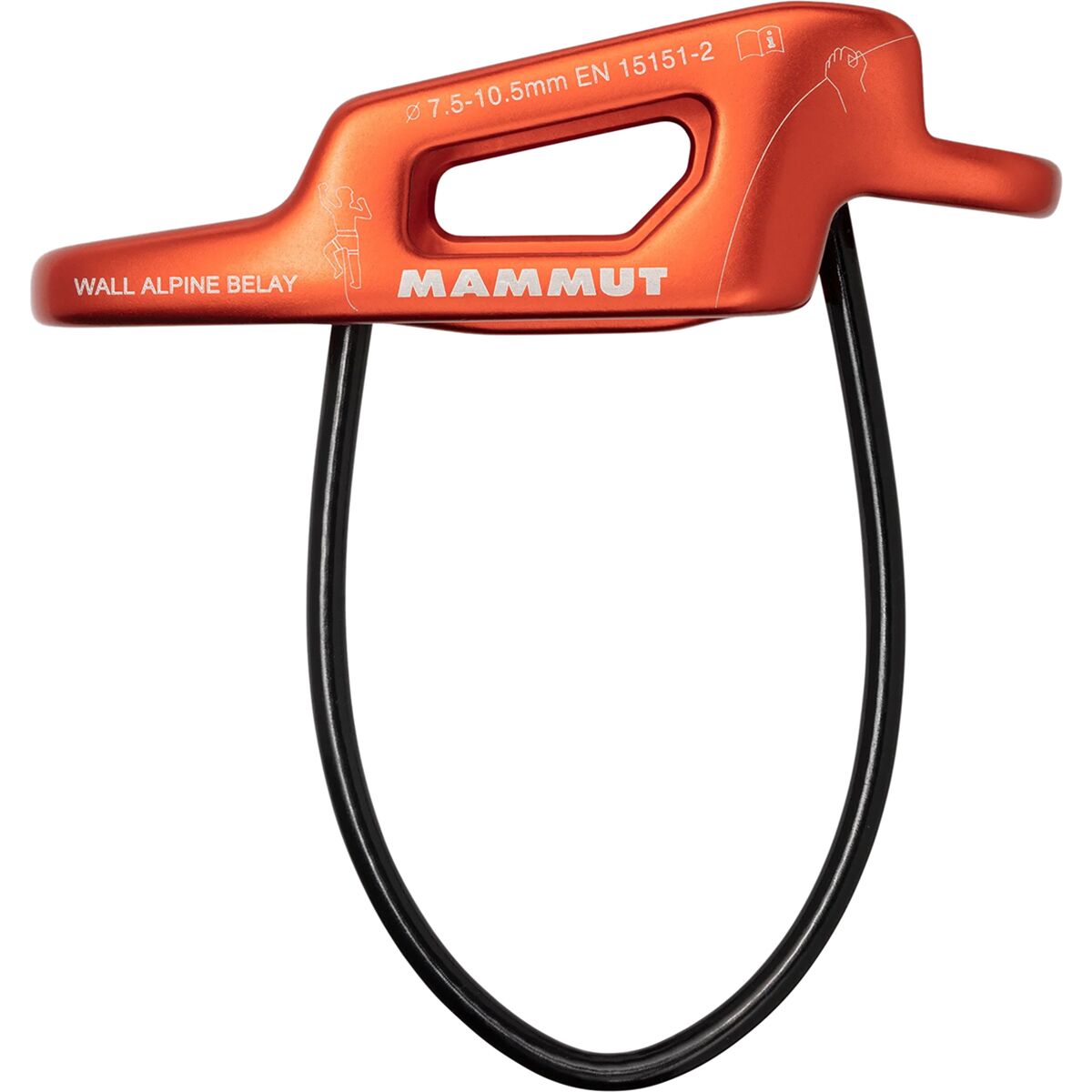
Probably yes for some ice climbing scenarios, but only if your rope diameter and belay needs match the device’s rated range and you’re comfortable using a tube-style device in cold conditions. Mammut Wall Alpine Belay Device is designed for alpine climbs and multi-pitch use, and that overlap is the key. If you climb on twin, half, or single ropes within the stated 7.5 to 10.5mm range, this device lines up well with that kind of setup.
What makes it appealing here is the balance of control and versatility. The sophisticated geometry is designed for smooth handling, while the V-shaped grooves add grip so long falls can be managed with less force. That matters when belays get awkward and smooth handling makes life easier.
It also has a practical feature for bringing up a second: you can belay two followers at once, and the device can be released under load with a carabiner. For multi-pitch alpine missions, that adds real utility without piling on bulk.
The main takeaway: this is not just a gym-focused piece built for single-pitch sport laps. It is built with alpine routes and multi-pitch terrain in mind. If your climbing involves alpine-style rope systems and multi-pitch efficiency, this device is very much in its lane.
Why climbers like this design
The win with the Mammut Wall Alpine Belay Device is how much function it packs into a lightweight piece of hardware. On routes where every item on the harness needs to earn its spot, low weight matters. But light only helps if the device still feels composed when things get real, and that is where the geometry and groove design do the heavy lifting.
- V-shaped grooves: These increase grip for more controlled rope handling and help manage longer falls with less effort.
- Broad rope compatibility: It works with twin, half, and single ropes from 7.5 to 10.5mm, which gives you room to match the device to your objective.
- Two-follower capability: Handy for multi-pitch systems where efficiency at the anchor keeps the day moving.
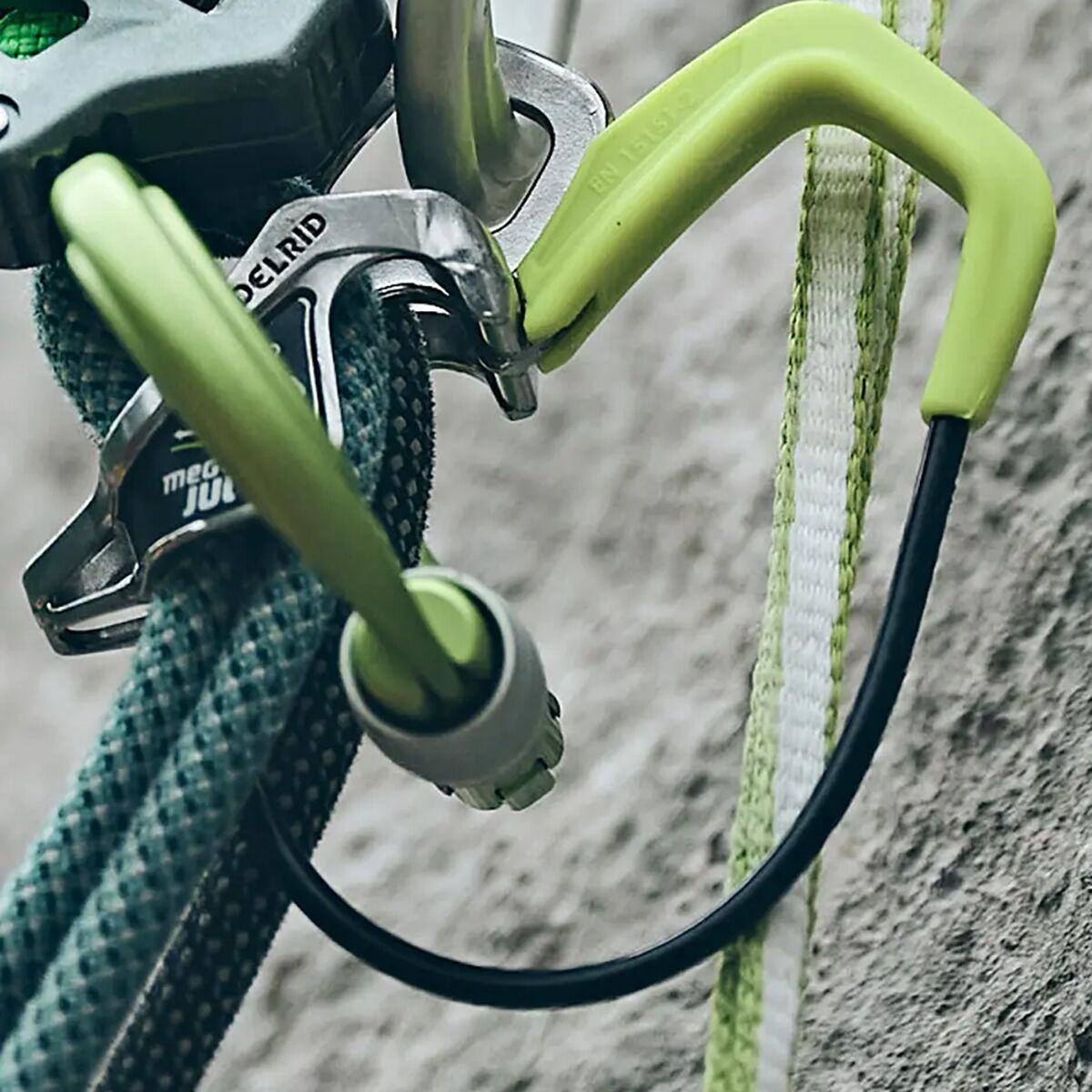
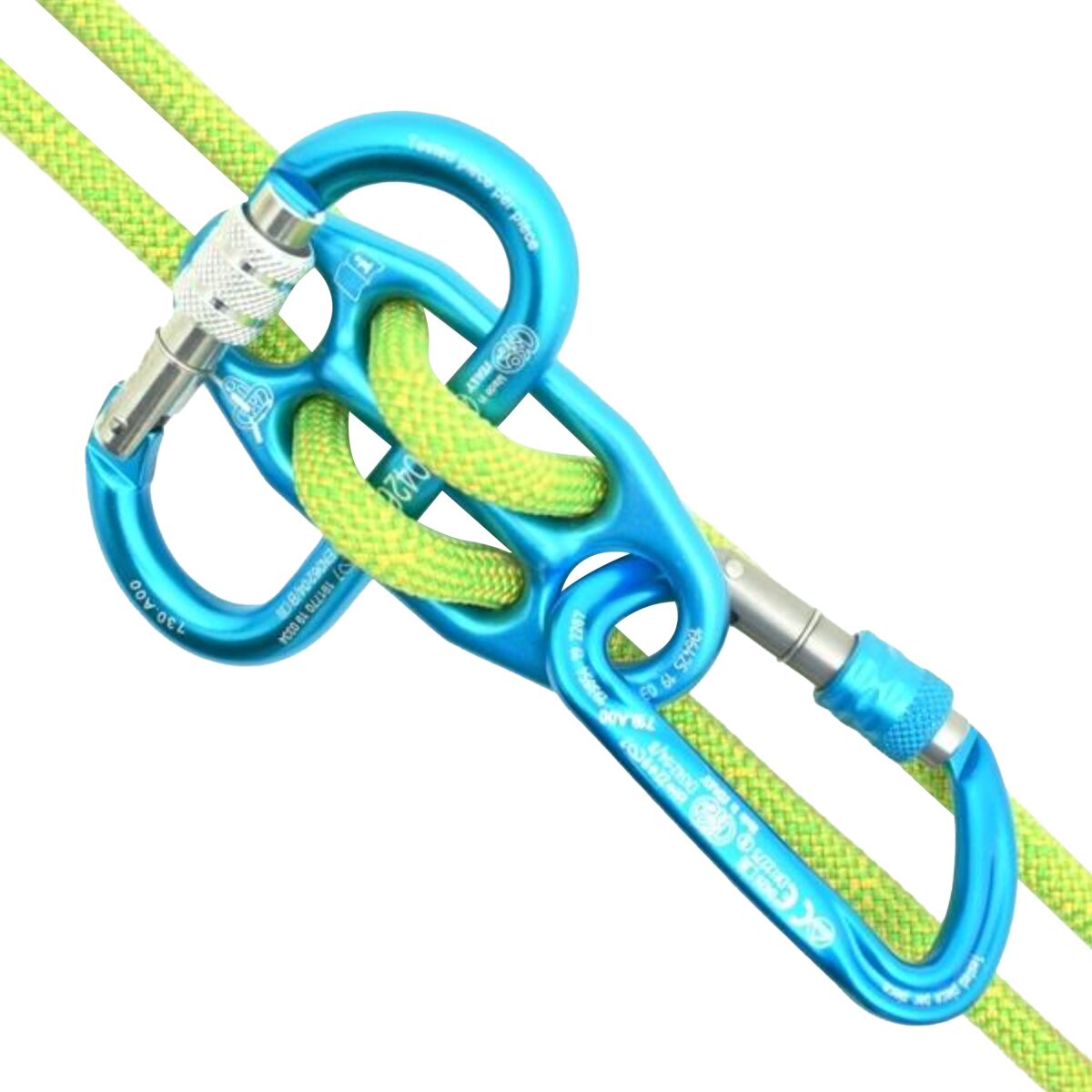
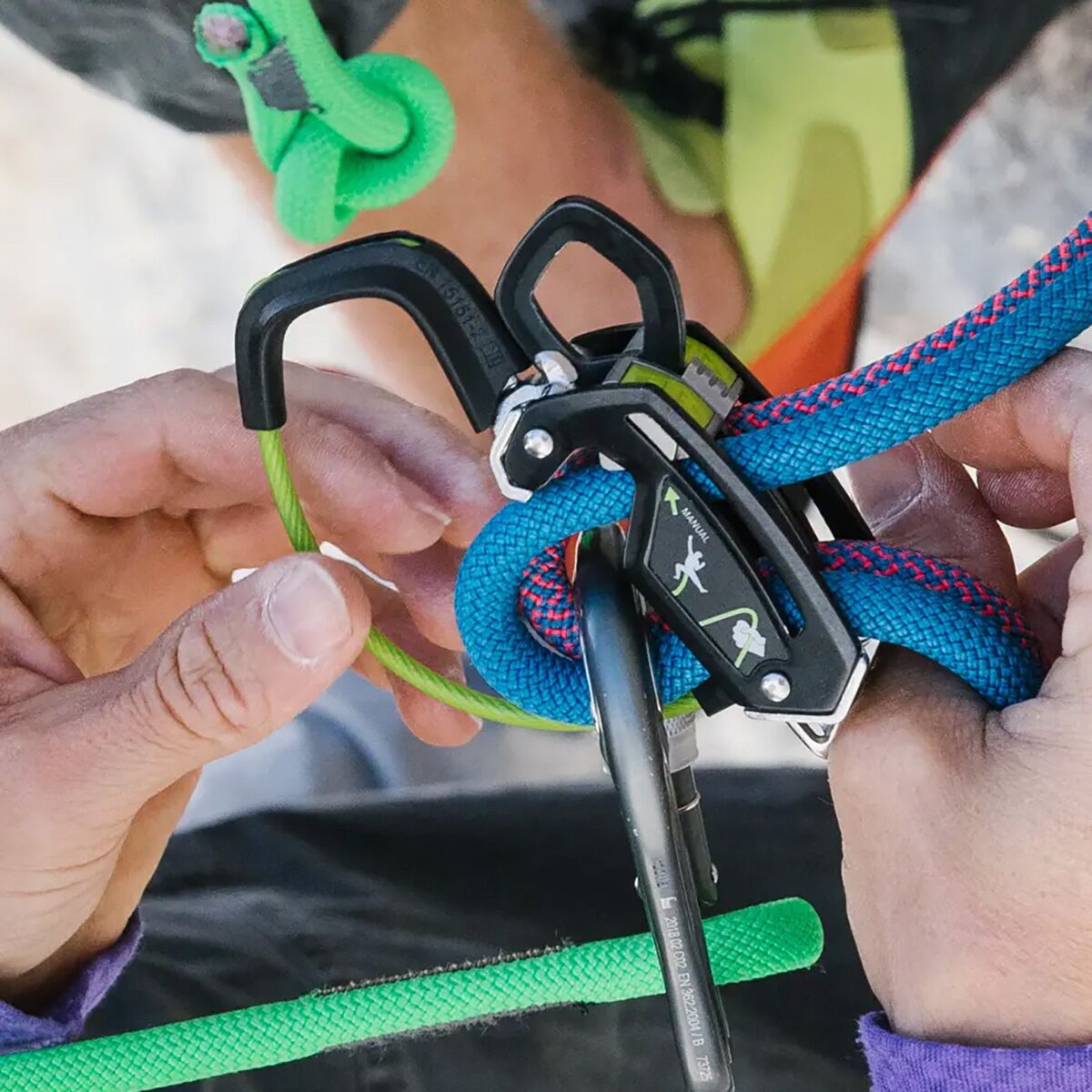
- Release under load: The carabiner-assisted release feature adds a useful option when a second is weighted on the system.
Put together, those features make this a strong fit for climbers who want one belay device that can handle technical, consequential terrain without feeling fussy. It is built for control, not drama—which is exactly the vibe most of us want when the route gets steep and the air gets sharp.
How to decide if it fits your setup
Choosing a belay device depends on how you climb and the rope setup you use. Start with your rope system. The Mammut Wall Alpine Belay Device is designed for twin, half, and single ropes in the 7.5 to 10.5mm range, so the first checkpoint is simple: make sure your rope diameter and style match that window.
- Think about terrain: If your climbing involves multi-pitch or alpine routes, the feature set lines up well.
- Think about team flow: If you regularly bring up a second—or two followers—the device is built for that.
- Think about control: If you value extra grip and smoother handling in serious terrain, the groove design is a real plus.
- Think about rescue-style moments: The ability to release under load with a carabiner can be a meaningful feature in complex situations.
If that checklist sounds like your climbing, this device is a smart match. If your use is mostly single-pitch cragging with none of the alpine crossover, you may simply be carrying more capability than you need. For route-specific questions, a Gearhead® Expert can help you sort rope compatibility and intended use without the usual shop-talk fog machine.
Why shop it at Backcountry
Climbing gear is one of those categories where details matter fast. Rope range, follower setup, release function, overall handling—small differences can change how a system feels when the stance is bad and the consequences are not small. That is why Backcountry keeps the focus on gear that earns its place on route.
When you are deciding whether the Mammut Wall Alpine Belay Device fits your ice and alpine plans, you are not stuck guessing from a thumbnail and a spec list. You can connect with a Gearhead® Expert for real-world guidance on how this device lines up with your rope choice and climbing style. No gatekeeping, no jargon avalanche—just solid beta from people who care about getting the setup right.
That is the Backcountry approach: sharp product selection, useful advice, and gear-first service for days when precision matters more than hype.
Why Buy the Mammut Wall Alpine Belay Device from Backcountry?
When you’re choosing technical climbing gear like the Mammut Wall Alpine Belay Device, authenticity matters. Backcountry works through direct relationships with many of the outdoor industry’s most respected brands, so every product is authentic and backed by the full manufacturer warranty. No gray-market goods, no third-party sellers.
- Authorized dealer — Mammut, Patagonia, Arc'teryx, Black Diamond, Salomon, Scarpa, Specialized, Osprey, and hundreds more
- Full manufacturer warranty — products are sourced through authorized distribution channels, not unverified marketplace sellers
- Complete size and color runs — managed inventory with early access to new collections
- 90-day return policy — one consistent process across every brand, including multi-brand orders
- No counterfeit risk — unlike open marketplaces, every item at Backcountry is vetted and fully warranted