What it’s built to do
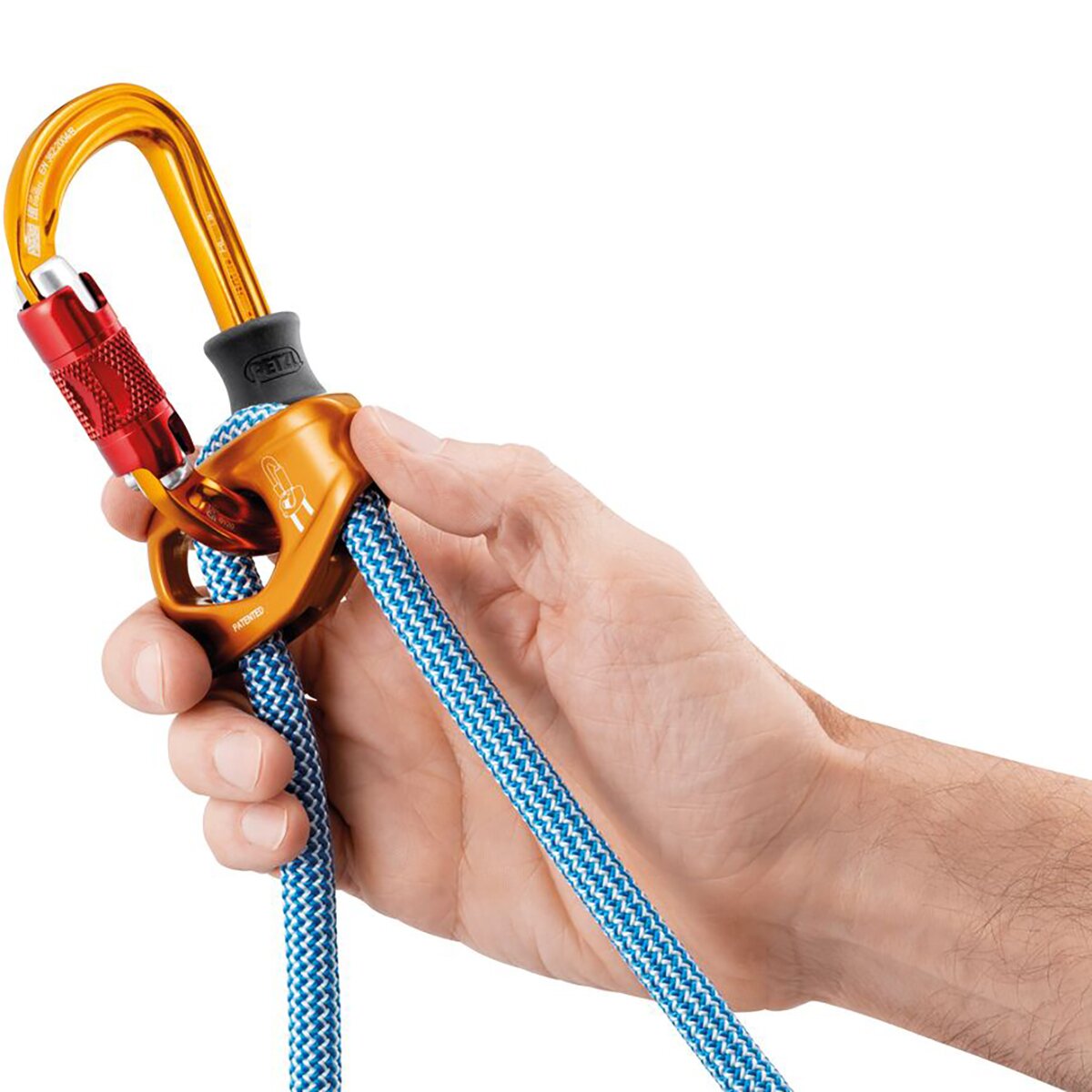
No—this piece is designed for anchor transitions and rappels, based on the features highlighted here. The design details point in one clear direction: smoother changeovers when you reach the chains. It attaches to the belay loop with a girth hitch, lets you fine-tune length with an ergonomic adjuster, and includes a rubber ring to help keep your carabiner from cross-loading while you make adjustments.
If you're evaluating it for aid climbing, note that the features highlighted here emphasize anchor transitions. It’s built around getting clipped in at the anchor, dialing your stance with one hand, and setting up a rappel device on the fixed arm once you’re secure. In other words, this is about staying organized when the route turns into a transition drill and your forearms are already filing complaints.
For shoppers looking at this through an aid-climbing lens, the smartest read is simple: use it for the job it’s built for—efficient positioning at anchors and cleaner rappels.
Why climbers like this setup at the anchor
The biggest win is adjustability without the usual wrestling match. The ergonomic adjuster is made for single-hand operation, so you can tune your distance from the anchor after clipping in. That’s a small detail with a big payoff when you want to stand comfortably, reduce awkward slack, and keep the transition calm instead of chaotic.
The dual-arm layout gives each arm a distinct role at the anchor. One arm adjusts to position you where you want to be, while the fixed arm is used to connect your rappel device once you’re secured. That division helps make the move from anchor to rappel feel cleaner and more deliberate, especially when you’d rather not build a spaghetti bowl out of your system.
- Belay-loop attachment: Girth hitches directly to your harness for a straightforward setup.
- One-hand tuning: Adjusts length on the fly once clipped to the anchor.
- Cross-loading help: The included rubber ring helps keep the carabiner oriented as you adjust.
- Cleaner transitions: The fixed arm gives you a dedicated point for rappel-device setup.
Put together, those features make this a solid option for climbers who want quick length changes and a cleaner transition to rappel setup.
How to decide if this matches your climbing objective
Start with the question behind the question: what job do you need this piece to do? If you want something for positioning at bolted anchors and for making the switch to rappel with less fumbling, this design lines up well. The adjustable arm helps you fine-tune where you sit or stand once clipped in, and the fixed arm gives you a clear next step when it’s time to rig the descent.
If your focus is upward progression on gear, this page highlights anchor organization and rappel transitions rather than aid-specific use. The stated features focus on anchor adjustment and rappel transitions, rather than explicitly calling out aid-specific movement.
- Choose this style if: you want faster anchor organization and easier rappel prep.
- Look elsewhere if: your main goal is gear specifically described for aid-climbing progression.
- Think about your transitions: if the chains are where things usually get messy, this setup targets that exact moment.
For many climbers, the right call is less about labels and more about workflow. If your day involves clipping in, adjusting your stance, and moving efficiently into rappel mode, this lanyard is speaking your language.
Why shop it at Backcountry
Climbing gear decisions get nuanced fast, and that’s exactly where Backcountry comes in. When you’re sorting out whether a piece belongs in your anchor kit, your rappel setup, or a different part of the system entirely, a Gearhead® Expert can help cut through the noise and keep the conversation grounded in how you actually climb.
We’re gear-forward for a reason. The right setup isn’t about collecting shiny widgets—it’s about smoother transitions, cleaner systems, and fewer head-scratching moments when you’re clipped in and ready to move. That’s why we focus on what the equipment is built to do, how it fits into your kit, and where it makes the most sense on route.
If you’re building a dialed anchor setup, this is the kind of detail that matters. Less cluster, more clarity, and a better shot at keeping the transition as smooth as your best beta.
Why Buy the Petzl Dual Connect Adjust from Backcountry?
When you’re picking up climbing gear like the Petzl Dual Connect Adjust, Backcountry’s direct relationships with respected outdoor brands help ensure every product is authentic and backed by the full manufacturer warranty. That means no gray-market goods and no third-party sellers.
- Authorized dealer — Petzl and hundreds of other leading outdoor brands
- Full manufacturer warranty — sourced through authorized distribution channels, not unverified marketplace sellers
- Complete size and color runs — managed inventory with early access to new collections
- 90-day return policy — consistent across every brand, with one simple process for multi-brand orders
- No counterfeit risk — unlike open marketplaces, every item at Backcountry is vetted and fully warranted