Yes—use Diverge/Checkpoint as benchmarks, then shop the best match
Look toward the Diverge/Checkpoint class as a starting point, then look elsewhere if another bike better matches your terrain, fit, and build priorities. Those two are popular because they sit in the modern “do-it-all gravel” lane—but your best option is the one that feels right on long miles and comes with the spec that makes sense for your routes.
Start by deciding what your gravel days really look like: fast hardpack and mixed pavement, chunky washboard, or long adventure loops where reliability matters more than shaving grams. From there, compare the criteria that actually separate bikes in this category: geometry/fit (stack & reach feel), tire clearance targets, mounting points for bikepacking, compliance/comfort features, groupset value, and real-world availability.
Where “look elsewhere” makes the most sense
- You want max value in an alloy build: options like the SCOTT Speedster Gravel 40 keep things simple and dependable for winter base miles, gravel loops, and even light bikepacking.
- You want a modern gravel drivetrain for steep, loose climbs: the SCOTT Speedster Gravel Team leans into Shimano GRX gearing that’s purpose-built for gravel pacing and punchy grades.
- You want 1x simplicity for unpredictable routes: the SCOTT Speedster Gravel 10 is a clean, confidence-first setup for washboard climbs and loose fire roads.
Bottom line: keep Diverge/Checkpoint on your shortlist—but don’t let the logo pick your geometry, gearing, or carry capacity.
What to gain by choosing the right “lane” of gravel bike
In the Diverge/Checkpoint neighborhood, the win isn’t just “a gravel bike.” It’s getting a rig that stays composed when the road turns to chatter, climbs efficiently when the grade kicks up, and doesn’t feel sketchy when the descent gets fast.
Spec value: where your money actually shows up on the ride
- Alloy done right can be a sweet spot: the SCOTT Speedster Gravel 40 is built around a tough aluminum frame that’s comfortable enough for long days, with a Shimano Tiagra drivetrain that’s more capable than most people expect at this level.
- GRX for gravel pacing: the SCOTT Speedster Gravel Team uses a GRX mix (RX820/610) that’s geared for steep gravel climbs and steady efforts—plus a carbon fork that helps keep the front end calm when surfaces get rough.
- 1x simplicity, fewer decisions mid-ride: the SCOTT Speedster Gravel 10 pairs a modern GRX setup with a ride character that balances comfort and quick handling for routes that change their mind every few miles.
Comfort isn’t a luxury—it's speed you can hold
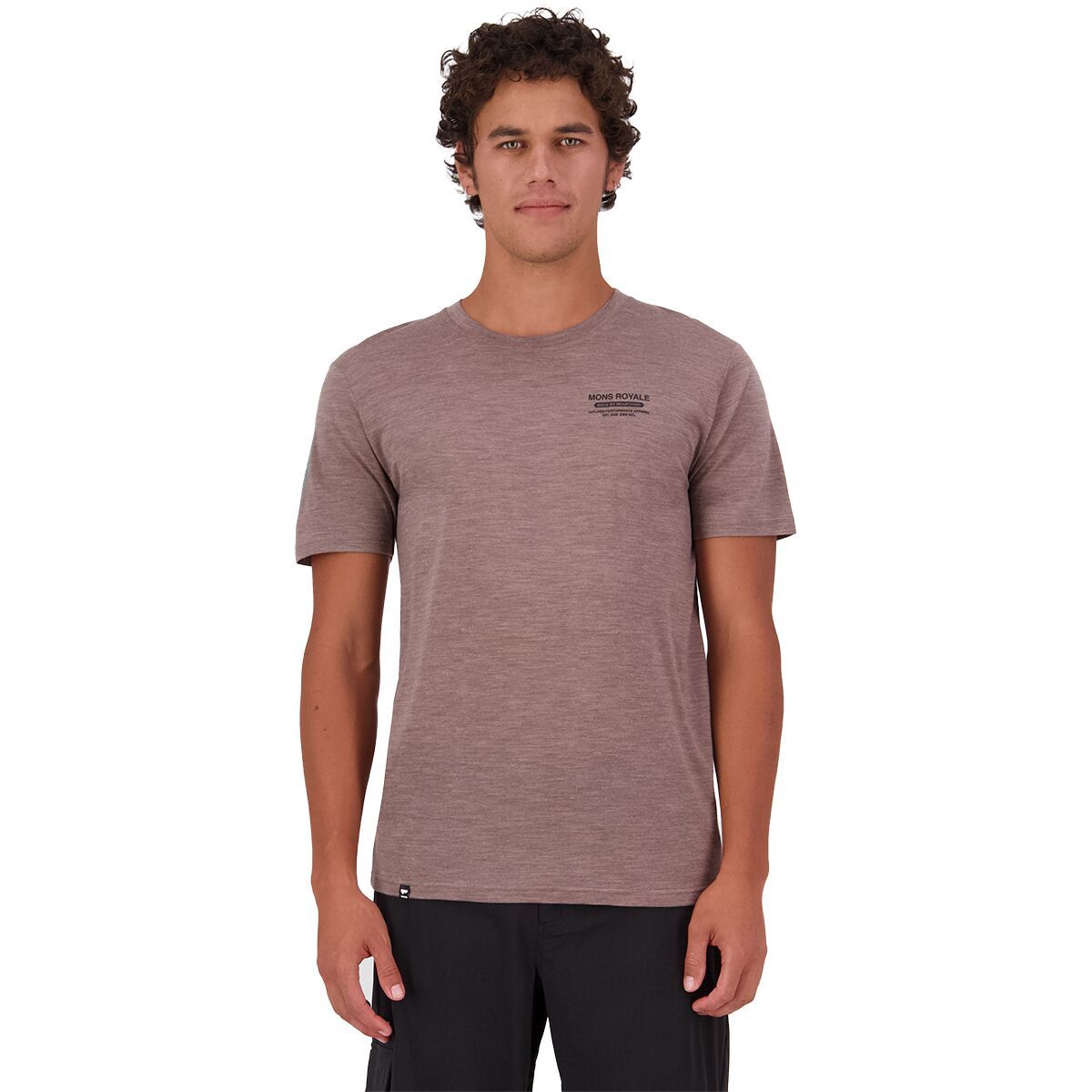
Long gravel days punish small fit mistakes. If you’re building toward bigger mileage, comfort-forward kit matters too. The Terry Gravel Bike Short is designed for mixed terrain with a supportive chamois and multiple pockets that can actually carry a phone, gels, and a tool without turning into a bounce-fest.
Choose the build that supports your pace, your climbs, and your all-day comfort—then you’ll ride more, not just shop more.
A quick Diverge/Checkpoint-style checklist (use it on any bike)
If you’re cross-shopping the category, run every contender through the same filter. It keeps the decision clean—and keeps you from buying a bike that’s “popular” but not right for your routes.
- Fit & geometry feel: compare stack/reach numbers and how upright vs stretched you want to be for long days. If you’re between sizes, prioritize the position you can hold for hours, not minutes.
- Tire clearance goals: decide the biggest tire you realistically want to run for your terrain (smooth fast gravel vs chunky connectors). Clearance is freedom; too little can be a deal-breaker.
- Mounting points: if bikepacking or big self-supported rides are on the menu, look for the mounts you’ll actually use (cargo, fenders, extra bottles). Don’t assume every gravel frame is equally “bag-friendly.”
- Drivetrain choice (1x vs 2x): 1x is simple and quiet for mixed surfaces; 2x can give tighter steps for pacing on long road stretches. Match it to how you ride, not what’s trendy.
- Groupset value & serviceability: prioritize reliable shifting and gearing range you’ll use. A shop-friendly setup you can keep running is worth more than a flashy spec you can’t easily support.
- Availability and timing: the “perfect” bike that’s never in stock doesn’t get you out riding. If a close match is available now, that’s a real advantage.
Run this list, then pick the bike that wins the most boxes—not the one that wins the loudest hype.
Why shop this decision with Backcountry
Gravel-bike shopping gets noisy fast: geometry charts, drivetrain debates, and a million hot takes. Backcountry keeps it simple—match the bike to the way you actually ride, then make sure the build supports that plan.
If you want a second set of eyes, tap a Gearhead® Expert. They’ll help you sanity-check fit goals, talk through 1x vs 2x tradeoffs, and pressure-test your shortlist against your terrain—without the gatekeeping. And because we carry a spread of gravel options (including value-forward alloy builds and GRX-equipped setups), it’s easier to compare what you’re getting for your money instead of comparing marketing slogans.
Bottom line: the right choice is the one that fits, climbs, descends, and carries what you need—so you can stop researching and start stacking miles.
- Built for cross-country speed and gravel adventure rides
- Scale Alloy 6061 custom-butted frame with integrated cable routing
- Scale Rigid HMF fork with tapered carbon steerer
- SRAM Eagle 70 Transmission 12-speed drivetrain with 10-52t cassette
- Shimano hydraulic disc brakes with 180mm front and 160mm rear rotors
- Syncros X-28 tubeless-ready rims with Maxxis Aspen 29x2.4in tires
- 12x148mm rear axle and 15x110mm front axle boost spacing
- Multiple mounting options for long-distance and marathon setups
- Item #SCOL1U9
Fast and agile, Scale Gravel 20 Bike blends XC speed with gravel adventure capability
What Our Gearhead® Experts Are Saying:
"I love how quick and efficient this bike feels when the ride turns into a full-gas effort. The alloy frame is light and responsive, and the SRAM Eagle 70 Transmission with the 10-52t cassette gives me all the range I need for punchy climbs or long fire road grinds. It's perfect for riders who want XC speed but the freedom to explore rougher terrain."
When we want to blur the lines between cross-country speed and backroad adventure, we reach for the SCOTT Scale Gravel 20 Bike. Built with SCOTT's lightweight Scale Alloy 6061 frame and rigid HMF fork, it delivers that quick, precise feel we crave on race courses, yet it's just as ready for long gravel detours and marathon days in the saddle. It's the bike we grab when the route is undefined and the miles stretch far beyond the map.
Underneath the sleek lines, the SRAM Eagle 70 Transmission drivetrain pairs a 34T chainring with a massive 10-52t cassette, giving us wide-range gearing for steep climbs and high-speed flats alike. Shimano hydraulic disc brakes provide confident stopping power, while the Syncros X-28 tubeless-ready rims and 29x2.4in Maxxis Aspen tires keep rolling fast over mixed terrain. Thoughtful details like integrated cable routing, multiple mounting options, and Spirgrips inner bar ends round out a build that's efficient, capable, and ready to chase big days.
Heads up - We do our best to keep bike specs and images current, but occasional component changes can happen without warning-and sometimes the photos might not show the exact build you'll receive. If you want to double-check the details, our Gearheads are always here to help.