Start with Diverge/Checkpoint… then sanity-check your needs
Yes—those two are popular for a reason, but you should look elsewhere the moment your priorities don’t line up with “one bike that does it all.” The cleanest way to decide is to anchor on terrain + gearing + how you’ll use the bike week-to-week, then pick the build that hits those marks without paying for stuff you won’t use.
If your rides include steep, loose climbs or you’re carrying extra weight (bags, winter kit, big bottles), prioritize a wide-range drivetrain. For example, the SCOTT Scale Gravel 20 Eagle 70 runs a 10–52t cassette, which is a big deal when the road pitches up and the surface turns to marbles.
If you want a straightforward, reliable setup for mixed rides—base miles, gravel loops, and the occasional overnighter—an alloy platform that keeps things simple can be the better call than chasing a “halo” frame. The SCOTT Speedster Gravel 40 leans into that dependable, no-drama vibe with a Tiagra drivetrain that’s known for shifting above its weight.
When “look elsewhere” is the right answer
- You want maximum climbing range without overthinking it.
- You’d rather spend on ride time than prestige—alloy can be a very smart play.
- Your routes change every ride, so you value stable handling and comfort on long days.
Bottom line: start with the common picks, but choose the bike that matches your actual map—not the internet’s default shortlist.
What you get by choosing a build that fits your riding
Once you stop shopping by reputation and start shopping by ride feel, a few benefits pop immediately—especially in the SCOTT gravel lineup.
Drivetrain choices that match real terrain
- Big range for steep days: The SCOTT Scale Gravel 20 Eagle 70 pairs SRAM Eagle 70 Transmission with a 10–52t cassette—great when climbs are punchy or sustained and you don’t want to grind.
- Purpose-built gravel gearing: The SCOTT Speedster Gravel Team uses a GRX 820 setup called out for steep gravel climbs, aimed at riders who see a lot of elevation and changing surfaces.
- Simple reliability: The SCOTT Speedster Gravel 40 keeps things straightforward with Tiagra shifting that’s better than many expect at the category’s entry point.
Alloy done right (and why it can be the value move)
Both Speedster options and the Scale Gravel 20 are alloy-framed, which can be a sweet spot if you want a responsive ride and durability for rough roads and winter miles—without feeling like you need to baby the bike.
Comfort and control where it counts
Long gravel days are won by comfort. The Speedster Gravel Team is noted for confident descending and comfort on bigger days, with a carbon fork helping keep the front end composed when the surface gets busy.
Decide like a mechanic: 5 checks before you commit
If you’re weighing the usual suspects against alternatives, run this quick checklist. It turns “which bike?” into “which bike for my rides?”
- How steep do your climbs get? If you routinely hit sustained grades or loose pitches, look for a wide-range cassette. A 10–52t setup (like on the SCOTT Scale Gravel 20 Eagle 70) is a clear green flag for getting up and over without detonating your legs.
- Are you chasing speed, or all-day stability? If you like full-gas efforts and quick acceleration, the Scale Gravel 20 is described as fast and efficient. If your rides are longer and more varied, prioritize comfort and confident descending (a strength called out on the Speedster Gravel Team).
- What’s your “maintenance tolerance”? If you want a set-it-and-forget-it vibe for winter base miles and mixed loops, a simple, dependable drivetrain like Tiagra on the Speedster Gravel 40 can be a smart match.
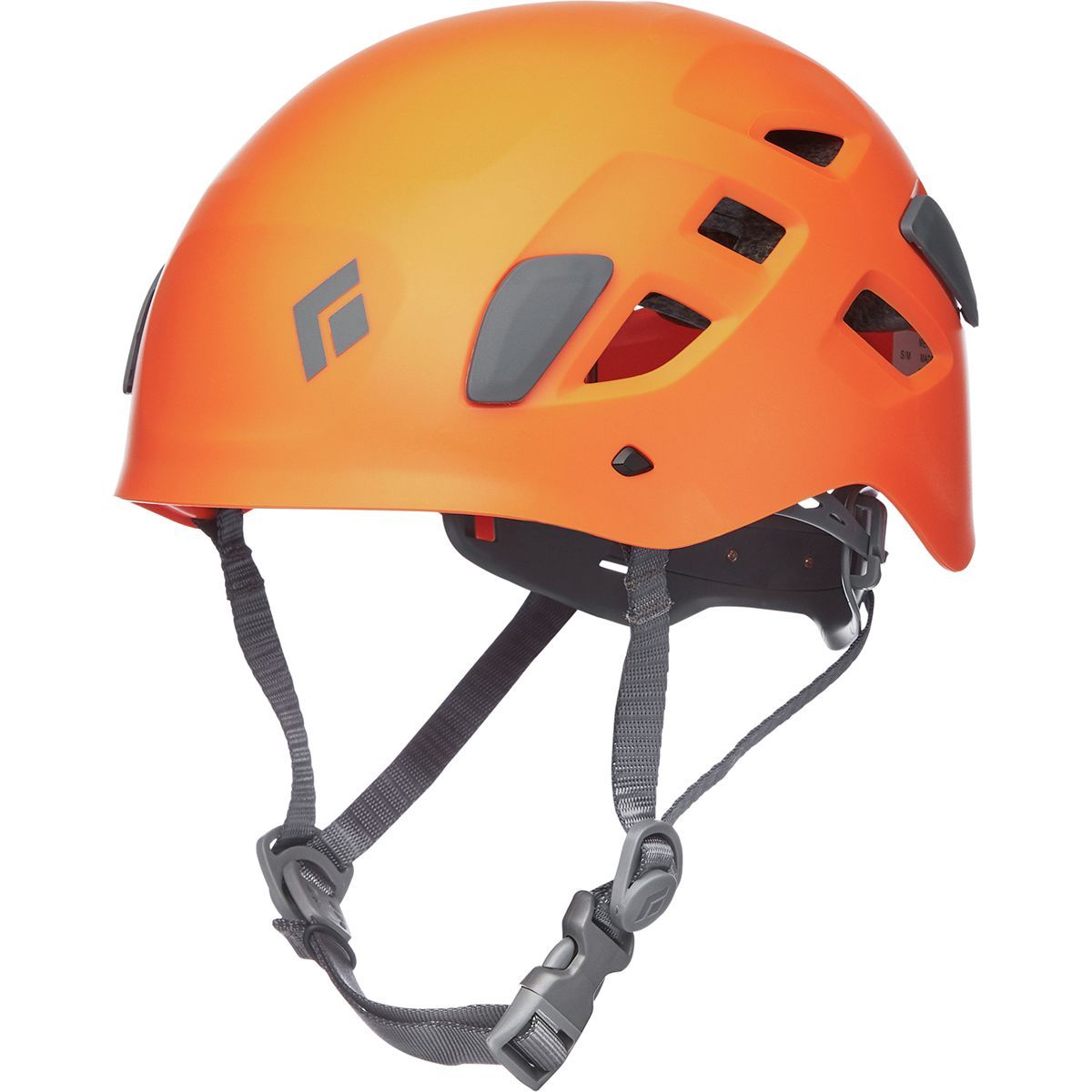
- Do you want road-to-gravel versatility? A helmet like the Giro Cielo Mips is built to look and feel at home across road and gravel, which matters if your rides blur lines.
- Comfort for big days? Shorts with a supportive chamois and real storage—like the Terry Gravel Bike Short—can change how long you stay happy in the saddle.
If two bikes still look tied, that’s the moment to Tap a Gearhead® Expert and talk through your routes, gearing goals, and fit priorities.
Why shop this decision with Backcountry
Gravel bikes are the ultimate choose-your-own-adventure machine—right up until the spec sheet gets messy. Backcountry keeps it simple: we focus on the parts that change your ride every single time you roll out—gearing range, long-day comfort, and the kind of reliability that survives real weeks, not just parking-lot spins.
Need a second set of eyes on whether you’ll be happier on a wide-range 10–52t setup, a GRX-focused gravel build, or a dependable alloy workhorse? Our Gearhead® Experts are here for that. No gatekeeping, no buzzwords—just practical help dialing the bike to your terrain and goals.
And once the bike choice is handled, you can round out the kit in the same place—like a well-ventilated Giro Cielo Mips for long hot miles, or gravel-specific shorts with storage that actually holds your essentials. One cart, one plan, more time riding.
- Shorty aerobar for road, gravel, and bikepacking setups
- 45AR extensions offer versatile and comfortable hand position
- 80 distinct armrest position options for precise fit tuning
- Armrest width adjustable from 124mm to 290mm
- Armrest offset adjustable from -95mm to -42.5mm
- Stack height from 42.5mm up to 130mm with riser kit
- Compatible with 31.8mm handlebars (26.0mm with shim kit)
- Can be shortened for draft-legal triathlon use
- Item #PRDA03I
Neosonic Ergo 45AR Aerobar delivers versatile fit and draft-legal potential
What Our Gearhead® Experts Are Saying:
"I recommend this to riders adding aerobars to a road or gravel bike. The fit range is huge—80 armrest positions alone—and the 45AR extensions feel natural for long efforts. Easy to adjust length and rotation, and you can shorten it to meet draft-legal rules."
When we want the aerodynamic advantage without committing to a full TT cockpit, we bolt on the Neosonic Ergo 45AR Aerobar from Profile Design. Whether we're training for a draft-legal triathlon, stretching out on long road miles, or packing light for a fast gravel mission, this system adapts to how—and where—we ride.
The Neosonic bracket delivers expansive adjustability, pairing with the Ergo Ultra armrests and 10mm pads for comfort-focused support. With armrest offset from -95mm to -42.5mm, width adjustments from 124mm to 290mm, and stack starting at 42.5mm (expandable to 130mm with risers), we can fine-tune fit with precision. The 45AR extensions offer a versatile hand position and can be shortened to comply with ITU draft-legal regulations. A 31.8mm clamp diameter (26.0mm with optional shim) ensures broad compatibility, while simple top-bolt adjustment makes dialing in extension length and rotation straightforward. It's a highly adaptable aero solution built for modern multi-surface riders.