Worth it… if it clears the “don’t-upgrade-yourself-into-regret” test
Yes, a discounted Rockhopper can be worth it if you want an efficient, straightforward hardtail for smoother singletrack, paths, and steady fitness rides—and you’re not planning to spend your way into a different bike category. The moment you’re eyeing bigger trail features, rougher descents, or a long list of parts swaps, the value swings toward other options (often used) with stronger core components baked in.
The clean way to decide is to set an upgrade budget cap before you click “buy.” If the bike needs multiple “must-fix” changes to feel right, it’s usually smarter to step up in model/trim or shop used for a higher-spec hardtail.
Two fast filters before you commit
- Fit first (one time, no repeats): if the frame size is wrong, no discount saves it. Prioritize standover, reach, and whether you can get a comfortable hand position without weird stem swaps.
- Upgrade dead-ends: if the build uses standards that box you out of the parts you’ll eventually want (wheels, fork, brakes), that “deal” can get expensive fast.
What to do next
Run the checklist in the FAQs (fork, brakes, drivetrain range, wheel size, axle standards). If it passes, grab it and keep upgrades targeted. If it fails on multiple points, put that sale money toward a better baseline—because buying once is always cheaper than buying twice.
Make an entry-level hardtail feel dialed—without pretending it’s a new bike
If the Rockhopper’s core spec checks out, the best “value” moves are the ones that improve control and comfort per dollar—not the ones that spiral into a full rebuild.
Cockpit: the cheapest way to change how the bike rides
Profile Design Ultra FR OS Bar is a budget-friendly refresh when your stock bar feels too low or your wrists want a different angle. It’s a 660mm bar with 10° sweep, offered in 40mm or 60mm rise, which can help you fine-tune front-end height and overall comfort without chasing complicated parts.
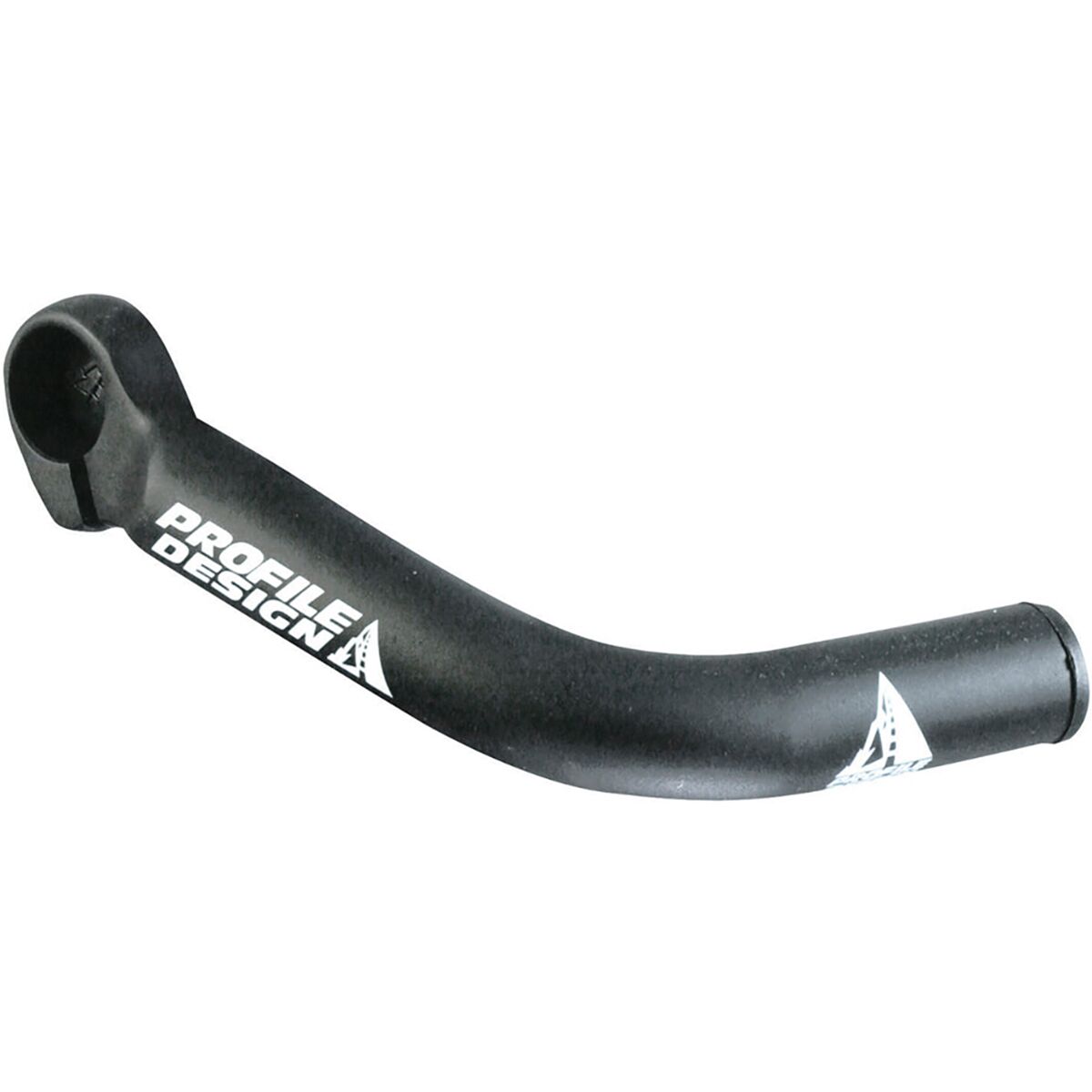
Profile Design Boxer Bar End adds an extra hand position for long climbs and marathon-style days. The offset clamp helps keep the cockpit from feeling crowded, and the 6061-T6 aluminum build is built to take real trail use. It’s the kind of small add-on that can reduce fatigue when you’re seated and grinding.
Heads-up on “big-ticket” upgrades
CeramicSpeed OHD Kit is a highly model-specific headset kit (and it’s priced like a premium solution). That’s a great reminder: headset and bearing upgrades only make sense when they match your exact frame. If you’re looking at pricey, compatibility-sensitive swaps early, that’s often a sign to jump to a higher-spec bike instead of upgrading an entry-level one.
How to judge the sale price: a simple decision framework
The “right” sale price is the one that leaves room for only the upgrades you actually need—not the upgrades required to make the bike tolerable. Start with intended use, then verify the build, then decide whether to upgrade or walk.
Step 1: Match the bike to the riding you’ll actually do
- Green/blue singletrack + mixed paths: a Rockhopper can be a solid on-ramp if it fits and shifts/brakes cleanly.
- Rough, fast, or rowdy trails: prioritize a better baseline (often a higher-spec hardtail) over “deal” pricing.
Step 2: Verify the build (quick shop-floor checklist)
- Fork: identify coil vs air. Air is usually the better long-term platform; coil can be fine if it feels controlled for your terrain.
- Brakes: confirm the type and that power/feel is consistent on a hard stop.
- Drivetrain range: check the climbing gear is low enough for your local grades.
- Wheels/tires: confirm wheel size and condition; avoid buying into a setup you’ll immediately want to replace.
- Axle standards: note front/rear axle type so wheel and fork upgrades aren’t a compatibility headache.
Step 3: Upgrade in layers (next: ride conditions)
After the cockpit is comfortable (bar, hand positions), the next layer is ride conditions: visibility, quick-access storage, and how you manage muddy gear and temperature swings—covered next.
Why Backcountry for a “worth it?” bike call
Discounts are easy. Making sure you don’t buy the wrong bike is the hard part—and that’s where Backcountry shines. Our Gearhead® Expert team can sanity-check sizing, talk through the spec details that matter (fork, brakes, drivetrain range, wheel and axle standards), and help you spot upgrade dead-ends before they eat your budget.
Once the bike decision is locked, we’ll also help you build the right add-ons for your riding: cockpit comfort, on-bike storage, and the small stuff that keeps you riding when conditions get dusty, wet, or cold. The goal is simple: spend where it changes the ride, skip what doesn’t, and end up on a setup you’ll actually want to take out tomorrow.