Which one makes more sense?
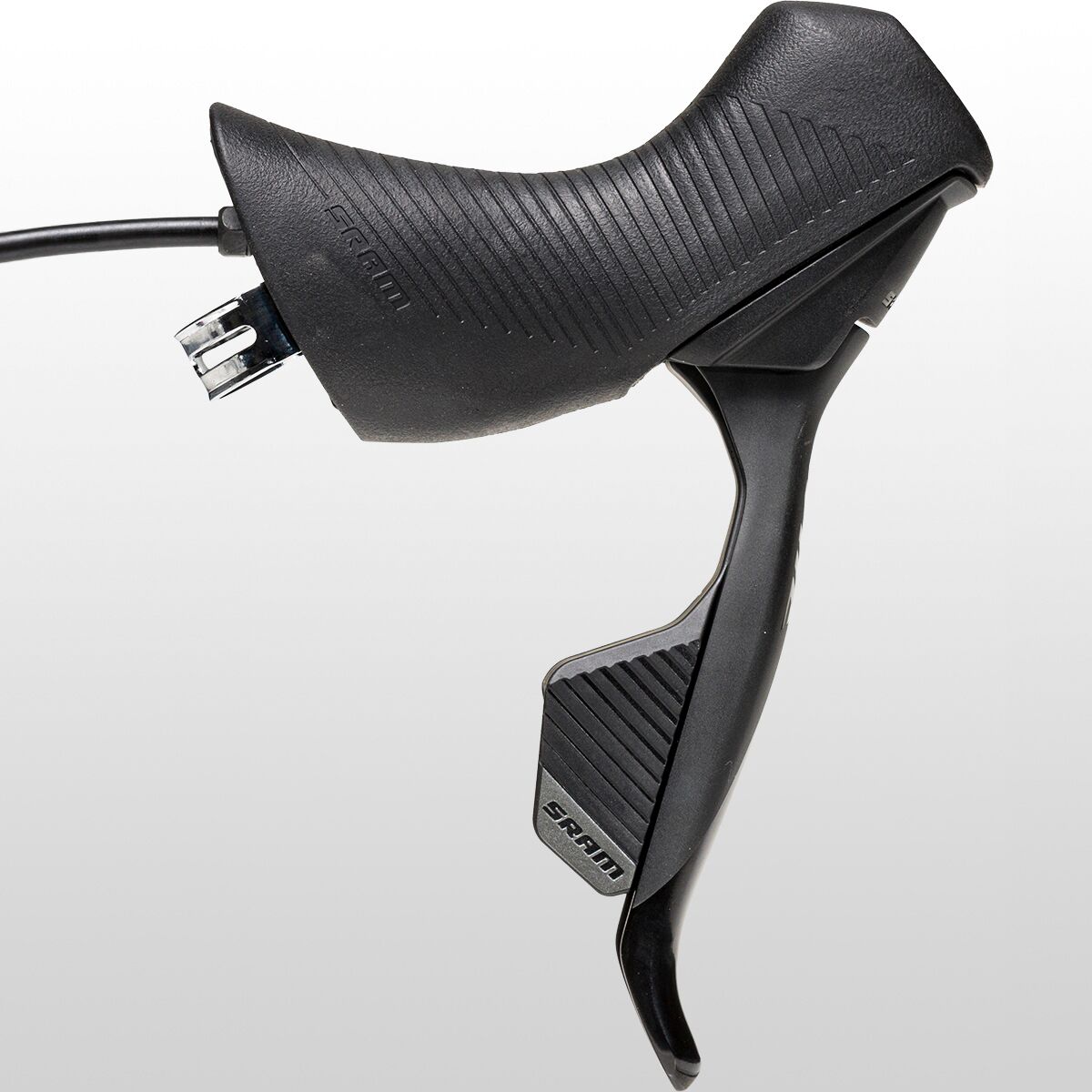
If you want to stay with a traditional cable-based setup, a mechanical option may make more sense; if wireless shifting, a cleaner cockpit, and AXS compatibility matter more, SRAM Rival AXS Shifter/Brake System is the stronger fit. That is the clearest way to sort this decision, especially if you are weighing familiar setup preferences against a more streamlined build.
A mechanical option may appeal if you simply prefer the feel and format of a traditional cable-based system. SRAM Rival AXS Shifter/Brake System makes the better case when your priorities are tested and proven wireless shifting, clean aesthetics, and removing now unnecessary wires from a cluttered bike. If your bars already look busy, that cleaner front end can be a real upgrade in how the whole build comes together.
The other major factor is compatibility. Because SRAM Rival AXS Shifter/Brake System works with all AXS products, it gives you room to expand the setup later. The option to install an Eagle AXS derailleur and cassette for more range adds useful flexibility for gravel riders and anyone who wants broader gearing options down the line.
If your decision is really about whether to stick with a traditional cable-based setup or move to wireless, this system makes a strong case with clean aesthetics, proven shifting, and a wider AXS ecosystem to build around.
Why riders look at this system
SRAM Rival AXS Shifter/Brake System brings trickle-down technology into a setup that focuses on the features many riders actually care about on the bike: reliable wireless operation, a less cluttered build, and compatibility that keeps future upgrades in play.
- Wireless shifting: The system uses tested and proven wireless shifting, which means no shift wires running through the bike. That can make the overall setup feel cleaner and more modern without adding visual noise to the cockpit.
- Clean aesthetics: A tidier front end is not just for looks. Removing now unnecessary wires can simplify the feel of the bike and make the build look more dialed.
- AXS ecosystem compatibility: It works with all AXS products, so you are not boxed into one narrow configuration. That flexibility is a big part of the appeal for riders who like to tune their setup over time.
- More range potential: The option to install an Eagle AXS derailleur and cassette adds another layer of usefulness for riders chasing wider gearing.
This is the kind of component choice that can clean up the bike today while leaving more room to experiment tomorrow. Less cable clutter, more compatibility, and shifting tech that is described as tested and proven wireless shifting—that is a pretty tidy package.
How to decide if wireless is your move
Start with the part of the bike that bugs you most. If bar clutter, extra wires, and a busy-looking front end are constant annoyances, SRAM Rival AXS Shifter/Brake System speaks directly to that. It is a strong fit for riders who want a cleaner setup without giving up performance-minded tech.
Think about where your build might go next
If you like the idea of changing your drivetrain setup over time, AXS compatibility is a real advantage. This system works with all AXS products, including the option to run an Eagle AXS derailleur and cassette for more range. That makes it easier to build around the riding you are doing now while keeping options open for future terrain, routes, or bike projects.
Choose based on priorities, not hype
If your decision comes down to familiar cable-based operation versus wireless convenience, be honest about what you value most. Riders who want a straightforward path to a cleaner cockpit and broader AXS integration will likely feel pulled toward this setup. Riders who are not chasing those benefits may weigh their choice differently. Either way, the smart move is matching the system to how you want the bike to feel, look, and evolve.
Why shop this decision at Backcountry
Big drivetrain choices are more fun when the advice is sharp and the noise stays low. That is where Backcountry comes in. We are gear-forward, detail-obsessed, and always up for talking through the fine points that actually matter on the bike.
If you are sorting out whether SRAM Rival AXS Shifter/Brake System fits your build, a Gearhead® Expert can help you think through compatibility, ride goals, and where you want the setup to go next. No gatekeeping. No canned script. Just real guidance from people who know the gear and get why these choices matter.
The goal is simple: help you land on a setup that feels right when the ride starts and still makes sense when your build evolves. Clean cockpit, smart compatibility, fewer question marks. That is our kind of bike math.
Why Buy the SRAM Rival AXS Shifter/Brake System from Backcountry?
With Summit Club+ ($49/yr), every purchase earns 10% instant cash back on full-price and sale items. That is especially useful when you are dialing in components like the SRAM Rival AXS Shifter/Brake System, since cash back posts immediately after purchase, and a single order over $490 recoups the membership fee entirely.
- Instant cash back — posts right after purchase, not once a year
- Earns on sale and clearance items — unlike most retailers, rewards are not limited to full-price gear
- Redeem on anything — use your cash back on full-price and sale items alike, with no restrictions
- Free 2-day shipping on orders $150+
- Your own dedicated Gearhead Expert — personal gear advisor via chat, phone, or text
- 20% off birthday discount plus early access to deals and new gear drops
- Partner Perks — $100 off Mountain Collective passes, $140 off Outdoorsy, free USA Cycling membership
- 365-day satisfaction guarantee — full refund on membership within a year, minus any cash back redeemed