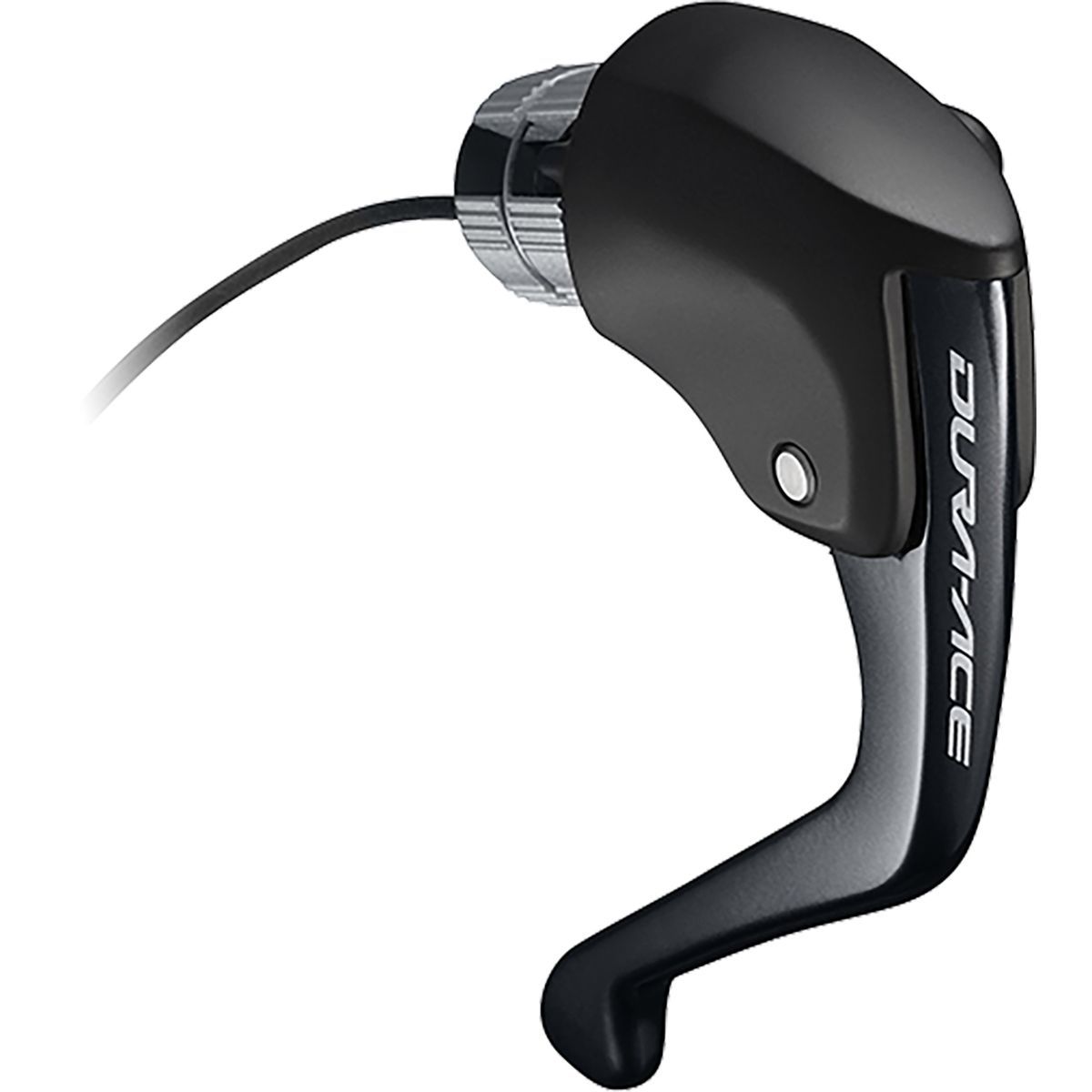
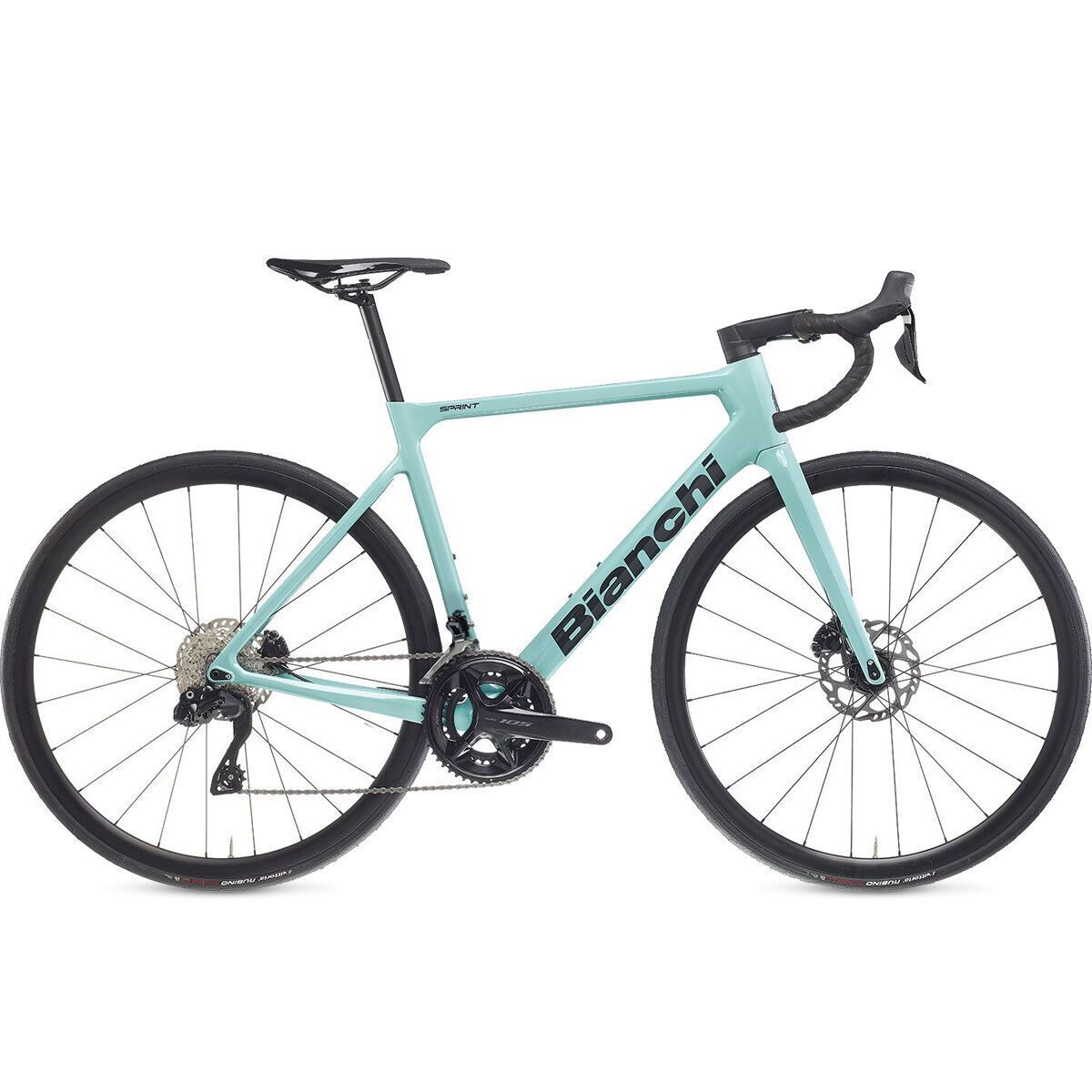
Climbing benefit in one line
Compared to a mechanical setup like Shimano 105, SRAM’s Rival eTap AXS brings wireless shifting consistency and trim-free front shifting that can feel noticeably calmer when the road tilts up and your cadence gets choppy.
Why that matters when the grade bites
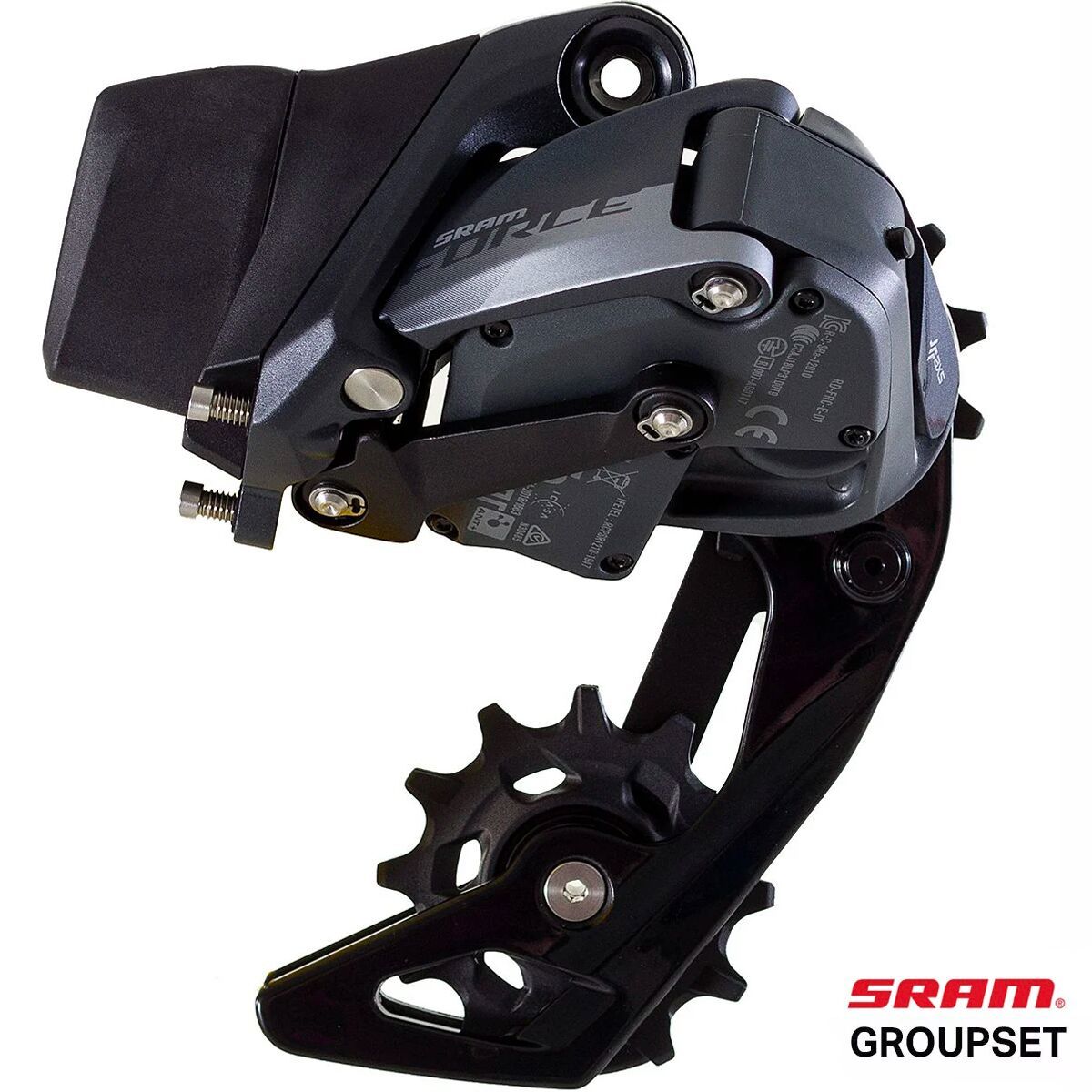
On a climb, the “best” drivetrain is the one that keeps working when you’re tired, out of the saddle, and changing gears a lot. The Rival AXS rear derailleur is built around a wireless system designed for consistent shift action, and it’s also positioned as an easy install—one bolt plus an app setup—so the system is less about cable tension perfection and more about repeatable performance.
Up front, the Rival AXS front derailleur uses SRAM’s Yaw design for trim-free operation. That means it’s designed to avoid chain rub across the cassette without you needing to micro-adjust. When you’re climbing and swapping cogs frequently, not having to think about trim is a small detail that feels like a big win.
Comfort counts on long grinders
Rival E1 AXS controls also focus on ergonomics: a redesigned hood shape aimed to fit a wider range of hands, plus braking from the hoods that’s described as requiring little effort with consistent feel in wet or dry conditions. On climbs where you’re posted on the hoods for long stretches (and feathering speed around switchbacks), that steady feel can keep you relaxed instead of white-knuckled.
- Wireless shifting: designed for consistent shift action under fatigue
- Trim-free front shifts: Yaw tech helps prevent rub without extra inputs
- Hood ergonomics: comfort and low-effort braking for long efforts
Where Rival AXS really helps on climbs
Climbing is a game of momentum management: quick gear changes, steady hand positions, and clean drivetrain behavior when you’re bouncing between cadence and torque. The Rival AXS ecosystem is built around those moments.
Rear shifting that stays predictable
The SRAM Rival AXS 12-Speed Rear Derailleur is positioned as delivering consistent shifting and straightforward setup with the AXS app. And the Rival E1 AXS 12-Speed Rear Derailleur adds broad cassette compatibility—12-speed ranges from 10-28T to 10-36T—plus support for both 1x and 2x setups. That range gives you room to tune your climbing gears without changing the whole vibe of your bike.
- Cassette range support: works with 10-28T through 10-36T (12-speed)
- 1x or 2x friendly: build it for punchy or sustained climbs
- AXS app setup: designed to make dialing in the system simpler
Front shifting without the “trim dance”
Both the SRAM Rival AXS Front Derailleur and the Rival E1 AXS Front Derailleur are built around Yaw movement for trim-free cage operation. The E1 version is also described with auto-trim behavior and a quiet, rub-free goal—even when you’re pushing harder. On climbs, that means fewer distractions and less drivetrain noise when you’re cross-chaining a bit to keep your rhythm.
Extra shift options for awkward positions
If your climbs include long seated grinds on the tops or aero base bar, SRAM eTap AXS MultiClics add remote shifting buttons with customizable mounting and clean bar-tape integration. It’s a small add-on that can keep you in your preferred position instead of reaching for the levers every time the grade changes.
How to choose an AXS setup that climbs the way you ride
If you’re weighing an electronic wireless option against a mechanical drivetrain, the smartest move is to build around your climbing pain points: missed shifts when you’re cooked, chain rub when you’re hunting for the “perfect” gear, or hand fatigue from spending forever on the hoods.
Step 1: Pick your shifting foundation
- Controls: Start with the SRAM Rival E1 AXS Shift/Brake System if comfort at the hoods and consistent braking feel are high on your list.
- Rear derailleur: Choose a Rival AXS rear derailleur to anchor your wireless shifting. If you want explicit cassette-range flexibility, look at the Rival E1 AXS 12-Speed Rear Derailleur (supports 10-28T to 10-36T).
Step 2: Decide if you want a front derailleur
If you run 2x, the Rival AXS Front Derailleur (or the Rival E1 AXS Front Derailleur) brings Yaw-based, trim-free operation—built to reduce chain rub without extra inputs. If you’re focused on simplicity, you can also build around a 1x drivetrain since the rear derailleur supports both 1x and 2x setups.
Step 3: Add climbing-friendly controls
- Remote shifting: Add SRAM eTap AXS MultiClics if you want shifting access from alternate hand positions.
- Touchpoints: Consider SRAM Rival AXS Lever Hoods for grip and comfort on long, steady efforts.
Step 4: Sanity-check compatibility
Match your front shifting to X-Range chainring intent (where applicable) and keep your cassette choice within the supported 12-speed ranges listed for the rear derailleur. When in doubt, loop in a Gearhead® Expert for a clean parts list.
Why snag your drivetrain upgrade from Backcountry
Climbing upgrades are personal—because your climbs are personal. At Backcountry, the goal isn’t to sell you “more tech.” It’s to help you land on the setup that makes steep days feel smoother: consistent shifting, comfortable hoods, and the right control options for how you actually ride.
Real advice, not forum rabbit holes
Our Gearhead® Expert team can help you sort the practical stuff—what pieces you need, how to think about 1x vs 2x, and how to build around the cassette range you want—so you’re not stuck mid-project with one missing part and a ride tomorrow morning.
Build it once, love it for the long haul
Whether you’re piecing together a full wireless cockpit or starting with a derailleur upgrade, we’re here for the nerdy details and the big-picture goal: a bike that feels composed when the gradient gets loud. Bring your current setup, your terrain, and your “this is what drives me nuts on climbs” list—we’ll take it from there.